
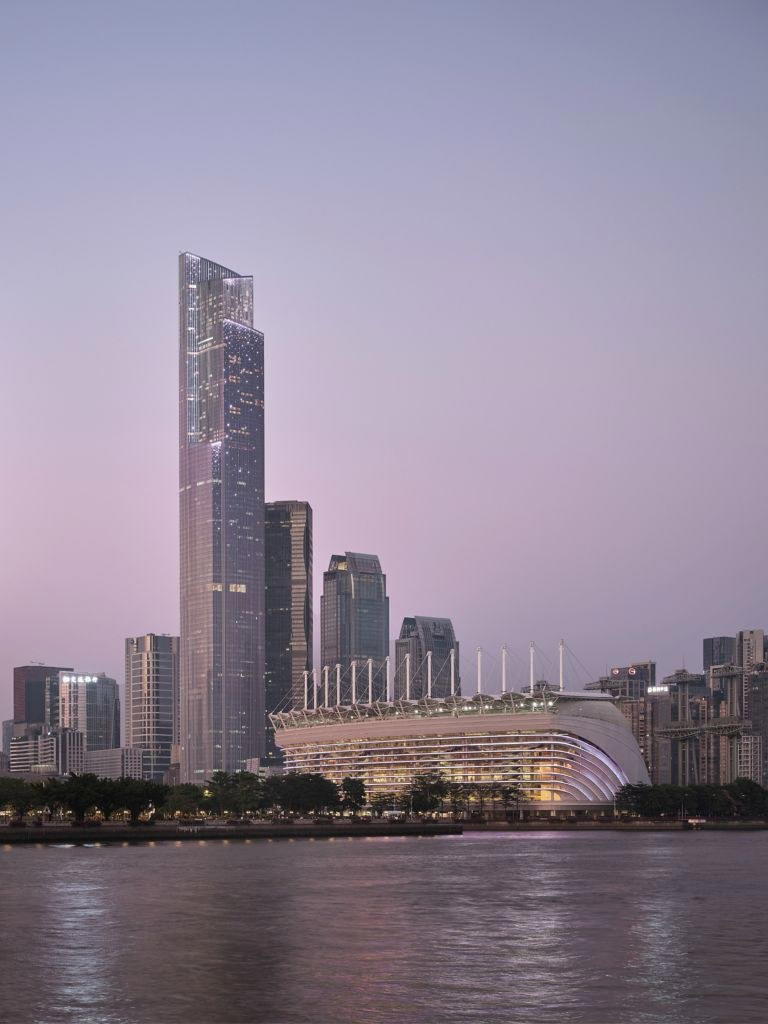
Tung Fook Superior Cuisine holds a 2025 Michelin Plate recognition and sits in Guangzhou's mid-to-upper Cantonese dining tier, occupying the fourth floor of Grandview Mall East in Tianhe.
Pearl is the En Primeur Club membership app — saves, bookings, and concierge access live there. Same editors, same standards.
- Address
- China, CN 广东省 广州市 天河区 珠江东路 16 16号高德置地广场冬广场4层417号 邮政编码: 510623
- Phone
- +86 20 8621 2345
- Directions
- Get directions
 Saves & bookings on Pearl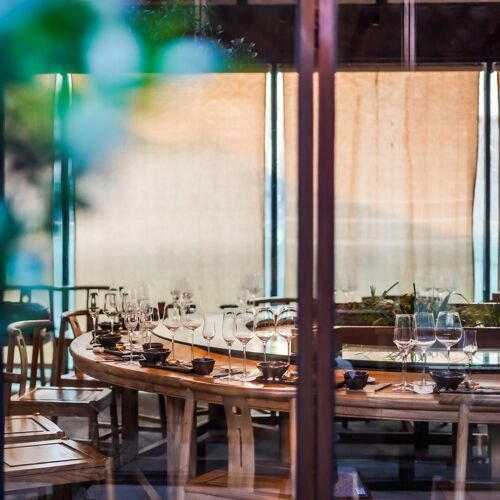
Cantonese Cooking in Guangzhou's Tianhe Core
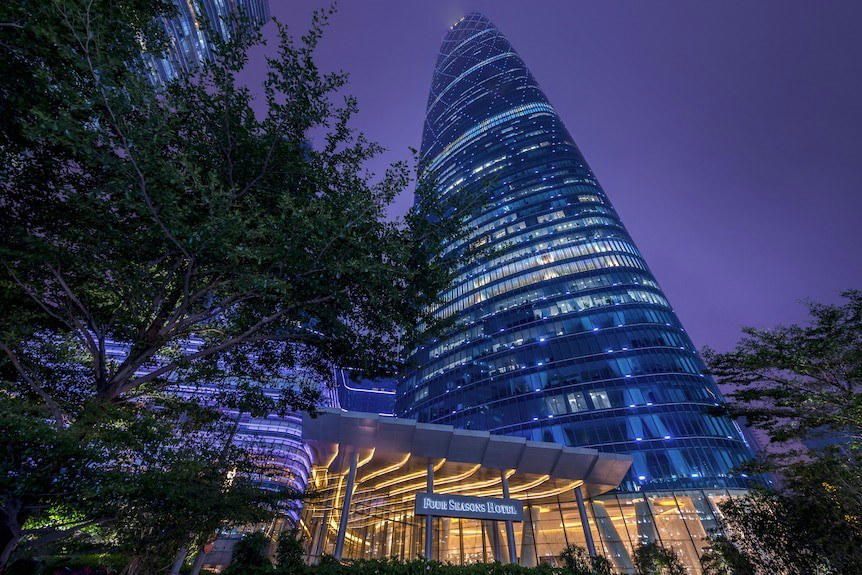
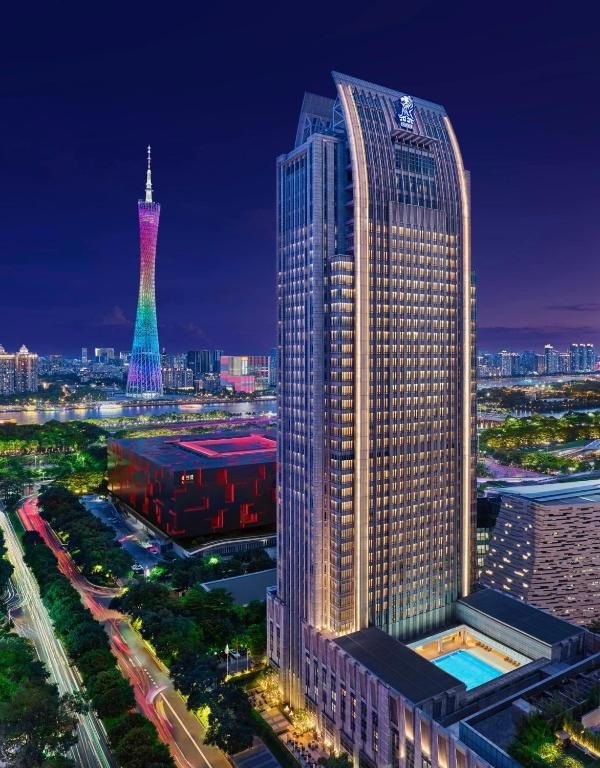
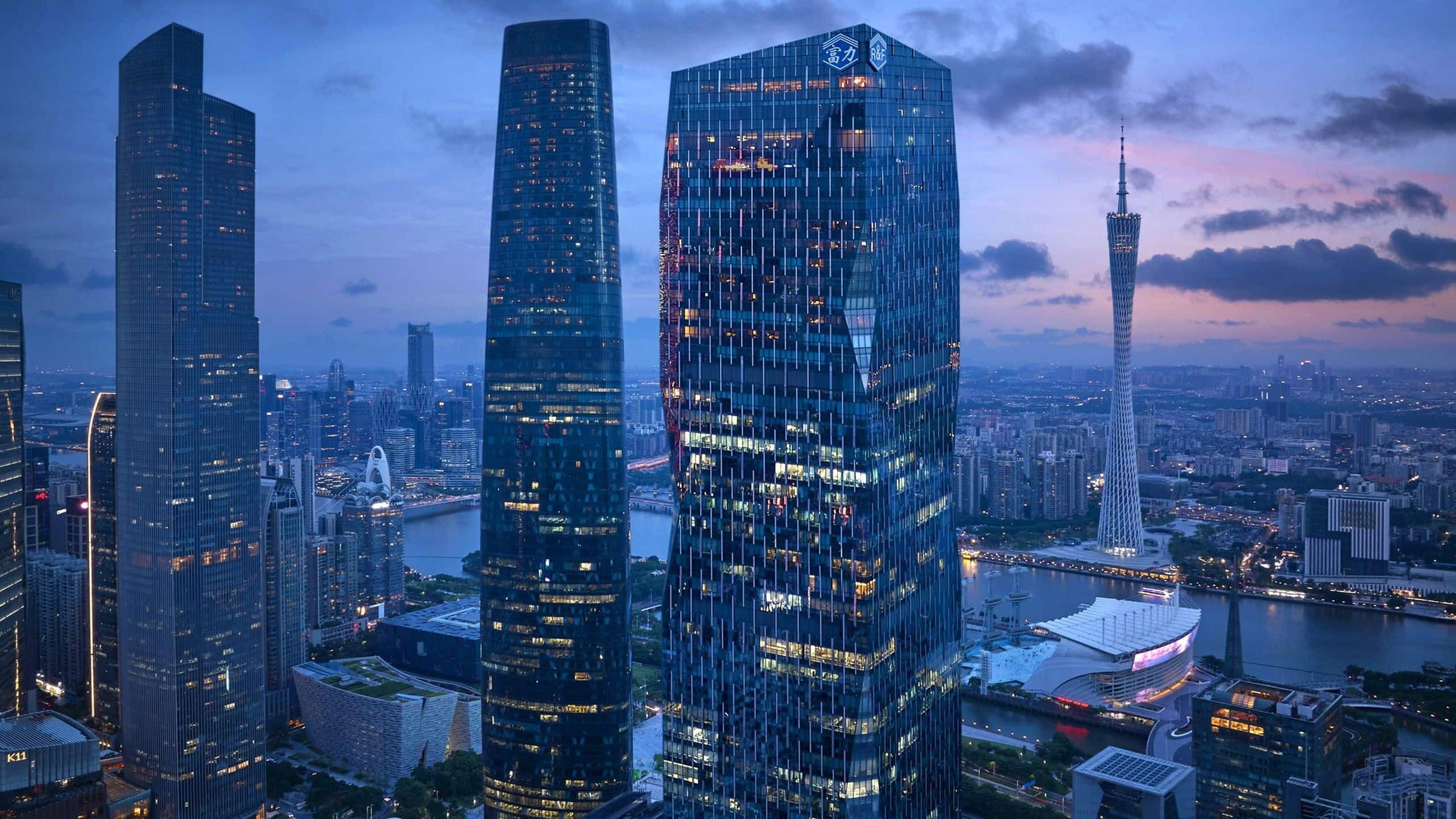
The fourth floor of Grandview Mall East on Zhujiang East Road is not where most visitors expect to find Michelin-recognised Cantonese cooking. Tianhe is Guangzhou's commercial spine, a district built around financial towers and retail anchors, and its dining scene has historically skewed toward convenience rather than craft. Yet that pattern has shifted. As rental economics pushed serious kitchens into mixed-use developments, the quality of cooking inside these buildings caught up with, and in some cases overtook, what the older neighbourhoods along Shamian or around Yuexiu Park had long monopolised.
That Michelin Plate designation places Tung Fook in a specific tier: recognised for consistent cooking quality without the full star apparatus, a category that in Guangzhou's dense Cantonese scene is more competitive than it might appear. The city fields more Cantonese restaurants per capita than almost anywhere on earth, and the Michelin guide's local selection reflects that pressure, with Plates functioning as a meaningful filter rather than a consolation category.
What Cantonese Cooking Means in This City
Guangzhou is the source city for Cantonese cuisine. What Hong Kong refined for export, Beijing adapted for ceremony, and overseas Chinatowns further simplified, Guangzhou preserved in something closer to its working form: dim sum served from dawn, roast meats hung in window rows by mid-morning, afternoon congee, and evening banquet cooking that treats dried seafood, fresh poultry, and seasonal vegetables as distinct disciplines rather than a single undifferentiated category.
The cuisine's operating logic is restraint and freshness. Where Sichuan cooking works through the accumulation of sensation, stacking ma-la heat, numbing spice, and fermented depth until the palate is thoroughly occupied, Cantonese cooking strips back. A good Cantonese kitchen distinguishes itself through what it does not add: no masking chilli heat, no heavy saucing, no aromatic overload. The wok breath on a stir-fry, the clarity of a double-boiled broth, the precise sweetness of a steamed fish, these are the signals a Guangzhou diner reads to assess a kitchen's seriousness. For visitors arriving from cities where Sichuan flavour profiles dominate the premium Chinese dining conversation, Tung Fook's register will read as quieter. That restraint is the point.
Within the Guangzhou Cantonese scene, the mid-to-upper tier (¥¥¥ bracket) covers a wide spread. At one end sit the large-format banquet houses that occupy multiple floors and cycle through hundreds of covers per service. At the other end are smaller, more focused rooms where the kitchen's attention is more concentrated. Restaurants recognised by Michelin at the Plate level tend to fall into the latter category, trading volume for consistency.
Peer Context in Guangzhou
Cantonese fine dining in Guangzhou operates on a tiered structure that the Michelin guide has made more legible over recent years. At the leading houses like Lai Heen and Jiang by Chef Fei set the benchmark for classical technique applied at banquet scale with luxury-hotel infrastructure behind them. Slightly below, Plate-recognised addresses and strong independents occupy a tier where the cooking is taken seriously but the format is less ceremonial. Imperial Treasure Fine Chinese Cuisine operates at the ¥¥¥ price point with a pan-Chinese scope, while BingSheng Mansion (Xiancun Road) and Jade River represent the deep-rooted local banquet tradition at comparable spend levels. Tung Fook's Michelin Plate positions it within this competitive band.
Across mainland China, Cantonese cooking at the Michelin-recognised level appears in several cities where Guangdong-trained kitchens have established outposts or local practitioners have developed comparable fluency. Xin Rong Ji (Xinyuan South Road) in Beijing and Dai Yuet Heen in Nanjing represent how the cuisine travels north, while Xin Rong Ji in Chengdu places restrained Cantonese technique in direct contrast with Sichuan's dominant local palate. In the wider Chinese-speaking region, Forum in Hong Kong and Le Palais in Taipei mark where classical Cantonese cooking reaches its most formally recognised expression. Chef Tam's Seasons in Macau and Ru Yuan in Hangzhou sit within the same regional fine-dining conversation, as does 102 House in Shanghai within the broader premium Chinese cooking circuit.
What to Order at Tung Fook Superior Cuisine
The kitchen's Cantonese orientation points toward a menu built around the cuisine's core disciplines: dim sum, roast preparations, wok cooking, and the braised or double-boiled dishes that require long lead times and careful sourcing. In a ¥¥¥ Cantonese room with Michelin recognition, the signal dishes are typically those that expose technique most directly: a roast duck or suckling pig where the skin's lacquer and the meat's moisture tell you how the kitchen manages heat and timing; a steamed fish where seasoning is minimal and freshness carries the plate; a wok-fried dish where the breath of the flame is legible in the finish. These are the categories where the gap between a competent kitchen and a recognised one becomes apparent.
Visitors who arrive expecting the ma-la heat spectrum associated with Chengdu or Chongqing cooking will find the flavour register here calibrated differently. Cantonese cooking at this level uses chilli only where it serves a specific purpose, and the absence of numbing spice is not a deficiency but a deliberate orientation toward the natural flavour of the ingredient. That distinction matters when choosing between Guangzhou's restaurants, particularly in Tianhe, where the full range of Chinese regional cuisines now appears within a few blocks of each other.
Planning Your Visit
Know Before You Go
- Address: 4F, Unit 417, Grandview Mall East (高德置地广场冬广场), 16 Zhujiang East Road, Tianhe, Guangzhou 510623
- Cuisine: Cantonese
- Price range: ¥¥¥
- Awards: Michelin Plate 2025 6 / 5 (52 reviews)
- Booking: Advance reservation recommended for evening services; walk-in availability varies by day
- Getting there: Tianhe is served by multiple Metro lines; Zhujiang New Town and Tianhe Coach Terminal stations are within walking range of the development
Pricing, Compared
Comparable venues nearby, for context on price, style, and recognition.
| Venue | Cuisine | Price | Awards | Notes |
|---|---|---|---|---|
| Tung Fook Superior CuisineThis venue — the venue you are viewing | Guangzhoushi, Classic Cantonese | $$$ | Michelin Plate | Not listed |
| Tongtown | Not listed | $$$ | Michelin Plate | Guangzhoushi, Modern Cantonese with Signature Roast Goose |
| Plant-Based Kitchen | Not listed | $$$ | Michelin Plate | Guangzhoushi, Modern Cantonese Plant-Based |
| Gu Yuan | Not listed | $$$ | Michelin Plate | Guangzhoushi, Plant-Based Chinese Tasting Menu |
| He Yuan (Tianhe) | Not listed | $$$ | Michelin Plate | Guangzhoushi, Premium Cantonese with Abalone Specialization |
| Xin Cuo | Guangzhoushi, Chaozhou Fine Dining | $$$ | Michelin Plate | Not listed |
Recognition history
Dated appearances from independent guides and award organizations, with the underlying list record or original source where available.
Michelin Plate
Michelin
Continue exploring
More in Guangzhou
Restaurants in Guangzhou
Browse all →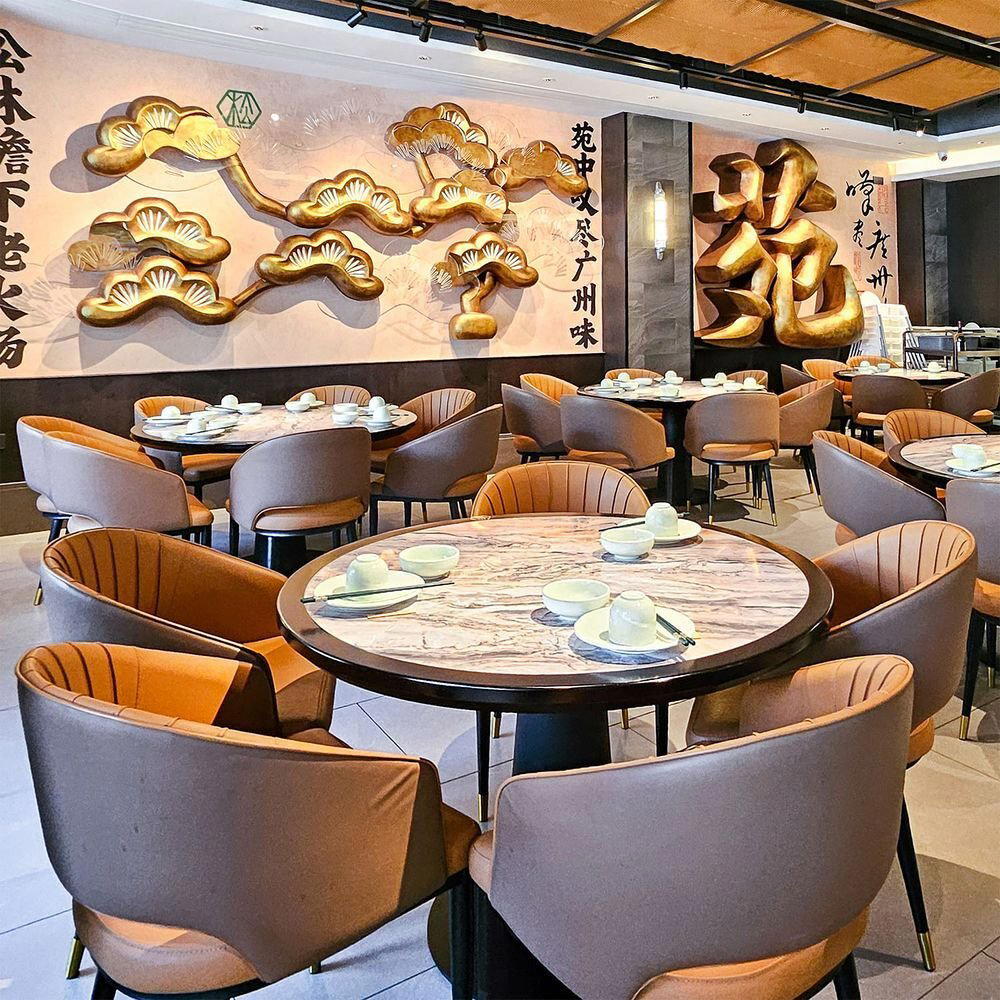
Bars in Guangzhou
Browse all →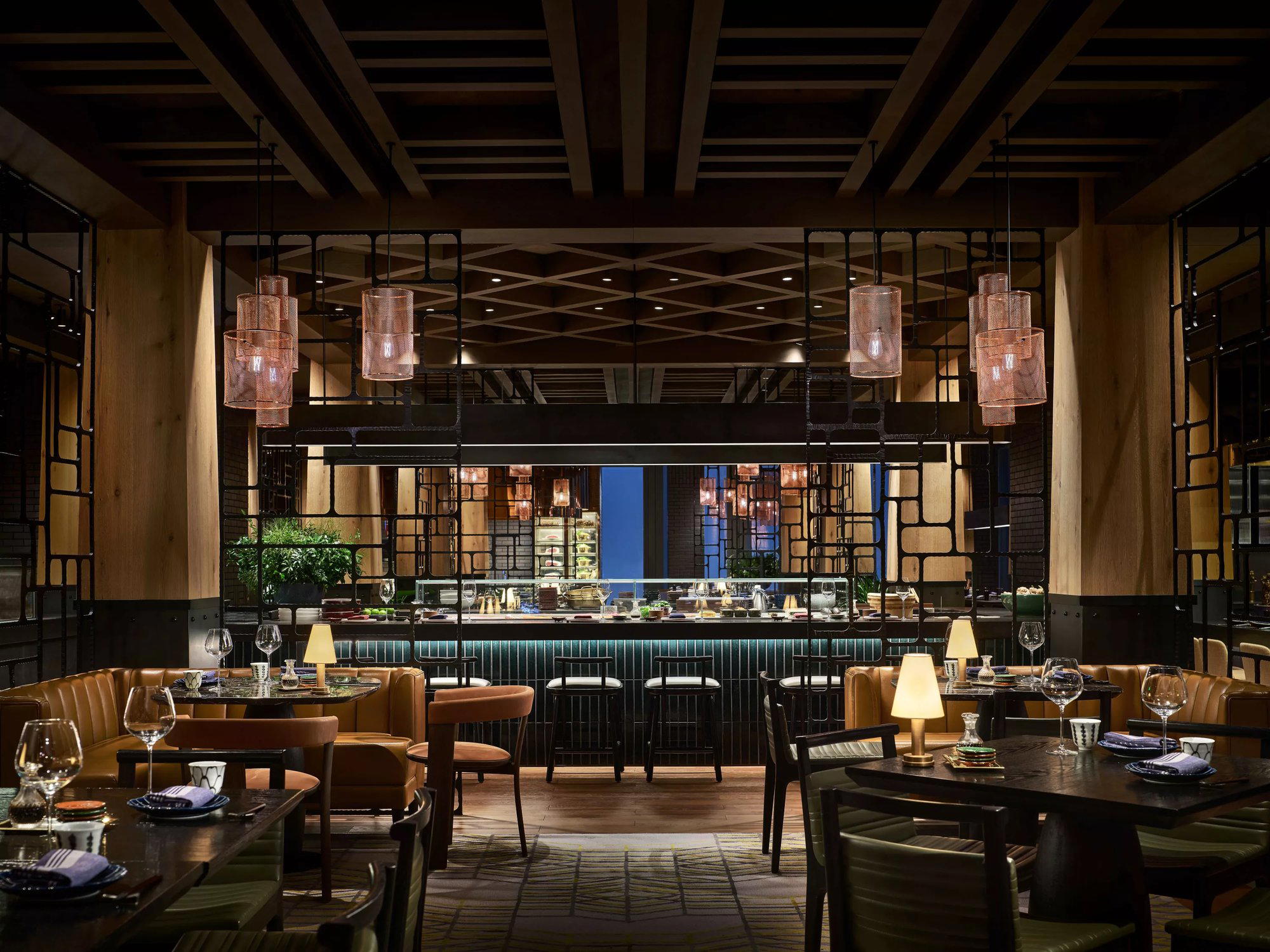
At a Glance
- Modern
- Elegant
- Industrial
- Group Dining
- Business Dinner
- Standalone
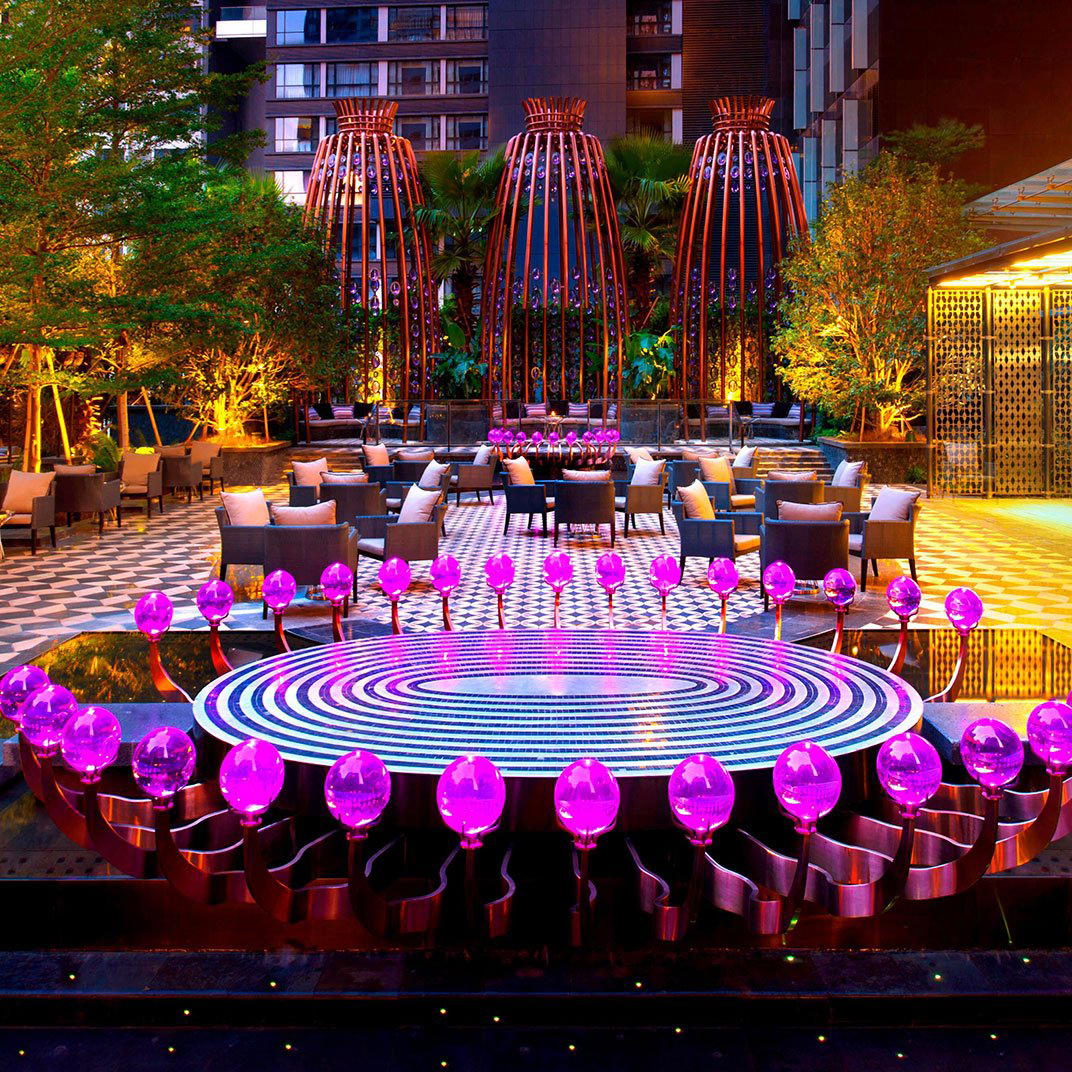
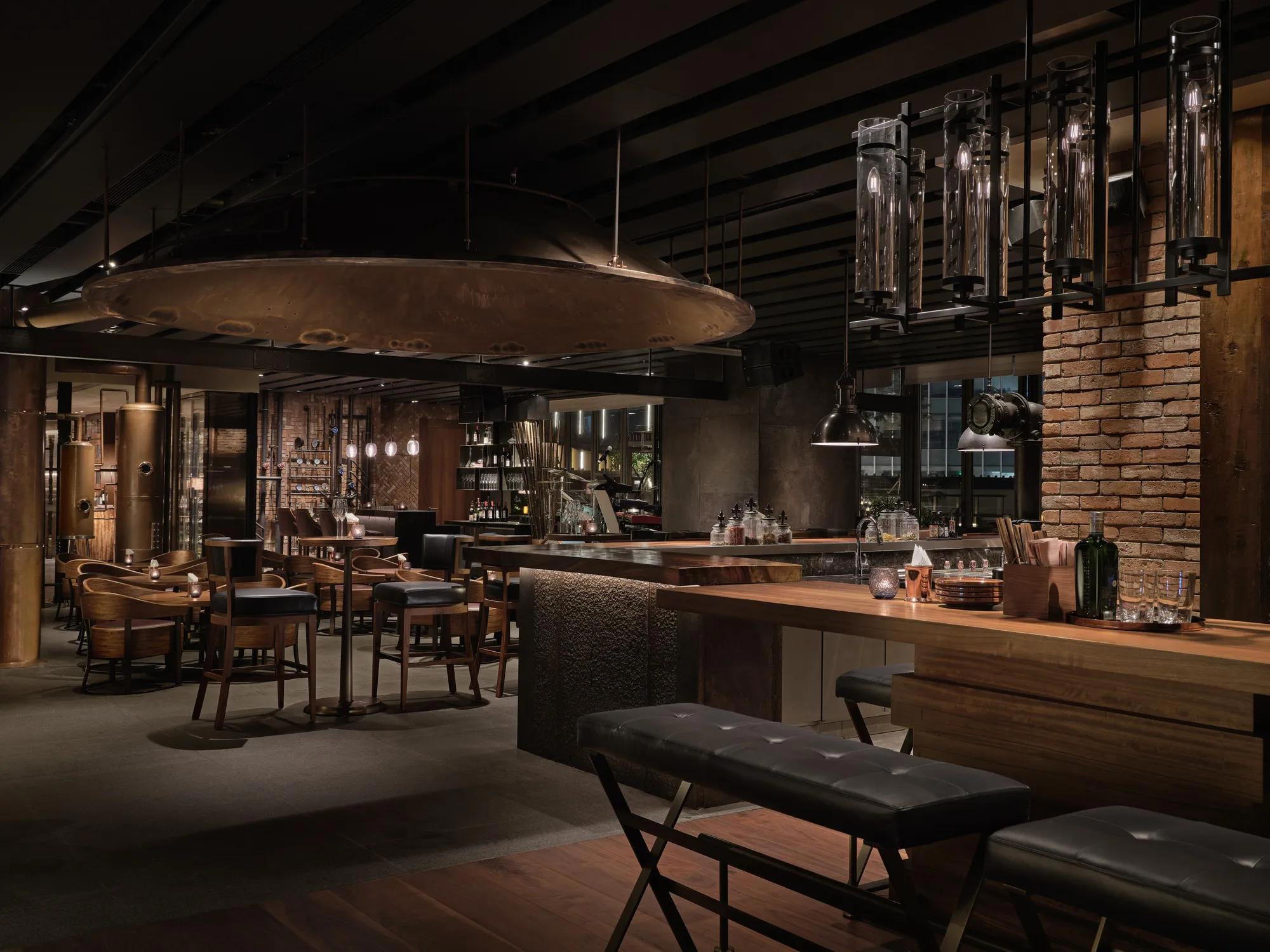
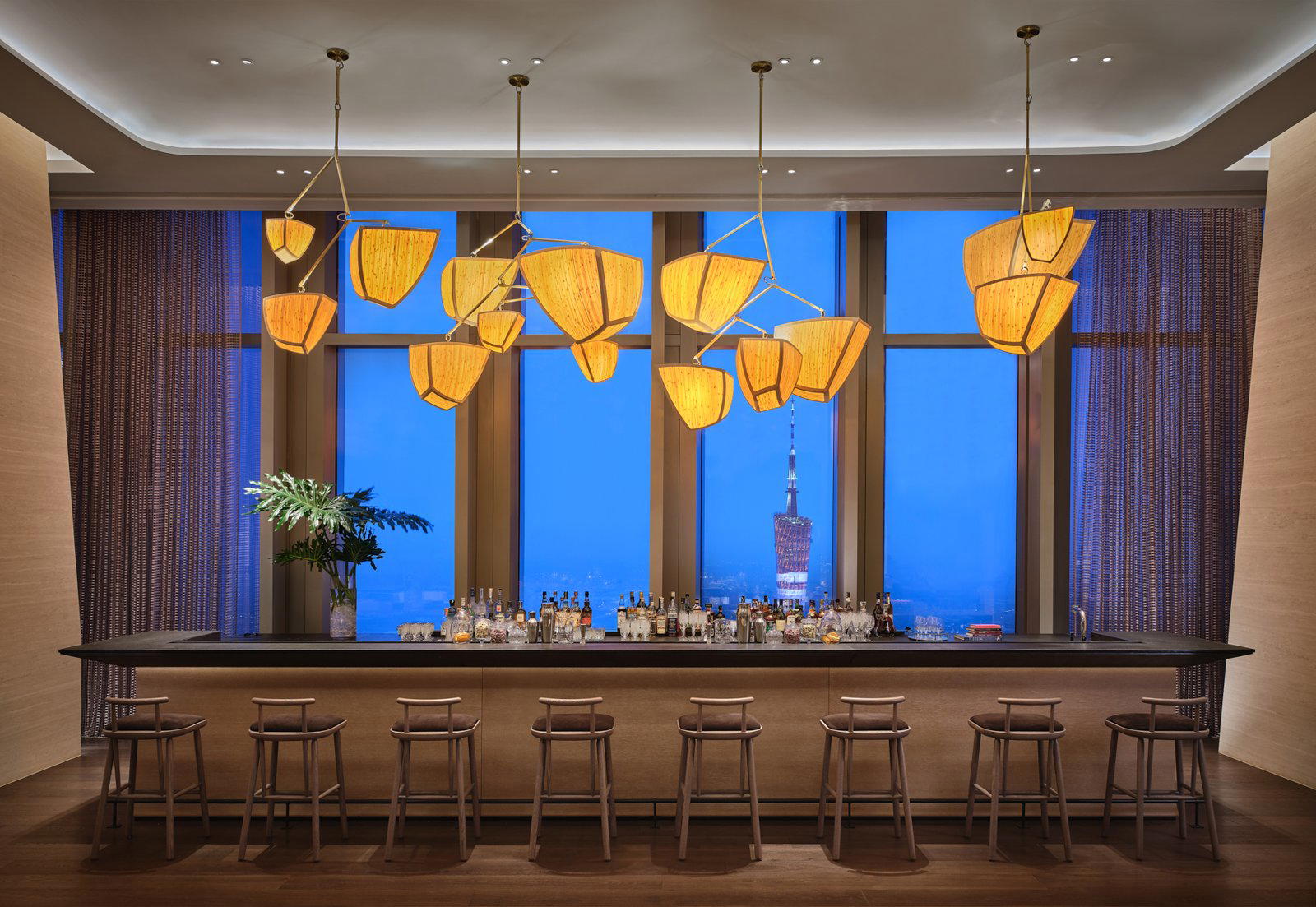
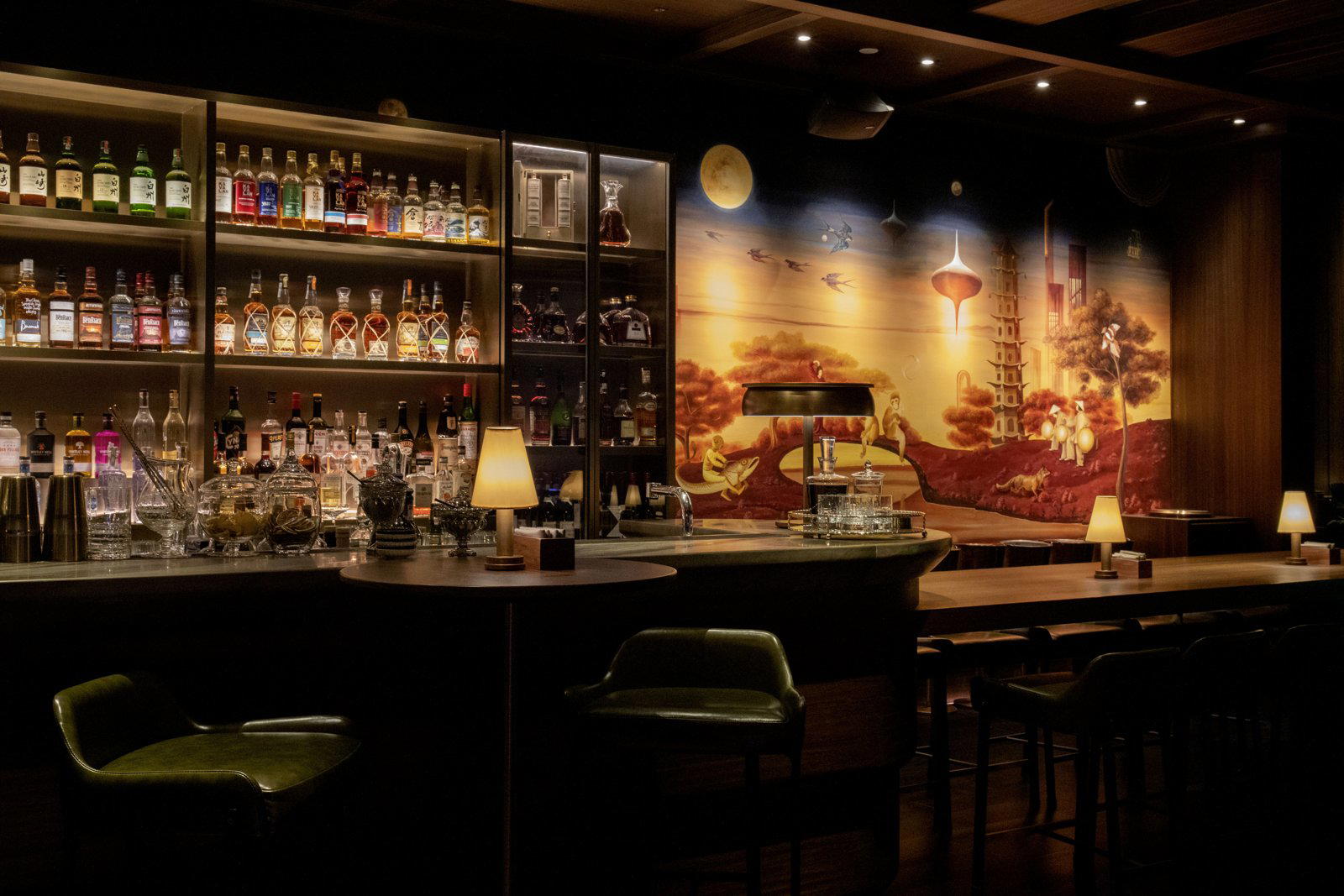
Modern industrial design with distinctive architectural elements including fluted glass and metal frames creating a striking visual presence.