
TSUMUGI Kitchen gives Nagoya’s yoshoku culture a compact, neighborhood-scale expression: Japanese-style Western cooking, hamburger steak and bistro cues in a 17-seat room near Imaike. Its Tabelog 100 Yoshoku EAST selection in 2025 and earlier 2023 recognition place it in a serious category without pushing it into formal dining territory.
Pearl is the En Primeur Club membership app — saves, bookings, and concierge access live there. Same editors, same standards.
- Address
- 愛知県名古屋市千種区仲田1-9-14
- Phone
- +81527534414
- Website
- tsumugi269.exblog.jp
 Saves & bookings on Pearl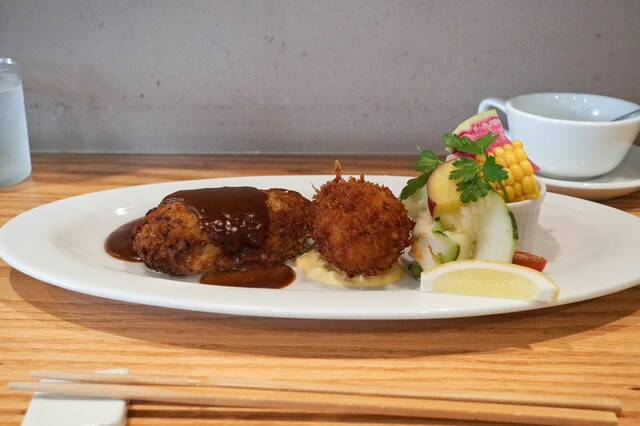
Approaching the Imaike side of Chikusa-ku, the mood shifts from station-front speed to Nagoya neighborhood dining: small rooms, low signage, meals built around regulars rather than spectacle. Here, yoshoku makes sense: Western food translated through Japanese appetite and routine, less imported authenticity than comfort, portion, sauce, rice and a room that can fill without turning theatrical.
TSUMUGI Kitchen fits that strain. Its category listing says yoshoku, hamburger steak and bistro, useful shorthand for modern Japanese Western cooking between family meal, lunch counter and small-restaurant craft. The recognition matters: selection for Tabelog 100 Yoshoku EAST in 2025, with prior Tabelog 100 Yoshoku recognition in 2023, places it among a narrow group of eastern Japan restaurants judged within this tradition, not against sushi counters, kaiseki rooms or French tasting menus.
Yoshoku in Nagoya works well when it stays close to daily appetite
Yoshoku has always been translation cuisine. Omurice, croquettes, hayashi rice, hamburger steak and cutlets entered Japan through Western influence, then settled into a domestic idiom: fork-and-knife ideas adapted to chopsticks, rice, demi-glace, set meals and lunch traffic. In Nagoya, better known nationally for miso-katsu, kishimen, hitsumabushi and coffee-shop breakfast culture, yoshoku occupies a quieter lane. It is not the headline cuisine visitors build itineraries around, but often shows how residents eat when they want a cooked plate rather than ceremony.
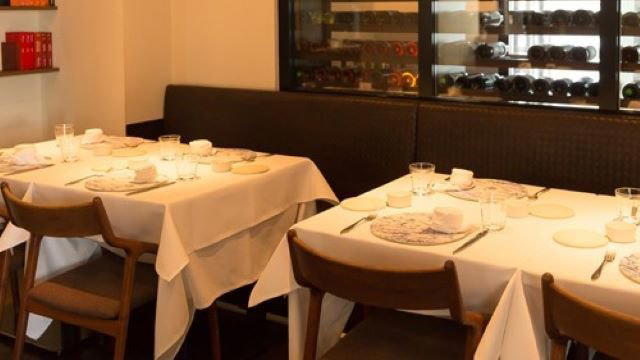
Scale matters. A 17-seat room changes the experience from casual utility to focused neighborhood dining. Counter seating adds proximity: guests can register the rhythm of a small kitchen, without the solemn omakase counter that dominates luxury dining talk in Japan. This is another kind of precision, resting on consistency, warmth, timing and the ability to make a familiar category feel handled rather than inflated.
The price band shapes the reading. Lunch sits at JPY 1,000 to JPY 1,999, while dinner is listed at JPY 2,000 to JPY 2,999. Beside Nagoya restaurants such as Mone, curicoro and Japanese cuisine Kashizuki, where dinner ranges can climb into five figures, TSUMUGI Kitchen occupies a more democratic tier. It is not competing with tasting-menu ambition, but with the harder standard of repeatability: can a small yoshoku room justify attention in a city full of efficient meals?
The room signals craft without turning dinner into performance
The listed facilities point to a stylish, relaxing space with counter seating, enough to show the intended register. Yoshoku can become nostalgic to the point of museum-piece sentiment, or so polished it loses the plainspoken pleasure that made the genre endure. The better middle ground respects the plate without forcing ceremony onto it. That is the editorial interest here: a restaurant built for attentive eating, not expense-account display.
Wine is listed as part of the drink offering, a small but telling cue. In a hamburger-steak and bistro-adjacent setting, wine moves the meal beyond a simple set-lunch frame without requiring a French-restaurant structure. It also reflects a broader Japanese pattern: categories once in family-restaurant or kissaten territory are being tightened by smaller independent operators, then evaluated with seriousness once reserved for higher-priced cuisines.
The non-smoking policy matters in a compact room. With only 17 seats, atmosphere is not abstract; smoke, sound, turnover and counter proximity all carry. A non-smoking dining room lets the food category and room rhythm do the work. Family-friendly use adds another dimension. Yoshoku is one of Japan’s great cross-generational cuisines, and a room that can serve friends, regulars and children without changing identity fits the tradition better than polished exclusivity.
For readers mapping Nagoya by category rather than checklist, TSUMUGI Kitchen sits naturally within the city’s independent dining circuit. Use Our full Nagoya restaurants guide for the wider table picture, then compare nearby editorial lanes through Our full Nagoya bars guide, Our full Nagoya hotels guide, Our full Nagoya wineries guide and Our full Nagoya experiences guide. Within the restaurant list, Nagoya references such as 1022, 451, Aaron, Alan. and All Day Dining Montmartre frame how varied the city’s mid-scale dining has become.
How to read its reputation
The useful way to assess this address is not chef mythology; no named chef narrative is needed to explain its position. The evidence is structural: yoshoku specialization, hamburger steak and bistro overlap, modest pricing, compact capacity, reservations available, and repeated appearance in a national category list dedicated to the cuisine. Those signals describe a restaurant valued for execution inside a familiar genre rather than novelty.
That distinction matters for travelers. Japan’s restaurant culture rewards narrow focus, and yoshoku is often strongest when it looks ordinary at first glance. A small Nagoya room selected for Tabelog’s yoshoku list tells the informed diner to watch proportion, sauce work, doneness, service tempo and how the meal fits the day. It is low-drama, but not casual.
For broader Japan dining context, useful contrasts sit outside Nagoya too: -Grilled beef Sukiyaki- KAMAKURA TANUKIAN 鎌倉 たぬき庵 in Kamakura. 鮪と炭火焼き うお炭 秋葉原店 in Tokyo.cafe in Osaka.know in Kumamoto, (Shoku) Vietnam in Kawasaki and [Curry Senmon Ten] Maruyama Kyoju. in Sapporo show how specialized Japanese restaurants build authority through category discipline rather than luxury codes. Even overseas Japanese-adjacent references such as Jōdo Saké Bar in Los Angeles and Onigiri Time in Pasadena underline the same point: format clarity is often the real marker of confidence.
The verdict is simple: come for yoshoku as a living Nagoya meal, not a retro curiosity. The restaurant’s reputation rests on making familiar cuisine worthy of attention at everyday prices, in a room small enough that execution cannot hide behind scale.
Fast Comparison
Comparable venues by cuisine and price in the same metro.
| Venue | Cuisine | Price | Notes |
|---|---|---|---|
| TSUMUGI KitchenThis venue — the venue you are viewing | Yoshoku / Japanese-Style Western Cuisine | $$ | Not listed |
| Tonkatsu Tsuchimoto | Aged Premium Pork Tonkatsu | $$ | Chikusa |
| Tokugawa Cho Buta Fuku | Traditional Tonkatsu (Pork Cutlet) | $$ | Higashi |
| Izakaya Ooedo | Creative Japanese Izakaya & Kushi-age | $$ | Naka |
| SUSURU Fushimi hanare | Chicken paitan ramen & Chinese-style small plates | $$ | Naka |
| 眞善美 | japanese | Not listed | Higashi |
Recognition history
Dated appearances from independent guides and award organizations, with the underlying list record or original source where available.
Tabelog 100 #32 · No. 32
Tabelog · Tabelog 100 - Yoshoku - EAST - 2025
Continue exploring
More in Nagoya
Restaurants in Nagoya
Browse all →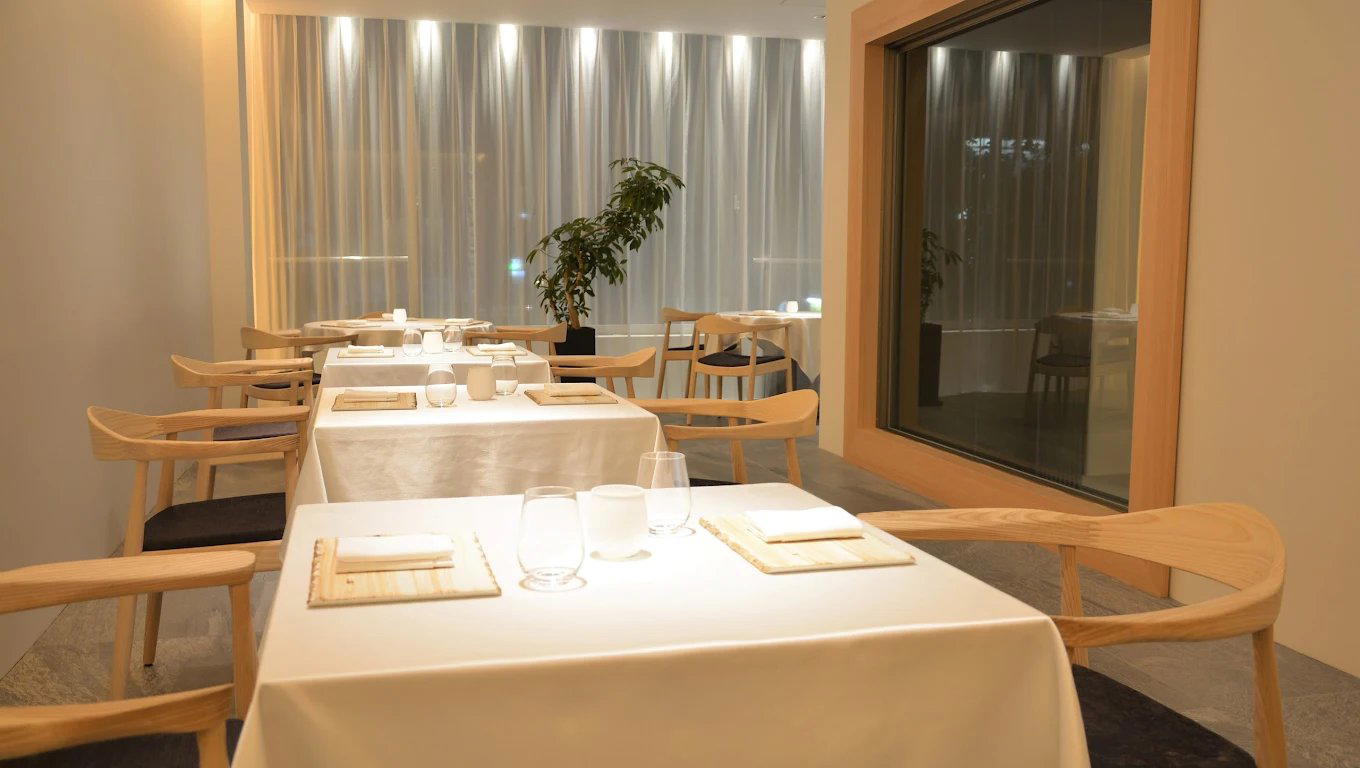

At a Glance
- Cozy
- Classic
- Family
- Casual Hangout
- Solo
- Standalone
Casual, cozy, and neighborhood-oriented, with the feel of a small local restaurant rather than a formal dining room.