
Tabelog 100
Our verdict
Tsukiji places Kyoto’s kissaten culture in a central Kawaramachi setting, where the value is measured less by spectacle than by time, quiet pacing, and an old-school coffee-shop format. Its selection for Tabelog 100 - Kissaten - 2022 gives it a credential inside a category that rewards consistency over novelty.

Pearl is the En Primeur Club membership app — saves, bookings, and concierge access live there. Same editors, same standards.
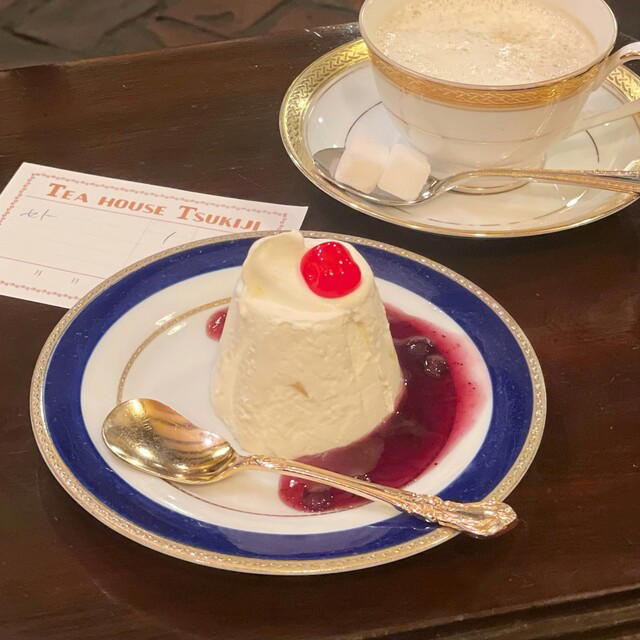
Kyoto’s coffee-shop tradition is at its strongest when the room slows the city down. In Kyoto, where shopping, walking, and dining plans often compress into a small radius, the kissaten offers a different rhythm: tables held for conversation, coffee treated as a pause rather than a takeaway, and a menu style that belongs to Japan’s postwar café culture more than to the global specialty-coffee circuit. Tsukiji belongs to that lineage, and its appeal is clearest when read as part of Kyoto’s lower-key daytime dining culture rather than as a restaurant built around chef celebrity.
That matters because Kyoto can push visitors toward high-ceremony meals: kaiseki rooms, counter sushi, tempura courses, beef restaurants with reservation choreography. The kissaten sits at the other end of the spending spectrum, but not at the bottom of the city’s cultural hierarchy. A good coffee shop in Kyoto buys the traveler time, shelter, and local texture for a fraction of what a formal meal demands. The format rewards patience. It is where a day can reset between temple walks, shopping streets, and the evening’s harder booking.
Kyoto kissaten value is about time, not table theatre
The useful comparison in Kyoto is not between cafés and fine dining, but between different forms of control. A counter restaurant controls the sequence; a kissaten controls the tempo. In that sense, Tsukiji offers a concise case for why Japan’s old coffee shops remain relevant in 2026. The room is not selling novelty or chef authorship. It is selling a defined social function: a pause with enough structure to feel intentional and enough informality to avoid ceremony.
The Tabelog 100 - Kissaten - 2022 selection gives the place a public marker inside a category that can otherwise be hard for visitors to read. Kissaten culture is not always legible from the street. Some rooms are beloved for regulars, some for architecture, some for sweets, some for coffee, and many do not explain themselves in English. A Tabelog 100 selection narrows the field without turning the experience into a trophy hunt. It signals that this is part of a recognized Japanese coffee-shop canon, not simply a convenient stop in Kyoto.
Value here should be judged against what Kyoto usually charges for atmosphere. At formal restaurants such as Niku Ryori Arakawa, the spend reflects a different dining contract: service and a meal built as an event. At Kyoto’s established Japanese rooms, including 菊乃井 露庵 and Kiyamachi Ran, the value equation tilts toward seasonality, technique, and reservation planning. A kissaten asks a smaller commitment and gives a different return: a local room, a slower hour, and a format that can fit between larger plans without flattening the day into transit and meals.
The Kyoto advantage: old-fashioned, low-friction
Kyoto is one of Japan’s most practical dining cities because it connects several versions of travel at once. Shopping, cultural visits, local errands, and evening meals can sit together in a single day. In that setting, a classic coffee shop carries more weight than it would in a quieter residential pocket. It becomes a hinge between itineraries rather than a destination that consumes the day.
That practical setting also changes the way to use it. The strongest case is not to build a day around a single cup of coffee, but to place it between higher-pressure moments. Kyoto rewards pacing: too many temple transfers, department-store basements, and fixed dinner times can make the city feel like a checklist. A kissaten stop in Kyoto softens that pattern. The cultural return is modest in scale but high in usefulness, especially for travelers who want a local register before a more formal evening.
Payment, ordering, and house policies in older Japanese coffee shops can differ sharply from international café expectations, and this category is better approached with flexibility than assumptions. The broader lesson is simple: Kyoto’s everyday institutions often operate by house rules rather than hospitality-school uniformity. That is part of the value, provided the traveler treats the format as a local custom instead of expecting global café standardization.
How it fits into a sharper Kyoto itinerary
Tsukiji makes the most sense as one piece of a Kyoto food day, not as the headline act. Pair the kissaten rhythm with a more structured restaurant later, or use it to create contrast after a cultural, shopping-heavy, or walking-heavy morning. For a broader view of the city’s dining range, Our full Kyoto restaurants guide is the stronger planning frame, especially when balancing casual daytime stops with harder evening tables.
Citywide references help define the range. Other Kyoto dining rooms each point to a different use case: quick comfort, modern cooking, international influence, and older snack traditions. The point is not to rank them against a kissaten, but to understand how Kyoto’s day can move between small formats without losing shape.
For travelers building a longer stay, food is only one layer. Our full Kyoto hotels guide, Our full Kyoto bars guide, Our full Kyoto wineries guide, and Our full Kyoto experiences guide help separate the city’s practical geography from its cultural pacing. That distinction matters in Kyoto, where a good day often depends less on distance than on avoiding too many fixed points.
Japan’s casual dining map also puts Kyoto’s kissaten culture in wider relief. Compare it generically with other casual dining rooms across Japan, where coffee shops, curry counters, snack stops, and everyday restaurants each carry different local habits. Abroad, Japanese formats take another turn through overseas interpretations. Against that wider field, the Kyoto kissaten remains valuable because it is specific, compact, and resistant to overproduction.
Frequently asked questions
What's Tsukiji's location?
Kyoto.
When can I go to Tsukiji?
Specific public hours for Tsukiji are not provided here, so check the venue’s official channels before going.
What's the price range at Tsukiji?
Pricing at Tsukiji is listed as JPY 1,000 - JPY 1,999 JPY 1,000 - JPY 1,999 View spending breakdown.
What makes Tsukiji worth seeking out?
Tsukiji has a concrete credential: it was selected for Tabelog 100 Kissaten in 2022. It is a Kyoto kissa with a listed Tabelog score of 3.64 and a listed budget of Dinner: JPY 1,000 - JPY 1,999; Lunch: JPY 1,000 - JPY 1,999.
Is Tsukiji allergy-friendly?
No allergy protocol is listed in the provided public record, so specific accommodation cannot be assumed. Check the venue's official channels for the latest details.
Reputation First
Comparable venues at a glance for context.
| Venue | Cuisine | Price | Awards | Notes |
|---|---|---|---|---|
| TsukijiThis venue (the venue you are viewing) | Traditional Japanese Kissaten / Coffee Shop | $1–10 | Tabelog 100 | Not listed |
| RUFF | Bakery Cafe | $10–20 | Tabelog 100 #1 | Nakagyō |
| Croa | Artisanal Bakery | $1–10 | Tabelog 100 #42 | Kita |
| Cafe Verdi | Coffee Shop / Cafe | Not listed | Tabelog 100 #54 | Sakyō |
| eight | Artisanal Bakery & Western-style Sweets | $1–10 | Tabelog 100 #92 | Fushimi |
| Salon de the FRANCOIS | Historic Kyoto kissaten & classic café | $10–20 | Tabelog 100 | Shimogyō |
Recognition history
Dated appearances from independent guides and award organizations, with the underlying list record or original source where available.
Tabelog 100
Tabelog · Tabelog 100 - Kissaten - 2026
Full recognition history (2 entries)
Tabelog 100 #52 · No. 52
Tabelog · Tabelog 100 - Kissaten - 2022
Continue exploring
More in Kyoto
Restaurants in Kyoto
All restaurants in Kyoto →
Bars in Kyoto
All bars in Kyoto →
Hotels in Kyoto
All hotels in Kyoto →
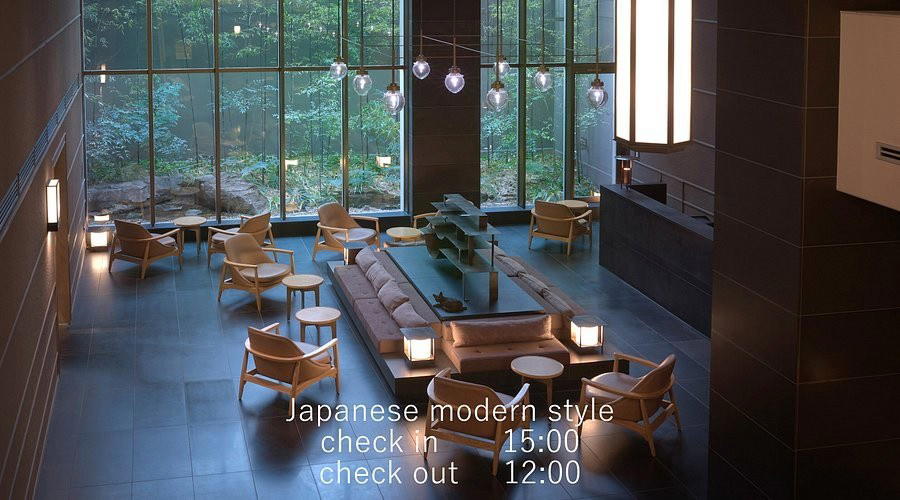
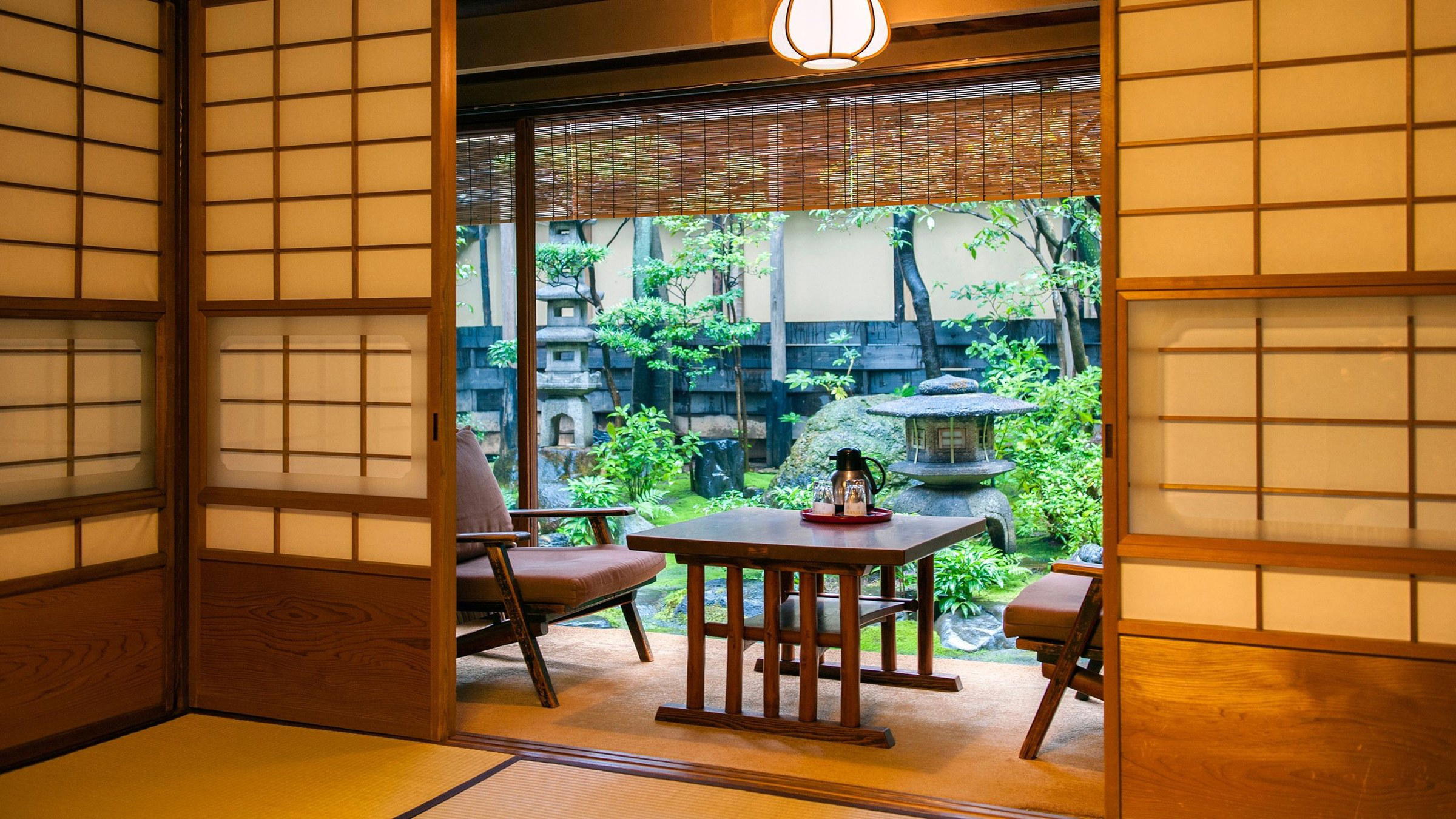
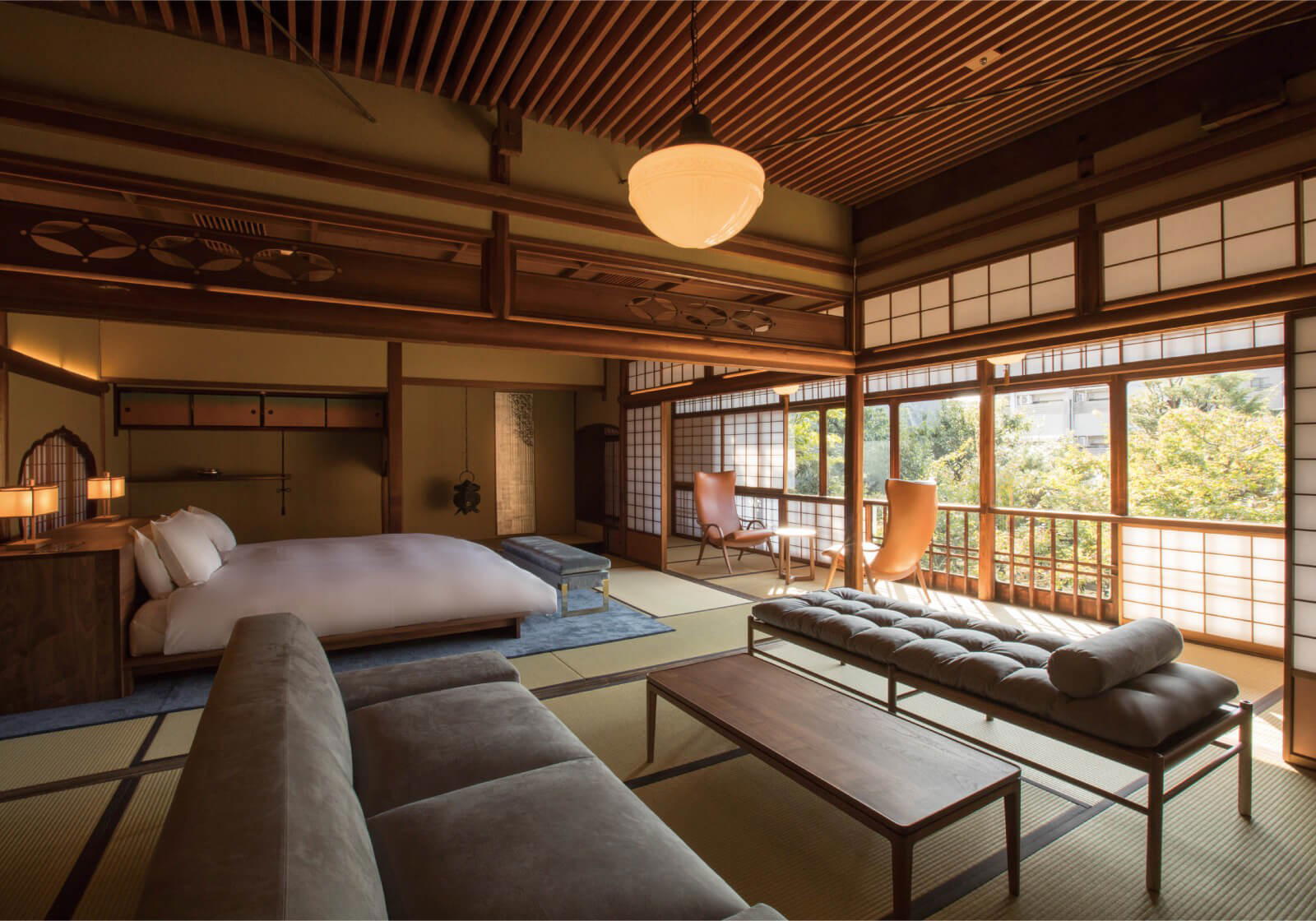
Wineries in Kyoto
Browse all →
Details
- Classic
- Elegant
- Quiet
- Cozy
- Solo
- Casual Hangout
- Brunch
- Standalone
- Historic Building
- Street Scene
- A La Carte
- Coffee
Current opening hours
- Monday
- 11 AM–5 PM
- Tuesday
- 11 AM–5 PM
- Wednesday
- 11 AM–5 PM
- Thursday
- 11 AM–5 PM
- Friday
- 11 AM–5 PM
- Saturday
- 11 AM–5 PM
- Sunday
- 11 AM–5 PM
Hours can change for holidays and private events. Last verified .
Retro and refined, with an antique-heavy, substantial décor that creates an elegant old-school coffeehouse atmosphere suitable for a slow, quiet break.