Tsarskaya Okhota sits on Rublevo-Uspenskoye Shosse in Zhukovka, the address alone placing it squarely inside the Rublyovka corridor where Moscow's premium dining gravitates toward estate-scale settings and game-forward Russian cooking. The name translates to 'Tsarist Hunt,' a frame that signals both the sourcing philosophy and the register of the room. For anyone mapping serious Russian cuisine beyond the Garden Ring, this is a relevant stop.
Pearl is the En Primeur Club membership app — saves, bookings, and concierge access live there. Same editors, same standards.
- Address
- Rublevo-Uspenskoye Shosse, 186, Zhukovka, Moscow Oblast, Russia, 143082
- Phone
- +74956357982
- Website
- novikovgroup.ru
- Directions
- Get directions
 Saves & bookings on Pearl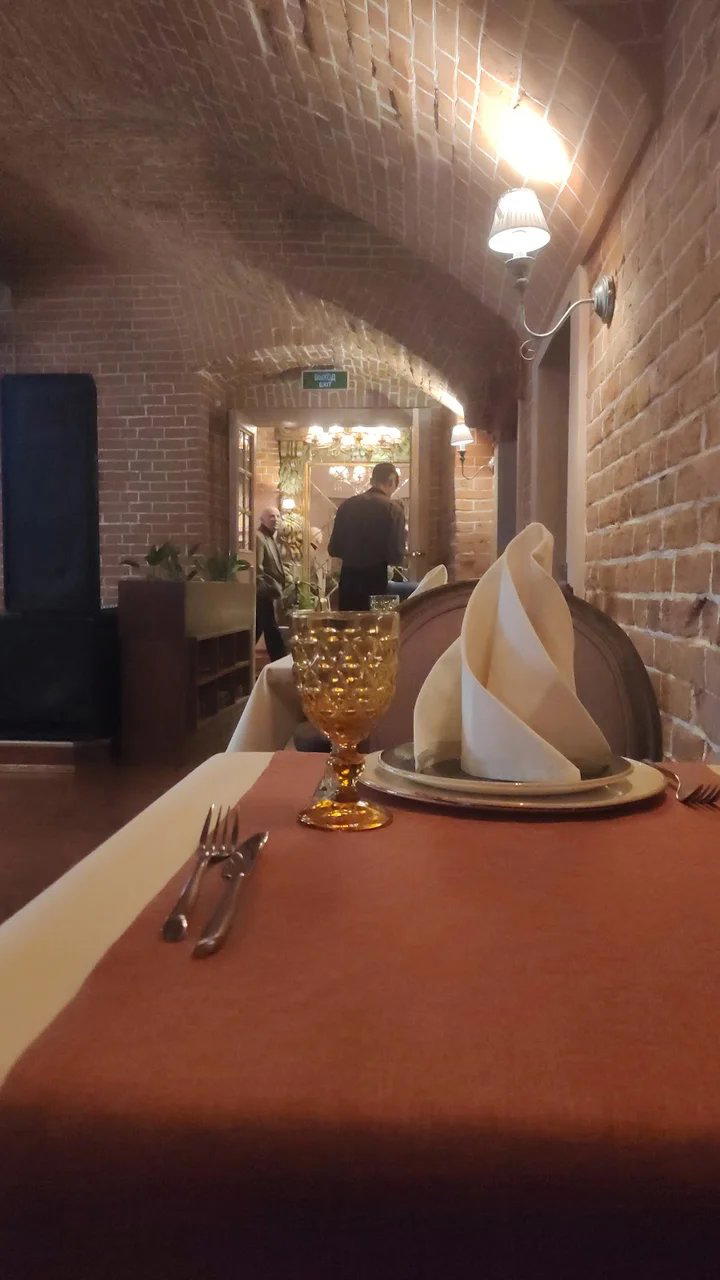
The Rublyovka Corridor and What It Demands of a Restaurant
The stretch of Rublevo-Uspenskoye Shosse running through Zhukovka and into Barvikha operates as its own dining ecosystem, distinct from Moscow's city-centre restaurant scene in both clientele and expectation. Properties here serve a residential population that has largely opted out of urban density, and the restaurants that survive along this corridor tend to reflect that: larger footprints, more elaborate settings, and menus that lean into the kind of sourcing narratives that justify a drive out of the city rather than a short metro ride. Tsarskaya Okhota is a Traditional Russian restaurant at Rublevo-Uspenskoye Shosse, 186, Zhukovka, Moscow Oblast, with. It sits precisely in that context.
A Name That Sets Expectations
Tsarskaya Okhota translates directly as 'Tsarist Hunt,' and in Russia that phrase carries specific culinary weight. The imperial hunting tradition was never purely recreational: it was bound up with a culture of provisioning, of sourcing game from managed estates, of presenting wild protein as an expression of territorial abundance. Restaurants that invoke this register are making an argument about ingredient origin before a single dish arrives. The name positions the kitchen as one oriented around game, forest produce, and the kind of sourcing geography that connects a plate to a specific landscape rather than a wholesale market. That framing places Tsarskaya Okhota in a distinct tier of Russian dining, one that competes less with urban bistros and more with estate restaurants where the sourcing story is the primary editorial proposition.
Ingredient Sourcing as the Central Argument
Across Russia's higher-end restaurant scene, the post-2014 turn toward domestic sourcing reshaped menus considerably. What began as a response to import restrictions became, in the hands of the more ambitious kitchens, a genuine re-engagement with Russian ingredients: Altai venison, Siberian mushrooms, White Sea seafood, farm-raised bison from the Voronezh region. The hunting-themed format is a natural vehicle for this shift, because it foregrounds provenance by design. Where a modern European kitchen in central Moscow might treat Russian ingredients as one element among many, a restaurant structured around the hunt puts game and foraged produce at the centre of the proposition. This is the tradition the restaurant invokes, and it is a tradition with genuine culinary depth when executed with discipline. Comparable moves toward serious domestic sourcing can be seen in city-centre operations like Twins Garden in Moscow.
The Setting and What It Communicates
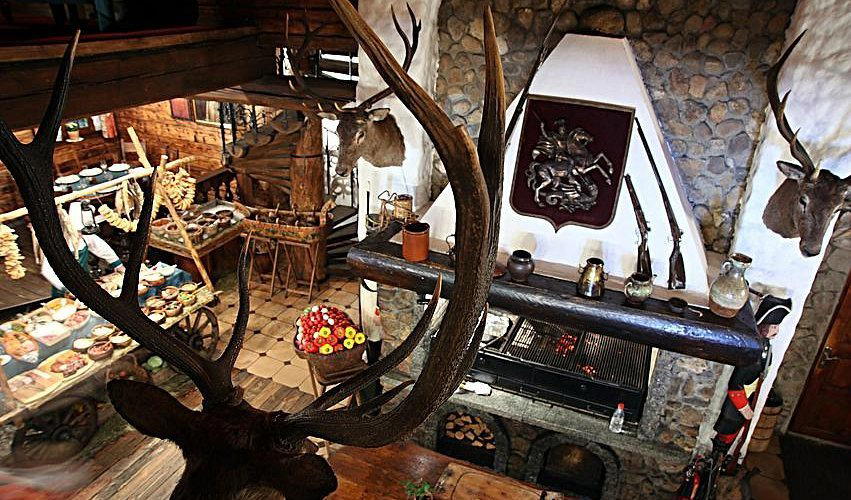
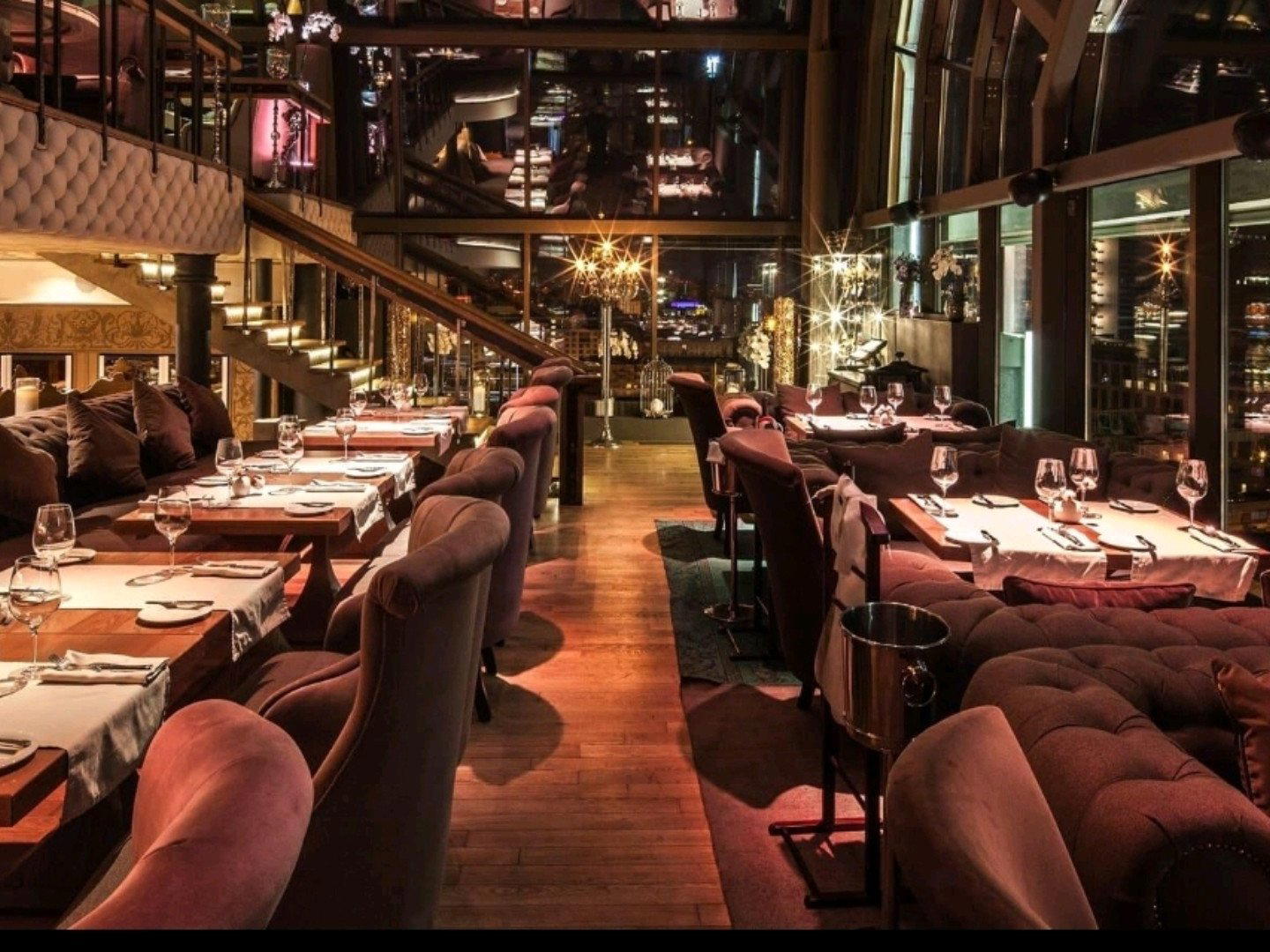
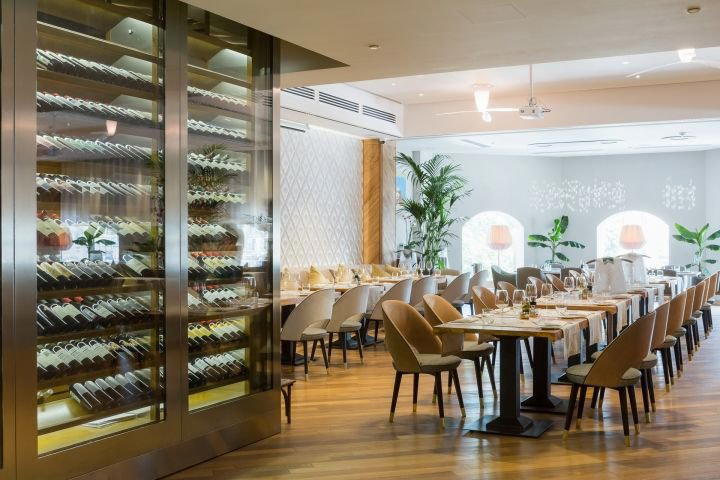
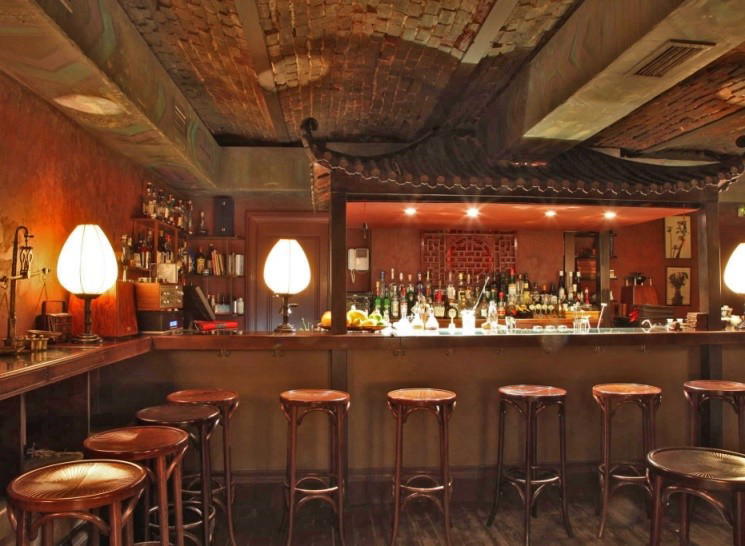
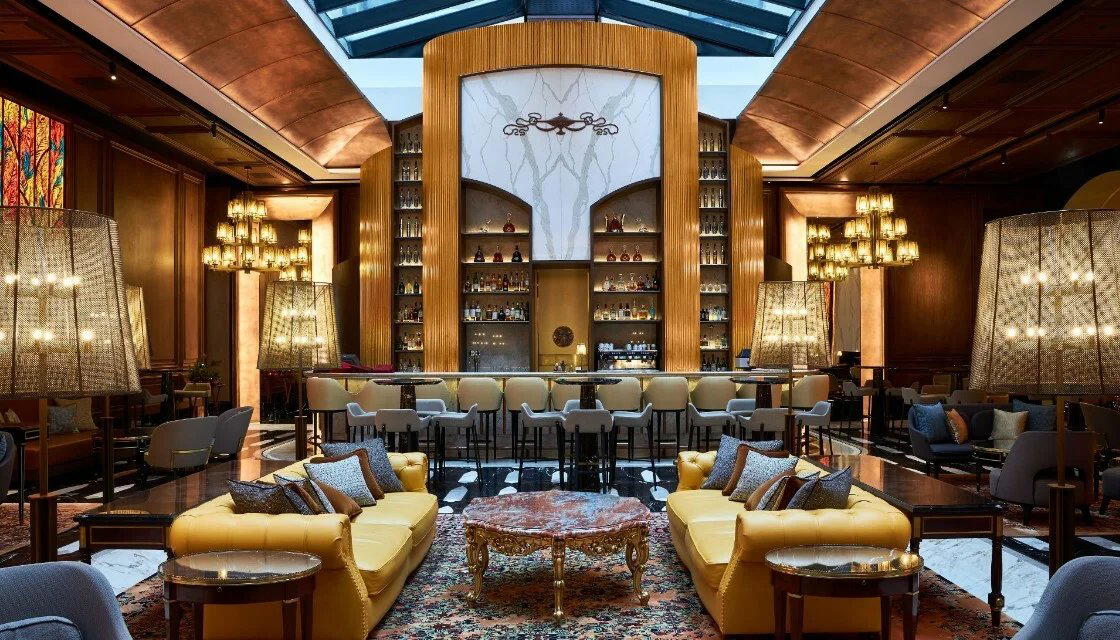
Estate-scale restaurants on the Rublyovka tend to invest heavily in physical environment as a signal of seriousness, and the hunting lodge idiom, when done with restraint, translates well to that format. Dark wood, natural materials, spaces that read as purposeful rather than decorative: these are the visual codes that accompany game-forward menus in the Russian tradition. The setting at the restaurant, positioned along the same corridor that serves Moscow region residential communities, would be expected to hold to those conventions. It is a different register from the compressed energy of, say, Cafe Pushkin in Moscow, which performs imperial nostalgia in a tight urban format. Out here, the space itself carries the argument.
Where This Sits in the Broader Russian Fine Dining Picture
Russian fine dining has fragmented into several distinct currents. The modernist wing, represented by restaurants like Twins Garden and White Rabbit, applies technique-forward thinking to domestic ingredients. The heritage wing, of which the restaurant is a clear example, treats the pre-Soviet culinary archive as a living reference, drawing on imperial and aristocratic traditions of game cookery, preservation, and estate provisioning. A third current, visible in places like 1913 in Saint Petersburg, blends historical framing with contemporary polish. Each approach makes a different argument about what Russian cuisine is and where it is going. The heritage format, at its most serious, is doing something genuinely difficult: reconstructing a culinary culture that was interrupted for most of the twentieth century.
Beyond the Moscow region, the diversity of Russian regional cooking is considerable. Alanskaya Kukhnya in Krasnodar works within the North Caucasian tradition, Khmeli Suneli in Yekaterinburg draws on Georgian influence in the Urals, and Kukhterin in Tomsk represents Siberian hospitality on its own terms. Against that regional breadth, the Rublyovka corridor's concentration of estate-format Russian restaurants reads as a specifically Muscovite phenomenon, shaped by proximity to wealth and a clientele with appetite for occasion dining.
Planning a Visit
The restaurant is located at Rublevo-Uspenskoye Shosse 186, in Zhukovka, Moscow Oblast. The address is approximately 20 kilometres west of central Moscow along the Rublevo-Uspenskoye highway, a route that runs through the Rublyovka corridor and requires a car or arranged transfer rather than public transport. Restaurants in this category and location typically operate on reservation, and arriving without prior contact is inadvisable. The restaurant operates daily from 12 to 10 PM, and reservations are recommended. Dress expectations at the restaurant are smart casual.
In Context: Similar Options
Comparable venues nearby, for context on price, style, and recognition.
| Venue | Cuisine | Price | Notes |
|---|---|---|---|
| Tsarskaya OkhotaThis venue — the venue you are viewing | Traditional Russian | $$$$ | Not listed |
| Гусятникоff - Gusiatnikoff | Traditional Russian Fine Dining | $$$$ | Moscow |
| Savva | Modern Russian Fine Dining | $$$$ | Tverskoy |
| Kazbek | Authentic Georgian | $$ | Presnensky |
| Olluco | Peruvian-Russian Fusion Fine Dining | $$$$ | Central Moscow |
| Cafe Pushkin (Кафе Пушкинъ) | Russian Noble Cuisine | $$$$ | Tverskoy |
At a Glance
- Classic
- Rustic
- Cozy
- Special Occasion
- Business Dinner
- Historic Building
Current opening hours
- Monday
- 12–10 PM
- Tuesday
- 12–10 PM
- Wednesday
- 12–10 PM
- Thursday
- 12–10 PM
- Friday
- 12–10 PM
- Saturday
- 12–10 PM
- Sunday
- 12–10 PM
Hours can change for holidays and private events. Last verified .
Cozy house with real Russian stove and elegant dining room featuring chandeliers.