True Chesapeake

Anchored in Baltimore's Clipper Mill complex, True Chesapeake works within a regional seafood tradition that runs deeper than crab cakes and Old Bay. The kitchen draws on the full range of Chesapeake estuary ingredients, framing them through a front-of-house and culinary collaboration that rewards guests who know what to ask for. A reference point for serious regional cooking in a city increasingly worth taking seriously at the table.
Pearl is the En Primeur Club membership app — saves, bookings, and concierge access live there. Same editors, same standards.
- Address
- 3300 Clipper Mill Rd Suite 400, Baltimore, MD 21211
- Phone
- +14109136374
- Website
- truechesapeake.com
- Directions
- Get directions
 Saves & bookings on Pearl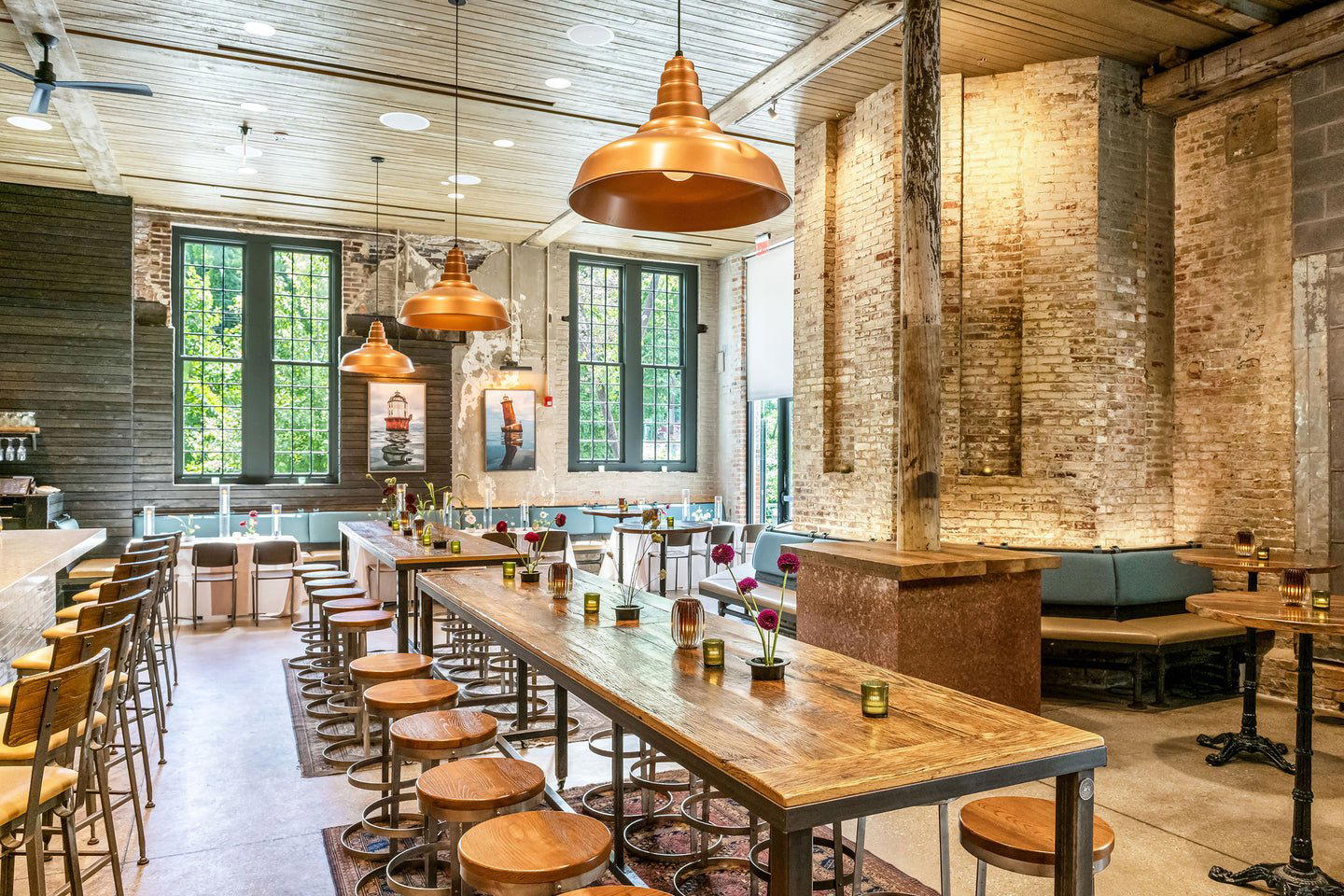
Clipper Mill and the Case for Serious Regional Cooking
Baltimore's restaurant scene has long been defined by its relationship with the water. The Chesapeake Bay estuary is one of the most productive on the East Coast, and the city's dining culture reflects that proximity, though not always with the rigor it deserves. For decades, the regional seafood tradition meant steamed crabs on brown paper and fried oyster sandwiches at waterfront bars. Those traditions hold genuine value, but a newer tier of Baltimore cooking has started asking what the Chesapeake can produce when handled with the same discipline applied at places like Le Bernardin in New York City or Providence in Los Angeles.
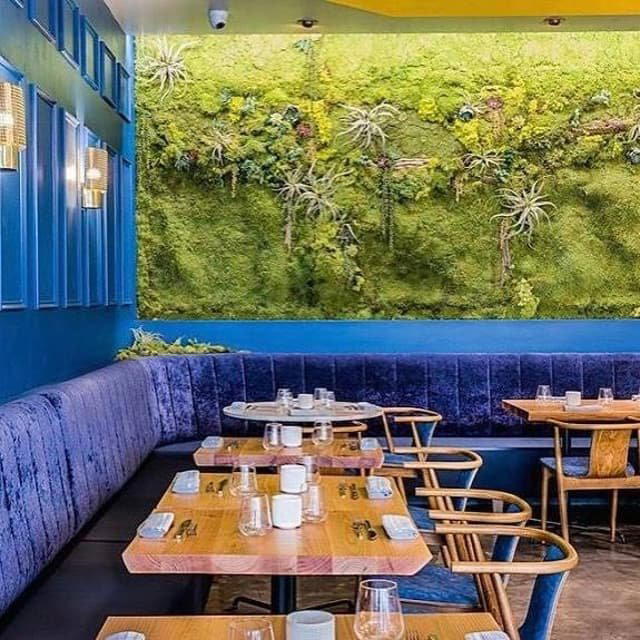
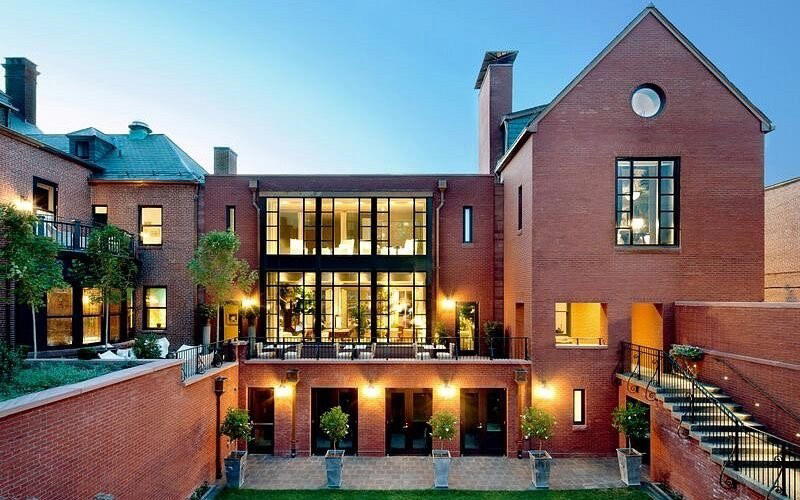
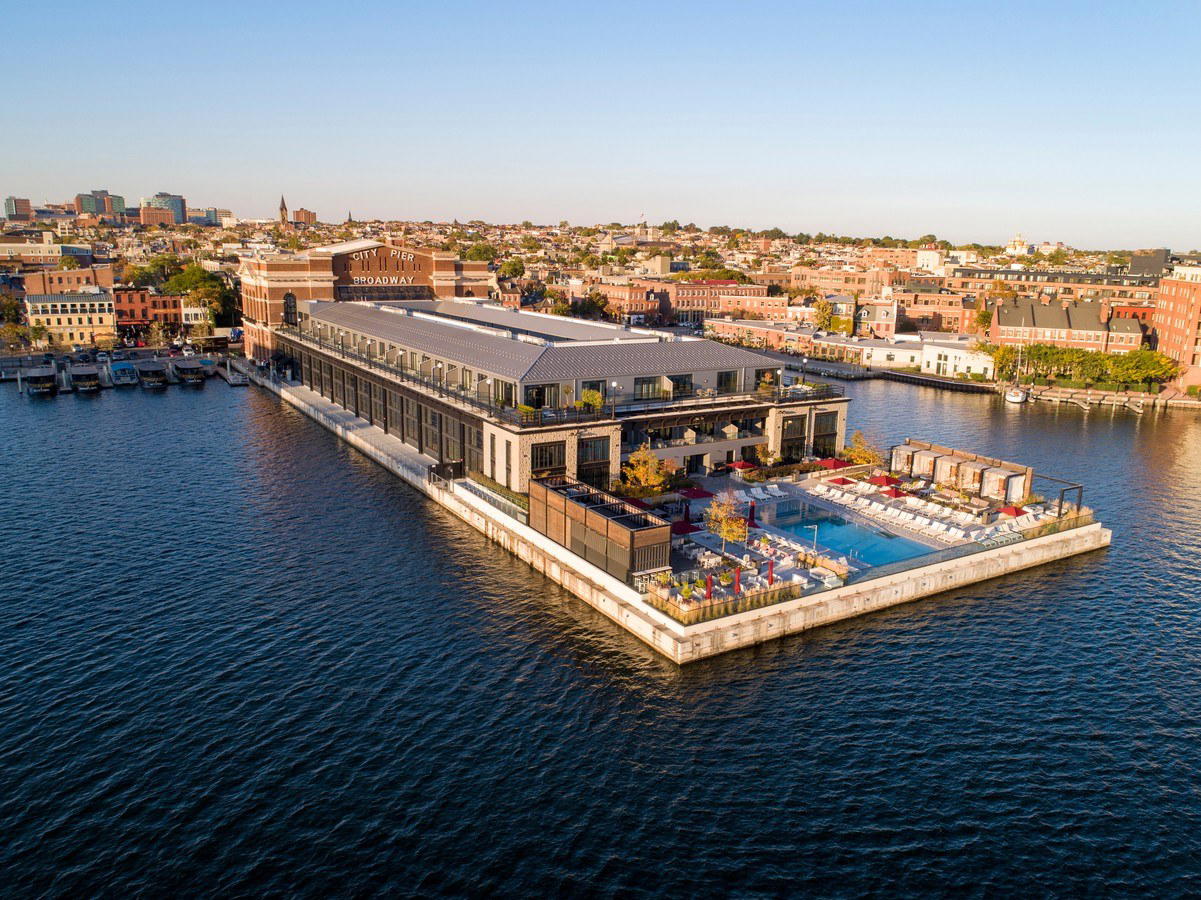
True Chesapeake operates from a converted mill complex at 3300 Clipper Mill Road, a post-industrial pocket of Baltimore that has drawn food and design businesses away from the Inner Harbor's more tourist-facing corridors. The building itself sets expectations before you've ordered anything: exposed brick, high ceilings, industrial bones softened by considered fit-out. These kinds of spaces have become a template in American mid-market dining, but Clipper Mill's relative remove from downtown Baltimore gives the address a different character, the kind of place you go because you've sought it out, not because you've wandered past it.
The Chesapeake Tradition and Where This Kitchen Sits
To understand what True Chesapeake is doing, it helps to understand the tradition it's working within and the gap it's trying to close. The Chesapeake estuary produces blue crabs, oysters, rockfish, soft-shell crabs, and a range of finfish that few American coastal regions can match in variety. The culinary problem has always been that the regional canon leaned heavily on a narrow set of preparations: the crab cake as totem, the steamed bushel as ritual, the fried platter as fallback. Restaurants that tried to reframe the estuary's ingredients often drifted toward generic New American territory, losing the regional specificity that made the project worth doing in the first place.
The more instructive comparison set isn't Baltimore's tourist seafood houses but the broader category of American restaurants that have built serious identities around hyper-regional sourcing. Blue Hill at Stone Barns in Tarrytown is the obvious national reference for farm-to-table rigor, but it operates at a price and formality point that most Baltimore diners won't benchmark against. More useful parallels are the mid-format regional specialists: places like Single Thread Farm in Healdsburg, where sourcing specificity becomes the editorial frame for everything on the plate. True Chesapeake's Clipper Mill address positions it in that conversation, at least in aspiration, even if Baltimore's market doesn't yet command the same price ceilings as Northern California.
Collaboration as Kitchen Logic
In American fine-casual dining, the most durable restaurants have tended to be those where the floor and the kitchen operate as a single interpretive unit rather than separate departments. The sommelier who can articulate why a particular oyster calls for a particular wine, the front-of-house lead who can describe a fish's provenance with the same fluency as the cook who fabricated it: this is the model that separates experiential restaurants from transactional ones. It's the logic behind the team structures at places like Lazy Bear in San Francisco and Atomix in New York City, where the guest experience is scripted across every touchpoint, not just the plate.
True Chesapeake's setup at Clipper Mill suggests an operation built around that same collaborative premise. The space and the address both signal a guest who is coming with intent, and the restaurant's positioning within Baltimore's more considered dining tier, alongside addresses like Cindy Wolf's Charleston and dede (Turkish), places it in a city cohort where the expectation is that the team knows the product and can guide the table through it. Baltimore's dining room culture has historically been more casual in this regard than Washington D.C. or New York, which makes the handful of restaurants that operate with genuine floor-to-kitchen coordination more notable by contrast.
Baltimore's Emerging Premium Tier
For context, Baltimore's restaurant scene has been in a slow but measurable upgrade cycle. The city's food culture was long overshadowed by Washington D.C. forty miles south, where the concentration of expense-account dining and internationally mobile population created demand for the kind of formal tasting-menu restaurants found at The Inn at Little Washington. Baltimore operates differently: it's a city with strong neighborhood eating cultures, a working-class food identity built around raw bars and pit beef, and a more recent layer of chef-driven casual restaurants that draw on both the city's immigrant communities and its waterfront resources.
The Clipper Mill corridor represents one node in that upgrade. Other parts of the city show similar patterns: 16 On The Park and Akbar each represent distinct facets of the city's broadening dining range, while Angeli's Pizzeria anchors the more casual end of the same quality-conscious cohort. What the city hasn't had in abundance is a restaurant that plants a flag specifically in the Chesapeake regional tradition and holds it there with the kind of sourcing discipline and service intelligence that would make it legible to guests coming from the tier of American dining represented by Alinea in Chicago or Addison in San Diego. True Chesapeake's ambition, if the address and positioning are reliable signals, is to occupy that gap. For a more complete picture of where this fits in the city's dining map, see our full Baltimore restaurants guide.
It's also worth noting that the regional seafood restaurant model has international precedents that raise the benchmark. The estuary-focused tasting menu is a format that serious kitchens from New Orleans, where Emeril's in New Orleans helped establish the template, to global addresses like 8 1/2 Otto e Mezzo Bombana (Hong Kong) in Hong Kong have proven can carry genuine ambition. The Chesapeake gives any kitchen working within it one of the more credible sourcing narratives in American food. What True Chesapeake does with that inheritance is the editorial question worth following.
Know Before You Go
Address: 3300 Clipper Mill Rd Suite 400, Baltimore, MD 21211
Neighbourhood: Clipper Mill, Baltimore
Parking: The Clipper Mill complex has on-site parking; street access is limited.
Getting There: The address is not walkable from downtown Baltimore. Drive or rideshare is the practical approach from most city hotels.
Price Range: Not confirmed in current records; verify at time of booking.
Further Reading: Our full Baltimore restaurants guide covers the broader dining scene.
Recognition history
Dated appearances from independent guides and award organizations, with the underlying list record or original source where available.
Wine Spectator Award of Excellence
Wine Spectator
Continue exploring
More in Baltimore
Restaurants in Baltimore
Browse all →
Bars in Baltimore
Browse all →

At a Glance
- Elegant
- Cozy
- Scenic
- Date Night
- Special Occasion
- Brunch
- Waterfront
- Historic Building
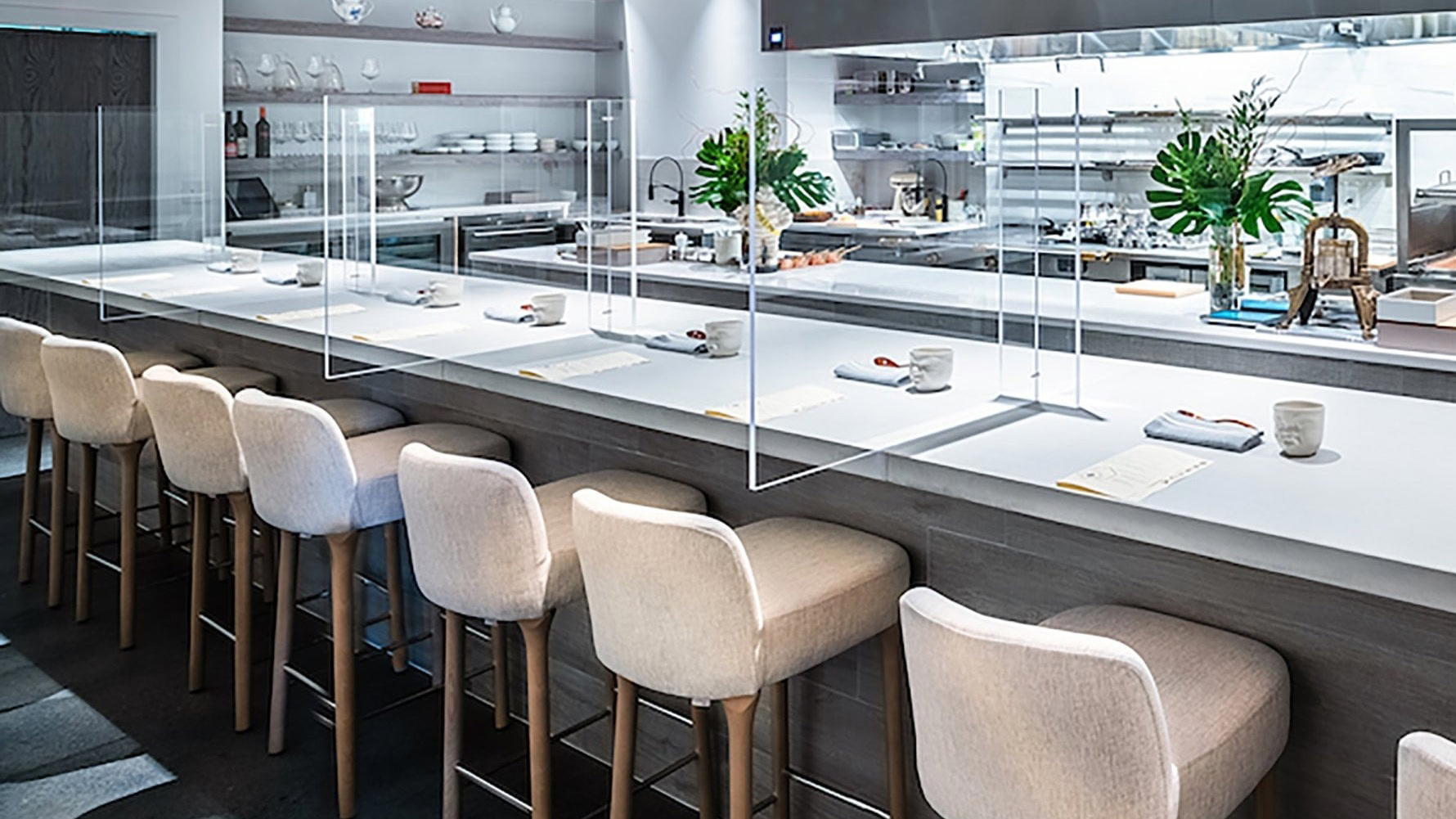
- Open Kitchen
- Extensive Wine List
- Craft Cocktails
- Local Sourcing
- Sustainable Seafood
- Waterfront
Current opening hours
- Monday
- Closed
- Tuesday
- 5–11 PM
- Wednesday
- 5–11 PM
- Thursday
- 5–11 PM
- Friday
- 5–11 PM
- Saturday
- 5–11 PM
- Sunday
- Closed
Hours can change for holidays and private events. Last verified .
Warm inviting atmosphere with lively bar, nice dining room in historic brick mill building along the water.
Know Before You Go
- Getting there
- 3300 Clipper Mill Rd Suite 400, Baltimore, MD 21211