Blackwall Hitch
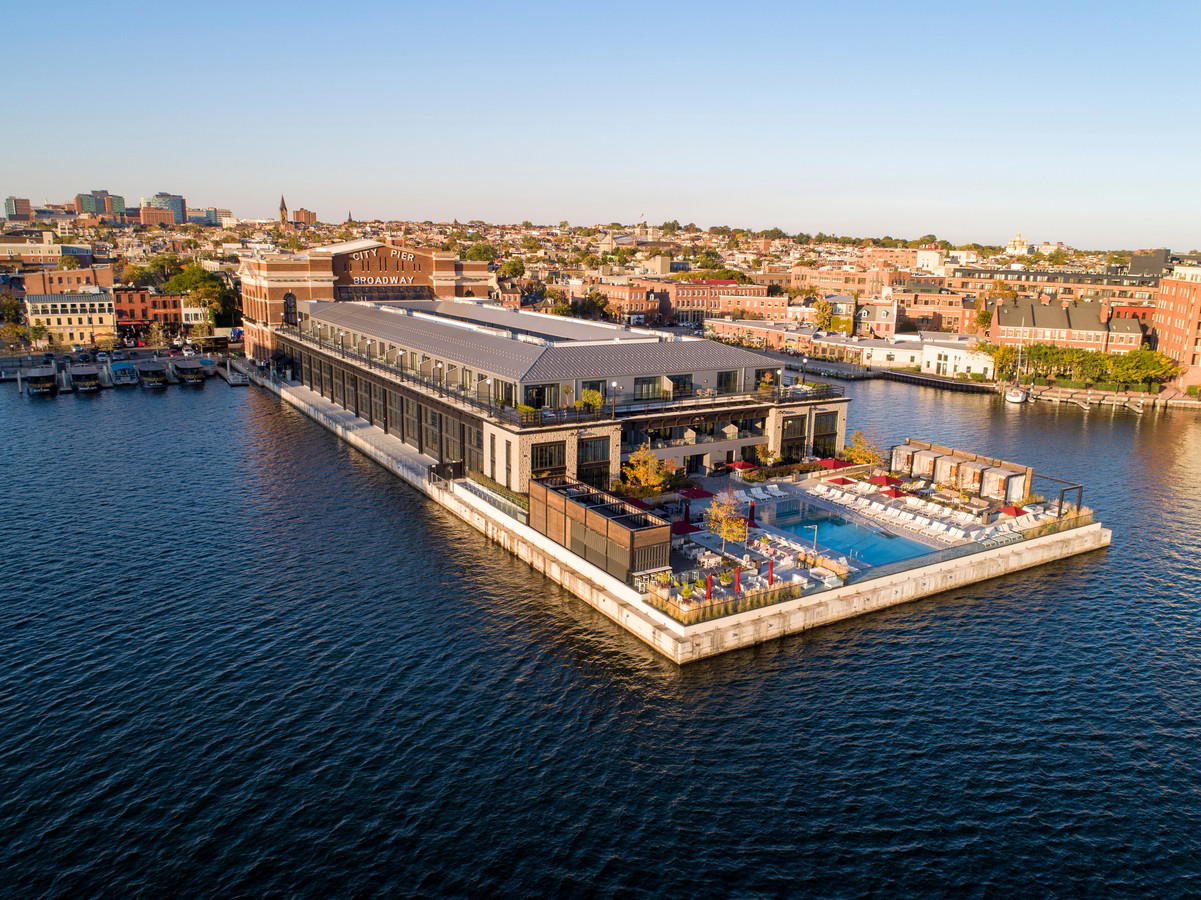
Positioned on Baltimore's Inner Harbor at 700 E Pratt Street, Blackwall Hitch occupies a waterfront address that has absorbed several identities over the years. The venue draws a cross-section of the neighborhood's evolving dining scene, from weekend walk-ins to weekday regulars looking for reliable harbor-side food and drink. It sits within easy reach of Baltimore's broader restaurant corridor, which now ranges from Turkish newcomers to long-standing seafood institutions.
Pearl is the En Primeur Club membership app — saves, bookings, and concierge access live there. Same editors, same standards.
- Address
- 700 E Pratt St, Baltimore, MD 21202
- Phone
- +14437597176
- Directions
- Get directions
 Saves & bookings on Pearl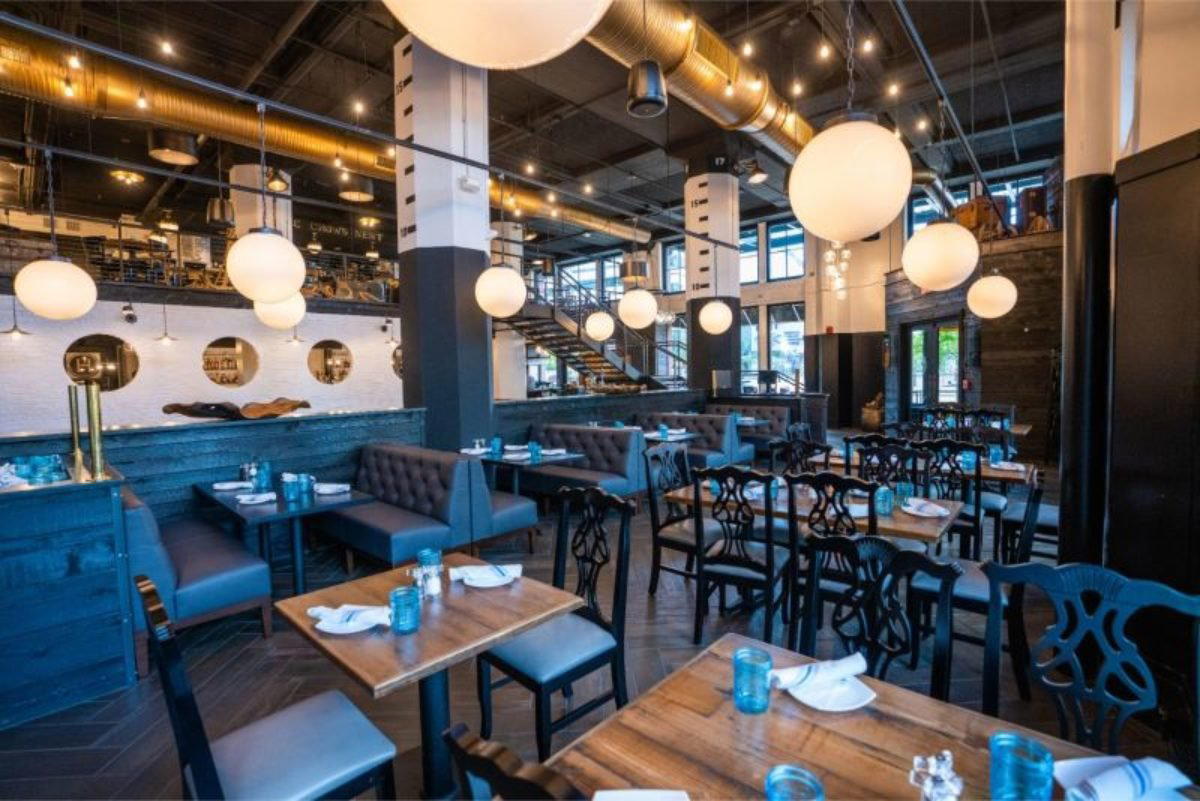
Baltimore's Inner Harbor has never been a single, stable dining proposition. Over the past two decades, the waterfront strip running along Pratt Street has cycled through tourist-facing chains, short-lived independents, and occasional genuine local investments. What survives on this stretch tends to be either deeply entrenched or adaptable enough to read shifting neighborhood demand. Blackwall Hitch, at 700 E Pratt Street, sits at the intersection of those two conditions, occupying a waterfront position that commands foot traffic from the harbor promenade while drawing on a local regular base that extends beyond the convention-and-hotel crowd.
The Inner Harbor address is both an asset and a constraint. It places a venue in front of visitors who may not return, which tends to push menus toward legibility and broad appeal. The more interesting story at venues like this is how they manage that tension over time: whether the tourist-facing format hardens into formula, or whether successive reinventions keep the operation relevant to the city's own dining conversation. That evolution, more than any single menu decision, is what defines the long-term character of a harbor-side address.
How the Format Has Shifted
Baltimore's waterfront dining has tracked a broader American pattern in which large-footprint bar-and-grill formats peaked in the mid-2000s and then came under pressure from two directions: the city's own improving restaurant scene pulling local diners inland, and post-pandemic foot traffic patterns that rewrote assumptions about who shows up on a Tuesday evening. Venues on the harbor that adapted tended to do so by sharpening their drink programs, leaning into waterfront-specific formats like outdoor terraces and summer seasonality, or repositioning their food offer to close the gap with the city's more food-forward neighborhoods.
That inland pull is worth noting in context. Baltimore's dining identity has become increasingly defined by neighborhoods like Fells Point, Station North, and Charles Village. Blackwall Hitch's appeal is better understood as a response to what the harbor specifically needs at a given moment: a place where the bar works as hard as the kitchen, where the terrace is a draw in season, and where the format is legible enough to absorb the variance in who walks through the door.
Baltimore's Waterfront in a National Frame
To understand what a harbor-side casual format means in 2024, it helps to place it against the national range. American dining has developed an extraordinary spread between tasting-menu destination restaurants and accessible neighborhood anchors. At the tasting-menu end, venues like Le Bernardin in New York City, The French Laundry in Napa, Smyth in Chicago, and Providence in Los Angeles operate with a level of technical and sourcing ambition that sets the ceiling for the category. Regionally, Addison in San Diego, Blue Hill at Stone Barns in Tarrytown, and Single Thread Farm in Healdsburg have each built propositions around place-specific sourcing that gives them a distinct identity within the tasting-menu tier. Further afield, Atelier Moessmer Norbert Niederkofler in Brunico and Atomix in New York City represent international and Korean-American fine dining at its most refined. Formats like Lazy Bear in San Francisco and Emeril's in New Orleans occupy the middle ground where personality and accessibility coexist with culinary seriousness.
None of that is directly relevant to what Blackwall Hitch is trying to do, but the comparison clarifies something useful: the waterfront casual format, done well, fills a gap that neither end of that spectrum addresses. It is where a visitor to the harbor on a Wednesday afternoon, or a group of local colleagues after a conference session at the convention center, finds a drink and a plate that works without requiring advance planning or a defined dining intention. That is a legitimate and genuinely difficult thing to execute consistently.
The Pratt Street Corridor and Who It Serves
The block around 700 E Pratt Street is high-traffic by Baltimore standards, sitting between the National Aquarium and the convention center complex. The demand profile shifts by day of week and season more sharply than in most urban dining corridors. Summer weekend evenings bring a different crowd than a Tuesday in February, and venues on this strip have historically either built menus strong enough to serve both or leaned so hard into one segment that they lost the other. The harbor terrace, where it exists, is a genuine seasonal differentiator: outdoor waterfront seating in Baltimore is in short supply, and the harbor view commands a premium in diner preference even when the food is lateral to what you'd find a few blocks inland.
Alongside the restaurant, the broader Baltimore scene offers alternatives at multiple price points. 16 On The Park and Akbar provide contrast in format and cuisine for diners building a longer Baltimore itinerary. The Inn at Little Washington, a short drive away in Virginia, represents the regional ceiling for special-occasion dining if the itinerary extends beyond the city.
Planning Your Visit
The restaurant is located at 700 E Pratt Street in Baltimore's Inner Harbor, within walking distance of the convention center and the harbor promenade. The venue is accessible on foot from most downtown hotels, and the surrounding area is served by multiple transit connections. Given the walk-in friendly nature of harbor-side casual formats and the variability of Inner Harbor foot traffic, the practical advice is to time visits to avoid peak convention-center spillover, which tends to compress seating on weekday evenings when major events are running.
Standing Among Peers
Comparable venues nearby, for context on price, style, and recognition.
| Venue | Cuisine | Price | Notes |
|---|---|---|---|
| Blackwall HitchThis venue — the venue you are viewing | Modern Seafood & Steakhouse | $$$ | Not listed |
| Phillips Seafood | Classic Maryland Seafood | $$$ | Inner Harbor |
| True Chesapeake | Chesapeake Seafood & Oysters | $$$ | Woodberry |
| Captain James Landing | Maryland Seafood Crabhouse | $$ | Canton |
| Rusty Scupper | Contemporary Seafood with Chesapeake Bay Influences | $$$ | Northwest Harbor |
| Topside | Contemporary American Seafood | $$$ | Mount Vernon |
Continue exploring
More in Baltimore
Restaurants in Baltimore
Browse all →
Bars in Baltimore
Browse all →
At a Glance
- Lively
- Cozy
- Elegant
- Group Dining
- Brunch
- Celebration
- Waterfront
- Private Dining
- Craft Cocktails
- Local Sourcing
- Waterfront
Current opening hours
- Monday
- 11 AM–9 PM
- Tuesday
- 11 AM–9 PM
- Wednesday
- 11 AM–9 PM
- Thursday
- 11 AM–9 PM
- Friday
- 11 AM–10 PM
- Saturday
- 10 AM–10 PM
- Sunday
- 10 AM–9 PM
Hours can change for holidays and private events. Last verified .
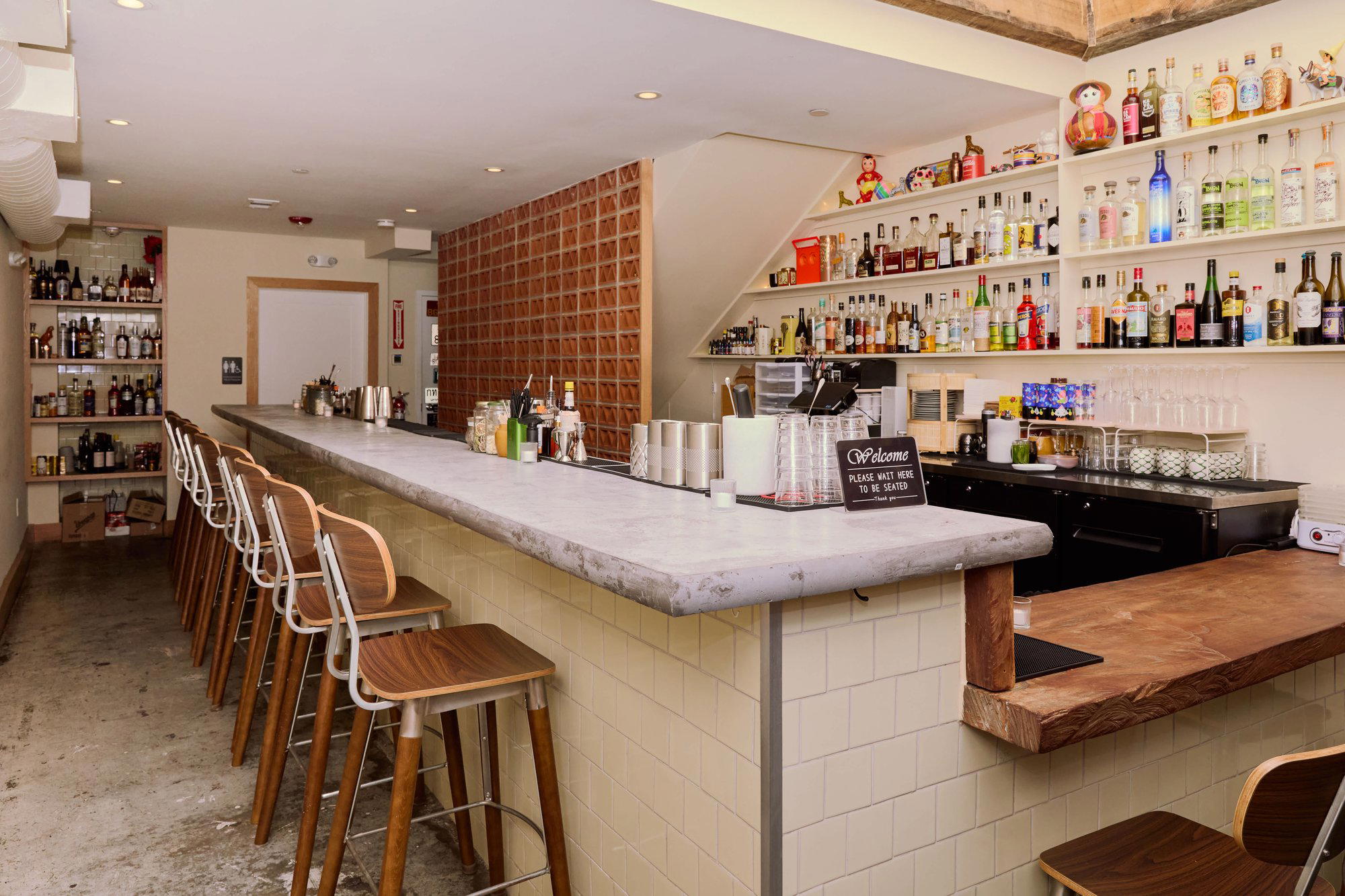
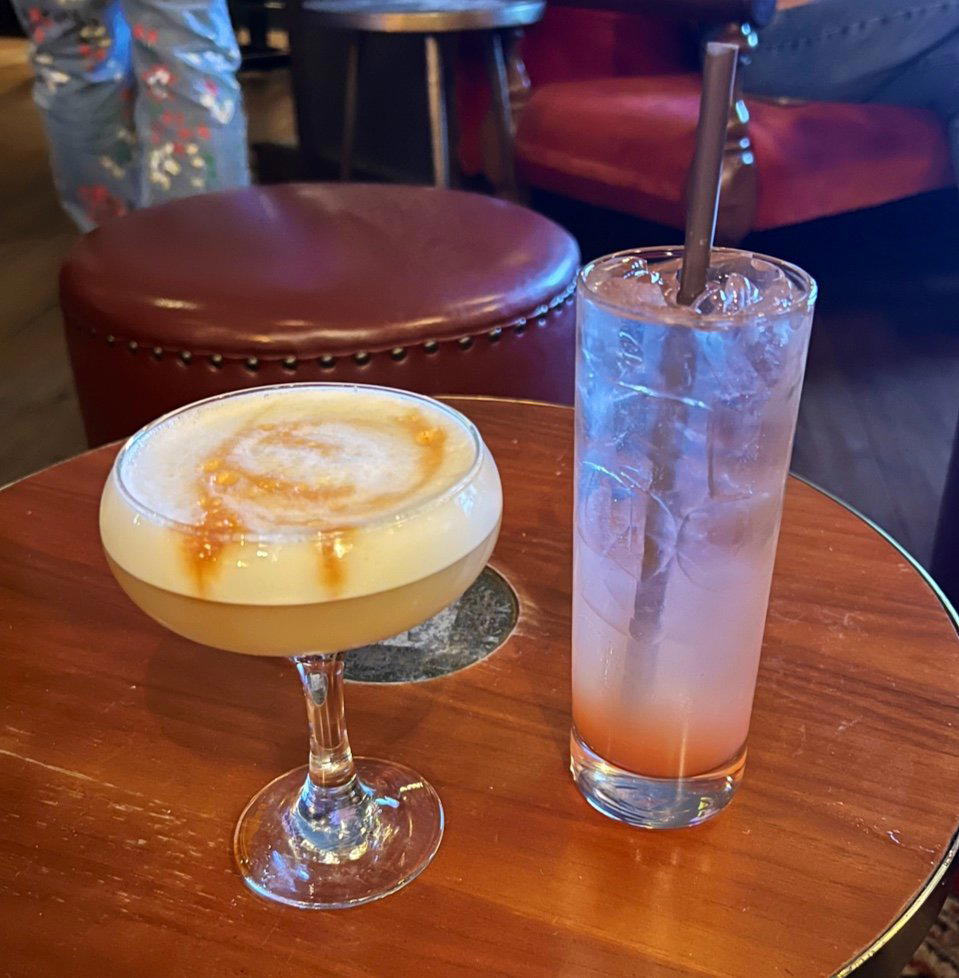
Cozy, slightly darker ambiance with warm welcoming atmosphere and inviting bar area.