Gertrude's
Gertrude's occupies a distinctive position inside the Baltimore Museum of Art, where the dining room opens onto a sculpture garden and the kitchen draws from Chesapeake Bay traditions and seasonal Mid-Atlantic sourcing. The restaurant is among Baltimore's most culturally grounded dining addresses, pairing an arts institution setting with a menu that reflects the region's agricultural and coastal rhythms.
Pearl is the En Primeur Club membership app — saves, bookings, and concierge access live there. Same editors, same standards.
- Address
- 10 Art Museum Dr, Baltimore, MD 21218
- Phone
- +14108893399
- Website
- gertrudesbaltimore.com
- Directions
- Get directions
 Saves & bookings on Pearl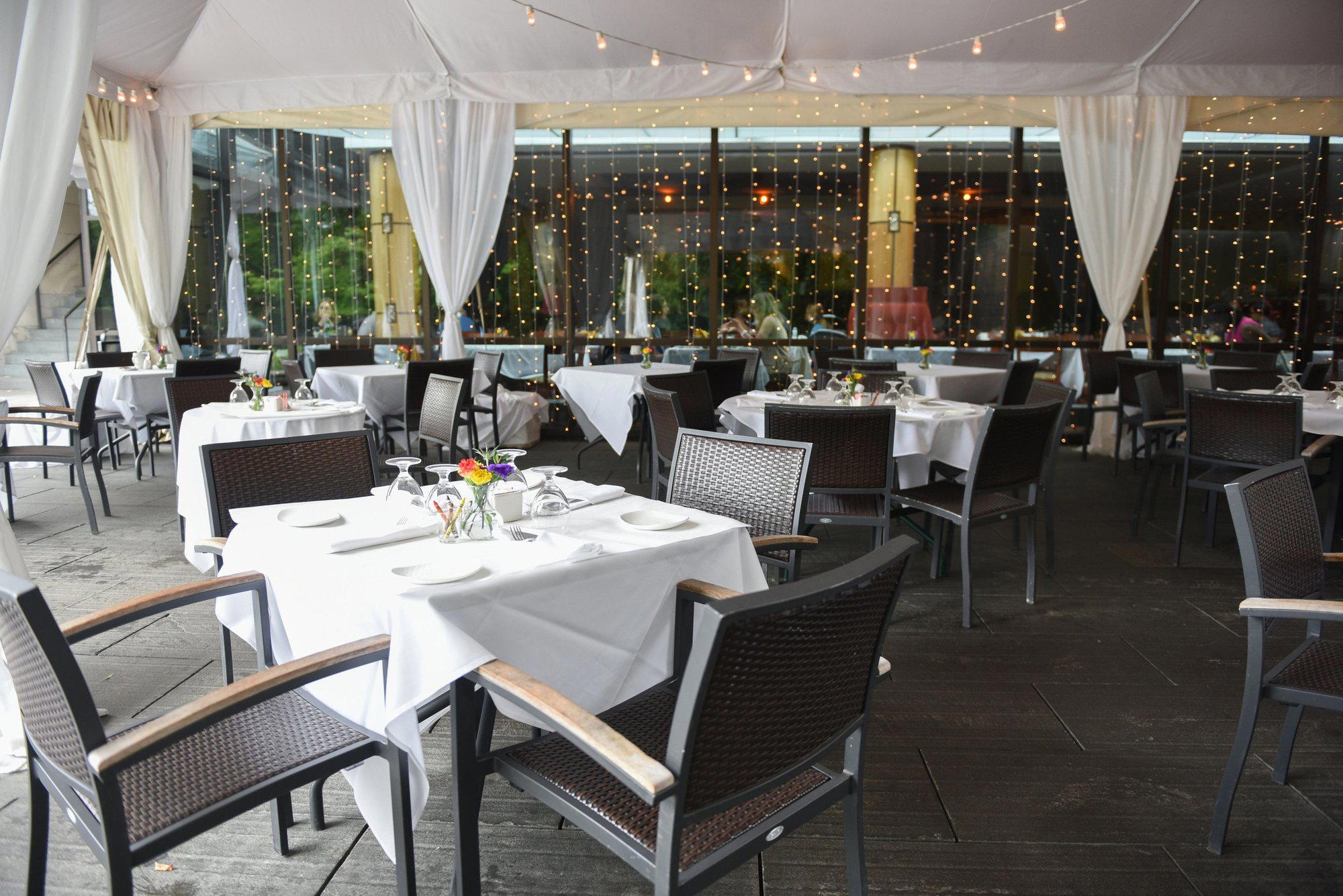
Where the Chesapeake Table Meets the Art Museum Garden
There are restaurants that happen to be near cultural institutions, and then there are restaurants that feel genuinely continuous with them. Gertrude's, positioned at 10 Art Museum Drive inside the Baltimore Museum of Art, belongs firmly to the second category. The dining room looks out onto the museum's sculpture garden, and on the right evening, when light falls at a low angle across the stone and plantings, the boundary between the meal and the exhibition dissolves in a way that few dining settings in the Mid-Atlantic can replicate. It is a setting that rewards lingering rather than efficiency.
Baltimore's dining scene has long been defined by its proximity to the Chesapeake Bay, and the city's most serious kitchens tend to treat that geography as both a sourcing framework and a point of culinary identity. Gertrude's sits inside that tradition in a way that goes beyond the obvious crab cake. The broader shift in American regional cooking toward transparency about provenance and a shorter, more seasonal menu structure has been particularly legible in Chesapeake-adjacent kitchens, where the rhythm of the bay's seasons imposes a discipline that trend-driven menus elsewhere simulate through effort.
The Case for Ethical Sourcing in a Chesapeake Kitchen
American restaurant kitchens have spent the past decade reckoning seriously with what sustainability means in practice: whether that means limiting supply chains, working with farmers and watermen directly, composting at scale, or simply refusing to put species on the menu that cannot support the harvest. In coastal cities like Baltimore, where the ecological health of the Chesapeake Bay is a local political and cultural concern as much as an environmental one, that reckoning carries additional weight. Diners here tend to know what blue crab season means and when it is strained. A kitchen that sources thoughtfully is not performing ethics for an outside audience; it is participating in a conversation that Baltimore residents have with the water every season.
Gertrude's setting inside a public arts institution adds another layer to this dynamic. Restaurants attached to museums occupy a specific tier of the civic dining world: they serve trustees, school groups, and first-dates in equal measure, and the menu has to carry cultural weight without becoming inaccessible. The restaurants that manage this well, from the dining programs at major institutions in New York to those attached to cultural venues in smaller American cities, tend to anchor their menus in regional identity rather than international ambition. The Chesapeake pantry, with its crabs, oysters, rockfish, corn, and heritage grains, gives Gertrude's a deep enough larder to do exactly that.
For comparison, the sustainable sourcing model has been executed at different scales across American fine dining. Blue Hill at Stone Barns in Tarrytown operates its own farm and functions as a near-closed loop. Single Thread Farm in Healdsburg integrates inn, farm, and restaurant into a vertically aligned hospitality model. At Smyth in Chicago, seasonal sourcing from the Midwest produces a tasting menu structure with similar regional discipline. Gertrude's does not operate at that level of integration or price point, but the underlying principle, that a kitchen should be answerable to its geography, runs through all of these addresses. The difference is one of scale and format rather than intent.
Baltimore's Broader Restaurant Context
Understanding where Gertrude's sits in the city requires a brief account of the dining scene around it. Baltimore has a more layered restaurant culture than its national reputation suggests. Cindy Wolf's Charleston operates in the high-end coastal Southern register that defines the top tier of the city's fine dining. dede (Turkish) and Akbar represent the city's international dining range. Angeli's Pizzeria and 16 On The Park occupy distinct neighbourhood positions. Gertrude's does not compete directly with any of these; its identity is shaped by its institutional address, its regional sourcing emphasis, and its capacity to serve both the museum's visitors and a broader dining public that comes specifically for the meal.
The museum setting also separates it from the waterfront seafood houses that represent Baltimore's most tourist-facing dining mode. Faidley's Seafood, operating in Lexington Market, represents one pole of the city's crab-cake tradition: no-frills, historically rooted, cash-based. Gertrude's operates at the other pole, where the same Chesapeake ingredients are plated with care, served in a room that has some cultural heft, and paired with a wine list. Both approaches are legitimate. The distinction is about context and how the meal relates to everything surrounding it.
For readers building a broader Mid-Atlantic itinerary, the surrounding region offers additional points of reference. The Inn at Little Washington in Washington operates in a register of sustained formal ambition that sets the ceiling for the region. Nationally, kitchens with a comparable commitment to ethical sourcing and regional identity include Providence in Los Angeles on the seafood side and Addison in San Diego for southern California seasonal sourcing. In the fine dining segment more broadly, Le Bernardin in New York City, Lazy Bear in San Francisco, Emeril's in New Orleans, The French Laundry in Napa, and Atomix in New York City each illustrate different national interpretations of what a regionally and ethically grounded kitchen can achieve. For an international point of reference on sustainability-first tasting menus, Atelier Moessmer Norbert Niederkofler in Brunico offers perhaps the most rigorous European model. See our full Baltimore restaurants guide for additional context across the city's dining tiers.
Planning Your Visit
The museum setting shapes the practical reality of dining at Gertrude's. The restaurant sits within the Baltimore Museum of Art's footprint on Art Museum Drive in the Charles Village neighbourhood, roughly two miles north of the Inner Harbor. Proximity to the Johns Hopkins Homewood campus means the surrounding area draws a mix of academic, arts, and neighborhood traffic. Visitors arriving by car will find the museum's parking structure nearby; those coming from downtown by cab or rideshare will find the route direct. Because Gertrude's serves both museum visitors and independent diners, the pace of service can shift depending on the time of day and the composition of the room. Lunch service, when the museum is active, runs at a different tempo than a dinner reservation. Checking current hours directly before visiting is sensible, as museum-adjacent restaurants often adjust their schedules around institution programming and seasonal demand.
Continue exploring
More in Baltimore
Restaurants in Baltimore
Browse all →
Bars in Baltimore
Browse all →
At a Glance
- Elegant
- Scenic
- Classic
- Sophisticated
- Date Night
- Business Dinner
- Group Dining
- Celebration
- Special Occasion
- Brunch
- Private Event
- Garden
- Live Music
- Private Dining
- Terrace
- Historic Building
- Craft Cocktails
- Farm To Table
- Local Sourcing
- Organic
- Sustainable Seafood
- Garden
Current opening hours
- Monday
- Closed
- Tuesday
- Closed
- Wednesday
- 11:30 AM–8 PM
- Thursday
- 11:30 AM–8 PM
- Friday
- 11:30 AM–8 PM
- Saturday
- 11:30 AM–3 PM, 5–8 PM
- Sunday
- 10 AM–3 PM, 5–7 PM
Hours can change for holidays and private events. Last verified .
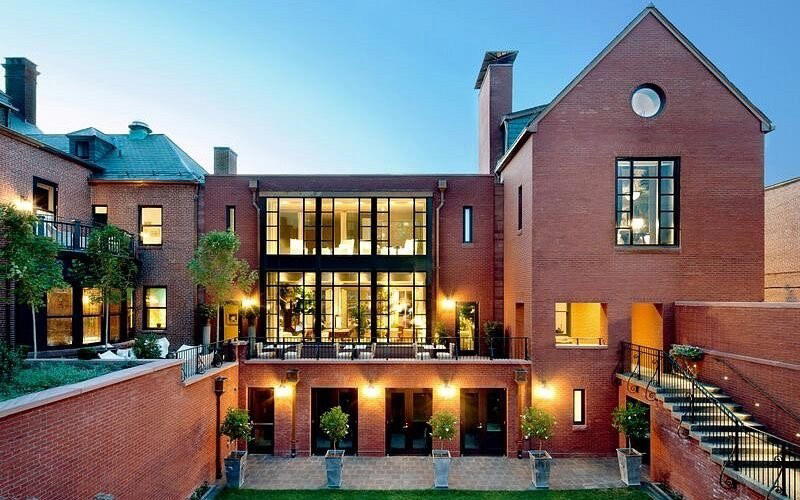
Elegant Eastern Shore-inspired dining room with large windows overlooking a sculpture garden with fountain and reflecting pool; warm, sophisticated atmosphere ideal for special occasions.
Know Before You Go
- Getting there
- 10 Art Museum Dr, Baltimore, MD 21218