
True Blue Cuisine on Armenian Street has held the Michelin Bib Gourmand in both 2024 and 2025, placing it among Singapore's most recognised addresses for Peranakan cooking. The menu draws on the Straits Chinese culinary tradition, where Chinese technique meets Malay spicing, served in a shophouse setting that reflects the civic history of its neighbourhood. At the mid-price tier, it represents accessible entry into a cuisine that demands considerable kitchen labour.
Pearl is the En Primeur Club membership app — saves, bookings, and concierge access live there. Same editors, same standards.
- Address
- 47/49 Armenian St, Singapore 179937
- Phone
- +65 6440 0449
- Website
- truebluecuisine.com
- Directions
- Get directions
 Saves & bookings on Pearl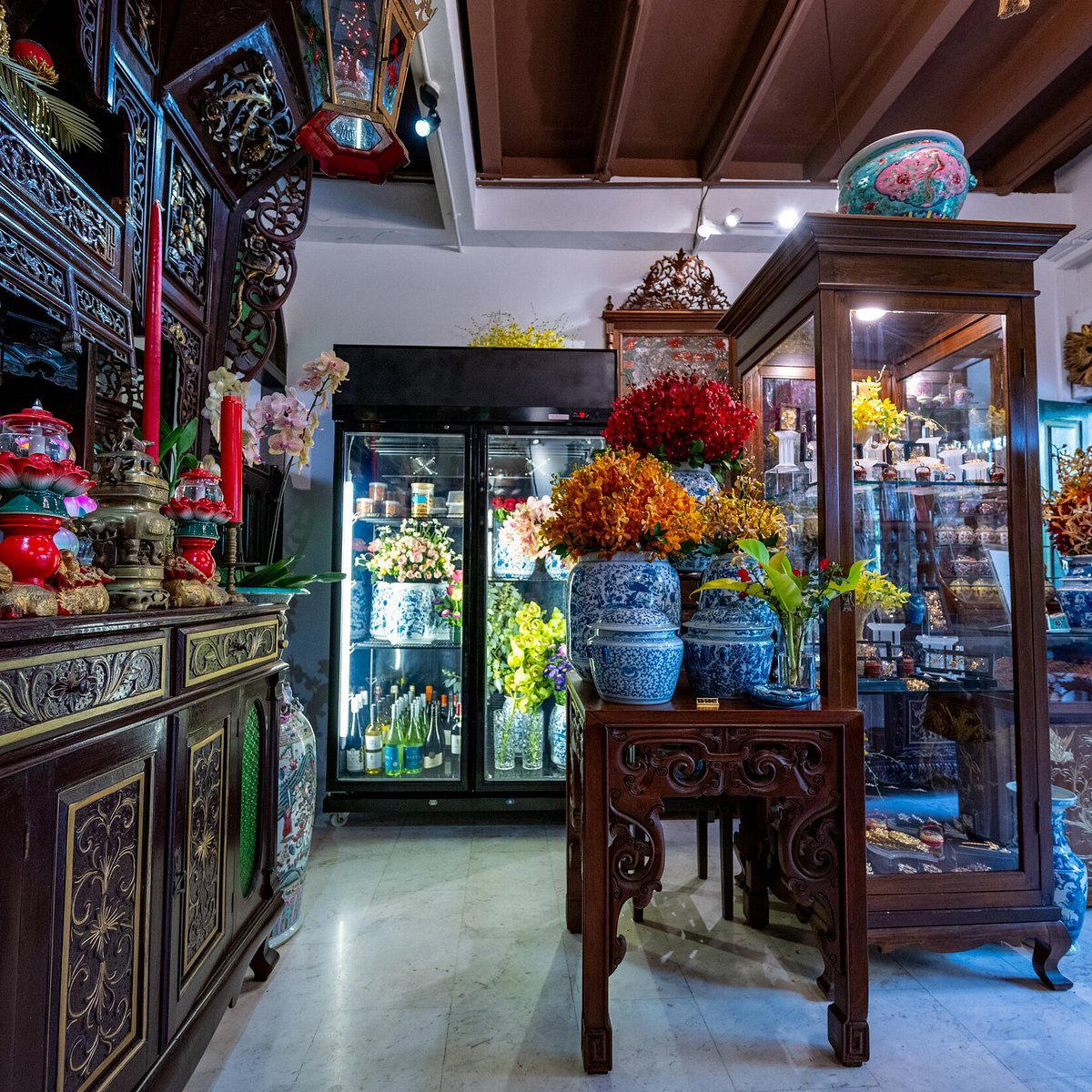
Armenian Street and the Peranakan Kitchen
Singapore's Armenian Street sits at the edge of the Civic District, a corridor where Straits Chinese merchant families once built their domestic and commercial lives alongside Armenian traders, colonial administrators, and Hokkien merchants. The architecture still says as much: two-storey shophouses with louvred shutters, ceramic tile floors, and five-foot walkways that shade the pavement from the afternoon glare. Peranakan culture, the hybrid product of Chinese settlers intermarrying with local Malay communities across the Straits of Malacca, is woven into this precinct's social fabric in ways that make the neighbourhood itself part of the editorial context for the cooking.
What the Bib Gourmand Signal Means Here
Within Singapore's Michelin-assessed dining scene, the Bib Gourmand operates as a distinct quality tier: restaurants delivering cooking at a standard the inspectors consider noteworthy, priced below the starred category. At the $$ price range, True Blue Cuisine sits in the same broad tier as Summer Pavilion's weekday dim sum pricing, though the culinary tradition and format are entirely different. The consecutive 2024-2025 Bib Gourmand nods indicate sustained consistency, which in a cuisine as technically demanding as Peranakan cooking carries genuine weight. Dishes like ayam buah keluak, where the black nut from the kepayang tree requires days of preparation to neutralise its toxicity before cooking, do not permit shortcuts. The Michelin recognition, in this context, speaks to process discipline rather than just flavour.
The Intersection of Technique and Indigenous Ingredient
Peranakan cuisine is precisely the kind of tradition that the phrase 'local ingredients, global technique' was designed to describe, though its own story runs the other direction: Chinese kitchen methods applied to indigenous Malay and Indonesian pantry ingredients. The rempah, a spice paste ground from candlenut, galangal, lemongrass, belacan, and dried shrimp, forms the aromatic base for most Peranakan braises and curries. Its preparation is measured in time rather than shortcuts: grinding fresh rather than reconstituting dried, coaxing each layer of the paste over low heat before the protein enters the pot. That indigenous spice vocabulary, funnelled through the discipline of a Chinese kitchen aesthetic that prizes clarity and balance, is what defines Peranakan cooking as a distinct tradition rather than a subcategory of either Malaysian or Chinese food.
Chef Renza Peretti oversees the kitchen at True Blue Cuisine. The name carries Italian inflection, but in Singapore's long history of culinary cross-pollination, the detail is less surprising than it might appear elsewhere. What matters is that the kitchen is producing work at a standard earning consecutive Michelin attention. Signature Peranakan preparations, including kueh pie tee, ngoh hiang, and the slow-cooked keluak dishes that define the tradition at its most technically demanding, sit at the core of what this address represents within Singapore's Peranakan dining circuit.
Armenian Street in the Broader Singapore Peranakan Circuit
Singapore supports a layered Peranakan dining scene across multiple price points and formats. At the fine-dining end, Candlenut in Dempsey holds a Michelin star and operates as the category's prestige address. Pangium, which takes its name from the kepayang tree at the centre of buah keluak cookery, represents another serious contemporary interpretation. Indocafé brings a different colonial-era angle. Further east, in Katong and Joo Chiat, the tradition continues in neighbourhood form: 328 Katong Laksa draws long queues for one of Singapore's most debated bowls, while Chilli Padi in Joo Chiat handles the full Nyonya repertoire in a residential shophouse setting.
True Blue Cuisine sits between the fine-dining and neighbourhood poles. It is a mid-register restaurant on an architecturally significant street, which gives it a particular kind of authority: the cooking reads as traditional, the setting reinforces cultural continuity, and the Bib Gourmand provides external verification that the kitchen meets a threshold beyond local sentiment.
The George Town Reference Point
For context on how Peranakan cooking performs across the Strait, the George Town scene in Penang offers a useful comparison. Penang Nyonya cooking carries its own regional signatures, heavier on sour tamarind notes and different spice ratios than Singapore's Straits Chinese version. Addresses like Auntie Gaik Lean's Old School Eatery, Richard Rivalee, Bibik's Kitchen, Ceki, Flower Mulan, Ivy's Nyonya Cuisine, Jawi House, and Kebaya Dining Room collectively demonstrate how deeply this tradition is preserved in Penang's dining culture. The Singapore version, operating in a city where hawker culture and fine dining receive more international attention, often gets underwritten as a category. The restaurant, with its consecutive Bib Gourmand recognitions, sits at the point where that underwriting is corrected by verifiable external assessment.
Planning a Visit
The restaurant is at 47/49 Armenian Street, within easy walking distance of City Hall MRT and a short cab or ride-share from the Marina Bay hotels. The Civic District concentration of museums, including the Peranakan Museum directly on Armenian Street, means the restaurant occupies a logical position within a heritage-focused afternoon or evening itinerary. Booking ahead is the sensible approach, particularly for dinner on weekends. The $$ pricing positions this well below Singapore's starred tier, which means the cost-to-quality ratio draws both informed local diners and visitors working through the city's Peranakan addresses. Reservations, where possible, should be made as far ahead as the calendar permits during peak travel periods in the city.
Cuisine and Credentials
Comparable venues nearby, for context on price, style, and recognition.
| Venue | Cuisine | Price | Awards | Notes |
|---|---|---|---|---|
| True Blue CuisineThis venue — the venue you are viewing | Authentic Peranakan | $$$ | Bib Gourmand | Not listed |
| Na Na Curry | Singaporean Curry House | $$ | Bib Gourmand | BEDOK NORTH |
| National Kitchen by Violet Oon | Authentic Peranakan | $$$ | Michelin Plate | CITY HALL |
| Tambuah Mas (Orchard) | Authentic Indonesian | $$$ | Michelin Plate | BOULEVARD |
| Lagnaa | Authentic North & South Indian Barefoot Dining | $$$ | Bib Gourmand | LITTLE INDIA |
| Un-Yang-Kor-Dai | Authentic Isaan & Northeastern Thai Cuisine | $$$ | Bib Gourmand | BOAT QUAY |
Recognition history
Dated appearances from independent guides and award organizations, with the underlying list record or original source where available.
Michelin Guide Bib Gourmand
Michelin Guide
Michelin Bib Gourmand
Michelin
Michelin Bib Gourmand
Michelin
Continue exploring
More in Singapore
Restaurants in Singapore
Browse all →
Bars in Singapore
Browse all →
At a Glance
- Cozy
- Elegant
- Classic
- Intimate
- Family
- Group Dining
- Special Occasion
- Date Night
- Historic Building
- Corkage Allowed
Current opening hours
- Monday
- 11:30 AM–2:30 PM, 5:30–9:30 PM
- Tuesday
- 11:30 AM–2:30 PM, 5:30–9:30 PM
- Wednesday
- 11:30 AM–2:30 PM, 5:30–9:30 PM
- Thursday
- 11:30 AM–2:30 PM, 5:30–9:30 PM
- Friday
- 11:30 AM–2:30 PM, 5:30–9:30 PM
- Saturday
- 11:30 AM–2:30 PM, 5:30–9:30 PM
- Sunday
- Closed
Hours can change for holidays and private events. Last verified .
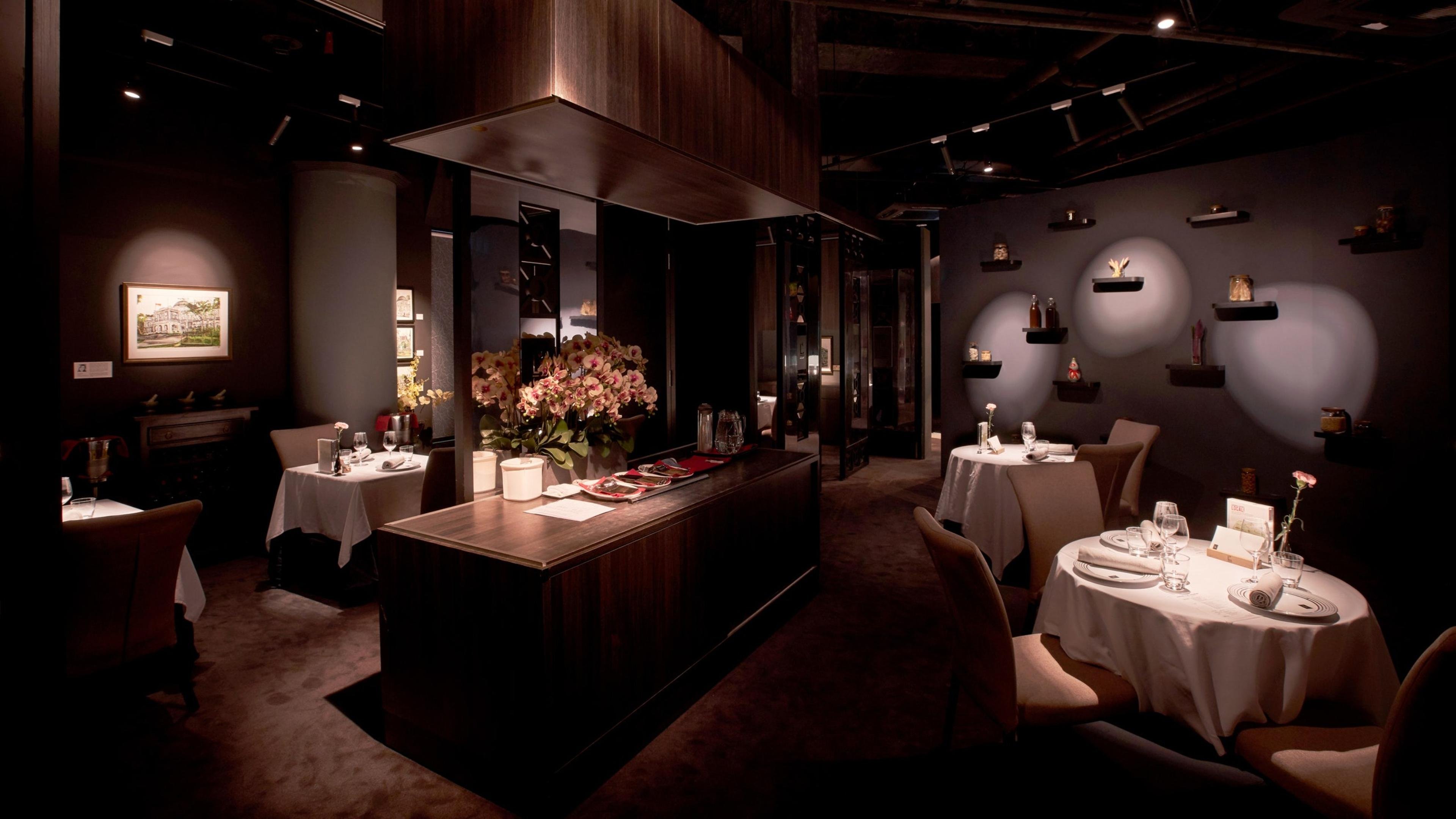
Cozy and elegant with authentic Peranakan decor, antiques, soft piano music, and intimate screens between tables creating a historical, home-like atmosphere.