Trattoria Il Focolare
On the quieter inland slope of Ischia, Trattoria Il Focolare in Barano d'Ischia represents the kind of cucina casalinga that the island's coastal restaurants rarely attempt. The cooking here draws on the volcanic terroir of the Ischian hills rather than the harbour catch, anchoring the menu in the island's agricultural traditions. For visitors willing to leave the waterfront, it offers a direct encounter with how Ischians actually eat.
Pearl is the En Primeur Club membership app — saves, bookings, and concierge access live there. Same editors, same standards.
- Address
- Via Cretajo, 3, 80070 Fiaiano NA, Italy
- Phone
- +39 081 902944
- Website
- trattoriailfocolare.it
- Directions
- Get directions
 Saves & bookings on Pearl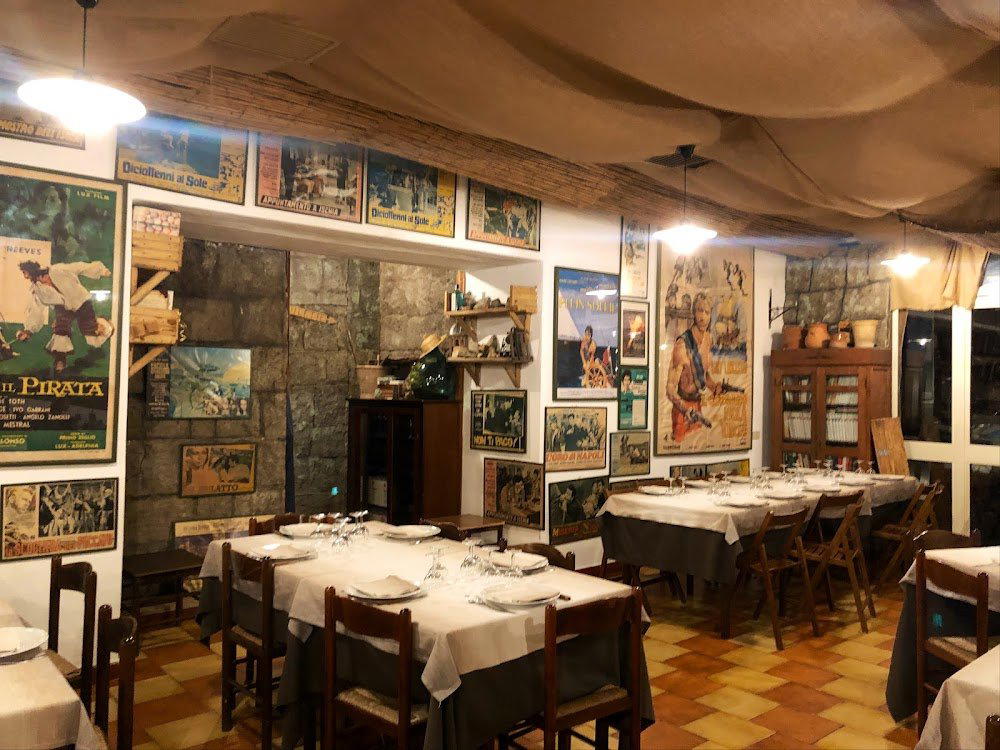
The Inland Side of Ischia's Table
Most visitors to Ischia orient themselves by the coastline: the ferry terminals at Casamicciola and Ischia Porto, the thermal spas, the cliff-hugging restaurants at Sant'Angelo. The island's interior, by contrast, moves at a different register. Trattoria Il Focolare is a casual, recommended trattoria in Fiaiano, Barano d'Ischia, where the menu follows local rhythms rather than resort schedules. Barano d'Ischia sits on the southern slope of the volcanic massif, away from the tourist drag, in the kind of village where lunch is still a communal event tied to the agricultural calendar rather than a service window between boat trips. Trattoria Il Focolare, on Via Cretajo in the hamlet of Fiaiano, is a Traditional Ischian Trattoria in Barano d'Ischia.
Volcanic Soil and What It Produces
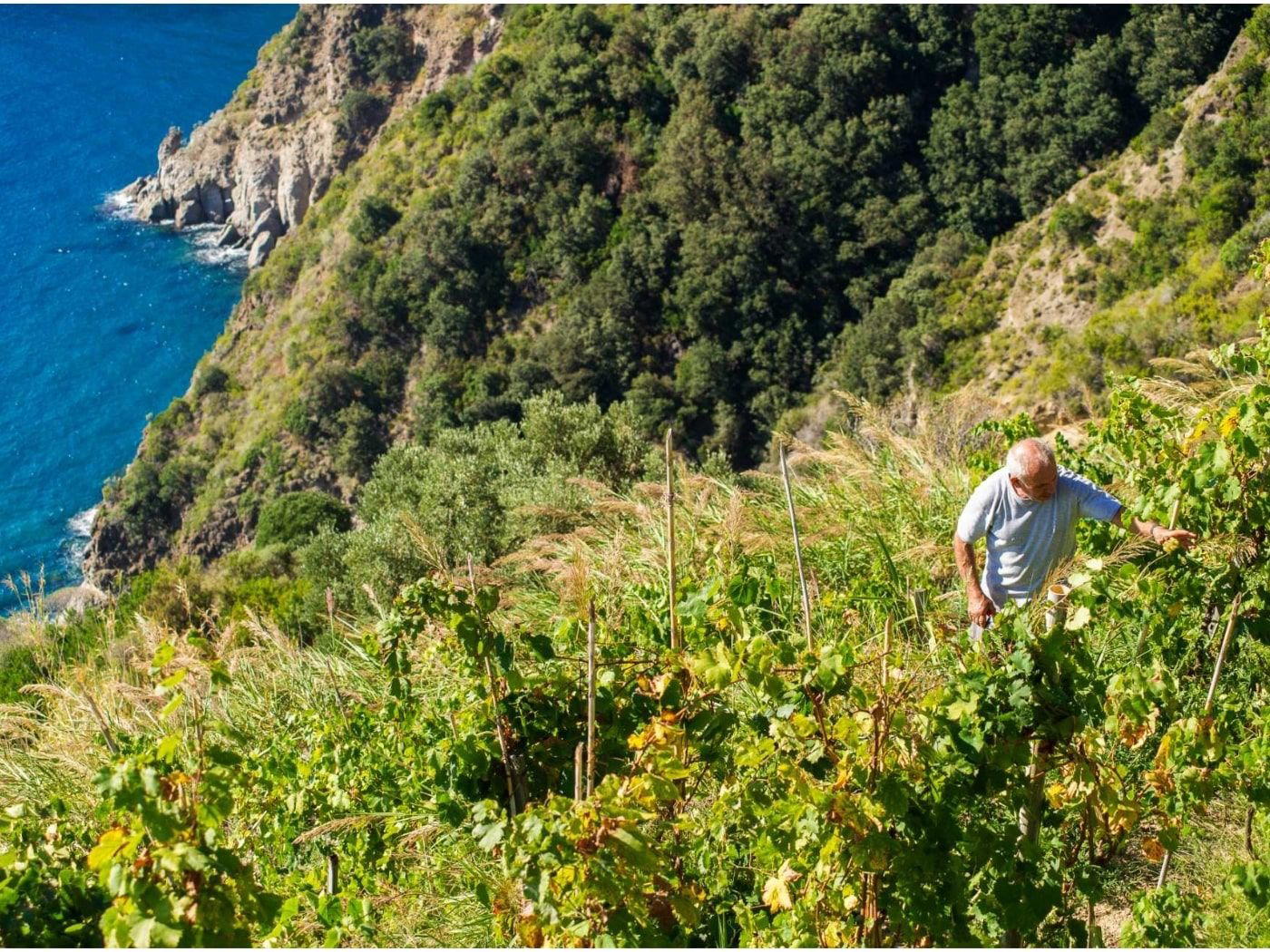
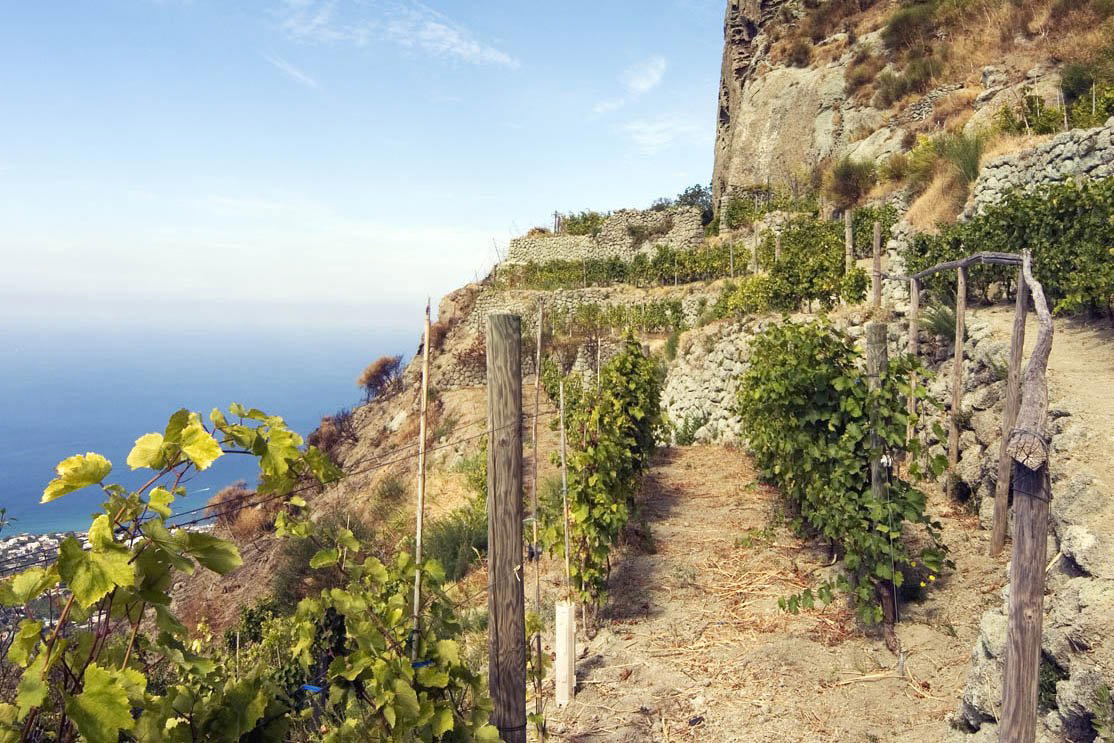
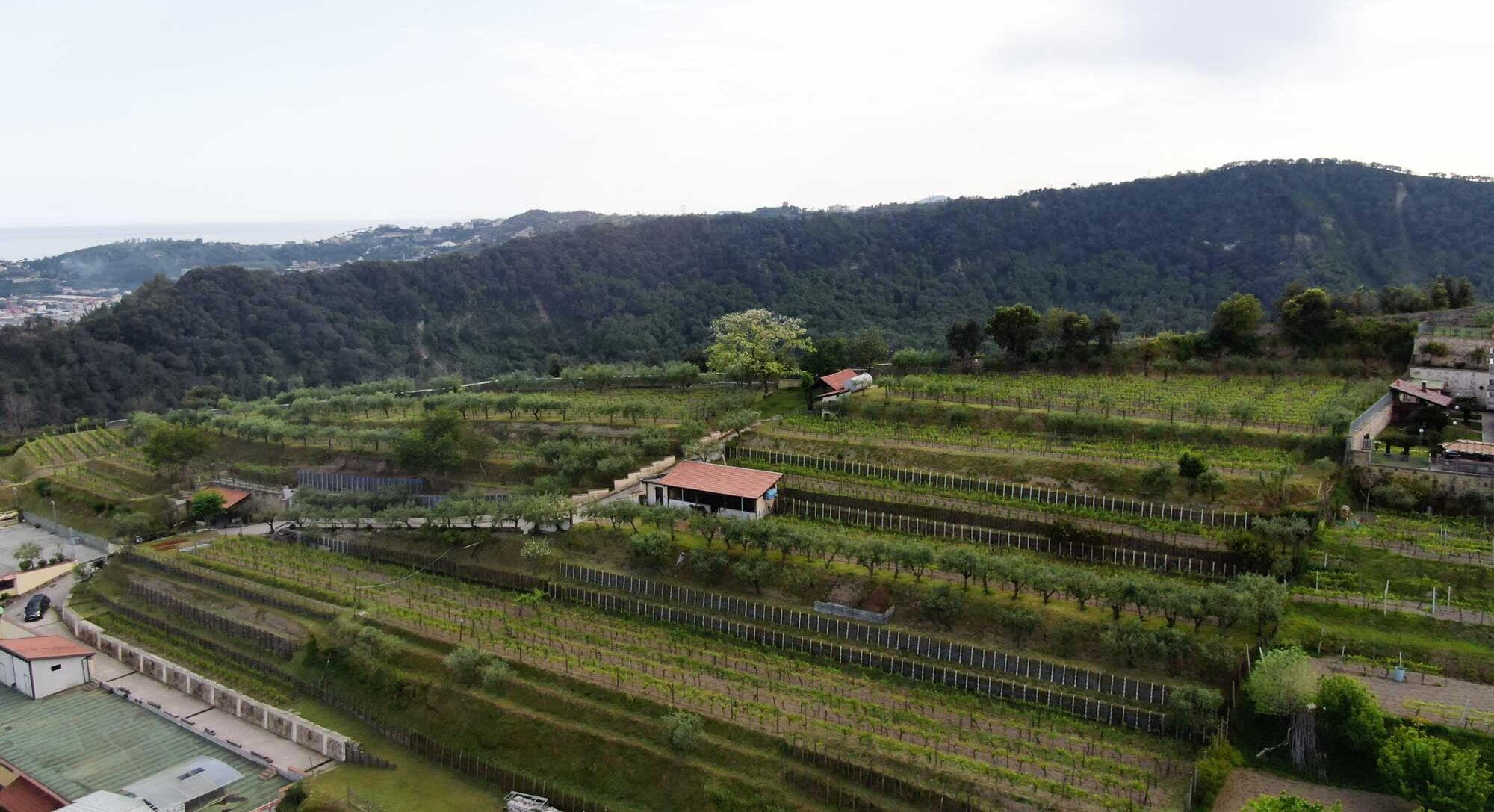
Ischia's culinary identity has always split between the sea and the land, though the sea gets considerably more attention in the tourism literature. The island's volcanic geology, however, produces ingredients that are genuinely worth discussing on their own terms. The Epomeo massif yields rabbit, the island's most celebrated meat, raised on the hillside scrub and prepared in a style, coniglio all'ischitana, that has defined local cooking for generations. The sauce is built around tomatoes, white wine, garlic, and aromatics grown in the same volcanic soil, a closed-loop sourcing logic that you encounter in few places outside of traditional island communities.
This agricultural foundation is what separates Barano's trattorie from the coastal format. Where harbour restaurants logically anchor their menus to the morning's catch, the inland kitchens of the Ischian hills draw on produce that reflects the island's horticultural history: citrus, capers, herbs, and small livestock that have been farmed here since the Greeks settled the island in the eighth century BC. That continuity of sourcing is not a marketing point; it is simply how these kitchens have always been provisioned. It places establishments like Trattoria Il Focolare in a peer group defined by agricultural tradition rather than by altitude on any culinary award ladder.
For context on where Italian fine dining has moved at the other end of the spectrum, rooms like Osteria Francescana in Modena, Le Calandre in Rubano, or Piazza Duomo in Alba have built their reputations on reinterpreting regional ingredients through a contemporary creative lens. Trattoria Il Focolare operates on the opposite premise: the ingredient and the technique are traditional, and the cooking's authority comes precisely from that fidelity.
The Atmosphere of the Ischian Hill Village
Approaching Fiaiano from the coastal road, the landscape shifts quickly from resort infrastructure to village ordinaries: narrow lanes, vegetable plots against low stone walls, the smell of wood smoke in cooler months. The focolare, the hearth, is both a literal feature in traditional Ischian domestic architecture and a symbolic anchor for the kind of cooking that happens around it. Trattorie that use the term tend to signal a commitment to exactly this register: the room is a dining room, not a designed space, and the food arrives in the idiom of home cooking rather than restaurant performance.
This is a meaningful distinction in a category that has become crowded with places performing rusticity while actually delivering a sanitised version of it. Italy's trattoria format, at its most reliable, is defined by a limited menu that changes with availability, a wine list anchored in regional production, and a service approach that assumes the guest has come to eat rather than to be entertained. By those criteria, the Ischian hill trattoria is a resilient format precisely because its supply chain is short and its menu ambitions are proportionate.
Situating Il Focolare in Italy's Broader Restaurant Geography
Italy's restaurant scene operates across a wide range of formats and price points. At the formal end, establishments like Enoteca Pinchiorri in Florence, La Pergola in Rome, and Enrico Bartolini in Milan operate in the €€€€ tier with tasting menus and extensive cellar programs. Further along the regional spectrum, Dal Pescatore in Runate, Villa Crespi in Orta San Giulio, and Da Vittorio in Brusaporto represent the kind of established family-run formality that has been Michelin-recognised across multiple decades. Then there is the category below: the trattoria, the osteria, the family table, places that are not competing for stars but are providing direct transmission of regional cooking.
The restaurant operates in that last tier, and the value of visiting it is precisely that it does not aspire to the former. Italy's most recognisable culinary export is not its tasting menus but its cucina povera, the cooking of scarcity and resourcefulness that produced dishes now eaten everywhere from Le Bernardin in New York City to Atomix as reference points for technique. The original article, rabbit braised slowly in wine and aromatics, pasta made from the same flour and eggs used a century ago, is still produced in villages like Fiaiano, and that production is worth seeking out independently of any award context.
For a broader orientation to what Barano d'Ischia and its surroundings offer, consult a local restaurant guide. Visitors planning to cover more of southern Italy's serious kitchens should also consider Reale in Castel di Sangro, Gambero Rosso in Marina di Gioiosa Ionica, and Casa Perbellini 12 Apostoli in Verona as complementary stops in a wider Italian itinerary, and Atelier Moessmer Norbert Niederkofler in Brunico for a northern counterpoint that also takes ingredient provenance seriously, albeit at a different price point and format.
Planning a Visit
Barano d'Ischia is reached by ferry from Naples (Molo Beverello) or Pozzuoli to Ischia Porto, then by local bus or taxi inland to Fiaiano. The journey from Naples by fast ferry takes approximately 45 minutes to Ischia Porto; the drive up to Barano adds another 15 minutes depending on traffic. Arrive early for lunch service or ask your accommodation to make contact directly. Hill-village trattorie on Ischia tend to observe traditional southern Italian lunch hours and often close on one weekday. Spring and early autumn are particularly comfortable seasons on the island's interior, with summer heat in the hills being pronounced and August particularly crowded across the whole island.
A Quick Peer Check
Comparable venues nearby, for context on price, style, and recognition.
| Venue | Cuisine | Price | Notes |
|---|---|---|---|
| Trattoria Il FocolareThis venue — the venue you are viewing | Traditional Ischian Trattoria | $$ | Not listed |
| Ristorante da Cherubino | Traditional Venetian Trattoria | $$ | San Marco |
| Monzù Vladì | Creative Regional Italian | $$ | Trastevere |
| La Cantinaccia del Popolo | Neapolitan Trattoria | $$ | Sorrento center |
| Ristorante Da Giannino dal 1988 | Traditional Italian Trattoria | $$ | Pianillo |
| Lo Scoglio | Traditional Neapolitan Seafood | $$ | Marina del Cantone |
Continue exploring
More in Barano D Ischia
Restaurants in Barano D Ischia
Browse all →
Bars in Barano D Ischia
Browse all →
Hotels in Barano D Ischia
Browse all →

At a Glance
- Rustic
- Cozy
- Family
- Special Occasion
- Wine Cellar
- Garden
- Extensive Wine List
- Local Sourcing
- Farm To Table
- Garden
Current opening hours
- Monday
- 7:15–9:30 PM
- Tuesday
- 7:15–9:30 PM
- Wednesday
- Closed
- Thursday
- 7:15–9:30 PM
- Friday
- 7:15–9:30 PM
- Saturday
- 7:15–9:30 PM
- Sunday
- 12:30–2:01 PM, 7:15–9:30 PM
Hours can change for holidays and private events. Last verified .
Warm, cheerful, bustling family atmosphere with a welcoming, home-like feel.