

A Leading Hotels of the World member and Michelin 1 Key holder on Ischia's western coast, Botania Relais & Spa distributes 40 rooms across nine villas within a two-acre garden estate in Forio. Three on-site restaurants, including Il Mirto with its Michelin Green Star for sustainable gastronomy, give the property a dining depth unusual for the island. Ischia's quieter alternative to Capri, with genuine credentials.
Pearl is the En Primeur Club membership app — saves, bookings, and concierge access live there. Same editors, same standards.
- Address
- Via Provinciale Lacco - Fango, 284, 80075 Forio NA
- Phone
- +39 081 997978
- Website
- botaniarelais.com
- Directions
- Get directions
 Saves & bookings on Pearl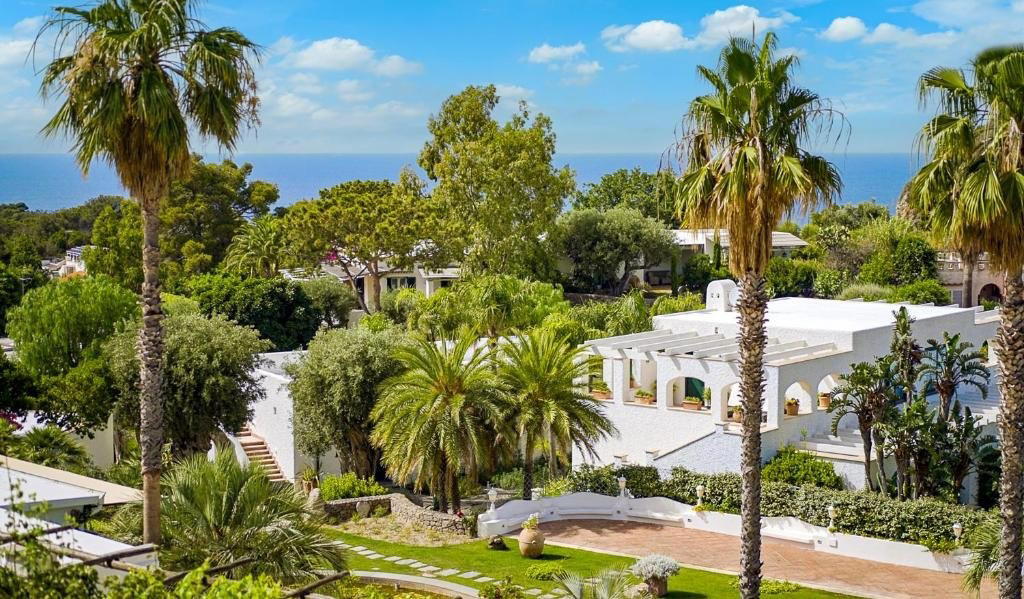
The Other Island in the Bay
The ferry from Naples deposits most visitors at Capri, and for understandable reasons: the Faraglioni rocks, the Blue Grotto, the decades of celebrity mythology. But Ischia sits at the bay's opposite end, larger and less polished, with volcanic thermal springs threading through its interior and a coastline that trades Capri's theatrical clifftop glamour for something more genuinely wild. The hotel scene here has never aimed for the same ornate register as JK Place Capri, and that's partly what defines it: Ischia rewards a different kind of traveller, one prepared to exchange the spectacle for substance.
Botania Relais & Spa sits within that context as a 2024 Michelin Key holder, one of its key distinctions in Forio. With 48 rooms across nine villas on a garden estate in Forio, it represents the quieter, more considered end of Ischian hospitality. For practical comparison, properties at a similar tier on the Amalfi Coast, such as Borgo Santandrea or Il San Pietro di Positano, tend to command significantly higher rates precisely because of the Amalfi address premium. Ischia, and Botania specifically, offers a meaningful alternative without conceding on category credentials.
The Design Logic of Nine Villas
The architectural decision to distribute 40 rooms across nine discrete villas rather than a single main building is not incidental. It produces an intentionally irregular site plan, one where the property unfolds as you move through it rather than presenting itself all at once. This is a design philosophy well-suited to a garden estate: the two-acre grounds become connective tissue between structures rather than backdrop to a single facade.
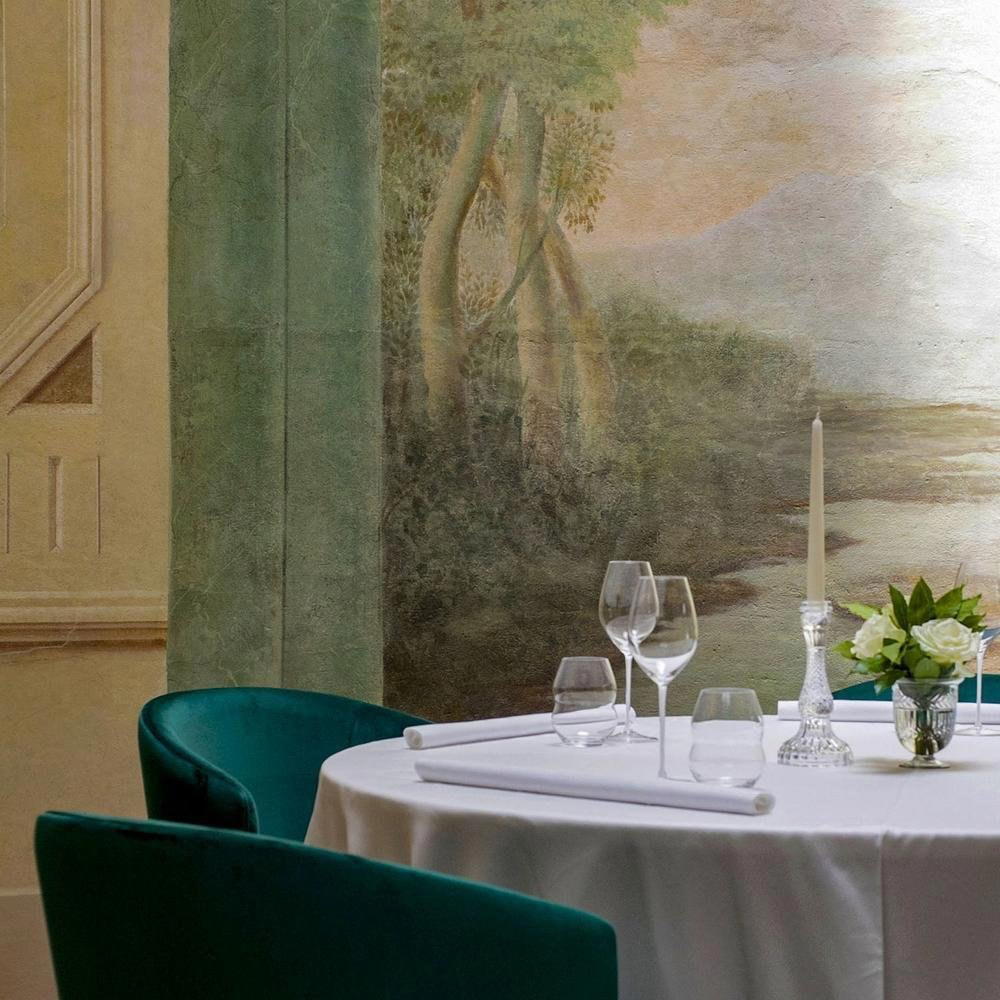
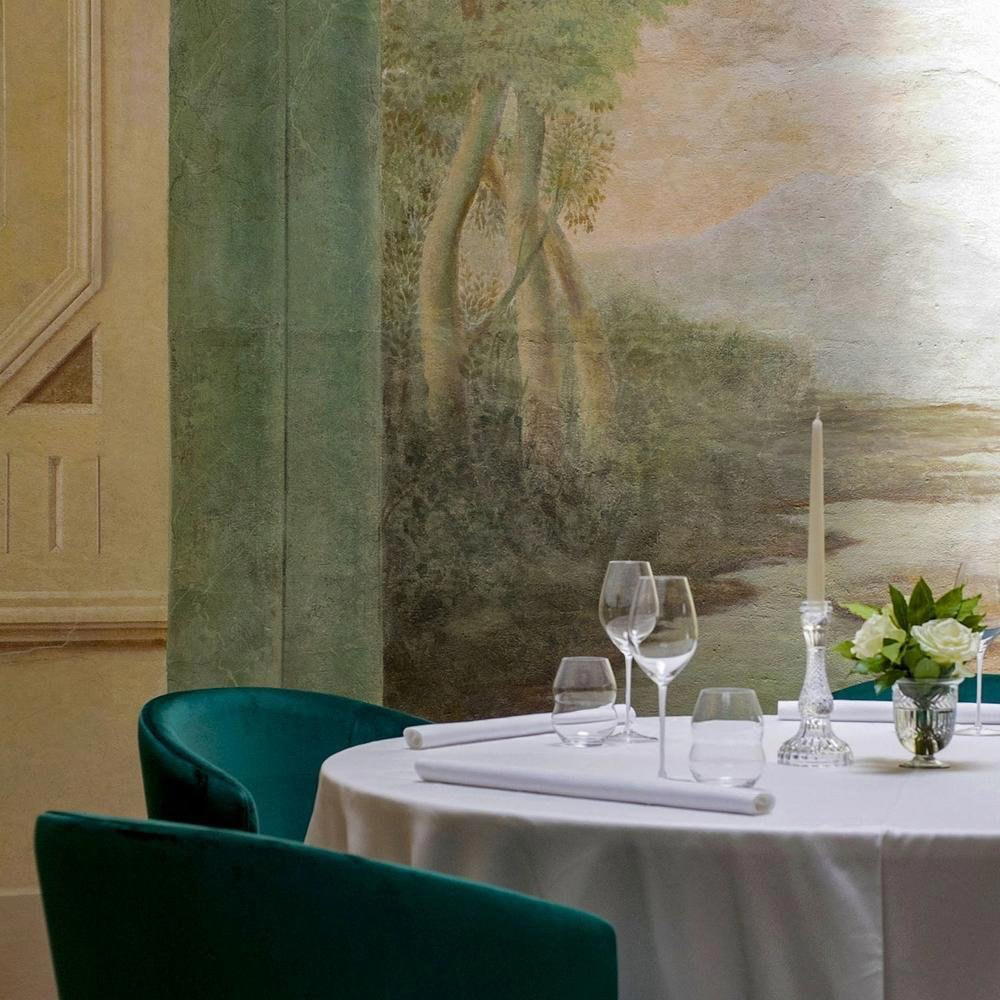
The interiors work within a classical Mediterranean register, with what the property itself describes as a touch of contemporary colour contrast. That framing is revealing: this is not a property pursuing the stark minimalism that defines, say, Forestis Dolomites in the Alto Adige, nor the maximalist heritage layering of Castello di Reschio in Umbria. Botania occupies a middle register: composed and traditional, with enough visual variation between units to prevent the uniformity that often flattens multi-villa properties into indistinction.
Villa structure also means each of the 40 rooms carries a different layout. That irregularity, which might read as an operational inconvenience from a management perspective, translates directly into guest experience: no two stays at Botania are quite the same configuration, even if the overall design language remains consistent. Italian garden-resort properties that have attempted similar approaches, such as Borgo San Felice Resort in Castelnuovo Berardenga or Castelfalfi in Montaione, demonstrate how the dispersed-building model scales across different property sizes. Botania's two-acre footprint keeps the experience genuinely intimate rather than campus-like.
Three Restaurants, Three Distinct Registers
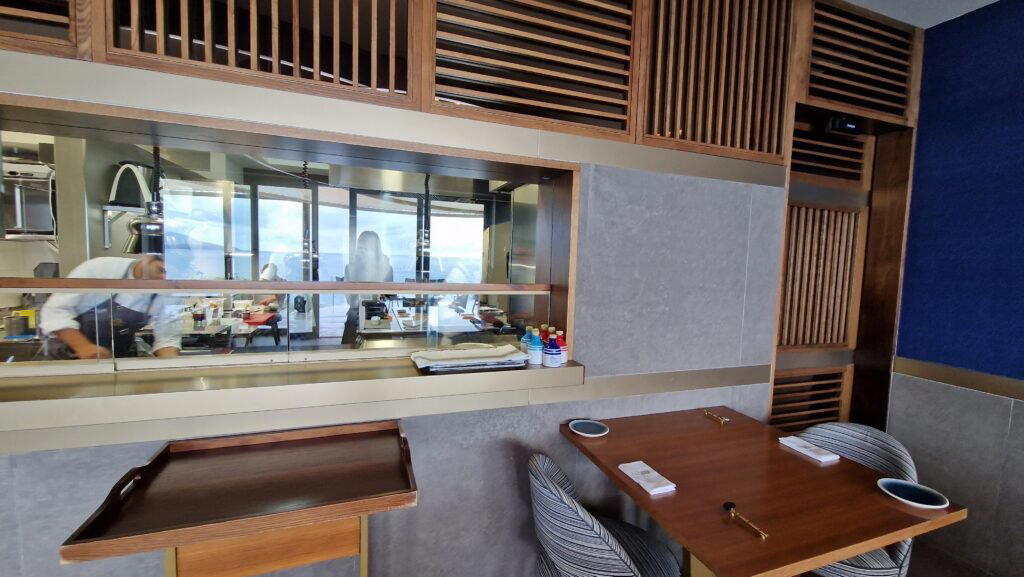
Dining structure at Botania is one of the property's most considered features, and the one most directly connected to its Michelin recognition. Serious Italian garden hotels increasingly define themselves through food programming that goes beyond a single all-purpose restaurant, and Botania's three-venue approach makes a clear argument for that model.
Il Corbezzolo anchors the offering with traditional Southern Italian cuisine, sourcing meats and seafood as locally as Ischian supply allows. Ischia's fishing traditions run deep, and a kitchen that draws on local catch rather than mainland supply chains is operating with a measurable sourcing advantage in terms of both freshness and provenance narrative.
Il Mirto, the vegetarian fine dining restaurant, operates on a different supply logic entirely: it draws its produce from the property's own organic garden. That closed loop, from soil to plate within the same estate, earned the restaurant a Michelin Green Star, the Guide's designation for sustainable gastronomy. The Green Star is not a general quality award; it signals a verified commitment to environmental practice that Michelin audits and can revoke. In the context of Southern Italian fine dining, where the Green Star designation remains relatively rare, Il Mirto's recognition places Botania in a genuinely narrow peer group.
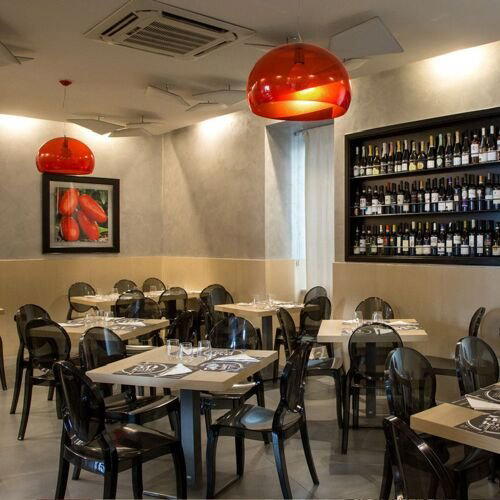
The third venue, Nonna Marì's Kitchen, operates in a deliberately different register: home-style Southern Italian cooking and cooking classes. The format acknowledges that not every meal at a garden resort needs to carry fine dining weight, and that knowledge transfer, in the form of hands-on instruction, is itself a form of hospitality that properties like Casa Maria Luigia in Modena have also built into their identity. It is a practical and culturally grounded addition, and it completes a three-tier dining architecture that covers traditional, sustainable fine dining, and informal education without overlap.
Forio and the Western Coast of Ischia
Forio occupies Ischia's western side, facing the open Tyrrhenian rather than the bay. The town has its own distinct character within the island: the Church of Santa Maria del Soccorso, perched on a promontory above the sea, is a genuine visual landmark, and the western coast's beaches, particularly Citara, draw visitors who know the island well. Forio is also the location of La Mortella, the garden created by composer William Walton and his wife Susana, which has developed into among the more significant private gardens open to the public in Southern Italy. The surrounding area rewards guests willing to engage with the island beyond the hotel perimeter.
The thermal spa tradition that defines much of Ischia's tourism extends to Botania's own spa offering, though specific treatments and facilities are best confirmed directly with the property. Ischia's volcanic thermal waters have driven European wellness tourism to the island since the nineteenth century, a heritage that gives any property with genuine spa infrastructure an automatic point of difference from mainland competitors. For those comparing Botania against Ischia's other high-end option, the Mezzatorre Hotel & Thermal Spa also sits in Forio and represents the main like-for-like comparison on the island. For the broader Bay of Naples region, Bellevue Syrene 1820 in Sorrento offers a mainland counterpoint at a comparable prestige tier.
Planning Your Stay
Ischia is accessible by ferry and hydrofoil from Naples, with journey times typically ranging from 25 minutes (hydrofoil) to around 90 minutes (car ferry). The island's high season runs from late May through September, when the thermal beaches and garden properties draw the largest visitor numbers. Shoulder season, particularly late April through May and October, offers substantially quieter conditions and often more favourable rates, and the garden estate at Botania reads especially well in spring when the grounds are in active growth. Availability at Botania should be confirmed directly with the property. Guests considering Botania alongside other Leading Hotels of the World properties in Italy, such as Il Pellicano in Porto Ercole or Castel Fragsburg in Merano, will find Botania's combination of garden scale, multi-restaurant programming, and Michelin recognition positions it clearly within that comparable set rather than below it.
Those building a wider Italian itinerary can also consider how Botania connects to the country's broader premium hotel map: from the design-led intensity of Aman Venice in the north to the Puglian scale of Borgo Egnazia in the south, the Italian garden-and-estate model takes many forms. Botania's particular version, grounded in volcanic island geography, sustainable dining credentials, and an architecture that prioritises irregularity over uniformity, occupies its own specific position in that map.
Quick Comparison
Comparable venues nearby, for context on price, style, and recognition.
| Venue | Cuisine | Price | Awards | Notes |
|---|---|---|---|---|
| Botania Relais & SpaThis venue — the venue you are viewing | Luxury eco-certified resort with villas scattered in lush gardens | $$$$ | Michelin 1 Key | Not listed |
| Mezzatorre Hotel & Thermal Spa | Historic watchtower resort set in Mediterranean maquis with private cove. | $$$$ | Michelin 1 Key | Forio |
| Mediterraneo Sorrento | Modern luxury boutique hotel with nautical-inspired design elements, positioned as an intimate five-star retreat that balances elegance with coastal warmth. | $$$$ | Michelin 1 Key | Sant'Agnello |
| Six Senses Rome | Urban wellness retreat fusing Roman heritage and contemporary design | $$$$ | Michelin 1 Key | Trevi |
| Capo La Gala Hotel & Wellness | Refined boutique luxury built into rocky shoreline with nautical Italian flair. | $$$$ | Michelin 1 Key | Vico Equense |
| Maalot Roma | Boutique luxury hotel with personalized service and glamorous dining. | $$$$ | Michelin 1 Key | Trevi |
Recognition history
Dated appearances from independent guides and award organizations, with the underlying list record or original source where available.
Leading Hotels of World Member
Leading Hotels of World
Michelin 1 Key
Michelin
Michelin 1 Key
Michelin
Continue exploring
More in Forio
Hotels in Forio
Browse all →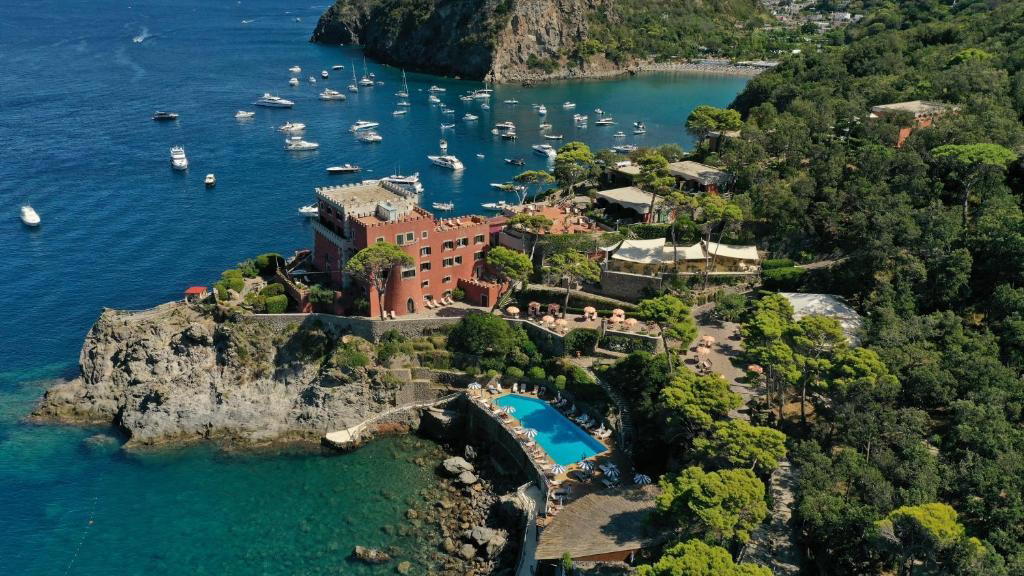
Bars in Forio
Browse all →
Restaurants in Forio
Browse all →

At a Glance
- Romantic
- Quiet
- Elegant
- Scenic
- Intimate
- Sophisticated
- Honeymoon
- Romantic Getaway
- Wellness Retreat
- Anniversary
- Weekend Escape
- Infinity Pool
- Destination Spa
- Garden
- Terrace
- Panoramic View
- Wi Fi
- Pool
- Spa
- Fitness Center
- Room Service
- Concierge
- Business Center
- Sauna
- Restaurant
- Bar
- Garden
- Garden
- Waterfront
- Wi Fi
- Pool
- Spa
- Fitness Center
- Room Service
- Concierge
- Business Center
- Sauna
- Restaurant
- Bar
- Garden
Relaxed and enchanting with lush gardens, serene pools, and elegant designs creating a peaceful, romantic atmosphere.