Trattoria Brunello
In the flat agricultural country west of Treviso, Trattoria Brunello occupies a position common to the Veneto interior: a family-run dining room where the distance between field and plate is short and the cooking reflects it. The address in Scandolara, a frazione of Zero Branco, places it firmly outside the tourist circuit, making it a reference point for locals rather than a destination constructed for visitors.
Pearl is the En Primeur Club membership app — saves, bookings, and concierge access live there. Same editors, same standards.
- Address
- Via Scandolara, 35, 31059 Scandolara TV, Italy
- Phone
- +39422345106
- Directions
- Get directions
 Saves & bookings on Pearl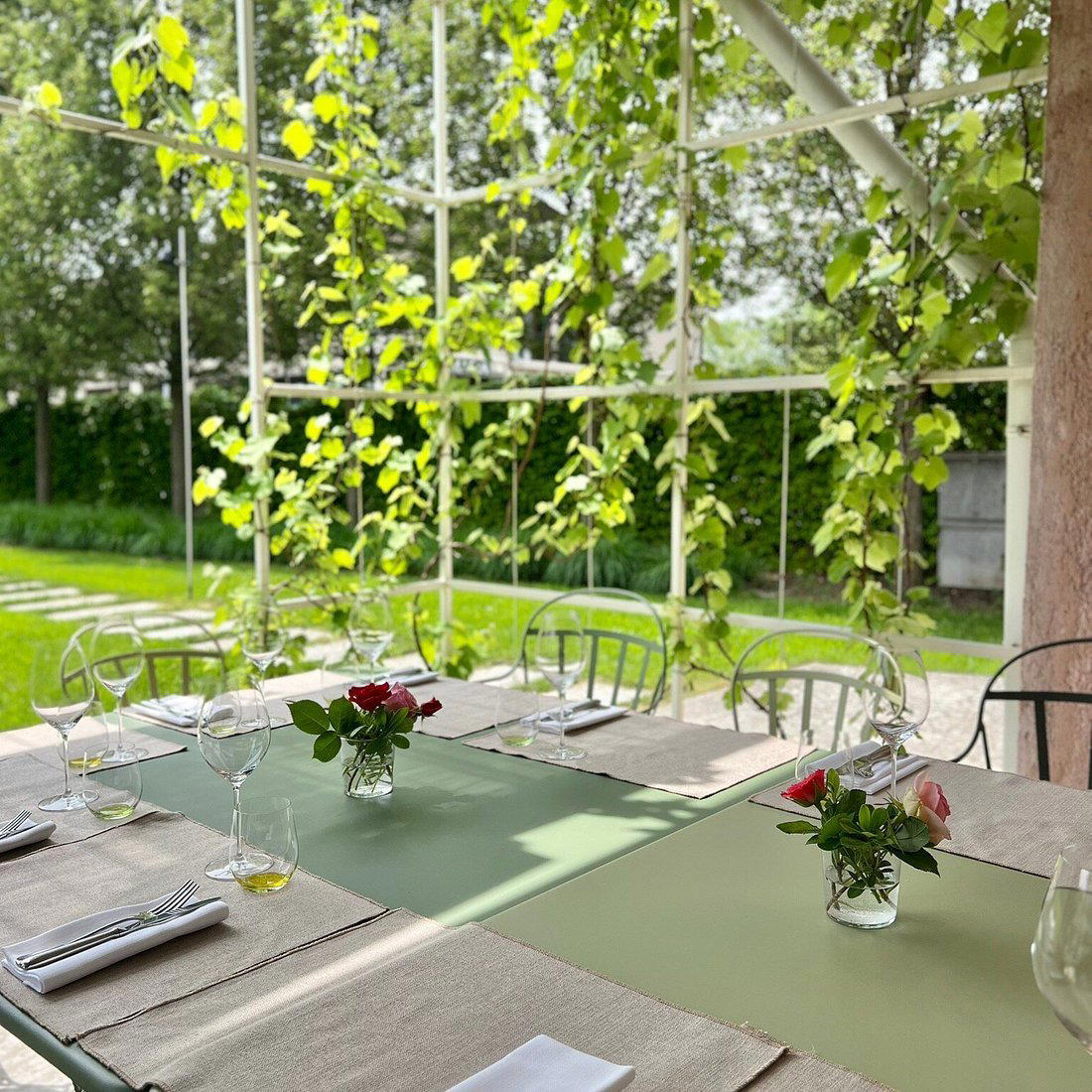
Farming Country and the Trattoria Format
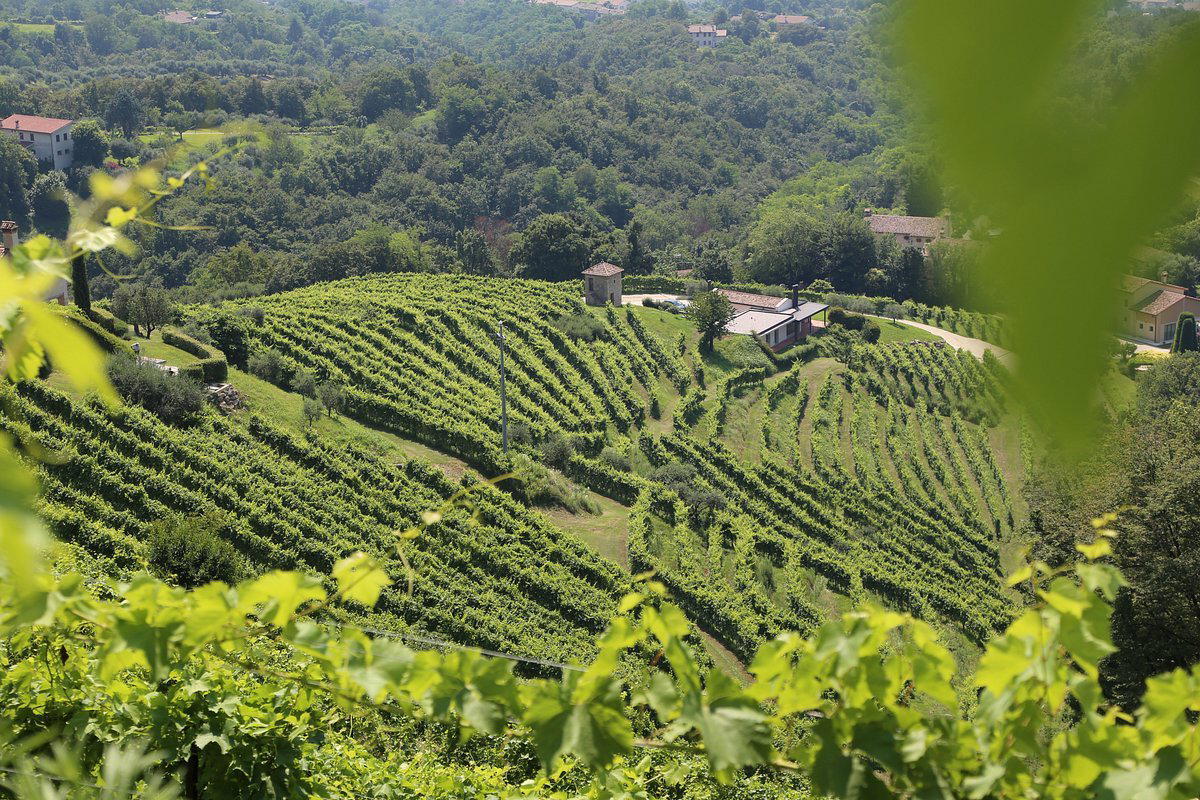
The Veneto plain between Treviso and Venice is one of northern Italy's most productive agricultural zones: radicchio from Treviso and Castelfranco, white asparagus from Cimadolmo and Badoere, small-scale cattle and dairy farming, and a network of family estates growing the grapes that feed the prosecco supply chain. What this geography produces, almost inevitably, is a dense population of trattorias whose kitchens are closer to market gardens and local farms than to wholesale distributors. Trattoria Brunello on Via Scandolara in Scandolara, a quiet frazione within the municipality of Zero Branco, sits inside that tradition. This is a traditional Veneto trattoria, not a concept or a destination built around a named chef. It is the kind of address the surrounding agricultural community has always relied on, and that context shapes everything about how the food is sourced and cooked.
Ingredient Geography: Why the Treviso Hinterland Matters
The area around Zero Branco is not mentioned in most Italian food writing, which tends to concentrate on the city of Treviso itself or on the Prosecco hills to the north. That oversight is partly the reason places like Trattoria Brunello operate the way they do. Without a tourist audience expecting set-piece regional showcases, the kitchen is oriented toward what is actually available locally at any given time of year. The Treviso radicchio, protected by IGP status since 1996, is grown in the fields a short drive in any direction. The white asparagus of the Veneto interior, harvested over a narrow spring window, has long been a structuring ingredient in the seasonal cooking of this area. In autumn, the wild mushrooms of the Venetian foothills move through the supply chains that reach even the plain. These are not curated sourcing narratives: they are the functional reality of cooking in a territory where local ingredients are simply cheaper and more available than imported alternatives.
This dynamic produces a style of trattoria cooking that Italy's more celebrated restaurants often reference as an aspirational model. The tasting menus at Le Calandre in Rubano or the produce-driven rigour of Piazza Duomo in Alba trace their philosophical roots to exactly this kind of place: a kitchen that cooks what grows nearby because that is both practical and correct. At the starred level, ingredient sourcing becomes a marketing pillar. At the trattoria level, it is simply the operating logic.
The Scandolara Setting
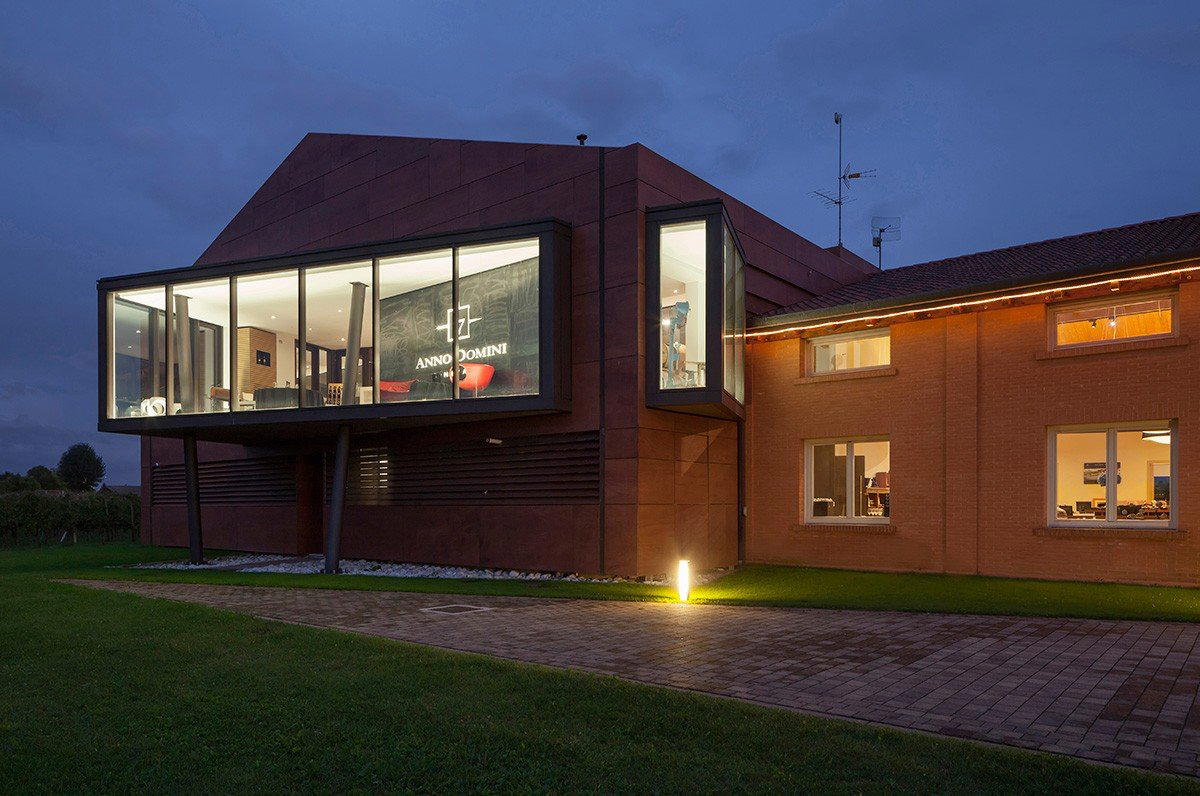
Via Scandolara is not a restaurant row. Zero Branco has no particular dining reputation, no Michelin entries in its own right, and no food tourism infrastructure. That absence is, in one reading, the point. The address at number 35 sits in residential and agricultural surroundings that make the experience of arriving and eating there categorically different from booking a table in Treviso's historic centre or at destination addresses like Casa Perbellini 12 Apostoli in Verona or Dal Pescatore in Runate. The format here belongs to a different register entirely: the neighbourhood trattoria that anchors a community rather than curates an experience for outside visitors.
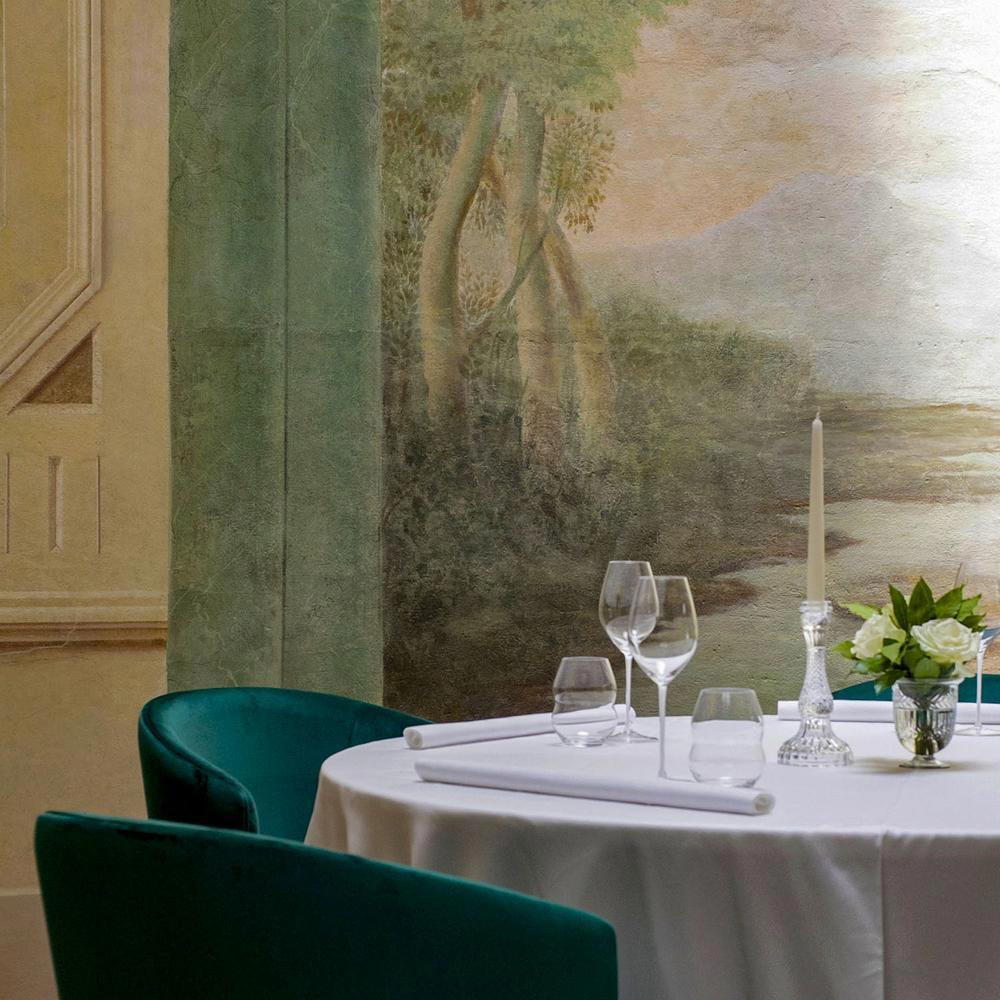
In physical terms, the Veneto trattoria interior tends toward the functional rather than the designed. Tables are set without ceremony. The space prioritises accommodation over atmosphere in the deliberate sense, which can read as warmth or austerity depending on what you bring to it. The noise level at a well-attended lunch service here reflects a room in use, not a room performing quietness.
Reading This Against the Wider Italian Scene
Italy's fine dining circuit, from Osteria Francescana in Modena to Enoteca Pinchiorri in Florence to La Pergola in Rome, operates at a considerable remove from the trattoria economy. Those restaurants negotiate with the same agricultural regions through careful sourcing relationships and, in many cases, their own farming arrangements. The trattoria, by contrast, typically works through proximity and volume: buying from a network of nearby suppliers whose output varies with season and weather, and cooking to that variation rather than against it. This is a less controlled but often more honest rendering of what a territory actually produces. It is also a format under slow pressure as Italy's food economy urbanises and consolidates. The trattorias that survive are generally the ones with a stable local clientele that does not depend on tourist traffic or social media discovery cycles.
For context beyond Italy, the sourcing philosophy at play in the Veneto trattoria tradition has parallels with what drives ingredient-first thinking in celebrated kitchens internationally, from Le Bernardin in New York City to Atelier Moessmer Norbert Niederkofler in Brunico, though the execution and scale are entirely different. Closer to home, the contrast is most visible when comparing the trattoria format to addresses like Uliassi in Senigallia or Reale in Castel di Sangro, where produce-driven cooking is developed into a technically complex language. The trattoria keeps it simple by necessity and, often, by preference.
Planning a Visit
Zero Branco is accessible by road from Treviso, roughly 10 kilometres to the east, or from Mestre and Venice to the south. There is no practical public transport connection to Scandolara itself, so a car is the realistic option for anyone not staying locally. Trattoria Brunello is open Tuesday to Sunday, with Monday closed. Hours are 9 AM to 10 PM Tuesday through Friday and Sunday, and 9 AM to 11 PM on Saturday. Reservations are recommended.
Also worth noting: visitors to this part of the Veneto who want to contrast the trattoria register with higher-end regional cooking have several options within manageable driving distance. Le Calandre in Rubano is roughly 40 kilometres west. Da Vittorio in Brusaporto and Villa Crespi in Orta San Giulio require longer travel but represent the upper end of northern Italian fine dining for those building a broader itinerary.
Comparable Spots, Quickly
Comparable venues nearby, for context on price, style, and recognition.
| Venue | Cuisine | Price | Notes |
|---|---|---|---|
| Trattoria BrunelloThis venue — the venue you are viewing | Traditional Veneto Trattoria | $$ | Not listed |
| The Lido | Italian Lakeside Pizzeria & Beach Club | $$ | Cernobbio |
| Ostaria da Mariano | Traditional Venetian Seafood & Regional Italian | $$ | Mestre |
| Taverna San Trovaso | Authentic Venetian Seafood Trattoria | $$ | Dorsoduro |
| Alla Madonna | Traditional Venetian Seafood | $$ | San Polo |
| Al Chianti | Traditional Venetian Italian with Pizza and Seafood | $$ | San Marco |
Continue exploring
More in Zero Branco
Restaurants in Zero Branco
Browse all →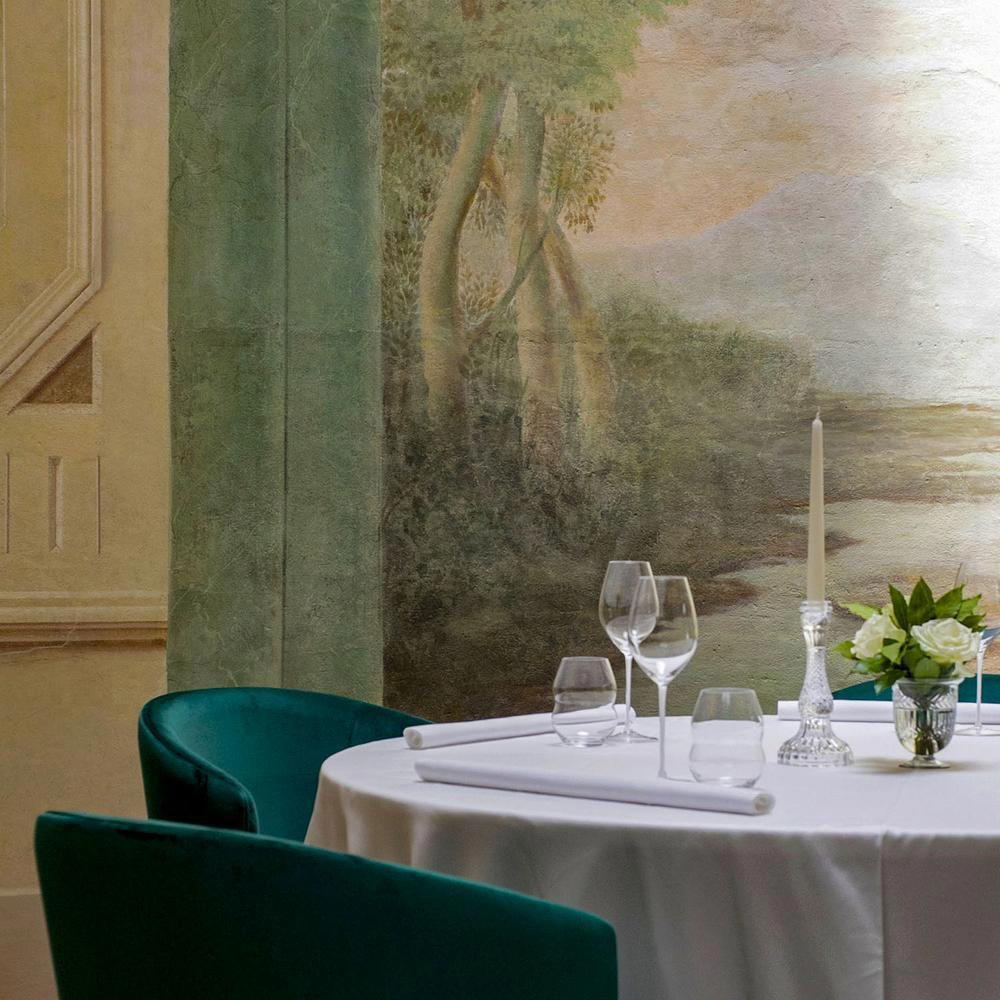
Bars in Zero Branco
Browse all →
Hotels in Zero Branco
Browse all →
At a Glance
- Classic
- Cozy
- Rustic
- Casual Hangout
- Group Dining
- Date Night
- Wine Cellar
- Standalone
- Extensive Wine List
Current opening hours
- Monday
- Closed
- Tuesday
- 9 AM–10 PM
- Wednesday
- 9 AM–10 PM
- Thursday
- 9 AM–10 PM
- Friday
- 9 AM–10 PM
- Saturday
- 9 AM–11 PM
- Sunday
- 9 AM–10 PM
Hours can change for holidays and private events. Last verified .
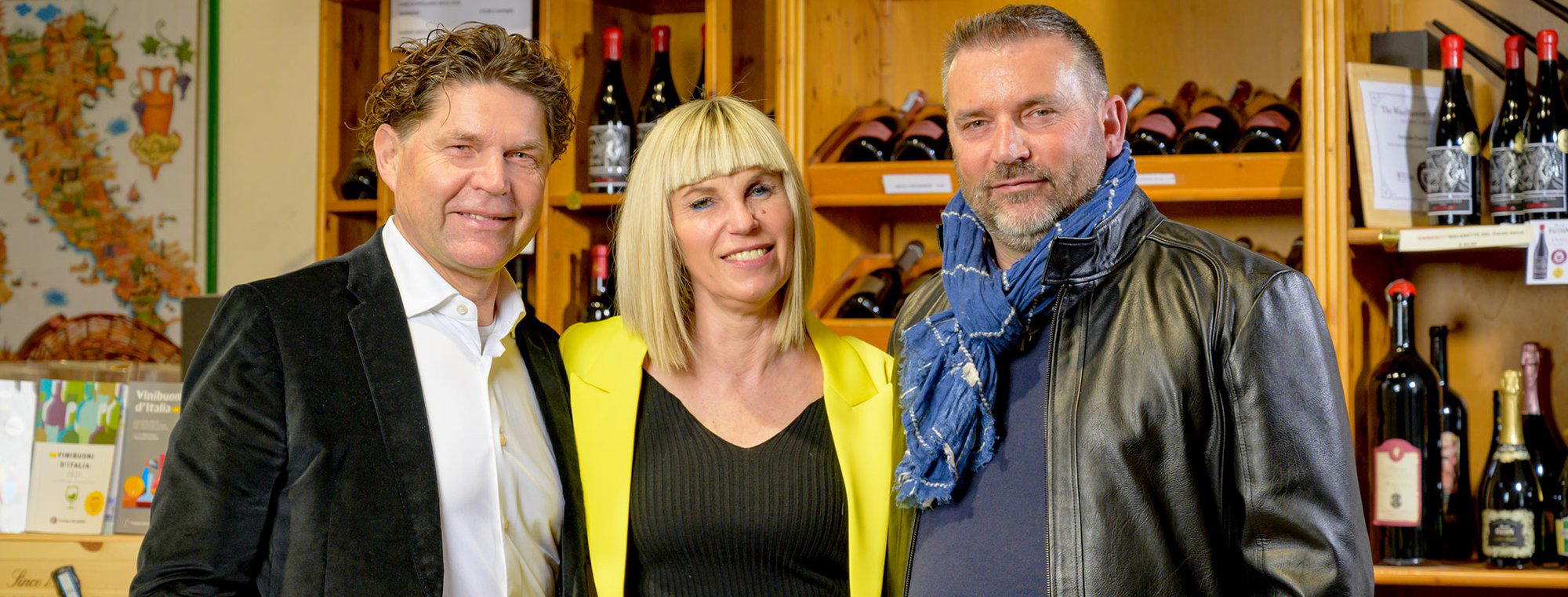
Warm and welcoming trattoria setting with a homey feel, featuring an impressive wine collection that reflects the owner's expertise.