Our verdict
On the quiet waterfront of Betina, a small Dalmatian island settlement on Murter, Trabakul draws its identity from the Adriatic larder directly outside its door. The kitchen works within the hyper-local tradition of Šibenik County coastal cooking, where proximity to the source shapes every plate. For visitors moving through the region's serious dining circuit, Betina represents an argument for slowness over spectacle.

Pearl is the En Primeur Club membership app, where members save venues, book tables and use the concierge.
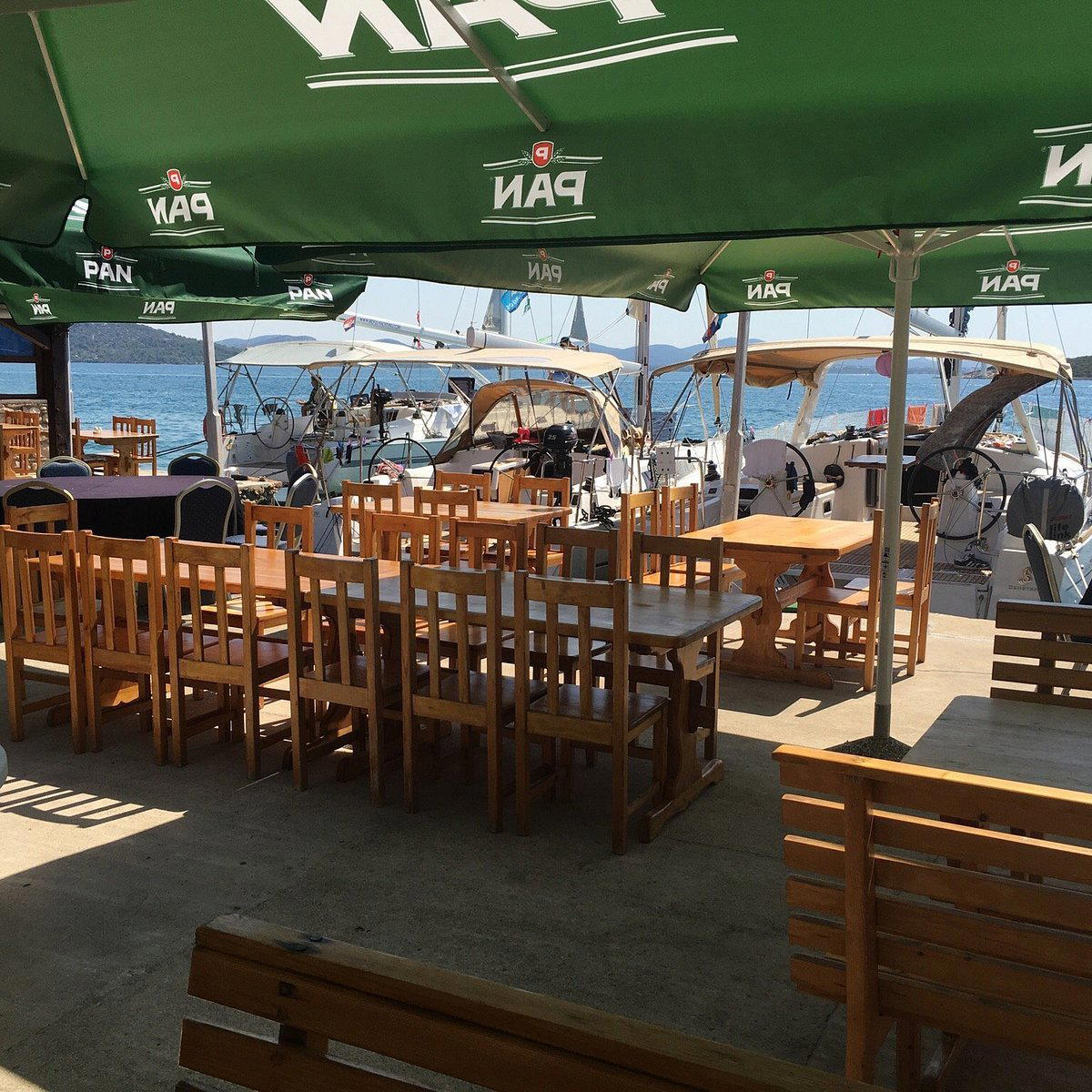
Where the Water Dictates the Menu
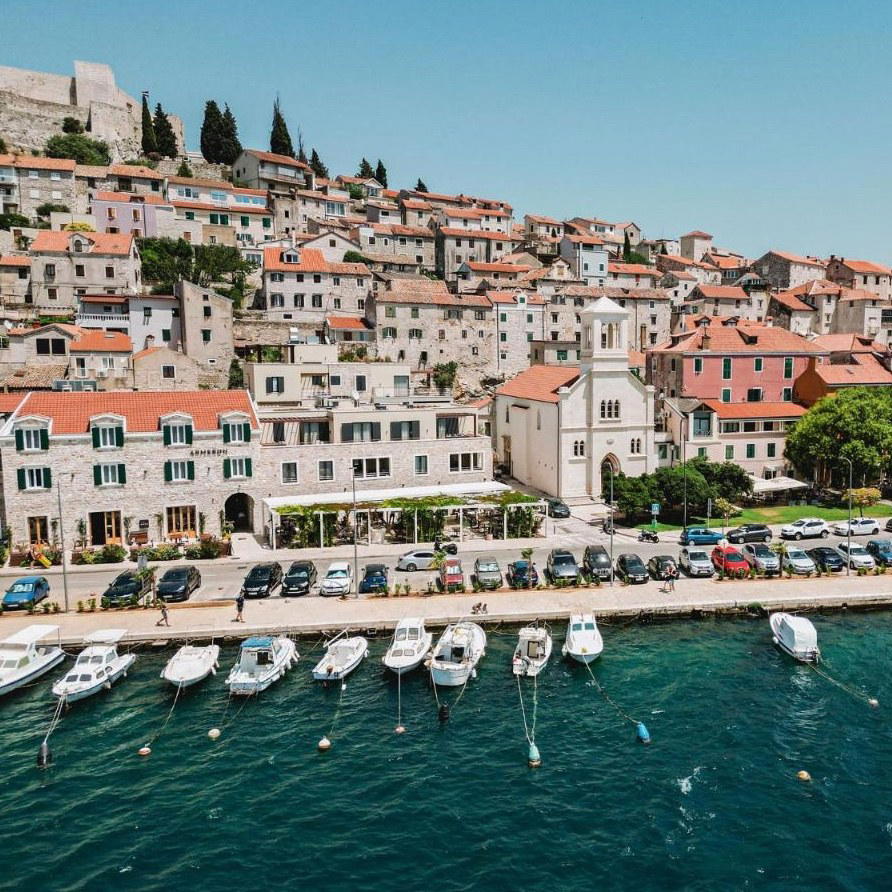
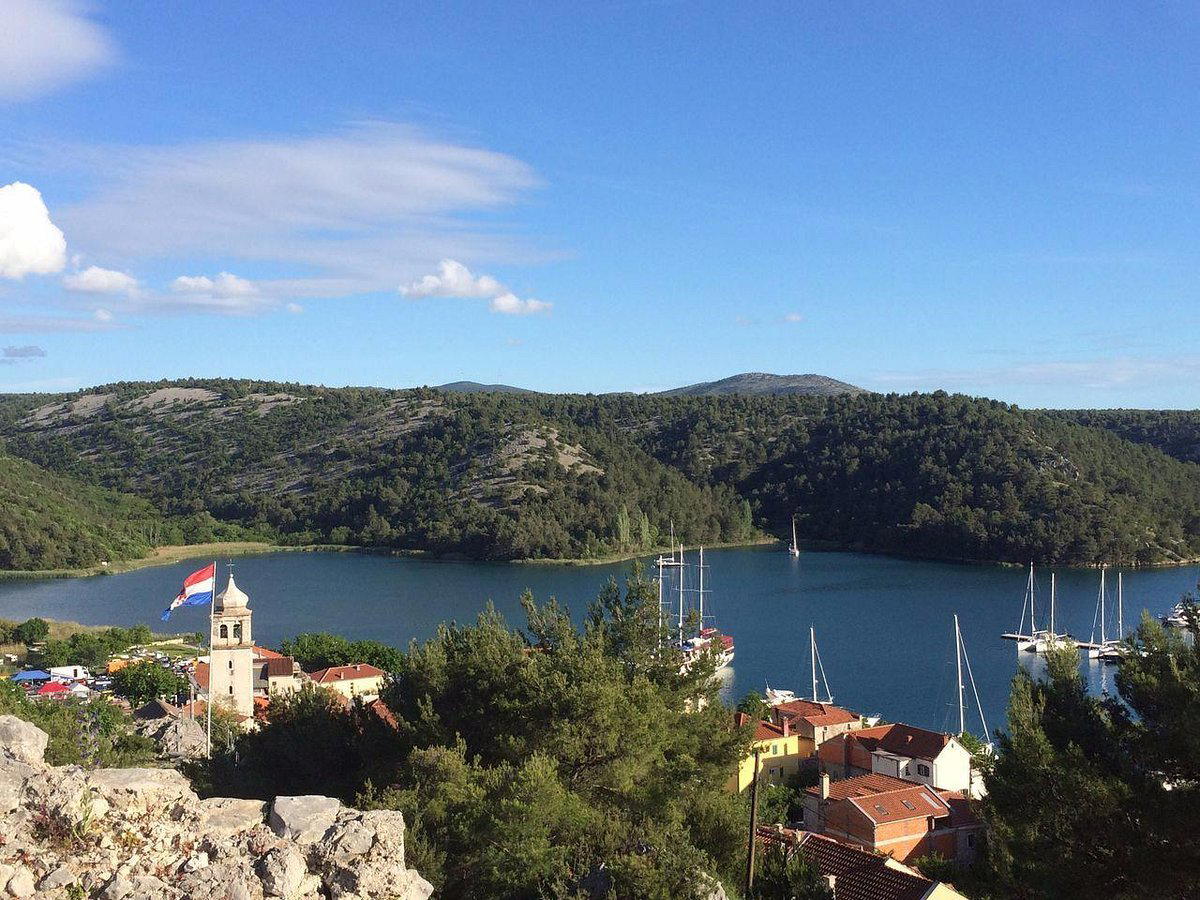
Betina sits on the eastern edge of Murter Island, connected to the mainland by a bridge narrow enough to remind you this is still, functionally, an island. The settlement's waterfront, Obala Petra Krešimira IV, runs along the inner channel of the Murter Sea, a stretch of the Adriatic known to local fishermen long before it appeared on any dining map. Arriving at Trabakul along that quay, the geometry of the scene is immediately clear: water on one side, stone on the other, and the kind of quiet that coastal Dalmatia still manages in the shoulder months when the charter boats have moved on.
This is the physical and culinary logic that defines the dining tradition Trabakul operates within. Along the Croatian coast, the most durable restaurants are those whose menus are effectively written by geography: what the boats bring in, what grows in the hinterland, what the season allows. The kitchen at Trabakul, at this address on Betina's quayside, operates inside that tradition rather than in spite of it.
The Šibenik County Larder
The broader Šibenik County coastline, of which Murter and Betina form the northern edge, is one of the more productive stretches of the Adriatic for small-scale fisheries. The Kornati archipelago begins just offshore from Murter, and the channels between those limestone islands shelter bream, dentex, and mullet in concentrations that support artisanal fishing at a scale that still feeds local restaurants rather than export markets. This proximity to the source is not incidental to how places like Trabakul cook; it is the structural condition that makes their menus credible.
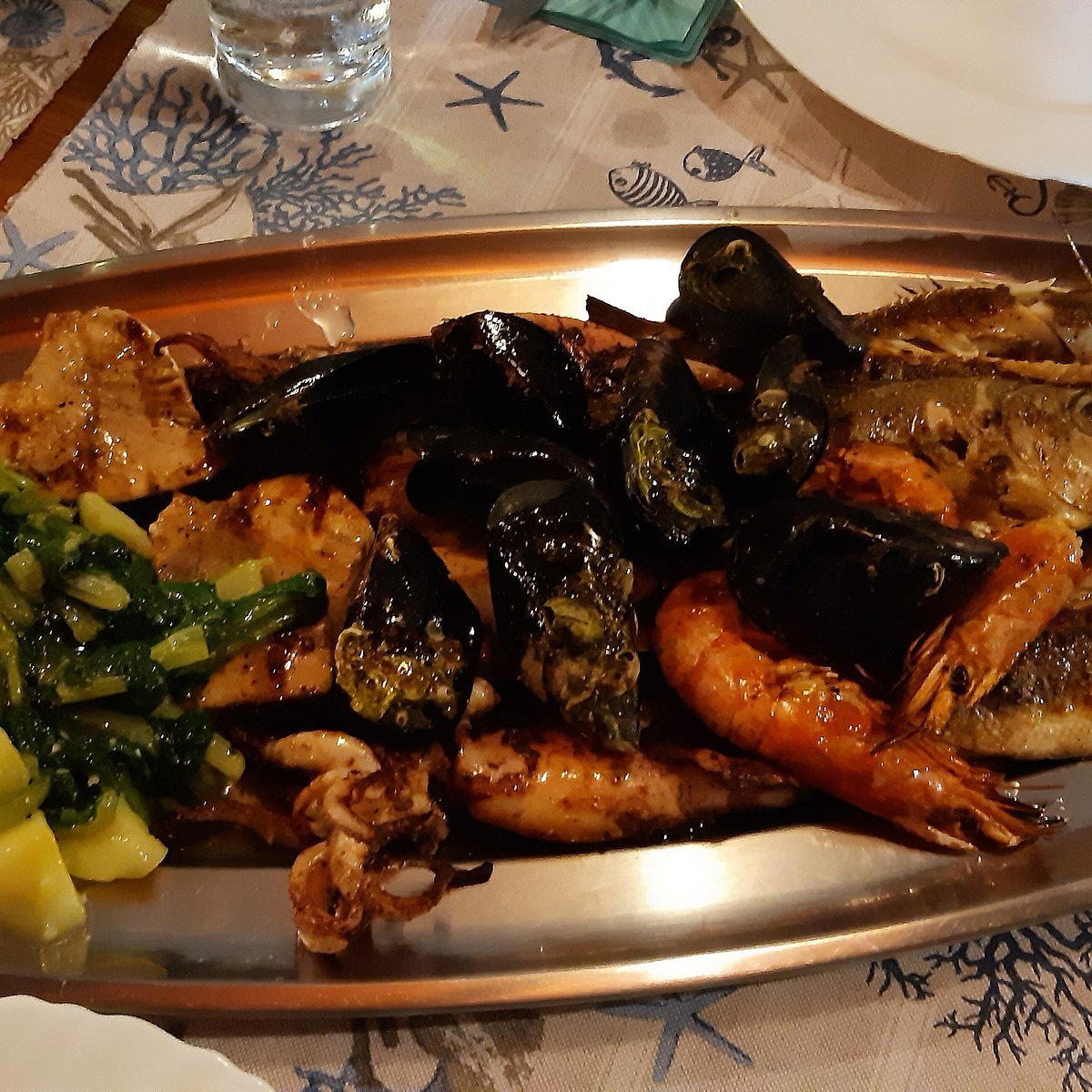
Croatian coastal cooking in this register has a grammar worth understanding. Fish arrives whole and is prepared simply: grilled over wood, baked under a peka (the cast-iron bell that functions as a slow oven), or served raw with nothing more than good olive oil and sea salt. Shellfish from the channel, particularly the small, intensely briny specimens that come from colder, cleaner water, need little intervention. The restraint is not modesty; it is confidence in the ingredient. This is a different proposition from the contemporary Croatian fine dining emerging in Šibenik at venues like Pelegrini in Sibenik, where technique and sourcing operate in dialogue. At Betina's scale, the sourcing simply is the technique.
Further down the coast, the formal dining register shifts again. LD Restaurant in Korčula and Restaurant 360 in Dubrovnik represent the polished, international end of Croatian coastal gastronomy, both operating at a €€€€ price tier with menus that synthesize Adriatic ingredients through a modern European lens. Trabakul's position in Betina places it in a different register entirely: a village-scale address where the distance between sea and plate is measured in metres rather than in supply chain complexity.
Betina as a Dining Destination
Murter Island has not attracted the same critical attention as Hvar, Korčula, or the Pelješac Peninsula, and that relative quietness is part of the point. The village of Betina in particular, smaller and less trafficked than Murter town itself, retains the unhurried character that the more popular Dalmatian islands have largely traded away. Visitors arriving specifically for the food tend to have done their research; this is not a stop made by accident.
The island's position also makes it a logical base for exploring the broader Šibenik-Knin County dining circuit. Šibenik itself is a 40-minute drive around the bay, placing the Pelegrini counter and the city's other serious restaurants within reach of a day trip. Those moving north along the coast can loop through to Burin in Crikvenica or across to the Kvarner for Cubo in Opatija. Further inland, the continental Croatian tradition takes over, represented by addresses like Dubravkin Put in Zagreb and Korak in Jastrebarsko, which operate in an entirely different ingredient logic from the coast. The contrast between these two poles of Croatian cooking, Adriatic and Pannonian, is one of the country's most interesting and least-discussed dining stories.
For the Adriatic island tradition specifically, comparison points like Boskinac in Novalja on Pag, or Bodulo in Pag, show how island kitchens further north in the Kvarner handle the same logic of local sourcing under different ecological conditions, Pag's lamb and cheese traditions operating alongside its Adriatic fish in a way that Murter's more strictly maritime economy does not replicate.
Planning a Visit
Betina is accessible by car from Šibenik via the D8 coastal road and the short bridge onto Murter Island, the drive takes approximately 40 minutes in normal summer traffic, longer in peak July and August when the Murter bridge junction can back up. The island has limited accommodation relative to the volume of summer visitors, so those planning to eat at the better waterfront addresses are well advised to arrange both lodging and table reservations well ahead of the high season. Shoulder months, May, June, and September, offer the same ingredients with considerably less competition for space.
Because Trabakul's venue data does not include published hours, phone, or online booking details, visitors should plan to contact the restaurant directly through the address at Obala Petra Krešimira IV 4, or inquire locally on arrival. Waterfront restaurants in Betina at this scale typically operate for lunch and dinner through the summer season, with reduced or suspended service in the winter months, a pattern consistent across small Dalmatian island addresses. See our full Betina restaurants guide for broader context on eating in the area.
For a wider frame of reference on ingredient-led coastal cooking in the Adriatic and beyond, the sourcing discipline visible at this scale of Croatian restaurant finds parallels at addresses like Agli Amici Rovinj in Rovinj, where Italian contemporary technique meets Istrian sourcing, and at the furthest end of that spectrum, kitchens like Le Bernardin in New York City, where the primacy of the fish as ingredient is also the organising principle, just expressed through an entirely different technical and economic framework. The underlying argument is the same: when the ingredient is genuinely exceptional, the cook's first obligation is not to obscure it.
Frequently asked questions
Is Trabakul good for families?
Betina is a working fishing village on Murter Island rather than a resort town, which gives restaurants here a relaxed, unpretentious register that generally suits families well. The waterfront setting on Obala Petra Krešimira IV keeps things informal. Specific family facilities at Trabakul are not documented, so confirming directly before visiting with young children is advisable.
What should I expect atmosphere-wise at Trabakul?
Trabakul sits on the eastern harbour edge of Betina, a village that has not been reshaped by mass tourism in the way Hvar or Korčula have. That means the atmosphere skews local and low-key rather than scenic and performative. The address on Obala Petra Krešimira IV places it directly on the waterfront, so the physical setting does most of the work.
Does Trabakul's location in Betina make it difficult to reach compared to other Dalmatian coast restaurants?
Betina is accessible from Šibenik via the D8 coastal road and a short bridge onto Murter Island, a drive of approximately 40 minutes. That puts it within reach as a day trip from Šibenik or as a stop en route along the northern Dalmatian coast. Travellers staying on Murter Island will find it the most proximate waterfront dining address in Betina itself.
What's the signature dish at Trabakul?
Restaurants in Betina working with local suppliers tend to build their menus around whatever the day's catch delivers rather than fixed signature plates.
What's the address for Trabakul?
Trabakul is located at Obala Petra Krešimira IV 4, 22244, Betina, Croatia, Betina.
What makes Trabakul worth seeking out?
Murter Island sits at the northern edge of Šibenik County and has attracted far less critical attention than the more prominent Dalmatian islands further south, which keeps the dining here oriented toward local rhythms rather than visitor expectations. Trabakul's position on the Betina waterfront at Obala Petra Krešimira IV places it within a fishing community that has direct access to the Adriatic catch. For travellers who have already worked through the better-documented Dalmatian coast stops, Betina offers a different pace.
At-a-Glance Comparison
| Venue | Cuisine | Price | Awards | Notes |
|---|---|---|---|---|
| TrabakulThis venue (the venue you are viewing) | Croatian Mediterranean with Pizza and Seafood | Not listed | Not listed | Not listed |
| Pelegrini | Modern Dalmatian Fine Dining | $100–150 | 1 Michelin Star · La Liste Top Restaurants | Mediterranean, Modern Cuisine |
| Restaurant 360 | Modern Mediterranean with Asian and French Influences | $200–300 | 1 Michelin Star · La Liste Top Restaurants | International, Modern Cuisine |
| Foša | Modern Seafood | $50–100 | Michelin Plate | Croatian, Classic Cuisine |
| Nautika | Traditional Mediterranean Seafood | $100–150 | Michelin Plate · Star Wine List | Modern European, Classic Cuisine |
| Agli Amici Rovinj | Modern Mediterranean Fine Dining | $200–300 | 2 Michelin Stars · La Liste Top Restaurants | Italian Contemporary |
Continue exploring
More in Betina
Restaurants in Betina
All restaurants in Betina →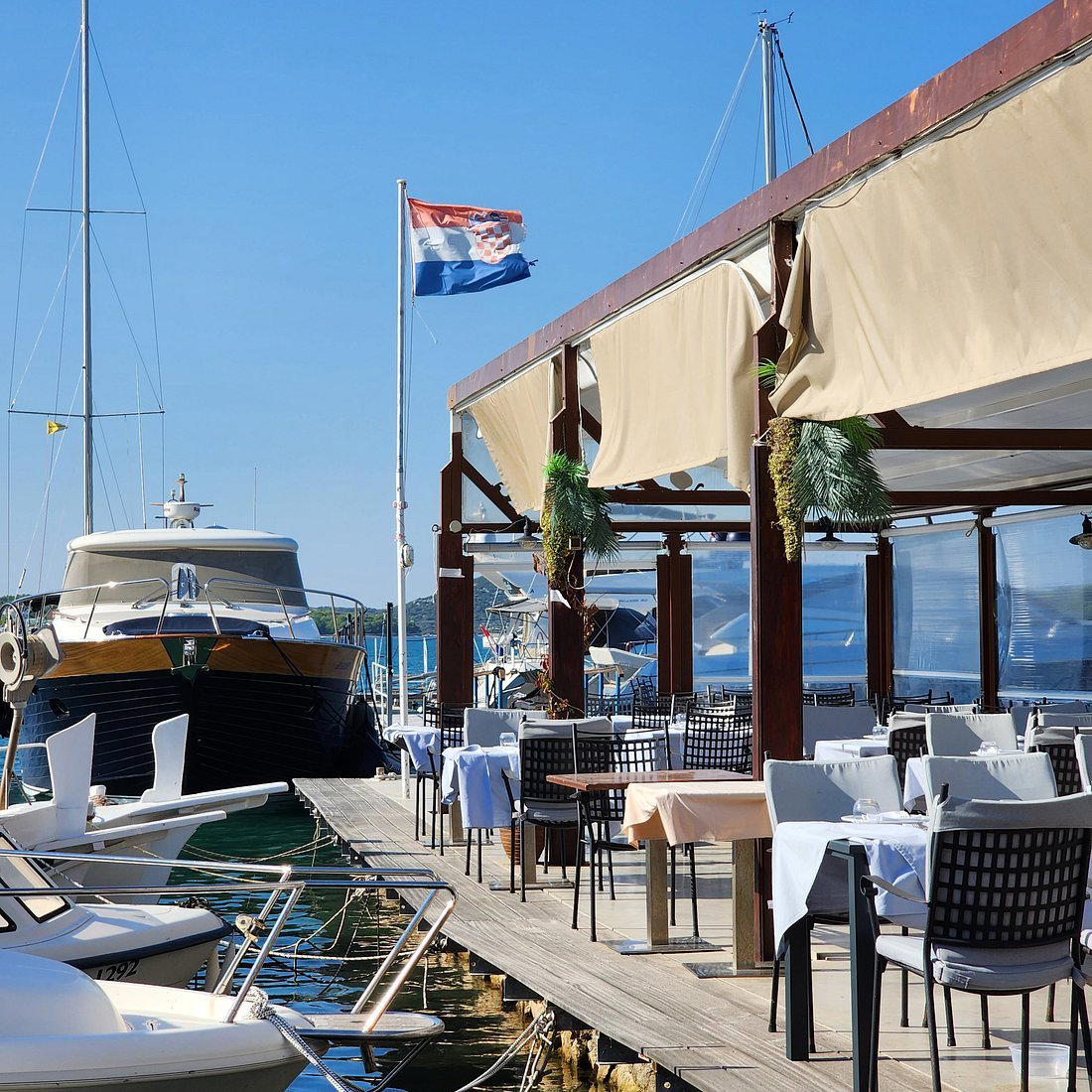

Details
- Rustic
- Cozy
- Casual Hangout
- Family
- Waterfront
- Terrace
- Waterfront
- A La Carte
- Vegetarian Friendly
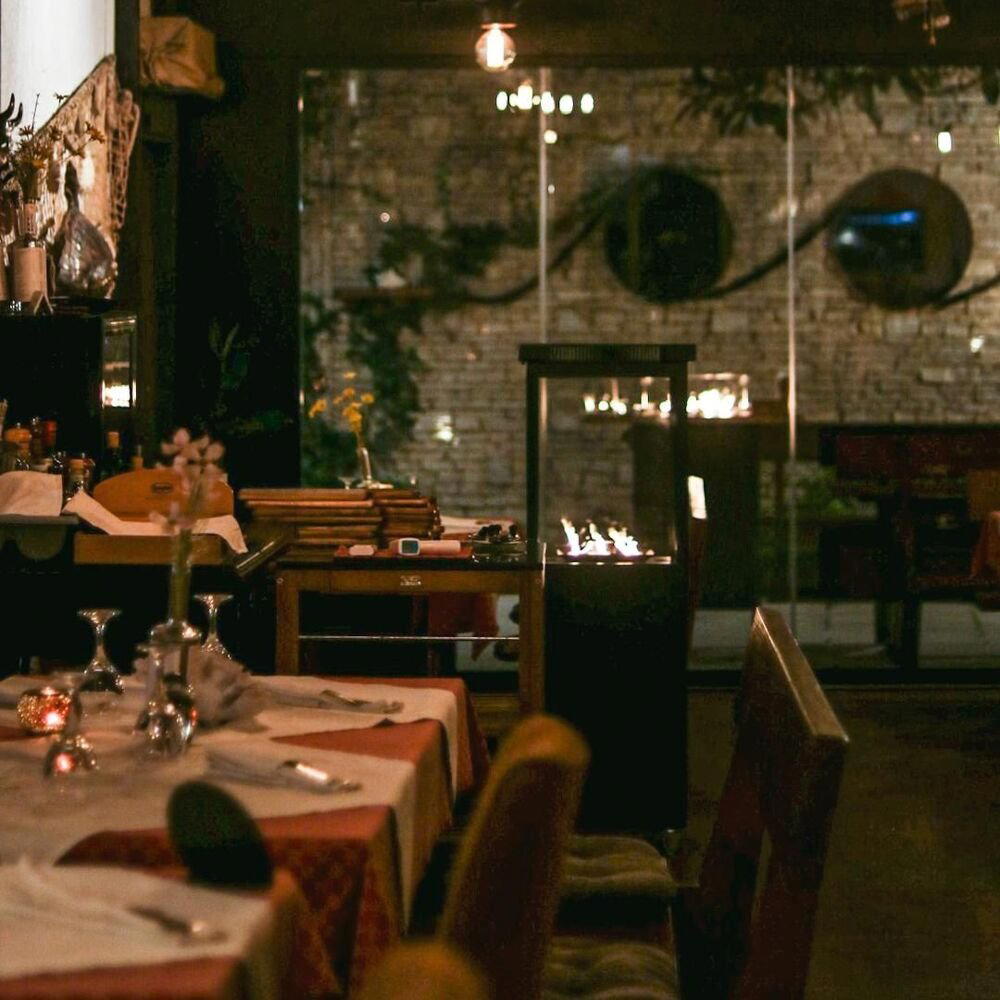
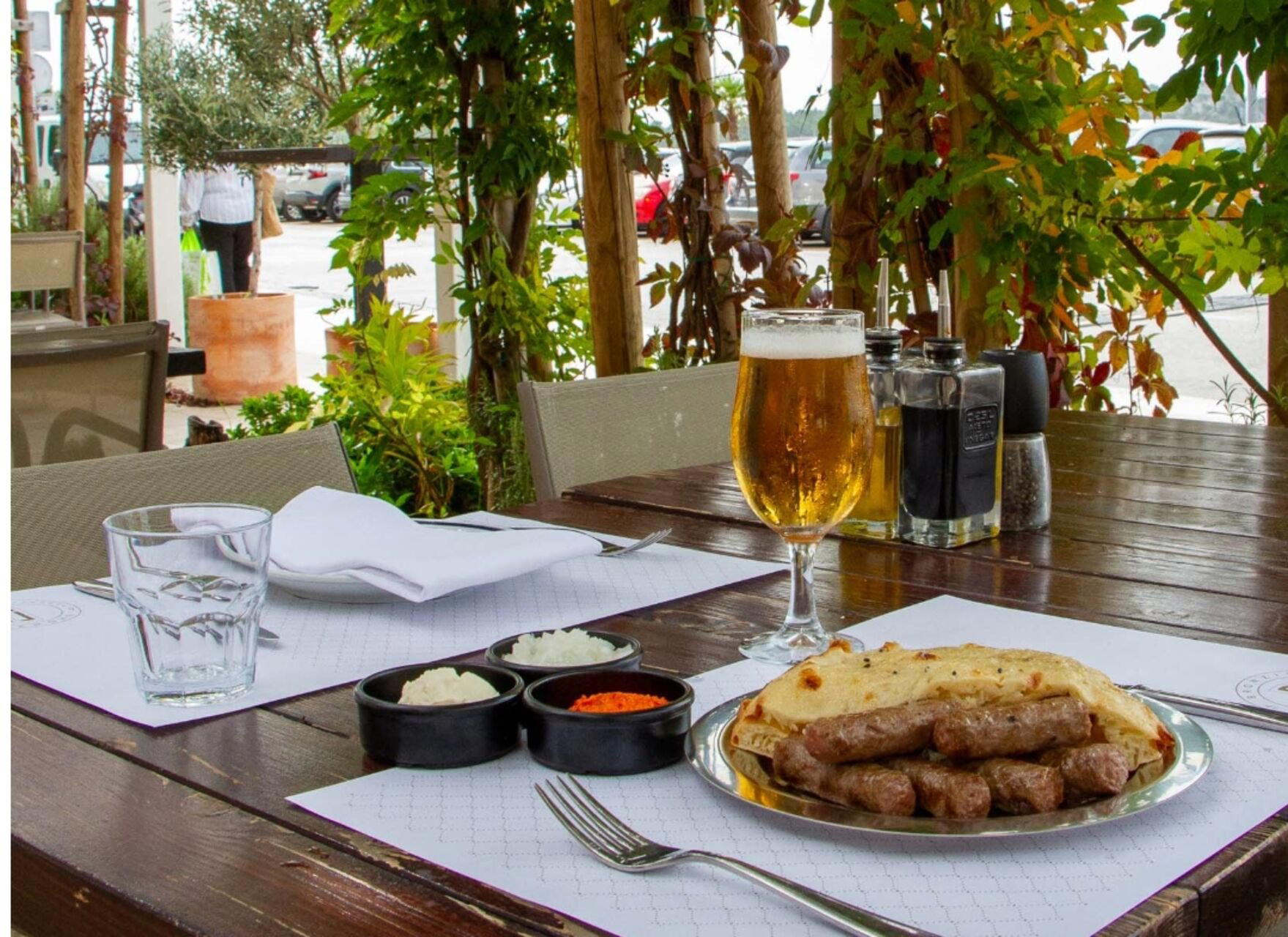
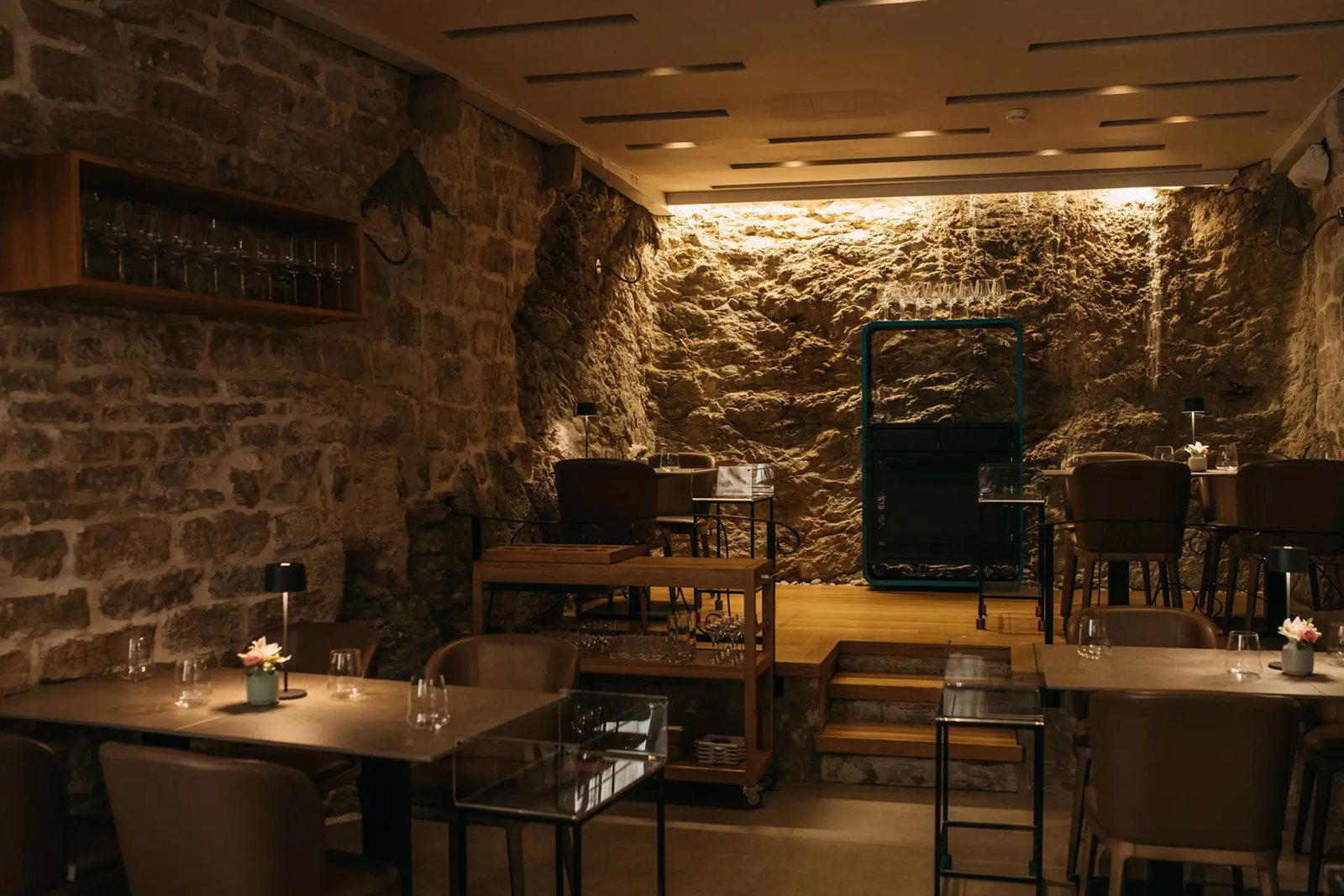
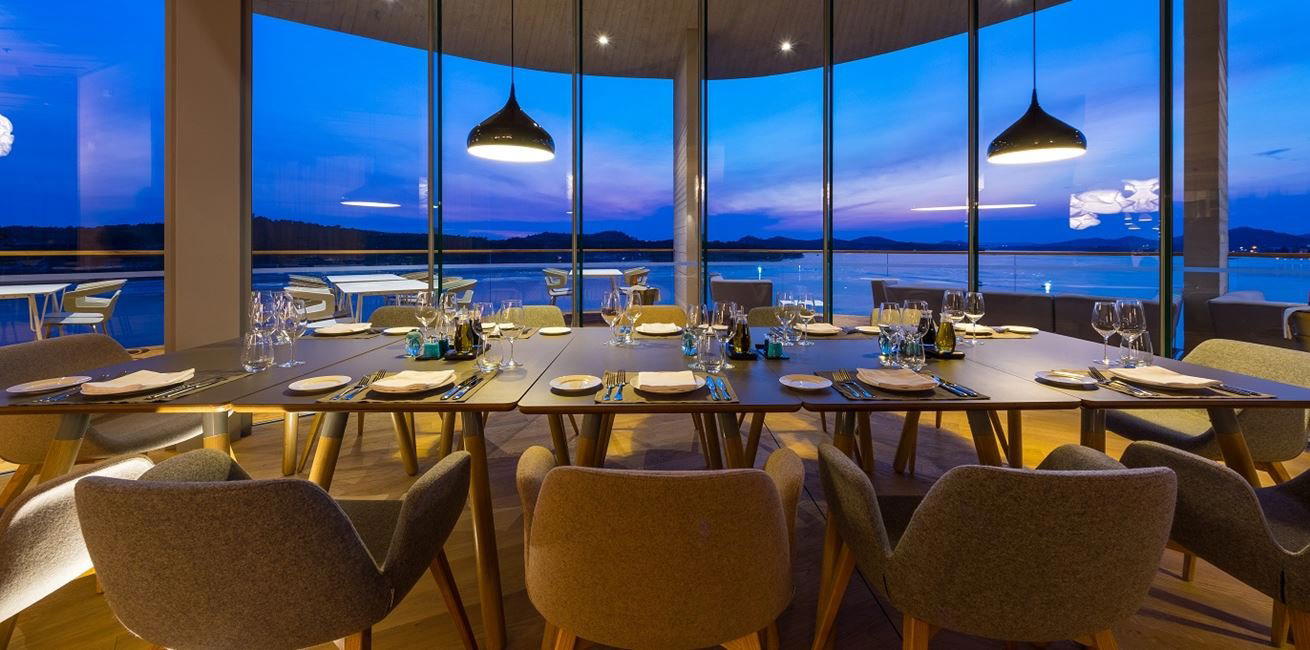
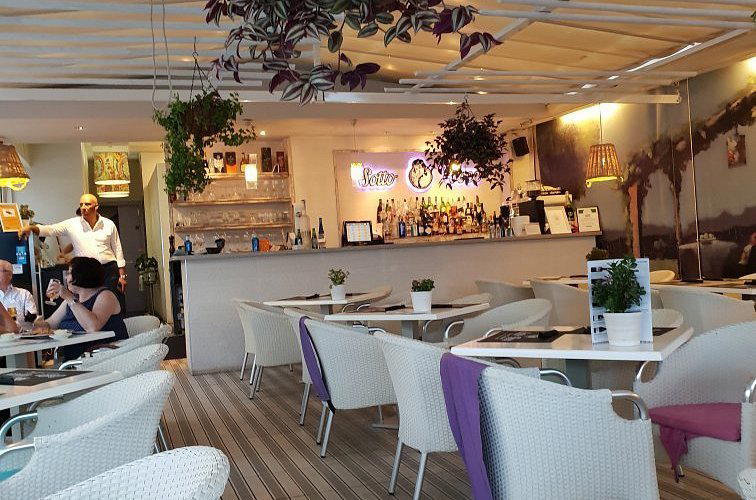
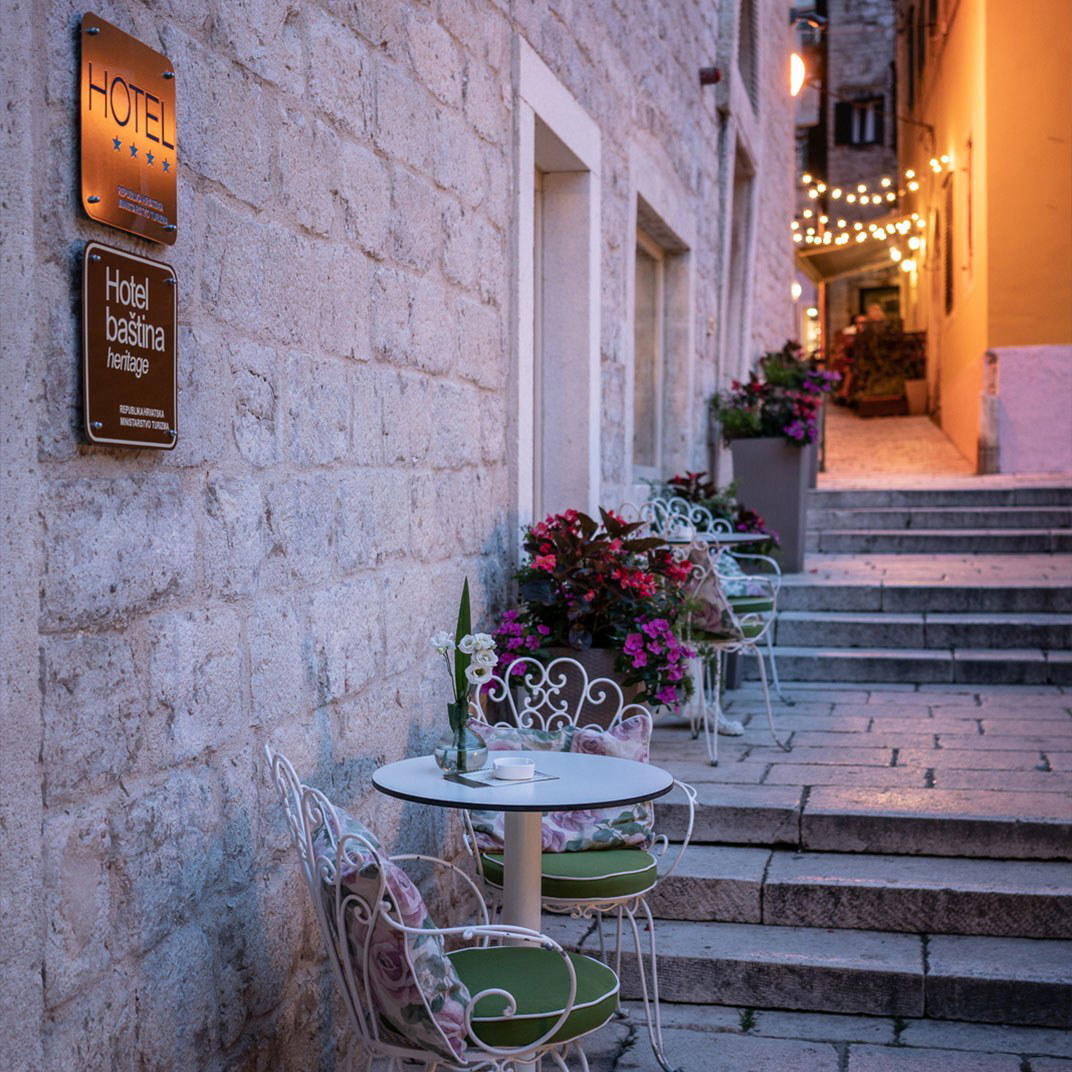
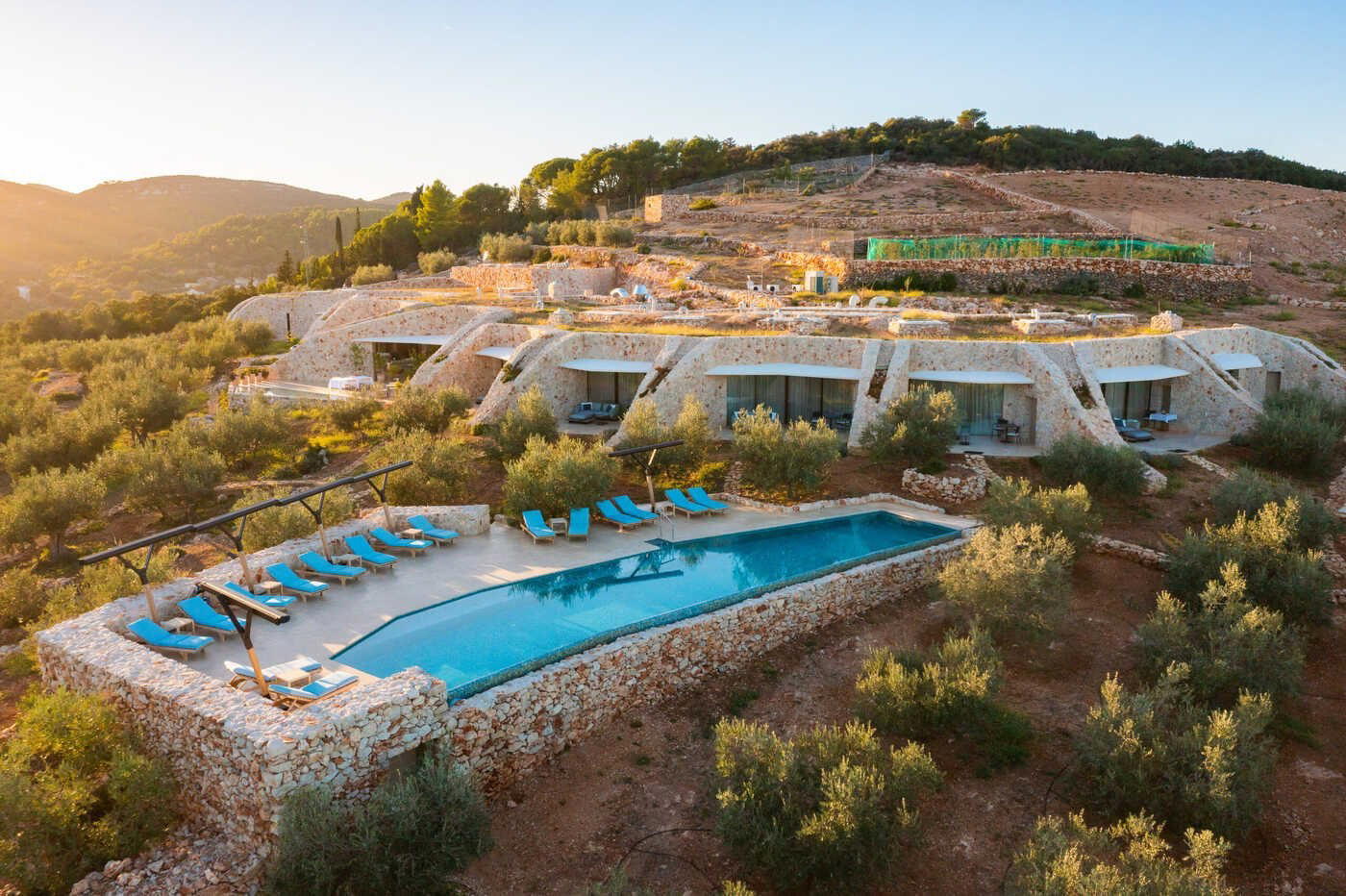
Rustic atmosphere with natural stone walls, inner courtyard overlooking the sea, and comfortable terrace.