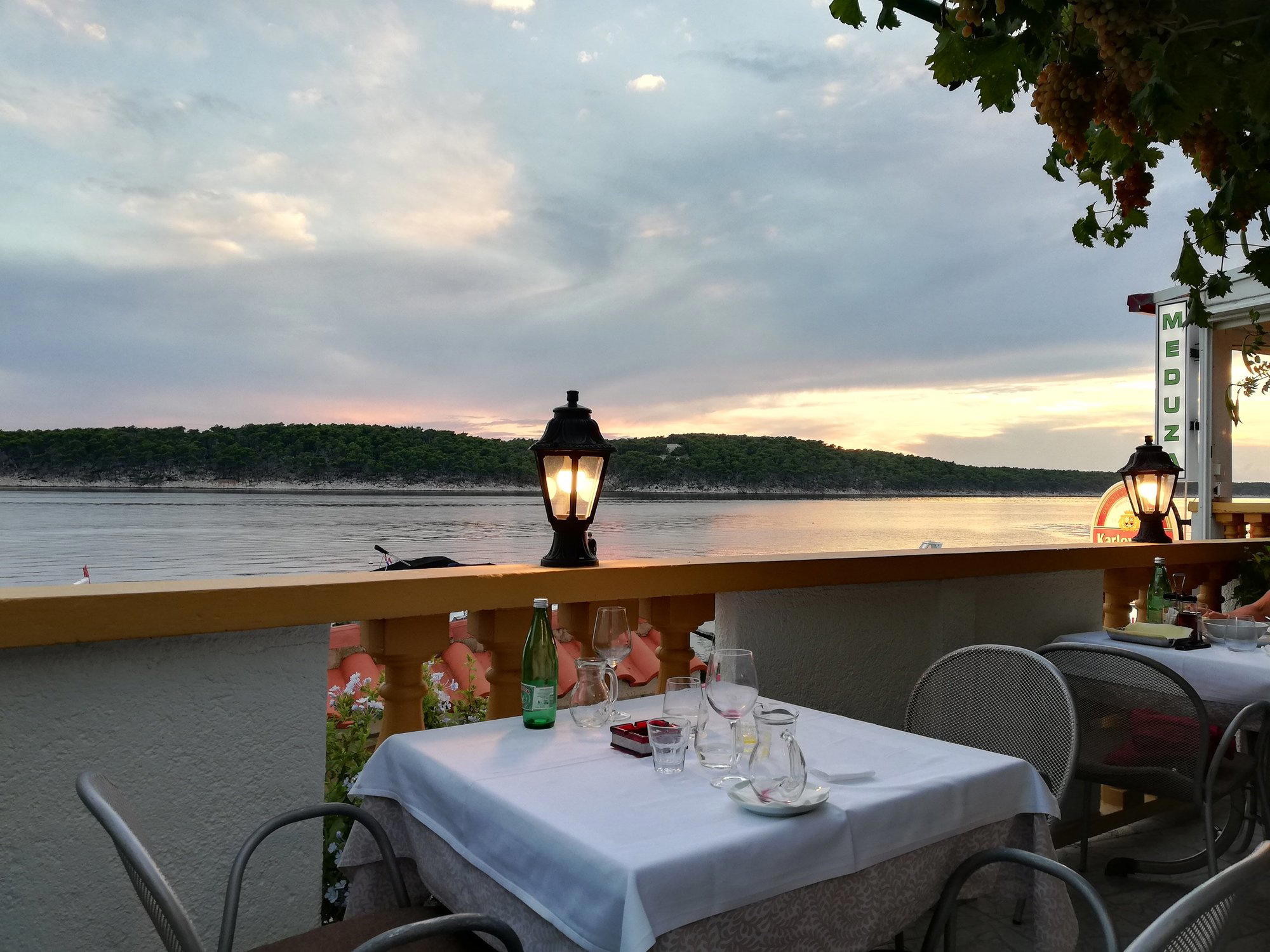
Didova kuća sits in Šimuni on the island of Pag, a setting shaped by karst stone, bura winds, and a food culture built around lamb, cheese, and the Adriatic. The restaurant operates within a tradition of konoba-style hospitality that defines rural Dalmatian dining, where the produce, Pag lamb, Paški sir, does most of the talking. For visitors exploring the island's quieter northern reaches, it represents the kind of place that rewards local knowledge over advance planning.
Pearl is the En Primeur Club membership app — saves, bookings, and concierge access live there. Same editors, same standards.
- Address
- Šimuni 39, 23251, Kolan, Croatia
- Phone
- +38523697219
- Website
- didovakuca.com
- Directions
- Get directions
 Saves & bookings on Pearl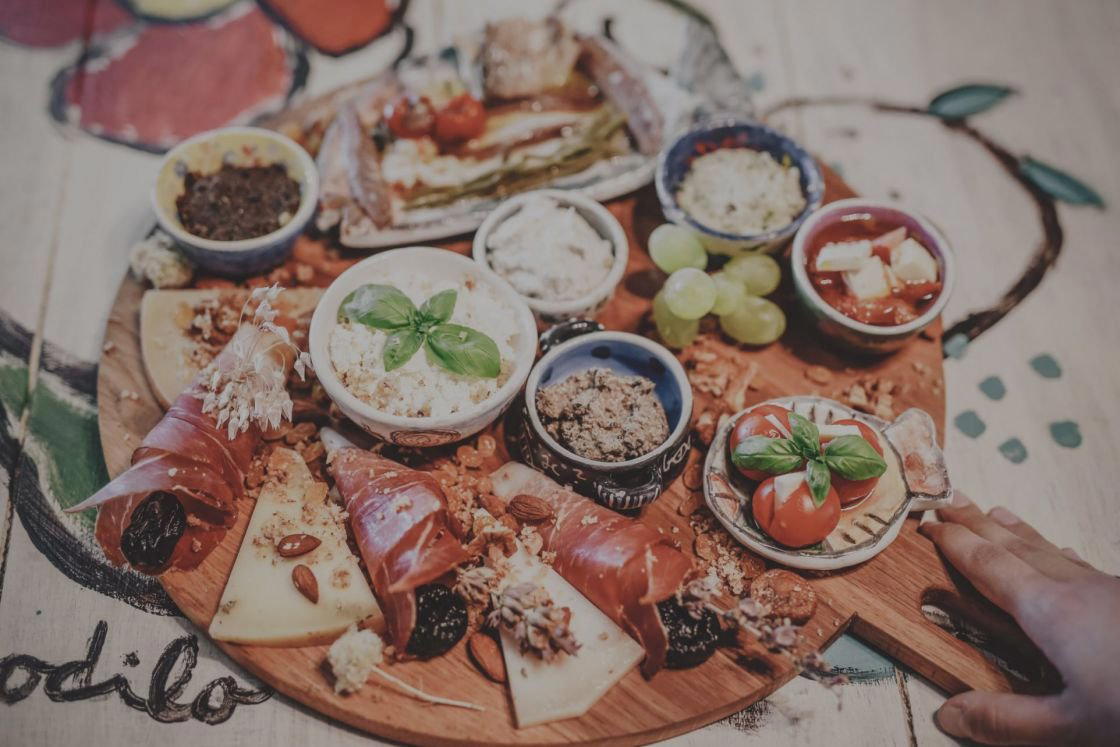
Stone, Salt Air, and a Tradition That Predates the Restaurant
The northern end of Pag island, where the village of Šimuni faces a sheltered bay along the Kolan municipality, sits at a remove from the sun-deck tourism that concentrates further south around Novalja. Here, the landscape is limestone and scrub, grazed by sheep whose meat carries a flavour shaped by the salted grasses and the bura, the sharp northeastern wind that desiccates the vegetation and, in turn, concentrates the flavour of everything that grazes on it. Dining in this part of Pag is not a performance. It is, at its leading, an encounter with a food culture that has been accumulating logic for centuries.
Didova kuća is a restaurant in Šimuni, Kolan, Croatia, serving Traditional Croatian Seafood & Grill at about $25 per person. Didova kuća operates within that context. The address, Šimuni 39, on the quieter western shore of the island, places it away from the main tourist circuits, in a zone where konoba-style hospitality still functions as it was designed to: as an extension of the household, organised around what is produced locally and prepared without theatrical intervention. That structural simplicity is what defines the better rural tables on Pag, and what separates them from the polished Adriatic-modern format you find at places like Boskinac in Novalja, where a wine estate and design hotel frame the dining experience in a different register.
What Pag Produces and Why It Matters at the Table
To understand why dining on Pag commands serious attention, you have to understand what the island makes. Paški sir, the island's PDO-protected sheep's milk cheese, is among the more discussed cheeses in Croatian gastronomy, recognised for its sharp, granular texture and the faintly marine quality that comes from the same bura-salted grasses that feed the sheep. Pag lamb, peka-roasted or spit-turned, carries an equivalent reputation: leaner than continental lamb, with a mineral depth that chefs at restaurants far beyond the island's shores actively source.
This is the raw material that gives a place like Didova kuća its reason for existing. Rural konobe on Pag do not need to manufacture a concept, because the produce is the concept. What matters is sourcing fidelity and technique, not innovation. The comparison worth drawing here is not with the modernist Adriatic cooking at Pelegrini in Sibenik or the formal international register of Restaurant 360 in Dubrovnik, but with the honest regional table tradition that those restaurants have, to varying degrees, moved away from. Croatia's most decorated rooms, including Agli Amici Rovinj in Rovinj and Nebo by Deni Srdoč in Rijeka, draw from the same regional pantry but translate it through a different formal grammar. The konoba tradition the restaurant belongs to is a different argument entirely.
Where Šimuni Sits Within the Island
Pag's dining scene divides along a clear geographic axis. Novalja at the southern end draws summer crowds and supports a handful of more ambitious tables. The town of Pag itself, midway along the island, holds a tight knot of restaurants worth attention, including Bodulo and Trapula Wine & Cheese, the latter of which takes a more deliberate, wine-focused approach to the island's cheese and charcuterie traditions. Šimuni, by contrast, sits on the western coast facing the mainland, reached via the road that runs north from Pag town. It is quieter, less visited, and functions as a base for leisure sailing as much as for tourism.
That geography matters for anyone planning around the restaurant. Visitors coming from the mainland cross via the bridge at the island's southern end and should plan for a drive north; those arriving by ferry from Prizna land closer to Novalja and approach from the opposite direction. In both cases, the journey through the limestone interior is part of the orientation.
The Konoba Tradition in Croatian Island Dining
The konoba, as a format, resists easy comparison with its counterparts elsewhere in the Adriatic. It is not a trattoria, not a taverna, not a bistrot. The Croatian version carries a specific domestic logic: food is close to home cooking in method, portions are calibrated for sharing, and the wine programme, where it exists at all, leans on local production rather than regional prestige. On Pag, that typically means Žutica or Gegić whites from the island's modest wine output, or broader Dalmatian selections.
What distinguishes better konobe from lesser ones is not ambition but coherence. The sourcing is local, the preparation is unforced, and the sequence of the meal follows the produce rather than the other way around. Island restaurants that operate within this tradition, as opposed to those that simulate it for tourist consumption, share a quality of unselfconsciousness that is genuinely rare as Croatia's coastal dining scene has grown more internationally aware. Comparable dynamics play out across the Adriatic: Humska Konoba in Hum in Istria, for instance, represents the inland version of the same logic, where geography and tradition do the conceptual work. Further afield, the commitment to place over performance connects in spirit, if not in format, to community-driven dining formats like Lazy Bear in San Francisco.
Planning a Visit
The summer months from June through August see the island at its busiest; shoulder season visits in May and September offer quieter conditions and, often, more attentive service at island restaurants operating below capacity. Anyone building a broader Croatian dining itinerary that extends beyond Pag might also consider Alfred Keller in Mali Lošinj for the island-hopping context, or LD Restaurant in Korčula for a more formal Dalmatian island dining comparison.
Cost and Credentials
Comparable venues nearby, for context on price, style, and recognition.
| Venue | Cuisine | Price | Notes |
|---|---|---|---|
| Didova kućaThis venue — the venue you are viewing | Not listed | $$ | Not listed |
| Bodulo | Not listed | $$ | Pag, Traditional Croatian Seafood & Pag Lamb |
| Trapula Wine & Cheese | Old Town Pag, Croatian Cheese & Wine Bar | $$$ | Not listed |
| Bistro Pjat | Not listed | $$ | Old Town, Mediterranean Bistro with Croatian & Italian Influences |
| Pet bunara Dine&Wine | Zadar Old Town, Dalmatian Slow Food | $$ | Not listed |
| Konoba Porat | Not listed | $$ | Stara Novalja, Traditional Croatian Seafood |
Continue exploring
More in Pag
Restaurants in Pag
Browse all →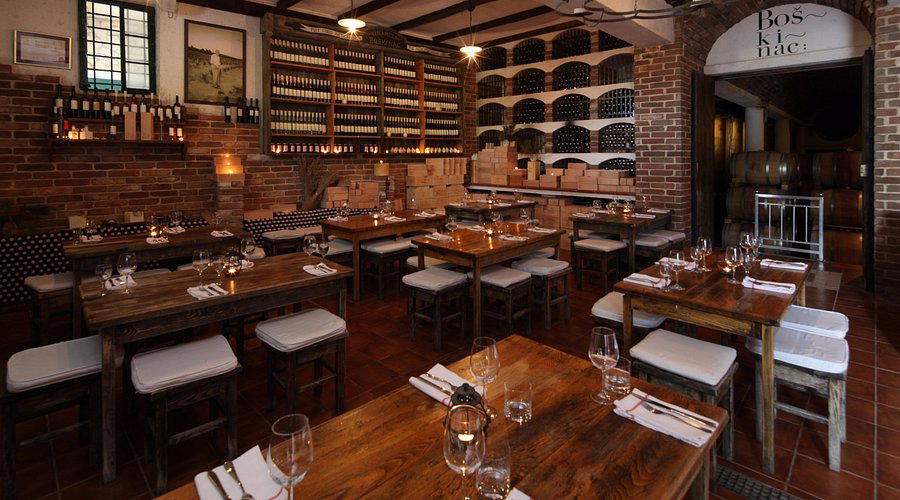
Bars in Pag
Browse all →
Hotels in Pag
Browse all →
Wineries in Pag
Browse all →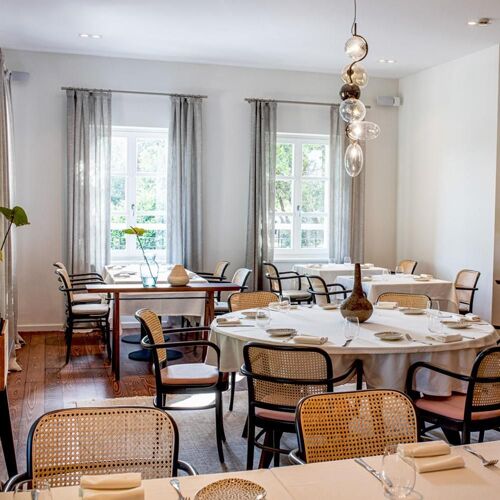
At a Glance
- Rustic
- Cozy
- Classic
- Family
- Casual Hangout
- Group Dining
- Standalone
- Terrace
- Local Sourcing
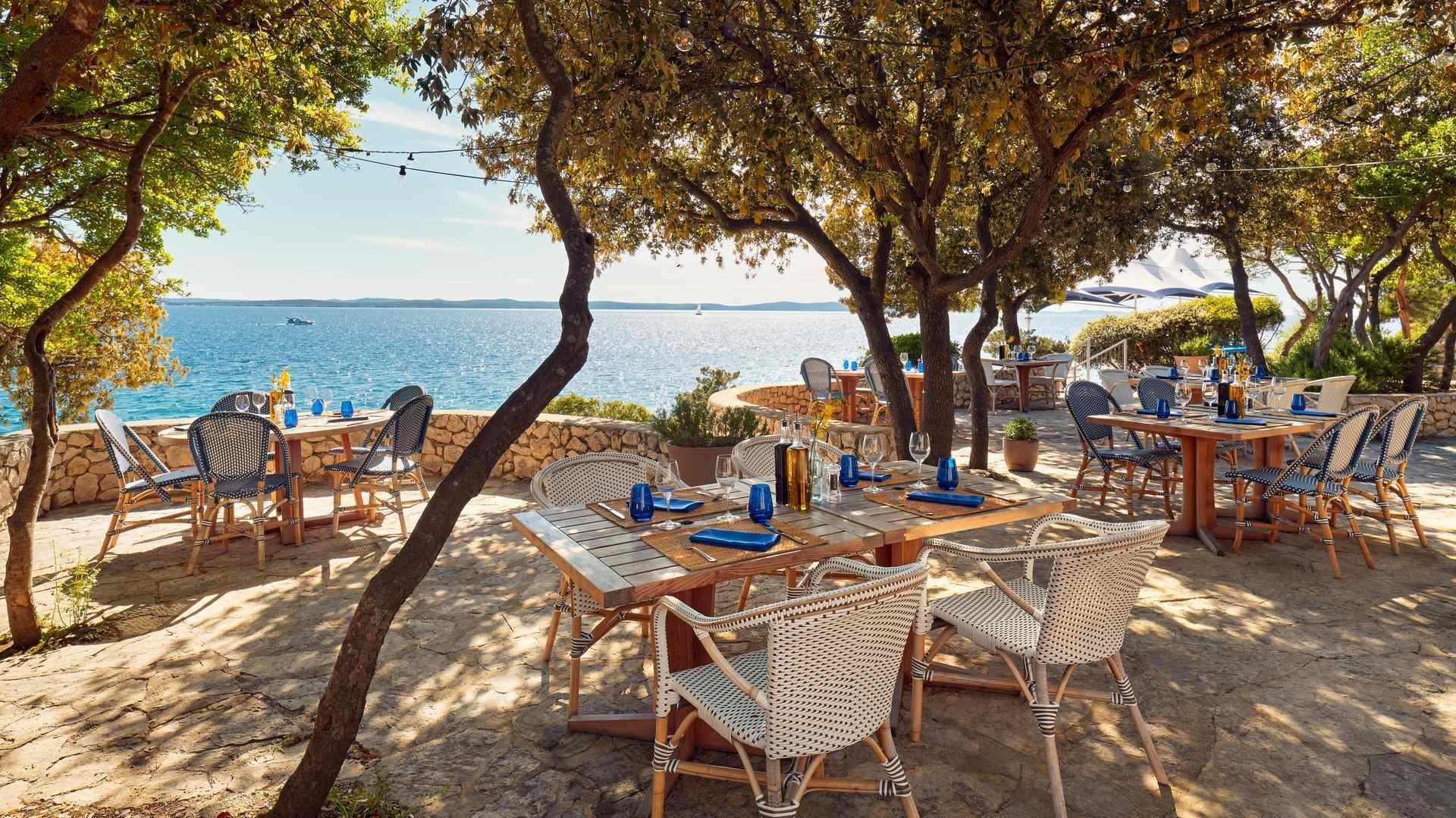
Cosy and intimate with colorful chairs and hand-painted ceramics, creating a warm, family-oriented atmosphere that feels authentically Croatian and welcoming.