
Tabelog 100 #1
Our verdict
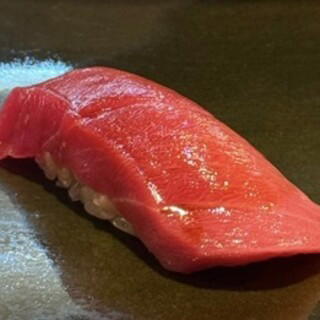
Toyo Zushi places Omiya’s sushi culture in a serious regional register, with Tabelog Sushi EAST 100 selections in 2021 and 2025 and a 3.76 score. The appeal is not Tokyo-style theater but a Saitama counter-and-room format where sushi, seafood, nabe, sake, shochu, and wine sit inside a broader local dining rhythm.

Pearl is the En Primeur Club membership app, where members save venues, book tables and use the concierge.
The menu
What to order
- Seasonal sushi assortment
- Sashimi platter
- Japanese hot pot (nabe) courses
Saitama has the practical energy of a rail-connected dining city: fast commuters, office groups slipping into side streets, and restaurants working in a less performative register than central Tokyo. Here, sushi is not only a high-wire counter ritual; it can also be a place for everyday seafood meals, group dining, and seasonal Japanese cooking. Toyo Zushi belongs to that broader model, where the sushi matters but the restaurant’s local usefulness matters too.
That distinction matters in Saitama. Tokyo sushi culture often narrows attention to tiny counters, chef lineage, and reservation scarcity. Saitama’s stronger restaurants are often more mixed-use: useful for locals, serious enough to draw diners who follow regional awards, and less dependent on destination hype. For wider planning, start with Our full Saitama restaurants guide, then read this address as part of Saitama’s mature dining circuit, not a novelty detour.
Saitama sushi with a broader seafood format
The key cultural signal is category. Toyo Zushi is listed for sushi, seafood, and nabe, which places it outside the ultra-minimal omakase template. The format suggests several Japanese dining occasions at once: a sushi meal, a seafood-led dinner, a small celebration, or a seasonal hot-pot outing. In Japan, sushi restaurants with this breadth often function as neighborhood seafood houses as much as specialist counters.
That breadth is the point. Seafood and nabe alongside sushi indicate a restaurant built around more than a single counter narrative. Nothing in the provided public-facing profile requires a chef-personality showcase. The story is a durable local sushi house serious enough to enter the regional conversation.
That seriousness is measurable. Toyo Zushi is listed in the 2025 Tabelog Hyakumeiten recognition set, and its listed score is 3.76. In Japan, Tabelog has deep domestic usage and category-specific attention, so this kind of recognition matters to diners comparing restaurants by genre and region. For a Saitama sushi restaurant, that recognition places it among addresses diners may compare across prefectural lines, not only nearby.
Why Saitama's stronger tables are not trying to be Ginza
Saitama dining rewards a different reading than Tokyo dining. Its appeal is strongest when restaurants know local demand: precision without stiffness, price discipline, accessibility, and formats built for repeat use. Among the comparison set, Niboshi Chuka Soba Senmon Niboshi Maru and Temomi Chuka Soba Nakamura operate in a ramen lane, while Yakiniku New Hiuchi and Sumibi Yakiniku Niku no Takumi Hiuchi sit in the grilled-meat tier. Against those categories, a sushi restaurant with regional award recognition and a broader seafood format occupies a more formal lane without becoming rarefied in the Tokyo sense.
This is where Saitama helps travelers who care about food but do not want every meal to become a trophy chase. The city supports casual specialists, local dining rooms, and neighborhood favorites such as Beach Story. These venues do not compete directly with sushi; they show Saitama’s food culture built from repeatable, neighborhood-specific strengths rather than one luxury corridor.
For broader itineraries, the same practical lens applies beyond restaurants. Our full Saitama hotels guide, Our full Saitama bars guide, Our full Saitama wineries guide, and Our full Saitama experiences guide are planning tools, not checklist material. Saitama works well when dining ties into rail movement, local errands, and evening plans rather than isolated sightseeing.
How to read the meal: sushi as local institution, not spectacle
At this level, do not chase a named signature dish. The available signals point to a sushi and seafood base, with nabe in the category mix. That combination belongs to a Japanese tradition where seasonality is often expressed through product selection and meal structure rather than long menu explanation. The broader category set changes the tone: sushi-focused diners can still find the center of the restaurant, while seafood and nabe widen the meal’s social range.
The published budget places dinner at JPY 10,000 - JPY 14,999 and lunch at JPY 4,000 - JPY 4,999. That positions Toyo Zushi as a serious Saitama meal without requiring the assumptions that often attach to Tokyo destination counters. For practical details beyond the listed categories, price range, score, and recognition, diners should confirm directly with the restaurant.
EP Club’s view is that Toyo Zushi is compelling as evidence of Saitama’s mature sushi culture: serious enough for 2025 Tabelog Hyakumeiten recognition, local enough to read as part of the city’s dining fabric, and broad enough to include sushi, seafood, and nabe without losing its sushi center. Readers mapping Japan through dining should keep a wide lens: regional food culture can be as revealing at a Saitama sushi restaurant as at a destination counter in Tokyo.
For broader Japan dining context, compare how category and city shape expectations across other Japanese dining rooms, from sushi and seafood specialists to casual noodle shops, grilled-meat restaurants, and rice-focused venues. Outside Japan, Japanese drinking and rice traditions can shift again when translated for overseas diners, which makes Toyo Zushi’s Saitama context worth reading on its own terms.
Frequently asked questions
What's the price range at Toyo Zushi?
Pricing at Toyo Zushi is listed as Dinner: JPY 10,000 - JPY 14,999; Lunch: JPY 4,000 - JPY 4,999.
What are Toyo Zushi's hours?
Specific hours for Toyo Zushi are not provided in the available ground-truth details. Confirm directly with the restaurant before visiting.
Where exactly is Toyo Zushi?
Saitama.
What do critics highlight about Toyo Zushi?
The strongest signal is formal recognition: Toyo Zushi is listed in the 2025 Tabelog Hyakumeiten recognition set, with a listed score of 3.76. Its categories are sushi, seafood, and nabe, which points to a polished local sushi house with a broader seafood format.
Do they accommodate allergies at Toyo Zushi?
Those details are not provided in the available ground-truth information. Because Toyo Zushi is listed for sushi, seafood, and nabe, advance confirmation is especially important for seafood allergies. Check the venue's official channels for the latest details.
Booking and Cost Snapshot
Comparable venues by cuisine and price in the same metro.
| Venue | Cuisine | Price | Awards | Notes |
|---|---|---|---|---|
| Toyo ZushiThis venue (the venue you are viewing) | Traditional Sushi & Hot Pot | $50–100 | Tabelog 100 #1 | Not listed |
| Wataya | Traditional Izakaya & Sake Bar | $50–100 | Tabelog 100 #84 | Urawa, Traditional Izakaya & Sake Bar |
| Jikasei Temomimen Suzunoki | Handmade Flat Noodle Ramen | $10–20 | Not listed | Sayamagaoka, Handmade Flat Noodle Ramen |
| Shokujidokoro Tarafuku | Japanese Teishoku / Cafeteria | Not listed | Tabelog 100 #98 | Chuo Ward, Japanese Teishoku / Cafeteria |
| Masuya | Traditional Unagi & Kaiseki Ryotei | $30–50 | Tabelog 100 #63 | Urawa, Traditional Unagi & Kaiseki Ryotei |
| goden | Ramen & Tsukemen | $10–20 | Tabelog 100 #81 | Urawa Ward, Ramen & Tsukemen |
Recognition history
Dated appearances from independent guides and award organizations, with the underlying list record or original source where available.
Tabelog 100 #1 · No. 1
Tabelog · Tabelog 100 - Sushi - EAST - 2025
Continue exploring
More in Saitama
Restaurants in Saitama
All restaurants in Saitama →


Bars in Saitama
Browse all →






Details
- Classic
- Cozy
- Quiet
- Date Night
- Group Dining
- Solo
- Family
- Casual Hangout
- After Work
- Chefs Counter
- Standalone
- Sake Program
- Beer Program
- A La Carte
- Set Menu
- Counter Dining
- Sake
- Beer
- Pescatarian Friendly
Current opening hours
- Monday
- Closed
- Tuesday
- 11:30 AM–1:30 PM, 5–10:30 PM
- Wednesday
- 11:30 AM–1:30 PM, 5–10:30 PM
- Thursday
- 11:30 AM–1:30 PM, 5–10:30 PM
- Friday
- 11:30 AM–1:30 PM, 5–10:30 PM
- Saturday
- 11:30 AM–1:30 PM, 5–9:30 PM
- Sunday
- 11:30 AM–1:30 PM, 5–9:30 PM
Hours can change for holidays and private events. Hours as of .
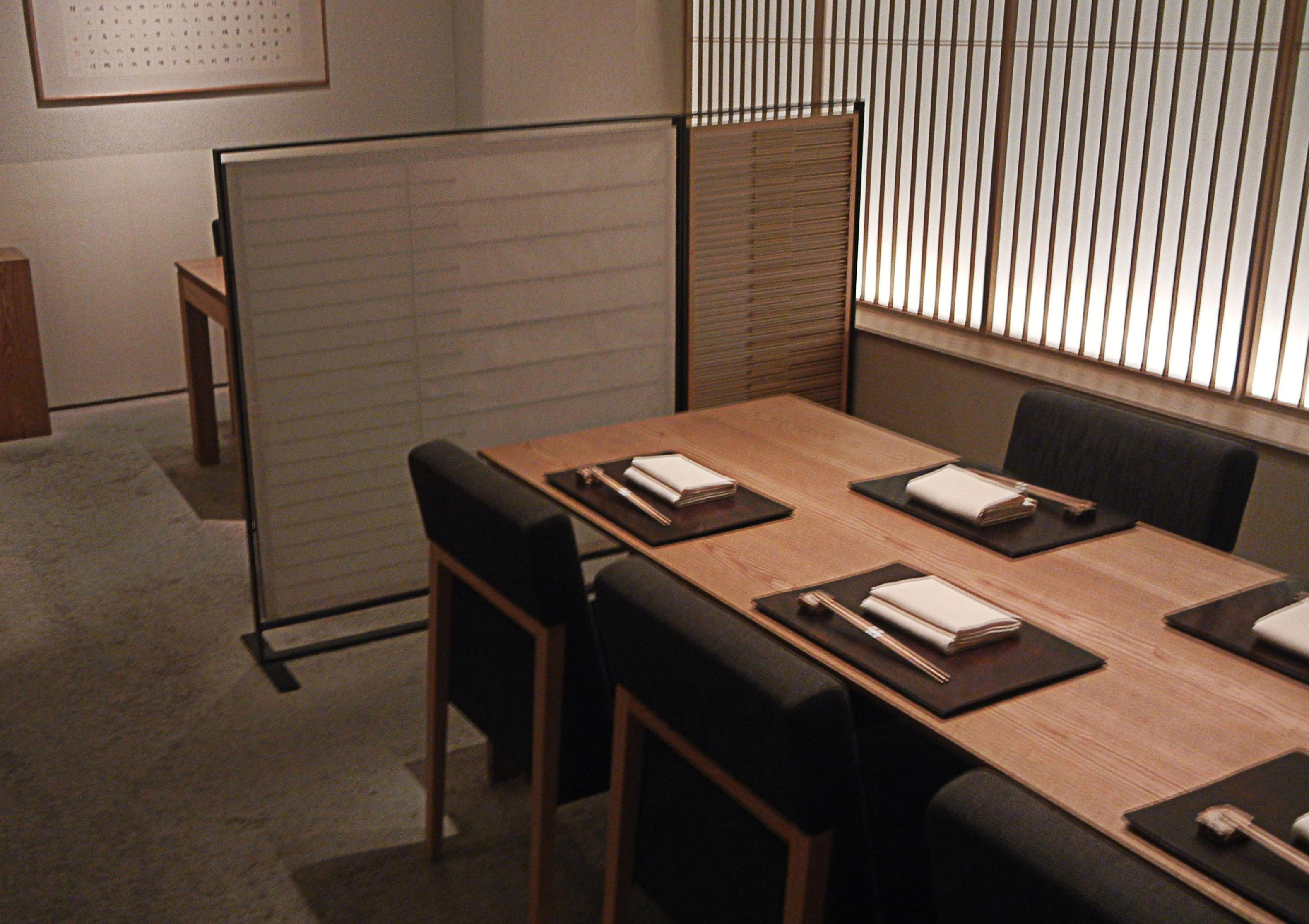
A small, classic neighborhood sushi restaurant with counter and table seating, softly lit and relaxed, oriented to quiet conversation and intimate group meals rather than a loud, bustling atmosphere.