
Tabelog 100 #63
Our verdict
Masuya places Urawa’s eel tradition in a broad, family-capable dining room rather than the tiny counter format associated with destination Japanese meals. Its 2024 Tabelog 100 Unagi selection gives the kitchen a clear signal of seriousness, while the menu’s orbit around eel, seafood, tempura, sake and shochu keeps the experience rooted in ingredient handling rather than spectacle.

Pearl is the En Primeur Club membership app, where members save venues, book tables and use the concierge.
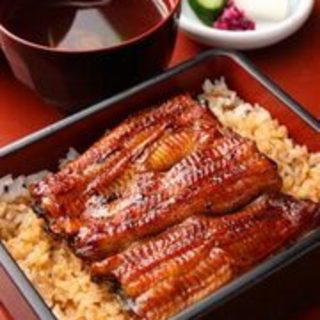
The menu
What to order
- Charcoal-grilled unagi kabayaki
- Unaju (eel over rice)
- Bando Taro domestic eel
- Seasonal kaiseki course menus
Approaching eel restaurants in greater Tokyo, the tell is often not theatre but timing and restraint: the cuisine depends on how freshwater eel is prepared, sauced and served before the rice loses its heat. In Saitama, that format reads differently from Ginza sushi or Kyoto kaiseki. The pleasure is narrower, older and more practical. Masuya belongs to that category: an unagi house where the point is not a chef’s autobiographical arc, but the discipline of fish, sauce and a room built for repeat local use.
Japan’s serious eel restaurants are judged less by novelty than by consistency. The ingredient is expensive, labor-intensive and unforgiving; poor handling turns richness into heaviness, while careful cooking keeps the dish clean enough to finish with rice. The 2024 Tabelog 100 Unagi selection places Masuya inside a national conversation about specialist eel cooking, not merely Saitama dining. That matters because unagi is a category where recognition usually follows repeat reliability: the same core preparation has to satisfy weekday lunch guests, multi-generation family tables and diners who travel for eel specifically.
Saitama's eel tradition favors sourcing discipline over menu theatre
Unagi sits at an interesting point in Japanese dining. It is a single-ingredient cuisine, but not a simple one. The fish has to be selected for fat and texture, then cooked with enough control that the sauce seasons rather than masks. At Masuya, the editorial reason to come is the eel tradition itself. The restaurant’s broader listing also includes seafood and tempura, which can widen the table without changing the central argument: this is a specialist meal built around eel.
That focus separates the meal from many casual Saitama addresses. Kuneru Bakery and Komorebi Shokudo + sit in a different everyday register, while chinese restaurant HAKUBI occupies a different culinary grammar. Within eel, Unagi Musashino is the cleaner comparison because it shares the same category and city. Masuya’s distinction is its place in Saitama’s recognized unagi conversation, rather than a novelty-driven or narrow reservation-counter experience. For travelers, that changes the decision. This is not a place to chase surprise; it is a place to read how a classic dish functions in a working Saitama dining room.
Ingredient sourcing is the useful lens here because eel restaurants are only as persuasive as their raw material and heat management. Unagi’s fat needs drinks and sides that support the main dish rather than distract from it, and rice remains the natural partner when the meal is built around fish and tare. Tempura and seafood widen the table for groups, but they should be understood as supporting territory around the eel rather than a reason to treat the restaurant as a generalist Japanese dining room.
A broader format changes the rhythm of a specialist meal
Many premium Japanese meals ask diners to accept scarcity as part of the experience: fewer seats, fewer choices, fewer chances to book. Saitama’s unagi culture can feel less precious. A recognized eel restaurant with lunch and dinner ranges belongs to a social role that can include family gatherings, friends, business meals and diners looking for a specialist. That breadth does not dilute the category; it shows how eel functions outside the capital’s luxury shorthand.
The format also explains why families can appear naturally in the equation. Eel is often a multi-generation meal in Japan, and Masuya’s listed lunch budget of JPY 1,000 - JPY 1,999 gives daytime visits a more accessible frame than dinner. The dinner budget of JPY 5,000 - JPY 5,999 places it in a more deliberate category, but not one that has to feel ceremonial. The family decision is less about whether the cuisine fits and more about which timing and budget fit the occasion.
The Saitama setting gives the restaurant a city-dining feel rather than a destination-resort mood. Saitama is practical and residential as well as urban, and that shapes the dining culture: meals need to work for locals as much as visitors. These are not glamorous details, but they are revealing. Specialist food in Saitama often survives by being useful, not by performing exclusivity.
How to place it in a Saitama eating day
A sensible Saitama itinerary does not need to force every stop into the same register. Pastry and casual daytime eating can sit around other unnamed Saitama dining rooms, while eel belongs to the more deliberate part of the day. For broader planning, use Our full Saitama restaurants guide alongside Our full Saitama hotels guide, Our full Saitama bars guide, Our full Saitama wineries guide and Our full Saitama experiences guide.
For readers comparing Japanese dining across regions, the useful contrast is format. Other dining rooms in Japan and abroad answer different questions about beef, seafood, cafes, regional cooking, Vietnamese cooking, curry, sake bars and casual rice-based meals. Masuya answers a specific one: where to understand Saitama eel as a mature local tradition, with enough range to handle a serious meal or a family table without turning the occasion into a performance.
Frequently asked questions
Is Masuya good for families?
Yes. Masuya in Saitama is a recognized unagi restaurant, and its listed lunch budget of JPY 1,000 - JPY 1,999 keeps daytime visits workable for a family meal.
What's the vibe at Masuya?
Masuya feels like a Saitama eel house rather than a novelty-driven specialist counter. Its Tabelog 100 Unagi 2024 selection gives it clear authority within the category.
Is Masuya expensive?
Pricing at Masuya is listed as dinner JPY 5,000 - JPY 5,999 and lunch JPY 1,000 - JPY 1,999.
What is Masuya known for?
Masuya is known for unagi in Saitama, with seafood and tempura also listed among its categories.
Quick Comparison
Nearby venues at a similar price tier for orientation.
| Venue | Cuisine | Price | Awards | Notes |
|---|---|---|---|---|
| MasuyaThis venue (the venue you are viewing) | Traditional Unagi & Kaiseki Ryotei | $30–50 | Tabelog 100 #63 | Not listed |
| Wataya | Traditional Izakaya & Sake Bar | $50–100 | Tabelog 100 #84 | Urawa |
| Mendokoro Harada | Japanese Ramen | $1–10 | Tabelog 100 #45 | Minami Urawa |
| Kojima Ya | Traditional Unagi (Eel) Restaurant | $50–100 | Tabelog 100 #75 | Minami Ward |
| Toyo Zushi | Traditional Sushi & Hot Pot | $50–100 | Tabelog 100 #1 | Omiya |
| Komorebi Shokudo + | Healthy Japanese Café & Teishoku | $10–20 | Tabelog 100 #45 | Urawa |
Recognition history
Dated appearances from independent guides and award organizations, with the underlying list record or original source where available.
Tabelog 100 #63 · No. 63
Tabelog · Tabelog 100 - Unagi - 2024
Continue exploring
More in Saitama
Restaurants in Saitama
All restaurants in Saitama →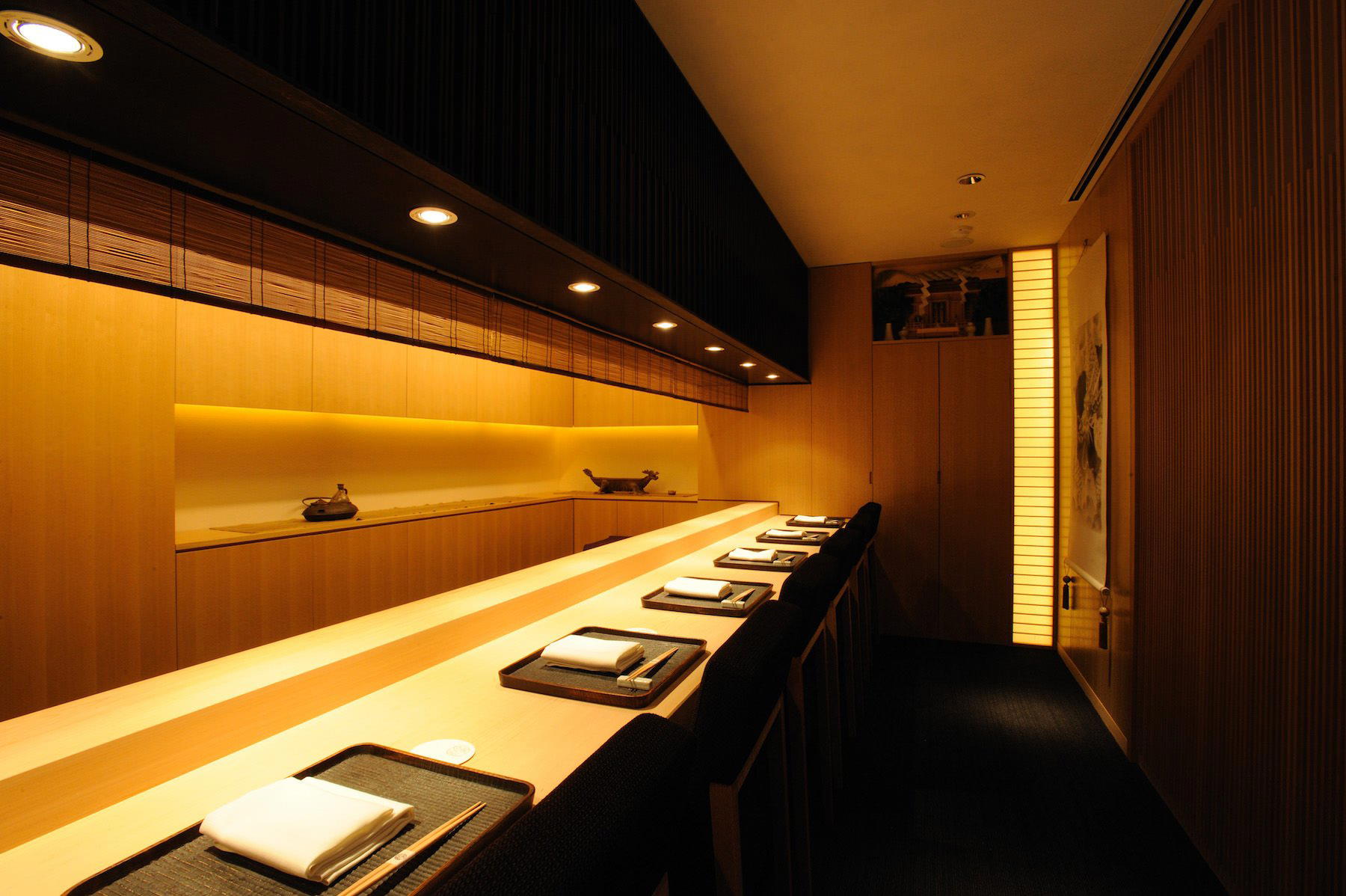



Bars in Saitama
Browse all →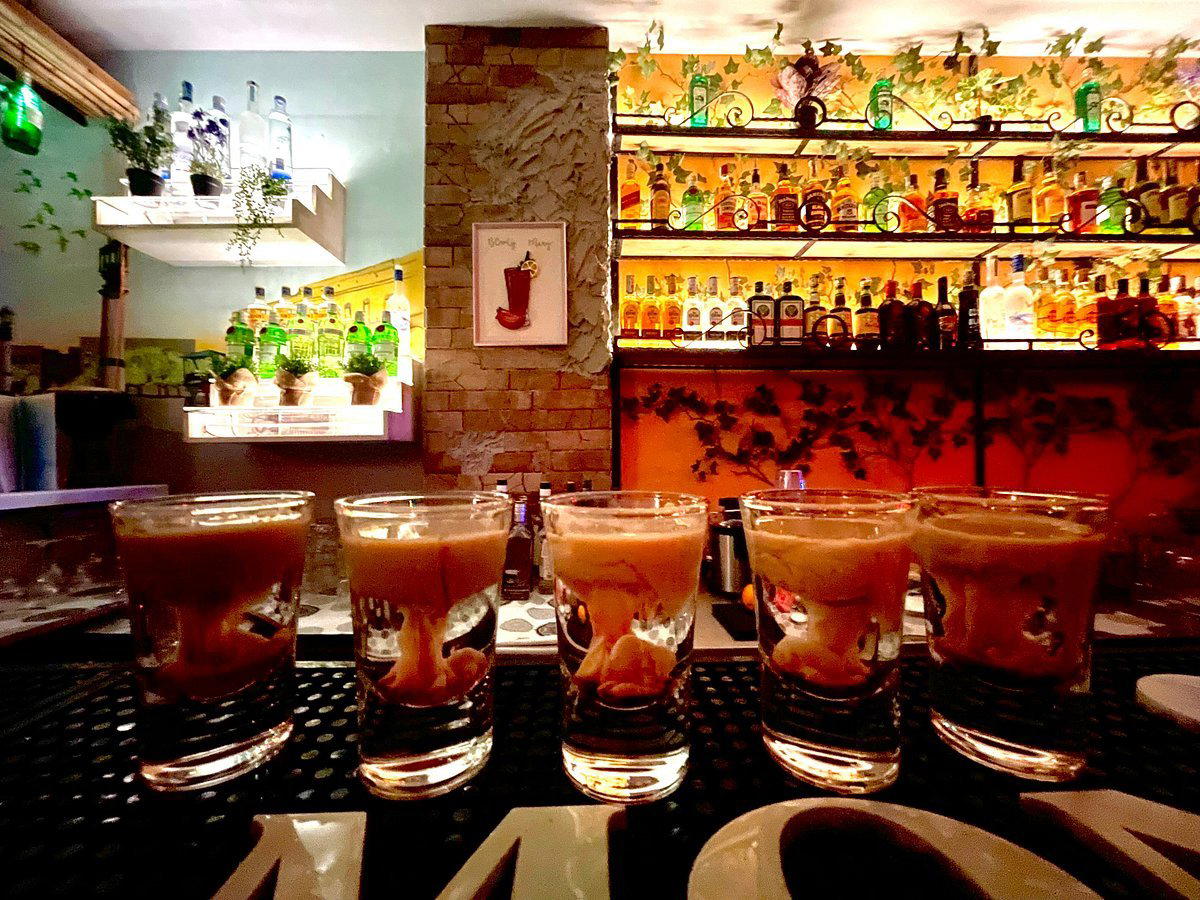





Details
- Classic
- Elegant
- Cozy
- Romantic
- Well Known
- Family
- Group Dining
- Business Dinner
- Special Occasion
- Celebration
- Date Night
- Private Event
- Private Dining
- Courtyard
- Standalone
- Historic Building
- Sake Program
- Local Sourcing
- Sustainable Seafood
- Garden
- A La Carte
- Set Menu
- Tasting Menu
- Sake
- Beer
- Shochu
- Pescatarian Friendly
Current opening hours
- Monday
- Closed
- Tuesday
- 11 AM–3 PM, 5–9 PM
- Wednesday
- 11 AM–3 PM, 5–9 PM
- Thursday
- 11 AM–3 PM, 5–9 PM
- Friday
- 11 AM–3 PM, 5–9 PM
- Saturday
- 11 AM–3 PM, 5–9 PM
- Sunday
- 11 AM–3 PM, 5–8 PM
Hours can change for holidays and private events. Last verified .
Traditional ryotei-style atmosphere with tatami rooms and views over a central courtyard garden, quiet and elegant but relaxed enough for family gatherings and business meals; lighting and decor emphasize classic Japanese aesthetics rather than modern design.