Touken Sushi - Hunters Creek
Touken Sushi sits in Hunters Creek, one of Orlando's most quietly consistent Japanese dining corridors, drawing south-side residents who want reliable sushi without the tourist-facing markups of International Drive or downtown. The format skews toward accessible, neighborhood-anchored service rather than the omakase-driven formats that dominate Orlando's higher-end Japanese tier. It occupies a mid-register niche that the city's suburban sprawl makes genuinely necessary.
Pearl is the En Primeur Club membership app — saves, bookings, and concierge access live there. Same editors, same standards.
- Address
- 12200 Menta St #106, Orlando, FL 32837
- Phone
- +14079308767
- Website
- toukensushi.com
- Directions
- Get directions
 Saves & bookings on Pearl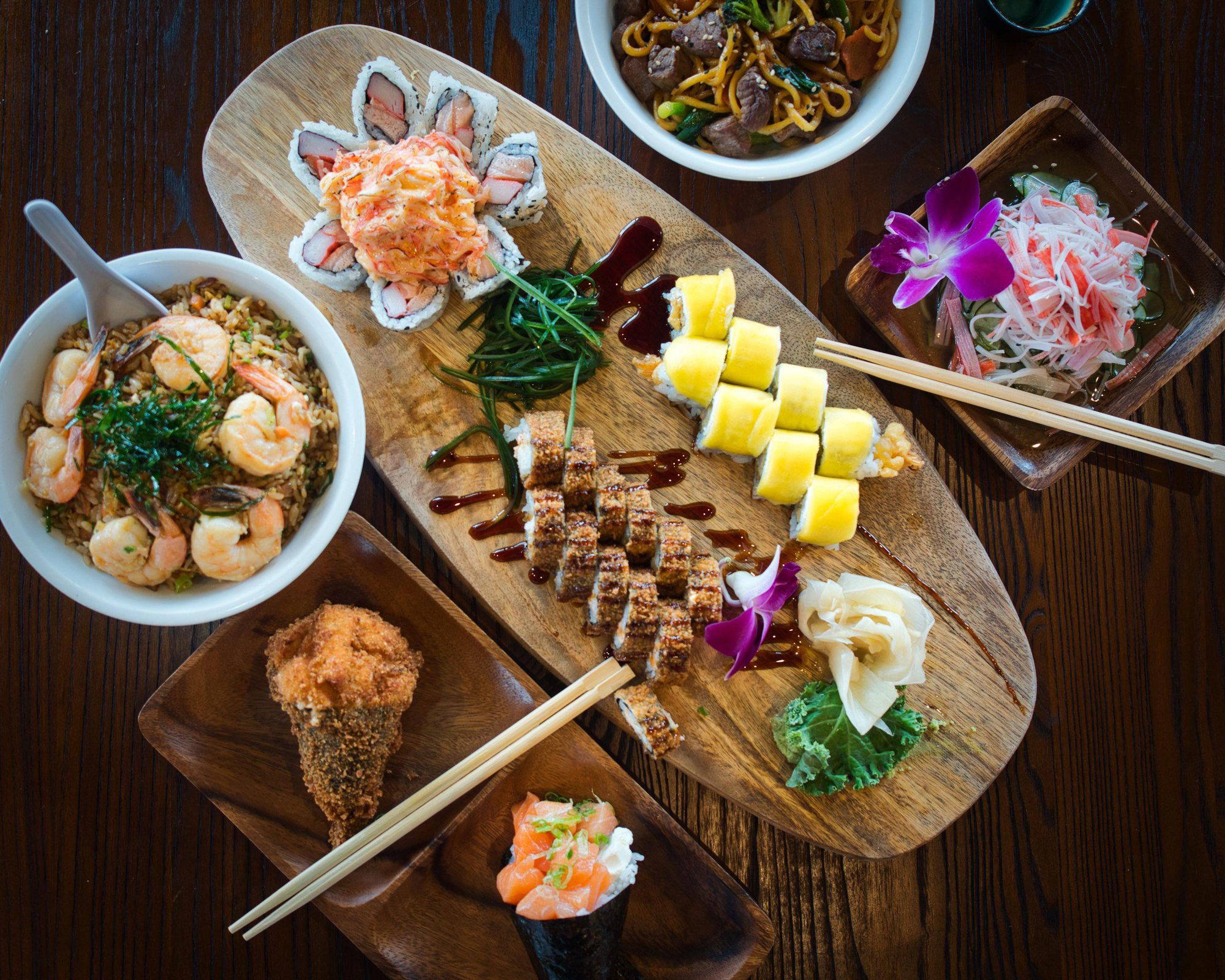
South Orlando's Sushi Geography
Hunters Creek sits roughly twelve miles south of downtown Orlando, in a part of the city that functions almost entirely for its residents rather than for visitors. The strip-mall corridors along this stretch of Orange County house some of the metro area's more consistent ethnic dining, Vietnamese, Brazilian, Japanese, operating at price points calibrated to locals rather than to hotel expense accounts. Touken Sushi, at 12200 Menta Street, fits squarely inside that pattern: a neighborhood sushi operation in a suburban retail suite, removed from the performance-dining register that defines Orlando's higher-profile Japanese restaurants.
Touken Sushi - Hunters Creek is a Brazilian-Japanese Fusion Sushi restaurant in Orlando, with. Orlando's Japanese dining scene has split into two recognizable tiers. The first is the destination tier, places like Kadence and Natsu, which operate omakase or highly curated formats with advance bookings and price points that place them in national conversation alongside venues such as Atomix in New York City or Sorekara in Orlando's own downtown corridor. The second tier is the neighborhood tier, where reliability and accessibility carry more weight than chef pedigree or tasting-menu architecture. Touken Sushi operates in that second tier, and should be read as such, a local anchor rather than an occasion destination.
Lunch vs. Dinner: How the Divide Works Here
Across Japanese restaurant formats in the United States, the gap between lunch and dinner service is often where the actual value proposition lives. At omakase counters and higher-end Japanese restaurants nationally, lunch seatings tend to carry abbreviated formats at meaningfully lower price points, the same kitchen, the same sourcing, a shorter sequence. At neighborhood sushi operations, the divide works differently: lunch typically delivers the highest food-to-spend ratio of the day, with combination sets and bento-style formats that compress a wide range of the kitchen's output into a single, accessible offering.
That structure is relevant at suburban Florida operations like Touken Sushi because the lunch hour tends to draw a mixed crowd: south-side office workers, local residents running errands, and families who want a sit-down meal without committing to a dinner-format price. Evening service at neighborhood sushi operations tends to shift toward table groups, larger roll orders, and the kind of social pacing that makes dinner more drawn out. Neither service window is obviously superior, they serve different functions. What distinguishes the better neighborhood sushi operations in this part of Florida is how consistently they maintain the same kitchen standards across both services, rather than reserving effort for dinner and running lunch on autopilot.
For comparison, Orlando's more celebrated restaurants, Capa at the Four Seasons, or Camille, operate primarily as evening destinations, with lunch either absent or dramatically reduced. The neighborhood sushi format inverts that logic: lunch is often where the format is most itself.
What the Hunters Creek Setting Tells You
Suburban sushi in the United States has a complicated reputation, largely because the category ranges so widely, from operations that import quality fish and maintain disciplined rice temperature protocols, to those running frozen product through a high-volume model. The Hunters Creek corridor has historically supported enough Japanese and Asian dining density to sustain a degree of quality competition, which tends to keep individual operators more honest than isolated suburban locations might. That competitive pressure is a reasonable proxy for baseline standards.
The strip-mall format itself is not a signal of quality in either direction. Some of Florida's most consistent Japanese operations work out of retail suites, the overhead model supports tighter sourcing budgets than restaurant-row rents allow. What matters more is how a kitchen handles the fundamentals: rice seasoning and temperature, fish handling, consistency across a week rather than just on a Saturday night. These are harder to assess from the outside and require either repeated visits or strong local word-of-mouth, both of which carry more weight at this price tier than any external award.
Touken Sushi occupies a different register entirely, but that register is the one most Orlando residents actually use most often.
How It Sits Among Orlando's Broader Options
Orlando's restaurant scene at the higher end has grown considerably in depth over the past decade. Venues like Blue Hill at Stone Barns in Tarrytown, Single Thread Farm in Healdsburg, The Inn at Little Washington, and Emeril's in New Orleans represent what the American fine-dining conversation looks like at its most formal tier. Orlando now has entries in that conversation, particularly in its Walt Disney World adjacents and downtown core. But the neighborhood tier, the restaurants that serve the city's actual residential base week after week, remains equally important to understanding the city as a place to eat, not just a place to visit. 8 1/2 Otto e Mezzo Bombana in Hong Kong belongs to one kind of dining ecosystem; Touken Sushi belongs to another, and both ecosystems have their own internal logic.
Know Before You Go
- Address: 12200 Menta St #106, Orlando, FL 32837
- Neighborhood: Hunters Creek, south Orlando (approx. 12 miles from downtown)
- Format: Neighborhood sushi; suburban retail suite
- Price tier: Mid-range neighborhood pricing
- Parking: Strip-mall lot; typically direct in this corridor
- Booking: Reservations recommended
The Short List
Comparable venues nearby, for context on price, style, and recognition.
| Venue | Cuisine | Price | Notes |
|---|---|---|---|
| Touken Sushi - Hunters CreekThis venue — the venue you are viewing | Not listed | $$$ | Not listed |
| Kimonos | Not listed | $$$ | Walt Disney World Resort, Authentic Japanese Sushi Bar |
| Hinabe | Little Sand Lake, Modern Wagyu Hot Pot | $$$ | Not listed |
| Kobé Japanese Steakhouse - Lake Buena Vista | Not listed | $$$ | Crossroads, Japanese Teppanyaki Steakhouse |
| Maki Hibachi | Lake Nona, Japanese Hibachi & Sushi | $$ | Not listed |
| Oza Izakay | Williamsburg, Modern Japanese Izakaya | $$$ | Not listed |
At a Glance
- Modern
- Casual
- Trendy
- Casual Hangout
- Group Dining
- Standalone
Current opening hours
- Monday
- 12–3 PM, 5–11 PM
- Tuesday
- 12–3 PM, 5–11 PM
- Wednesday
- 12–3 PM, 5–11 PM
- Thursday
- 12–3 PM, 5–11 PM
- Friday
- 12 PM–12 AM
- Saturday
- 12 PM–12 AM
- Sunday
- 12–11 PM
Hours can change for holidays and private events. Last verified .
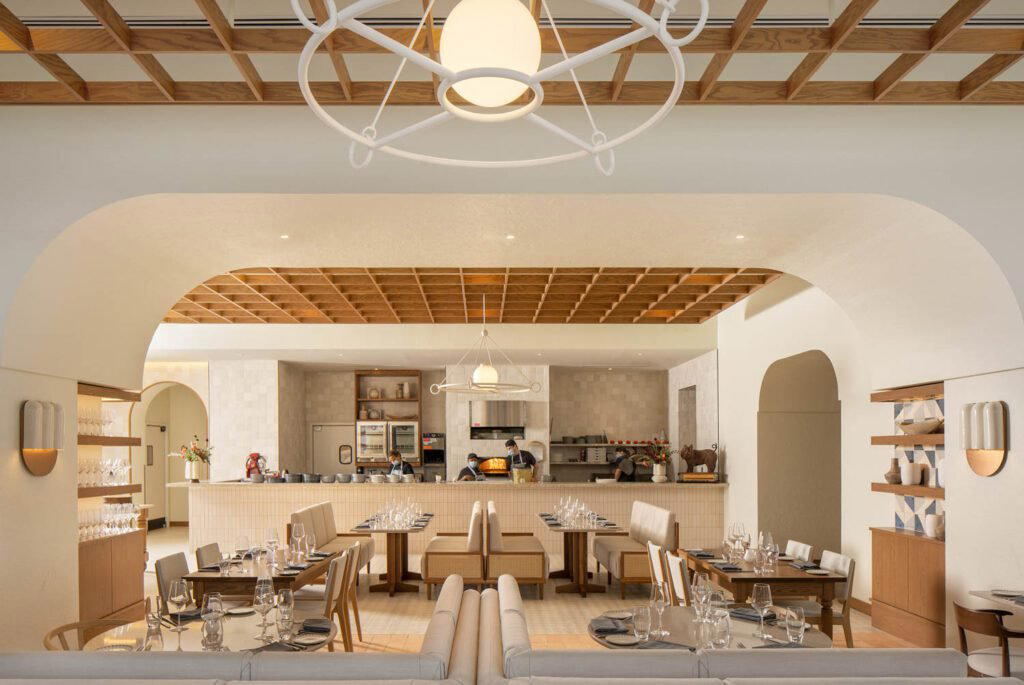
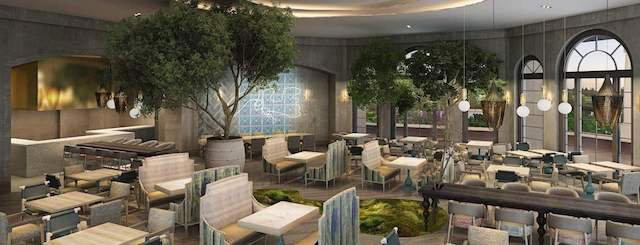
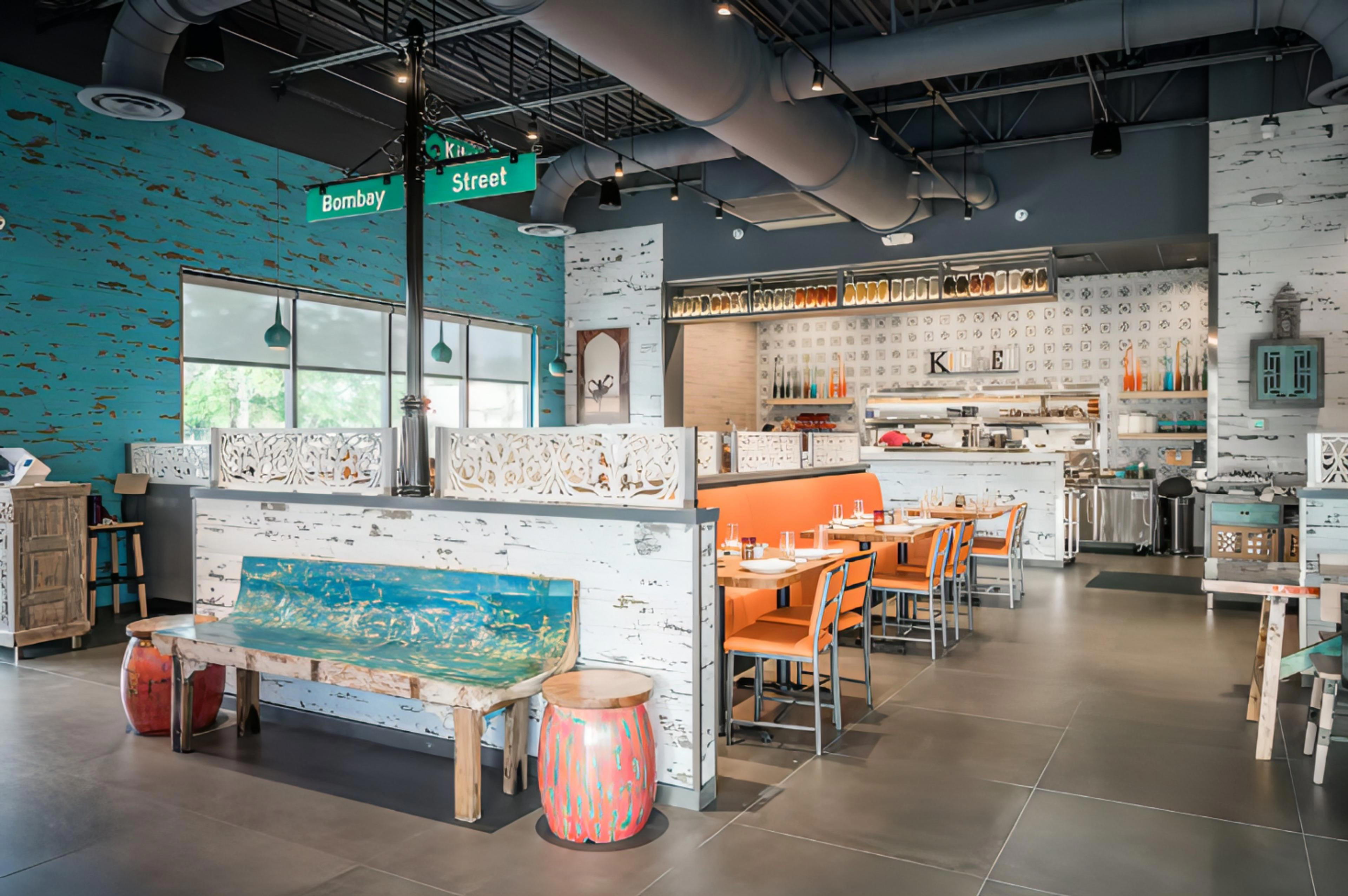
Casual and friendly atmosphere with a Brazilian-Japanese fusion vibe, moderate noise level suitable for social dining.