Oza Izakay
Our verdict
Oza Izakay sits along the Central Florida Parkway corridor in Orlando, bringing the izakaya format into a city more accustomed to theme-park dining than late-night Japanese pub culture. The address places it squarely within the I-Drive and Lake Buena Vista orbit, where dining rooms compete for tourist attention but locals know to look harder for something with more character.

Pearl is the En Primeur Club membership app — saves, bookings, and concierge access live there. Same editors, same standards.
- Address
- 5310 Central Florida Pkwy, Orlando, FL 32821
- Phone
- (407) 778-1038
- Hours
- Mon–Thu 5–11:30 PMFri–Sat 5 PM–12 AMSun 5–11:30 PM
- Website
- ozaizakaya.com
- Directions
- Get directions
- Booking
- Book on OpenTable
The menu
What to order
- Premium Sashimi Set
- Blue Fin Tuna Tasting
- Tsukune Trio
- Toro Uni Temaki
The Corridor That Shapes the Experience
Central Florida Parkway is not a dining destination in the conventional sense. The road that arcs through the southwest edge of Orlando, threading between resort clusters and convention infrastructure, is typically associated with grab-and-go convenience rather than considered cooking. That context matters when placing Oza Izakay, which sits at 5310 Central Florida Pkwy in the thick of that sprawl. An izakaya format here reads as a deliberate counter-program to the area's dominant dining logic, where volume and throughput tend to govern restaurant design more than format discipline.
The izakaya tradition in Japan is built around a specific social contract: drinks arrive first, food comes in small plates across a long evening, and the meal has no fixed endpoint. That model sits at an angle to how most of the surrounding Orlando market operates, where table turns are managed and menus are engineered for efficiency. Whether Oza Izakay holds to that slower, more convivial rhythm is part of what makes it worth considering on its own terms rather than against the resort dining default.
Where Orlando's Japanese Scene Currently Sits
Orlando's Japanese dining tier has developed unevenly. The omakase counter model, which has driven premium Japanese dining in cities like New York and Los Angeles, has arrived in Orlando through venues like Kadence, which operates at the tighter, reservation-driven end of the spectrum, and Natsu, which addresses a similar appetite for chef-led Japanese formats. Sorekara extends the city's Japanese coverage further, demonstrating that Orlando's appetite for the cuisine runs beyond sushi conveyor belts and mall-adjacent teriyaki chains.
The izakaya sits in a different register from any of those. It is not a tasting menu format and not a fast-casual operation. It occupies a sociable middle ground that Japanese cities sustain across thousands of venues but that American cities have adopted selectively, often under heavier influence from the bar side than the kitchen side. How Orlando-area izakaya operations have calibrated that balance reflects broader questions about who their audience is: the tourist corridor brings volume but not necessarily the slow-evening dining culture the format assumes.
The I-Drive and Lake Buena Vista Dining Context
The address on Central Florida Pkwy places Oza Izakay within the gravitational pull of two competing dining environments. The International Drive corridor, which runs north toward Universal and south toward the convention center, has accumulated a dense layer of mid-market and chain dining that functions primarily as resort overflow. Lake Buena Vista, closer to the Walt Disney World perimeter, has a slightly more curated tier, where venues like Capa, the steakhouse atop the Four Seasons Orlando, set a premium anchor for that zone.
Between those poles, independent operators with a defined format and cuisine focus face a specific challenge: the surrounding audience skews toward tourists with limited local knowledge and families making high-frequency, low-friction dining decisions. Restaurants that thrive in that environment tend to have either strong visibility (signage, hotel placement, review volume) or a local following substantial enough to sustain them between convention and resort cycles. The izakaya model, which rewards return visits and cumulative ordering across an evening, tends to depend on that second group more than the first.
For context on what higher-ambition restaurants in other American cities are doing with Japanese-influenced formats, Atomix in New York City represents one pole of the spectrum, where Korean-Japanese technique operates at the tasting-menu level. That kind of institutional recognition is the benchmark against which serious Japanese dining in secondary markets is increasingly measured, even when the format is more casual.
What the Izakaya Format Promises
For diners approaching Oza Izakay without prior izakaya experience, the format warrants a brief orientation. The expectation is small plates, ordered progressively rather than all at once, designed to accompany drinks over an extended sitting. The kitchen's range typically spans yakitori or robata-grilled items, cold preparations, fried dishes, and rice or noodle finishers, but the specific execution varies considerably between operators. The social geometry is horizontal rather than hierarchical: there is no single showpiece course, and the meal builds through accumulation rather than revelation.
That structure suits certain types of groups better than others. A table of two with patience and appetite will engage with it differently than a family managing competing preferences. It is a format that rewards flexibility in ordering and a willingness to let the meal extend. In cities where izakaya culture is entrenched, like the more concentrated Japanese dining districts of Los Angeles, the audience self-selects accordingly. On the Central Florida Pkwy corridor, the audience is broader and less predictable, which may shape how the menu is structured and how servers explain the format to first-timers.
Positioning Against the Wider Orlando Premium Tier
Orlando's higher-ambition restaurant scene has grown considerably over the past decade, with venues like Camille demonstrating that the city can sustain chef-driven Vietnamese at a premium price point, and the broader market showing enough depth to support varied international cuisines beyond the theme-park dining default. The full Orlando restaurants guide maps that diversity in more detail.
Nationally, the reference points for serious Japanese and Japanese-adjacent dining include venues of considerable institutional weight: Le Bernardin in New York City, The French Laundry in Napa, and Providence in Los Angeles each represent the upper tier of precision cooking that informs how American diners calibrate expectation. At the other end of that spectrum, the izakaya occupies a deliberately informal register, but informal does not mean unconsidered. The leading izakaya operators treat the small-plate format with the same kitchen discipline applied to tasting menus; the difference is that the discipline is less visible from the dining room.
Other American cities have produced standout casual-format venues that operate under similar pressure to justify their ambition against a skeptical geography. Lazy Bear in San Francisco and Blue Hill at Stone Barns in Tarrytown both built identities rooted in place and format discipline rather than conventional fine-dining signals. The izakaya model has its own version of that discipline, and the question for any American operator working in the format is how faithfully they maintain it under commercial pressure.
Know Before You Go
Address: 5310 Central Florida Pkwy, Orlando, FL 32821
Neighbourhood: Central Florida Parkway corridor, southwest Orlando, within the Lake Buena Vista and I-Drive resort zone
Pricing: No current price-tier data available; izakaya formats in similar American markets typically run in a mid-range per-head bracket before drinks
Format: Izakaya-style, designed for progressive small-plate ordering alongside drinks; suits flexible, patient dining parties
Getting there: The address sits along a car-dominant corridor; driving or rideshare is the practical approach from most Orlando accommodation nodes
Frequently asked questions
What's Oza Izakay's location?
Oza Izakay is located at 5310 Central Florida Pkwy, Orlando, FL 32821, Orlando.
Is Oza Izakay a good option for groups visiting the Orlando theme park area?
The address at 5310 Central Florida Pkwy, Orlando, FL 32821 places Oza Izakay within practical reach of the Lake Buena Vista and I-Drive zones, making it accessible after a day near the parks. The izakaya format suits groups well: shared plates and flexible ordering mean the table can eat at different paces and budgets within a single sitting. It offers a contrast to the chain-heavy dining options that dominate that stretch of Orlando.
What should I order at Oza Izakay?
Oza Izakay operates in the izakaya format, which means the approach is to order across multiple small plates rather than committing to a single entrée. Arriving with a group gives you the most range, as the format is built around shared ordering across several rounds.
Do they take walk-ins at Oza Izakay?
The venue sits on Central Florida Pkwy in Orlando's southwest corridor, a zone that draws both tourist and local traffic, which tends to create variable wait times depending on day and hour. Contacting the restaurant directly before arriving is the practical move, particularly on weekends.
What makes Oza Izakay worth seeking out?
The izakaya format itself is part of the answer: Orlando's Japanese dining scene has developed unevenly, and the small-plate, order-as-you-go structure that Oza Izakay follows is less common here than in coastal cities. The Central Florida Pkwy address also positions it outside the heavily branded dining corridors of I-Drive, which changes the character of the experience. For diners who find the theme-park-adjacent restaurant strip formulaic, that separation matters.
Comparison Snapshot
Comparable venues nearby, for context on price, style, and recognition.
| Venue | Cuisine | Price | Notes |
|---|---|---|---|
| Oza IzakayThis venue — the venue you are viewing | Modern Japanese Izakaya | $30–50 | Not listed |
| Kimonos | Authentic Japanese Sushi Bar | $30–50 | Walt Disney World Resort |
| Hinabe | Modern Wagyu Hot Pot | $50–100 | Little Sand Lake |
| Bice Ristorante | Northern Italian Trattoria | $50–100 | International Drive |
| Nikitta | Nikkei: Japanese-Peruvian Fusion | $50–100 | Convention Center |
| Whisper Creek Farm | Farm-to-Table American Small Plates | $30–50 | Sky Lake South |
Oza Izakay
The wine
- Wine program
- Curated wine list
- Sake program
- Craft cocktails
Details
- Modern
- Elegant
- Sophisticated
- Trendy
- Date Night
- Group Dining
- Late Night
- Casual Hangout
- Open Kitchen
- Sake Program
- Craft Cocktails
- Small Plates
- A La Carte
- Counter Dining
- Sake Program
- Cocktails
- Vegetarian Friendly
Current opening hours
- Monday
- 5–11:30 PM
- Tuesday
- 5–11:30 PM
- Wednesday
- 5–11:30 PM
- Thursday
- 5–11:30 PM
- Friday
- 5 PM–12 AM
- Saturday
- 5 PM–12 AM
- Sunday
- 5–11:30 PM
Hours can change for holidays and private events. Last verified .
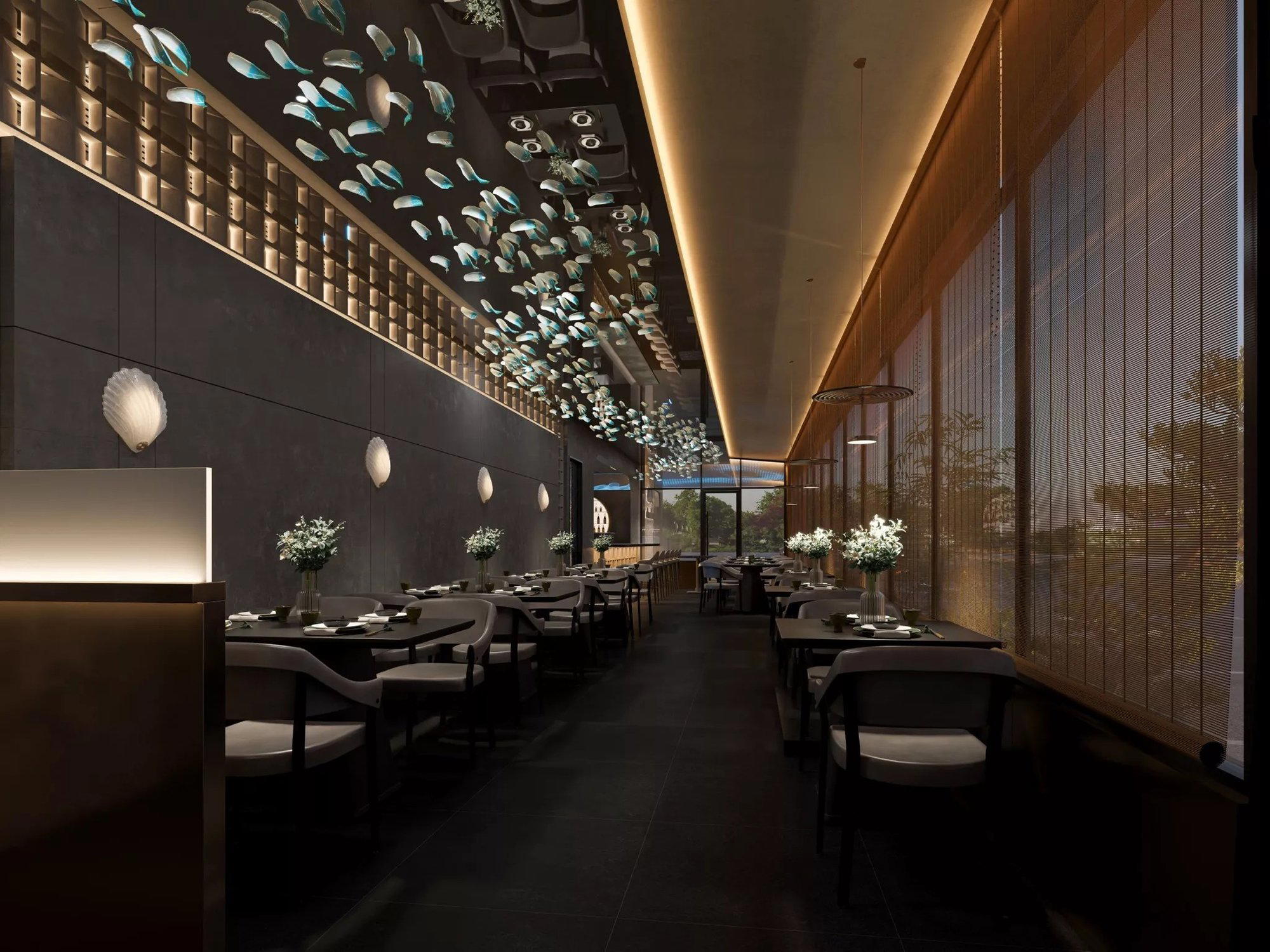
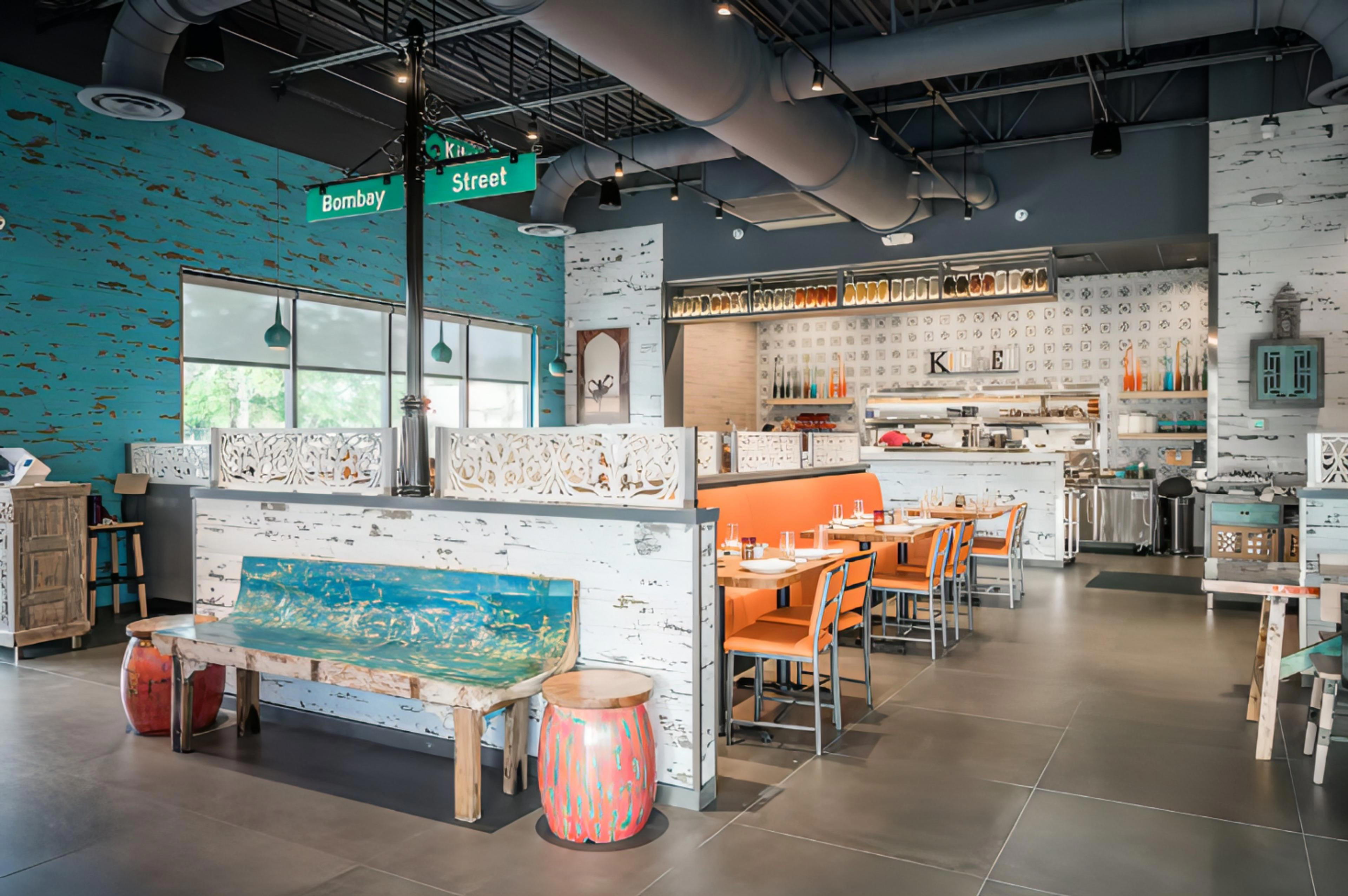
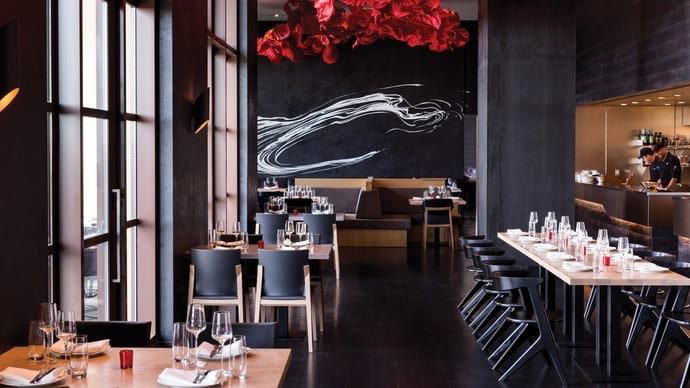
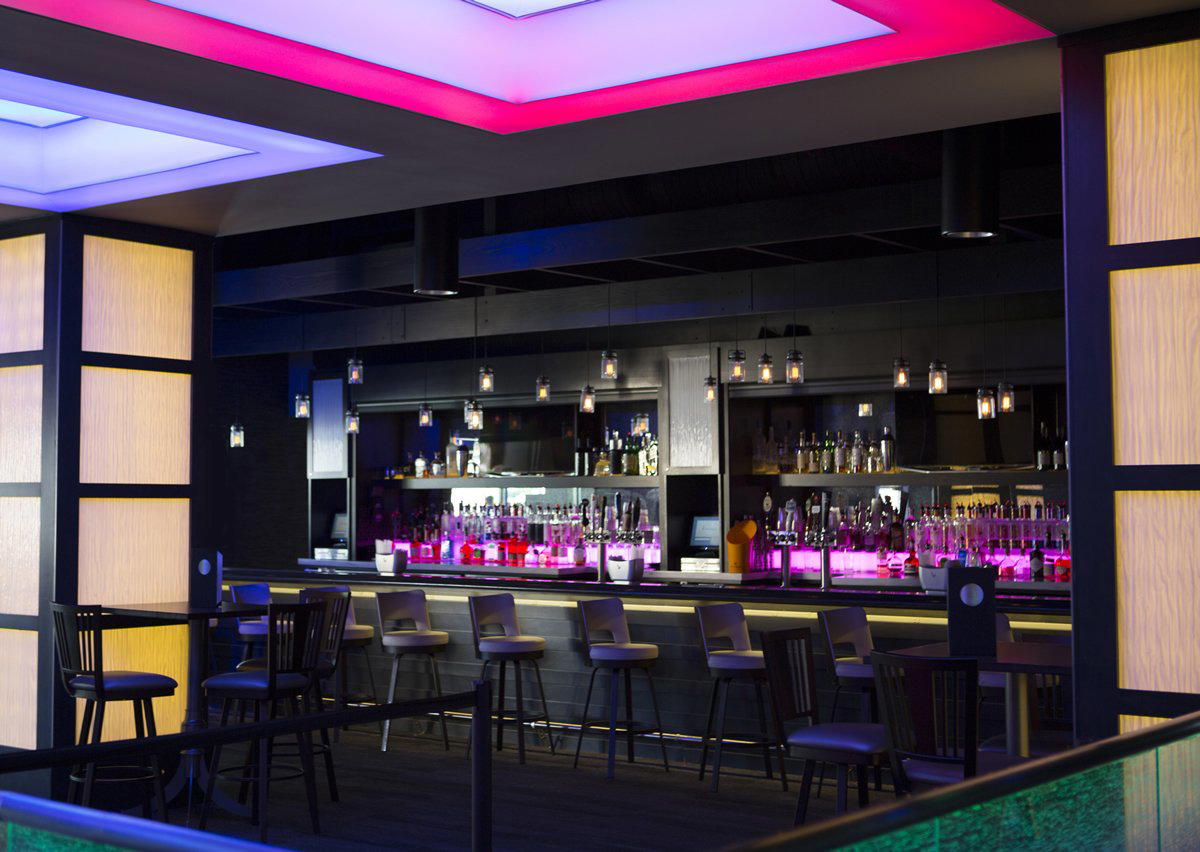
Moody lighting inspired by Mount Fuji sunsets with a lustrous hinoki wood sushi bar, creating an elegant and inviting atmosphere.