
Toro brings Japanese cuisine to Carmel-by-the-Sea at a mid-range price point, paired with a wine list of 450 selections and 5,000 bottles deep, with particular strength in Burgundy and California. Wine Director Stephen Wilson and Sommelier Jake DePasquale oversee a list priced at the $$ tier, with corkage available at $35. Lunch and dinner service makes it one of the more accessible Japanese options on the peninsula.
Pearl is the En Primeur Club membership app — saves, bookings, and concierge access live there. Same editors, same standards.
- Address
- Carmel-By-The-Sea, CA 93921
- Phone
- (831) 574-3255
- Website
- torosushicarmel.com
- Directions
- Get directions
 Saves & bookings on Pearl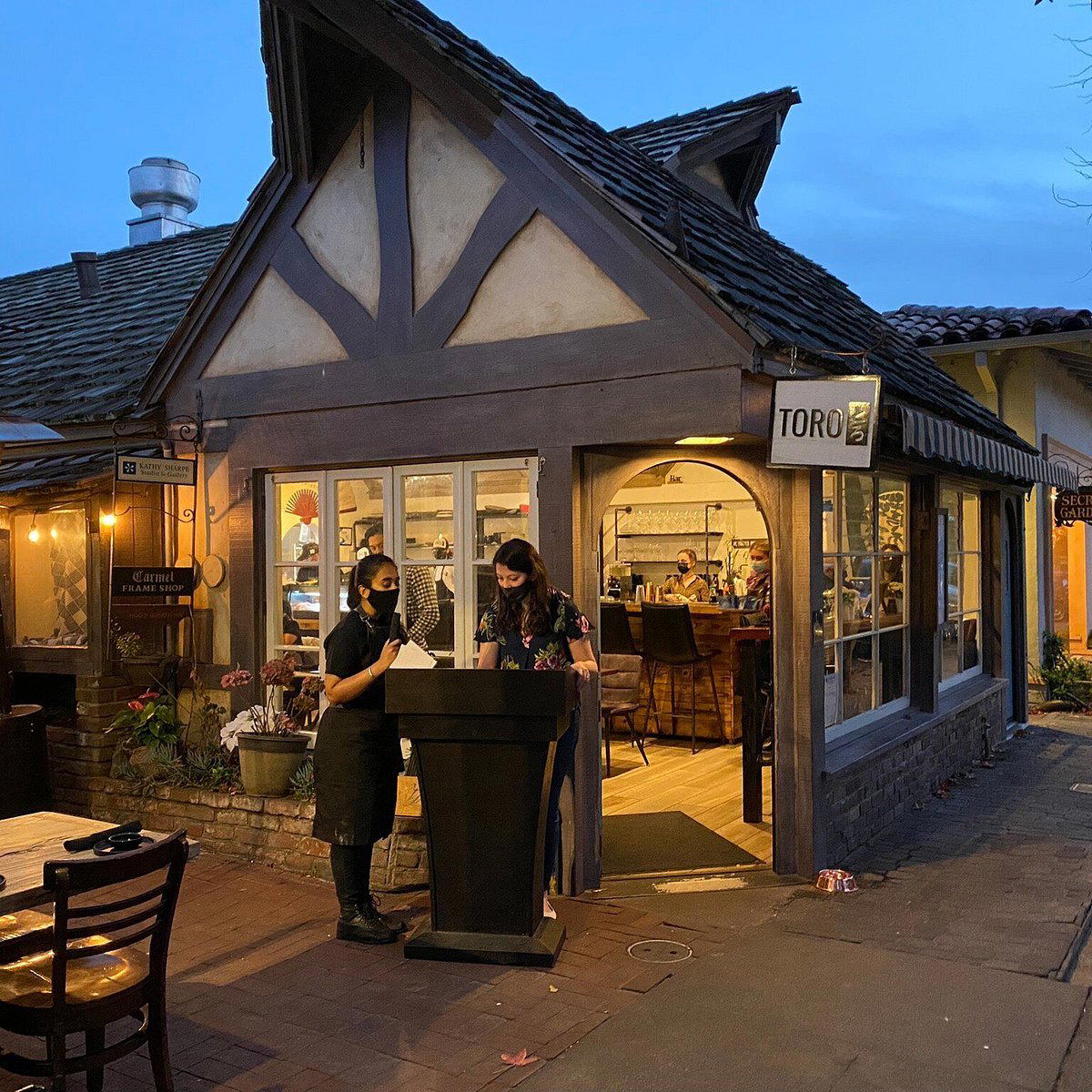
Japanese Dining in a Town Built for European Classics
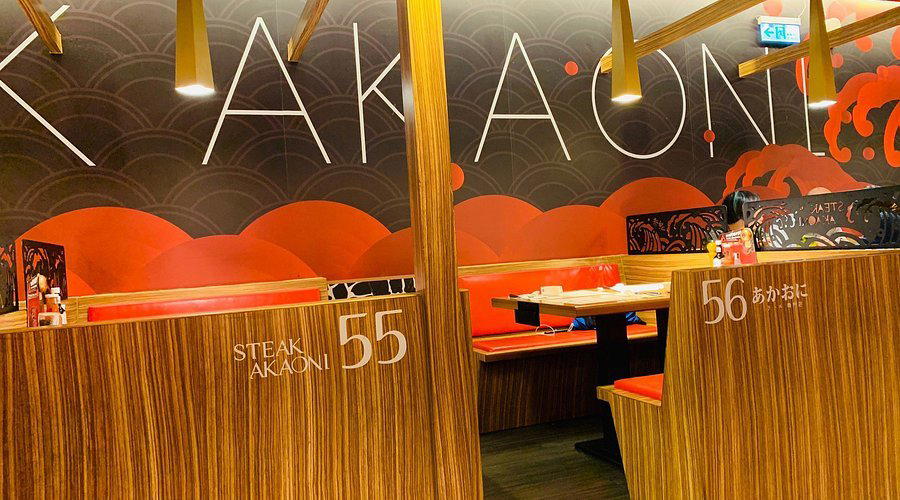
Carmel-by-the-Sea has long organized its restaurant scene around European traditions, French technique at Aubergine Carmel, French-Spanish coastal cooking at Chez Noir, and Continental warmth at Casanova. Japanese cuisine occupies a smaller niche here, which makes the few practitioners worth examining closely. Akaoni holds the higher price tier at $$$; Toro operates at $$, making it the more accessible entry point for Japanese food on the peninsula. That price positioning, combined with a wine program that punches well above the food spend, gives Toro a character distinct from its local peers.
The Wine List: Where Toro's Ambitions Are Most Legible
The clearest indicator of what Toro is trying to do sits not on the food menu but in the cellar. A list of 450 selections is not what you expect from a mid-range Japanese restaurant in a small coastal town. For context, that kind of depth is more commonly associated with destination dining rooms, the sort of cellar program you find at The French Laundry in Napa or Single Thread Farm in Healdsburg, where wine is a central pillar of the experience. At Toro, it functions as a serious secondary offering alongside food priced at about $50 per person.
The list carries particular strength in France and Burgundy, which positions it interestingly against a Japanese menu. Burgundy and Japanese cuisine share a philosophical compatibility that serious wine programs have been exploiting for years: both traditions prize restraint, precision, and the expression of a narrow set of ingredients. Pinot Noir's low tannin and high acidity make it one of the more food-flexible red varieties for the delicate proteins and umami-forward preparations common in Japanese cooking. That the wine program here leans into this pairing logic rather than defaulting to a safe Napa Cabernet-heavy list says something about curatorial intent.
California also features as a strength on the list, which grounds the program locally without abandoning the Franco-centric focus. Wine pricing sits at the $$ tier, meaning there is a meaningful range of price points on offer. Guests bringing their own bottles pay a $35 corkage fee, a reasonable figure for a list of this depth. For comparison, corkage in this range at serious wine destinations on the Monterey Peninsula is broadly consistent, but the combination of a $35 fee and 5,000-bottle inventory at a $$ food price point is an unusual configuration.
Wine Director Stephen Wilson and Sommelier Jake DePasquale run the program. That overlap between ownership and wine direction matters: it means the list reflects a long-term investment decision rather than an outsourced or interchangeable program. At restaurants where wine is a co-founder priority rather than a departmental hire, the cellar tends to accumulate differently, with more patience, more depth in specific regions, and more willingness to hold back stock.
The Room and the Register
Small-town California coastal dining rooms tend toward one of two registers: casual beach-adjacent informality, or the studied romantic warmth of Carmel's European-village aesthetic. Toro's dual lunch and dinner service across a $$ price band suggests a room that functions in both modes across the day, accessible enough for a lunch that doesn't require an occasion, substantive enough for an evening that does. That flexibility is relatively uncommon among Japanese restaurants in this price tier, where dinner-only formats dominate.
The food pricing at about $50 per person places Toro below the $$$$ bracket occupied by Aubergine and Chez Noir, and a step below Akaoni's $$$ position. It sits closer in spend to Casanova's $$$ European format than to Carmel's high-end destination dining. For a town where the prevailing dining gravity pulls toward the expensive and European, that creates a distinct position.
Where Toro Sits in a Wider Japanese Wine Context
Japanese restaurants with serious wine programs occupy an interesting position in American fine dining right now. At the summit of the market, places like Atomix in New York City have built wine lists that match tasting menu ambition course for course. Further afield, 8½ Otto e Mezzo Bombana in Hong Kong demonstrated for years that Asian-influenced menus and serious European cellars are not in tension. The broader American scene, anchored by restaurants like Le Bernardin in New York City and Lazy Bear in San Francisco, has normalized deep wine investment at non-French restaurants. Toro's 450-selection, 5,000-bottle program with Burgundy as a pillar fits that broader pattern, even if the food price point is lower than most of those comparators.
What makes Toro's configuration somewhat unusual is the ratio: the wine list has the scale and curatorial seriousness of a $$$+ destination, applied to a food format priced at $$. Whether that ratio reflects a deliberate positioning strategy or an organic accumulation over time is not visible from the outside, but the result is a place where the wine list functions as the primary editorial argument for the visit.
Planning Your Visit
Toro serves lunch and dinner, which gives it a scheduling flexibility that many of its Carmel peers lack. A two-course meal runs $40–$65 before drinks, and with a $$ wine list that has meaningful options at multiple price points, the total spend is manageable relative to Carmel's higher-end rooms. The $35 corkage policy is worth noting for guests who want to bring something specific from a local producer. For a different register of casual daytime eating, Brunos Market and Deli operates nearby as a direct American deli option with no pretension attached.
Price and Positioning
Comparable venues nearby, for context on price, style, and recognition.
| Venue | Cuisine | Price | Notes |
|---|---|---|---|
| ToroThis venue — the venue you are viewing | Carmel-by-the-Sea, Modern Japanese Sushi | $$$ | Not listed |
| Pangaea Grill | Ocean Avenue, Asian Fusion Grill | $$$ | Not listed |
| The Grill on Ocean Avenue | Not listed | $$ | Ocean Avenue, Historic Carmel, California Fusion with Mediterranean & Lebanese Influences |
| Lugano Swiss Bistro | Barnyard Shopping Village, Swiss Bistro | $$$ | Not listed |
| Grasing's | Not listed | $$$$ | Carmel-by-the-Sea, American Steakhouse with Coastal Cuisine |
| Flying Fish Grill | Carmel Plaza, Asian Fusion Seafood | $$$$ | Not listed |
Recognition history
Dated appearances from independent guides and award organizations, with the underlying list record or original source where available.
Wine Spectator Best of Award of Excellence
Wine Spectator
Continue exploring
More in Carmel-by-the-Sea
Restaurants in Carmel-by-the-Sea
Browse all →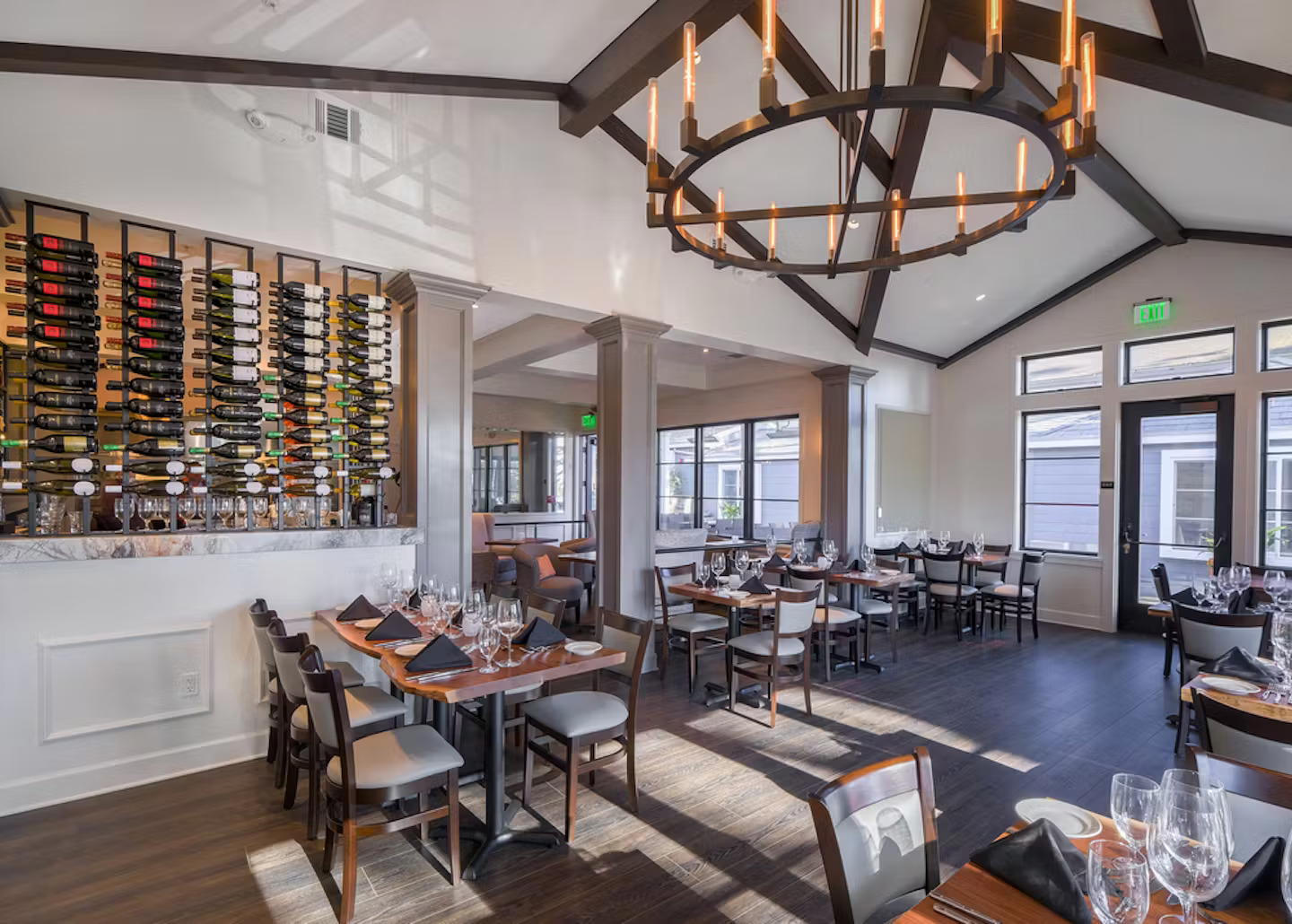
Bars in Carmel-by-the-Sea
Browse all →
Hotels in Carmel-by-the-Sea
Browse all →
Wineries in Carmel-by-the-Sea
Browse all →
At a Glance
- Cozy
- Lively
- Intimate
- Date Night
- Casual Hangout
- Open Kitchen
- Courtyard
- Extensive Wine List
- Sake Program
- Local Sourcing
Current opening hours
- Monday
- 12–8:30 PM
- Tuesday
- 12–8:30 PM
- Wednesday
- 12–8:30 PM
- Thursday
- 12–8:30 PM
- Friday
- 11:30 AM–9 PM
- Saturday
- 11:30 AM–9 PM
- Sunday
- 11:30 AM–8 PM
Hours can change for holidays and private events. Last verified .
Cozy Carmel charm featuring a lively sushi bar, warm indoor seating with fireplace, and relaxed outdoor courtyard with heaters.