Google: 4.0 · 193 reviews
Akaoni
.png)
Akaoni brings Japanese cuisine to Carmel-by-the-Sea with enough seriousness to earn back-to-back Michelin Plate recognition in 2024 and 2025. On a village street where French coastal and contemporary European restaurants dominate the dining conversation, it occupies a distinct lane: measured, ingredient-led Japanese cooking at the $$$ price point. For the Monterey Peninsula, that combination is genuinely rare.
 Discover on Pearl
Pearl is the En Primeur Club membership app — saves, bookings, and concierge access live there. Same editors, same standards.
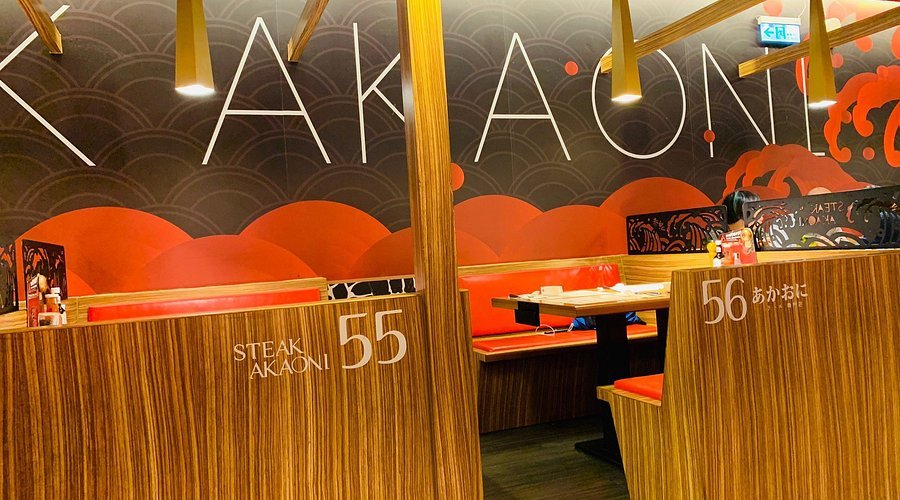
A Different Register on Carmel's Dining Street
Carmel-by-the-Sea's restaurant scene tends to read European. The two-Michelin-starred Aubergine anchors the leading of the market with French coastal technique, Chez Noir holds a Michelin star with French-Spanish seafood work, and Casanova fills the European middle. Against that backdrop, a Japanese restaurant earning consecutive Michelin Plate recognition in 2024 and 2025 is worth paying attention to. Akaoni, on 6th Avenue, sits in a category almost entirely its own on the Peninsula.
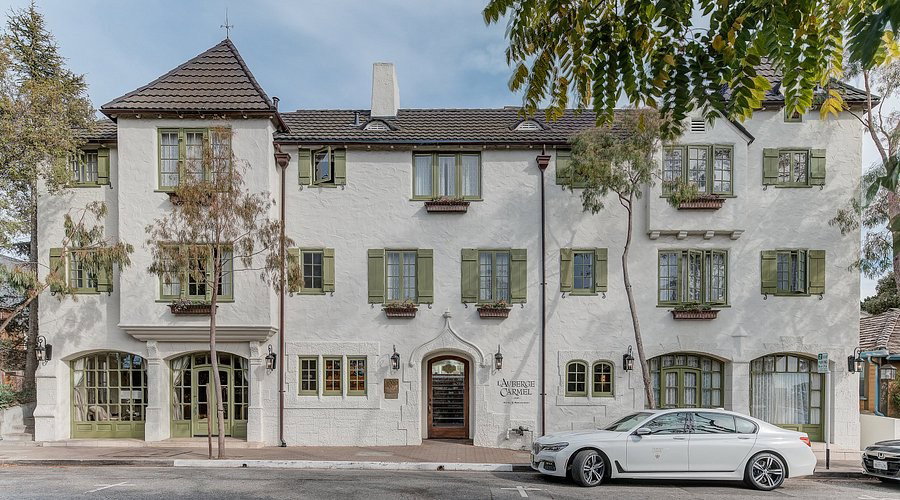
Approaching the address, you are in a village rather than a restaurant district. Carmel's streets have no posted numbers, cottages press close to the sidewalk, and the scale is deliberately residential. That compression — the sense of having found something inside a neighbourhood rather than arrived at a destination — is part of how Japanese dining culture often operates in smaller cities. The room signals its orientation before a menu arrives.
Kaiseki Logic in a California Context
The philosophical grammar of serious Japanese multi-course dining is kaiseki: a sequential progression of small preparations that responds to season, honours the individual character of each ingredient, and builds a cumulative impression through restraint rather than accumulation. It is a tradition that developed in Kyoto's tea ceremony culture and migrated into the formal restaurant format over centuries. What matters at the table is not volume or spectacle but the precise moment of each ingredient's appearance , a warm ceramic against cold fish, a broth that arrives just before you have decided you wanted one.
California's proximity to the Pacific gives any Japanese restaurant here a structural advantage on the seafood side: Dungeness crab, local sea urchin, and the cold-water fish of Monterey Bay are all ingredients that fit naturally into Japanese preparation logic. The broader Central Coast context , wine-country produce, Salinas Valley vegetables, forager networks active through Napa and Sonoma , means the seasonal brief a kitchen like Akaoni's can draw on is genuinely competitive with what urban Japanese restaurants in San Francisco access. For the kind of comparison that calibrates expectations: Lazy Bear in San Francisco and Single Thread Farm in Healdsburg both operate at the intersection of seasonal California produce and multi-course Japanese or Japanese-adjacent structure, though at higher price points and with higher award profiles. Akaoni's $$$ tier places it below that bracket but within the same broader category of ingredient-led, course-driven dining.
At the international reference level, Myojaku and Azabu Kadowaki in Tokyo represent what the fully realised kaiseki tradition looks like in its home market. The discipline those counters apply to temperature, sequence, and plate architecture is the standard against which serious Japanese restaurants anywhere are implicitly measured. Plate recognition from Michelin , the guide's signal that a restaurant is worth a stop, distinct from starred status , suggests Akaoni operates with enough of that discipline to register within the guide's Japanese restaurant evaluation framework.
Where Akaoni Sits in the Carmel Dining Market
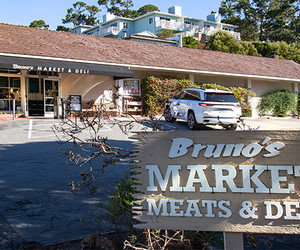
The Carmel restaurant market is small enough that each serious venue occupies a relatively distinct position. Cultura handles Mexican at the $$ tier, Bruno's Market and Deli serves the daytime and casual bracket, and the Michelin-awarded restaurants cluster at $$$ and $$$$. Akaoni's $$$ pricing puts it in the same general spend tier as Casanova but in an entirely different cuisine register. For a visitor whose evening options include Aubergine or Chez Noir at the leading of the European market, Akaoni offers a course-driven alternative with a different cultural logic , one that prioritises the individual integrity of each course over the arc of a French-influenced tasting narrative.
That distinction matters practically. A kaiseki-influenced menu asks you to slow down at different moments than a French tasting menu does. The silence between courses carries different weight. The aesthetic is subtractive , what has been removed from a plate is often as considered as what remains. Diners who have eaten at The French Laundry in Napa or Alinea in Chicago will recognise the formal multi-course structure, but the underlying philosophy operates from a different set of values entirely.
Google reviewers give Akaoni 4.1 across 183 reviews , a score that, in the context of a formal Japanese restaurant in a tourist-heavy small town, suggests a consistent kitchen performing to a defined standard rather than a venue running on ambient goodwill. Michelin's Plate recognition for two consecutive years reinforces that reading: the guide's assessors saw enough on repeat visits to maintain the listing.
Planning Your Visit
Carmel-by-the-Sea is a roughly two-hour drive south of San Francisco via Highway 1, or about an hour and fifteen minutes from San Jose. The town functions as a weekend destination for Bay Area visitors and a stopping point on longer Pacific Coast itineraries. Akaoni is on 6th Avenue, in the village grid , walkable from most of Carmel's accommodation options, which you can survey in our full Carmel-by-the-Sea hotels guide.
No booking method or hours are listed in public records at time of writing. For a Michelin Plate restaurant operating at $$$ in a small town with high weekend footfall, the practical approach is to contact the restaurant directly before planning an evening around it. Weekend evenings in Carmel book faster than the village's size might suggest , the same visitors who fill Aubergine's waitlist are cycling through the broader Michelin-recognised options on the Peninsula. Allow more lead time on Friday and Saturday than you would for a comparable restaurant in a larger city.
For orientation beyond this table: our full Carmel-by-the-Sea restaurants guide covers the complete dining picture, and our bars guide, wineries guide, and experiences guide map the rest of the visit. For reference points outside Carmel on what formal multi-course dining looks like at higher price tiers on the US coasts, Le Bernardin in New York and Emeril's in New Orleans anchor the broader conversation.
Quick Comparison
A quick look at comparable venues, using the data we have on file.
| Venue | Cuisine | Price | Awards | Notes |
|---|---|---|---|---|
| Akaoni | Japanese | $$$ | Michelin Plate (2025); Michelin Plate (2024) | This venue |
| Aubergine Carmel | French Coastal | $$$$ | Michelin 2 Star | French Coastal, $$$$ |
| Chez Noir | Contemporary, French/Spanish (Seafood-focused) | $$$$ | Michelin 1 Star | Contemporary, French/Spanish (Seafood-focused), $$$$ |
| Casanova | European | $$$ | European, $$$ | |
| Brunos Market and Deli | American Deli | American Deli | ||
| Cultura | Mexican | $$ | Mexican, $$ |
Continue exploring
More in Carmel-by-the-Sea
Restaurants in Carmel-by-the-Sea
Browse all →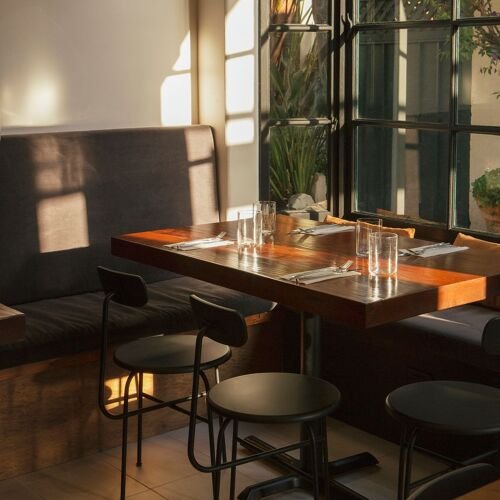
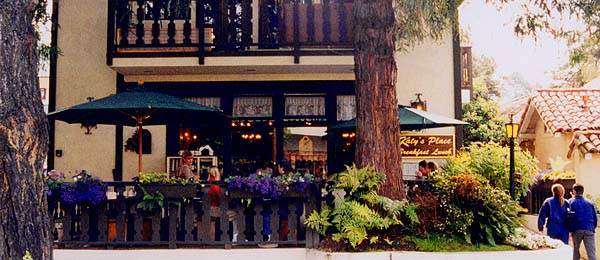
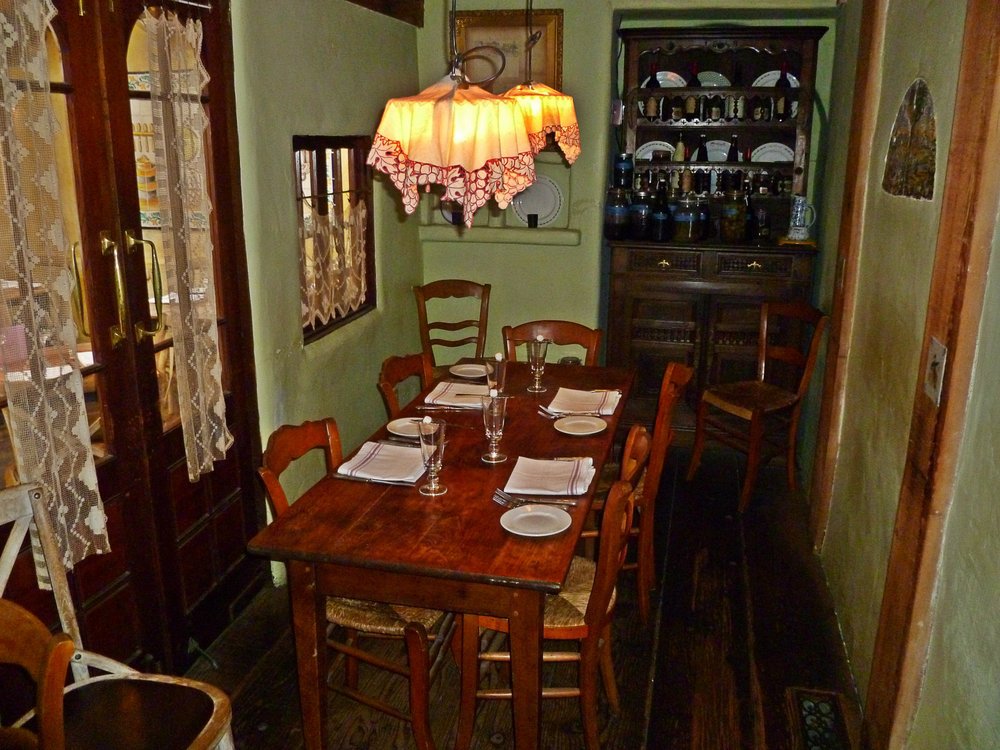
Bars in Carmel-by-the-Sea
Browse all →
At a Glance
- Intimate
- Cozy
- Minimalist
- Date Night
- Solo
- Chefs Counter
- Open Kitchen
- Sake Program
- Local Sourcing
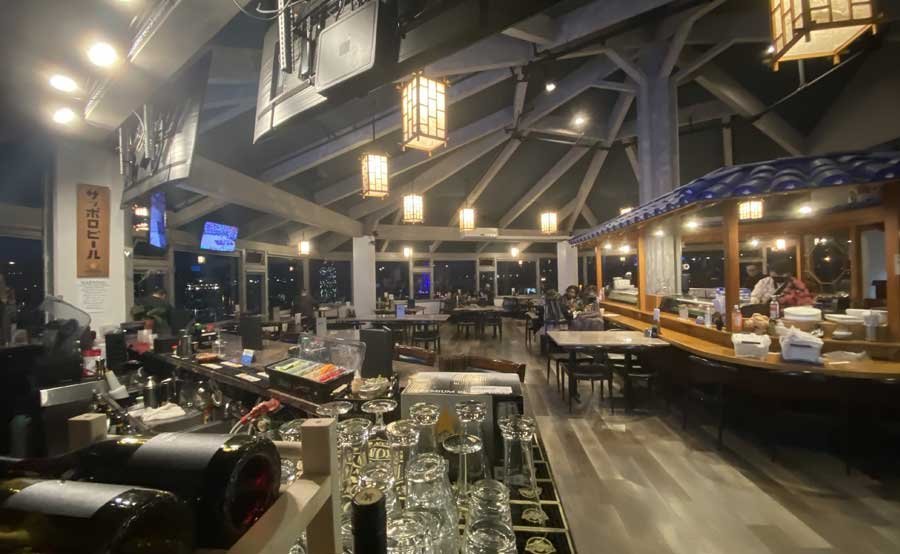
Quiet, minimalist decor with natural wood and subtle Japanese artistry, creating a calm and focused atmosphere.