Torino - Santa Fe
Torino - Santa Fe occupies a specific niche in Mexico City's western business corridor, where Santa Fe's corporate density has quietly built a parallel dining circuit to the better-publicized Polanco and Roma Norte scenes. The restaurant sits at Vasco de Quiroga 3200, serving a clientele that skews toward the district's finance and tech professional class. For visitors staying or working in Santa Fe, it represents a local anchor worth knowing.
Pearl is the En Primeur Club membership app — saves, bookings, and concierge access live there. Same editors, same standards.
- Address
- Vasco de Quiroga 3200, Santa Fe, Lomas de Sta Fé, Álvaro Obregón, 01210 Ciudad de México, CDMX, Mexico
- Phone
- +525552922486
- Website
- restaurantetorino.com
- Directions
- Get directions
 Saves & bookings on Pearl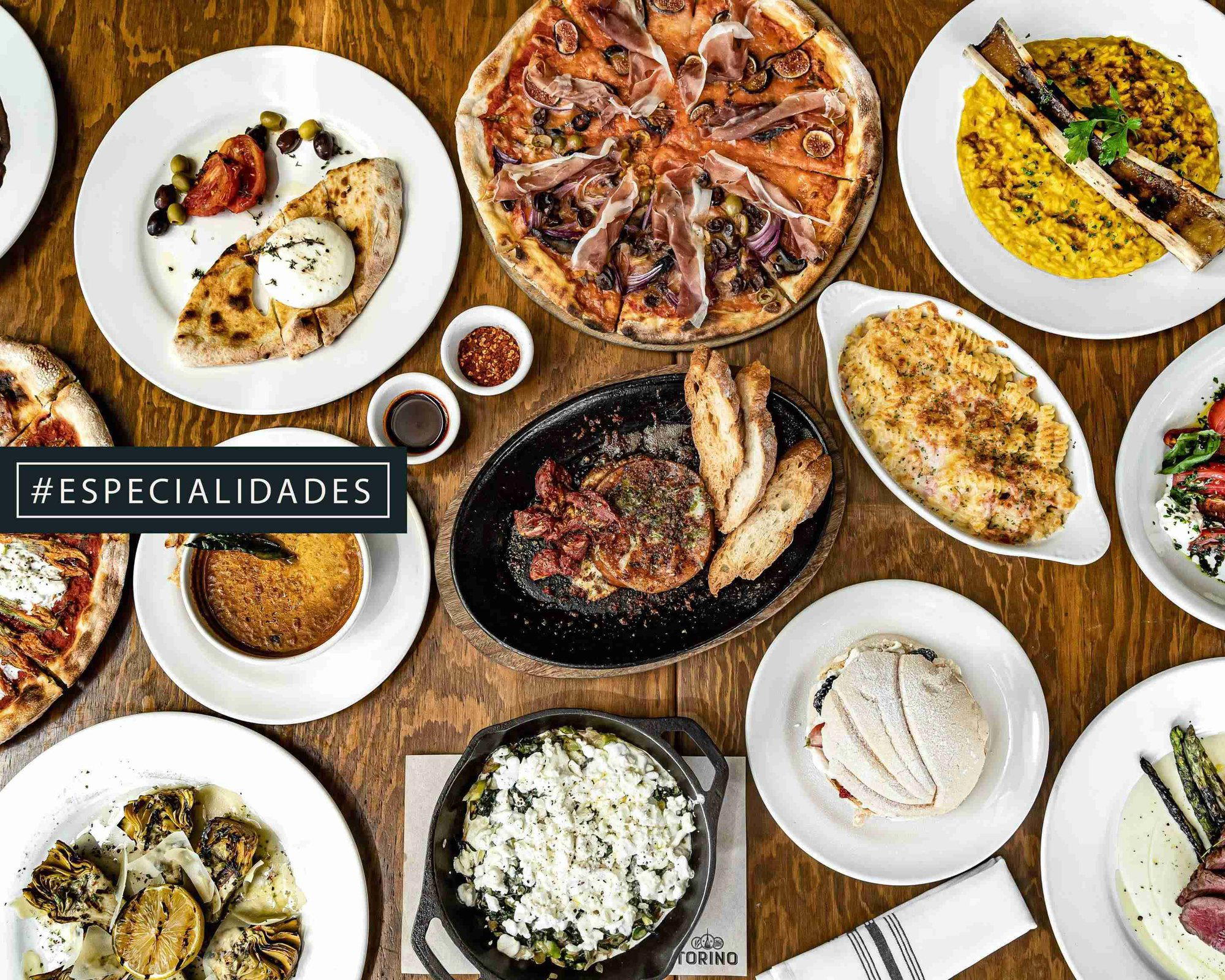
Santa Fe's Dining Circuit and Where Torino Fits
Mexico City's dining conversation defaults to the same geography: Polanco's tasting-menu corridor anchored by venues like Pujol and Quintonil, the creative-Italian warmth of Rosetta in Roma Norte, or the boundary-testing work happening at Em and Sud 777. Santa Fe, by contrast, rarely surfaces in that editorial conversation, which has less to do with quality and more to do with geography. The district sits at the city's western edge, physically separated from the central restaurant circuit by elevation changes, traffic patterns, and the sheer sprawl of a corporate zone that grew faster than its food culture did.
That imbalance has been closing. The professional population that fills Santa Fe's towers during the week has matured into a demanding dining audience, and restaurants serving it have had to meet a higher bar than the early years of the district required. Torino - Santa Fe, at Vasco de Quiroga 3200, is part of that adjusted picture: a venue positioned for the business lunch and the weeknight dinner rather than the destination pilgrimage, but operating in a neighbourhood context that rewards consistency and reliability above spectacle.
The Atmosphere of Santa Fe Dining
Arriving in Santa Fe carries a particular sensory signature that sets it apart from any other dining district in the capital. The altitude adds a crispness to the air that central neighbourhoods rarely have. The streets around Vasco de Quiroga trade the low-rise colonial texture of Condesa or Coyoacán for wider roads, glass towers, and the ambient noise of a district built around movement rather than lingering. Dining here is framed by that context: the restaurant becomes a retreat from the district's kinetic energy rather than an extension of a street-level neighbourhood life.
That dynamic shapes what a venue like Torino needs to deliver atmospherically. In Roma or Polanco, a restaurant competes with its street, its neighbours, the general charge of a walkable area. In Santa Fe, the room itself carries the full sensory load. Lighting, acoustics, and spatial rhythm matter more when there is no pedestrian theatre outside to supplement them. The name Torino suggests an Italian orientation, which, if accurate, would position it within a category that has performed well in the district: European-leaning formats that offer familiarity to an internationally travelled client base without requiring the conceptual investment that Mexico City's more experimental venues demand.
Italian Reference Points in the Mexico City Context
Italian cooking in Mexico City occupies a different register than it does in Europe. The leading iterations here are not replicas of Roman or Milanese originals but adapted expressions that absorb local ingredients, rhythms, and preferences. Rosetta remains the clearest example of how that translation can produce something with its own authority. At the other end of the spectrum, the city has plenty of Italian-inflected venues that operate on format familiarity alone, without the ingredient rigour or kitchen depth to justify the reference.
A restaurant with a name like Torino, in a district like Santa Fe, likely positions somewhere between those poles: Italian or European framing as a legibility signal for a business-oriented clientele, with execution that may or may not reach the standard set by the Roma-Condesa corridor. That positioning is not a criticism. Santa Fe's dining context rewards different things than Polanco does. The lunch window is shorter, the expectation of elaborate ceremony lower, and the premium placed on reliability, speed, and a room that facilitates conversation rather than demanding attention, proportionally higher.
The Broader Mexico Fine Dining Map
Understanding any single Santa Fe venue requires placing it inside the full arc of Mexican restaurant culture, which has expanded well beyond the capital in ways that matter for how Mexico City's own scene is now read. Venues like Animalón in Valle de Guadalupe and Lunario in El Porvenir have established wine country dining as a serious category. KOLI Cocina de Origen in Monterrey and Pangea in San Pedro Garza Garcia demonstrate that the country's north has built a confident restaurant culture independent of the capital. Levadura de Olla in Oaxaca and Huniik in Merida anchor their respective cities' claims to serious dining attention. The resort corridor contributes its own tier through venues like HA' in Playa del Carmen, Le Chique in Puerto Morelos, and Olivea Farm to Table in Ensenada. And beyond Mexico entirely, reference-level restaurants like Le Bernardin in New York City and Atomix in New York City set the global bar that Mexico's leading kitchens are increasingly measured against.
Santa Fe's contribution to that map is functional rather than destination-level, but function has its own value. A district that feeds thousands of professionals daily, and does so with consistent European-leaning formats and reliable execution, provides infrastructure that a city's dining ecosystem needs even if it rarely generates the critical coverage that its Polanco counterpart does. For visitors and residents whose routines bring them to the western corridor, knowing which venues hold that standard is practical intelligence, not consolation.
For the deeper Mexico City dining picture across all neighbourhoods, our full Mexico City restaurants guide maps the scene across price tiers and formats. Alcalde in Guadalajara also offers a useful point of comparison for understanding how Mexico's restaurant culture operates when it escapes the capital's gravity entirely.
Planning Your Visit
Torino - Santa Fe is located at Vasco de Quiroga 3200, Lomas de Santa Fe, in the Álvaro Obregón borough of Mexico City, postal code 01210. Access from the central hotel and restaurant districts requires accounting for Santa Fe's notorious traffic, particularly during weekday rush periods; midday and weekend visits involve significantly easier transit. The address is close to the commercial infrastructure of the Perisur and Santa Fe mall zones, making it a practical stop for visitors already in the western corridor rather than a cross-city destination.
Contact details and current hours were not available at the time of publication. Visitors should confirm operating times and reservation requirements directly before travelling to the address, given Santa Fe's distance from the city centre.
Continue exploring
More in Mexico City
Restaurants in Mexico City
Browse all →
Bars in Mexico City
Browse all →
At a Glance
- Romantic
- Cozy
- Elegant
- Date Night
- Business Dinner
- Family
- Brunch
- Standalone
Current opening hours
- Monday
- 8 AM–11 PM
- Tuesday
- 8 AM–11 PM
- Wednesday
- 8 AM–11 PM
- Thursday
- 8 AM–11:30 PM
- Friday
- 8 AM–11:30 PM
- Saturday
- 8 AM–11:30 PM
- Sunday
- 9 AM–6 PM
Hours can change for holidays and private events. Last verified .
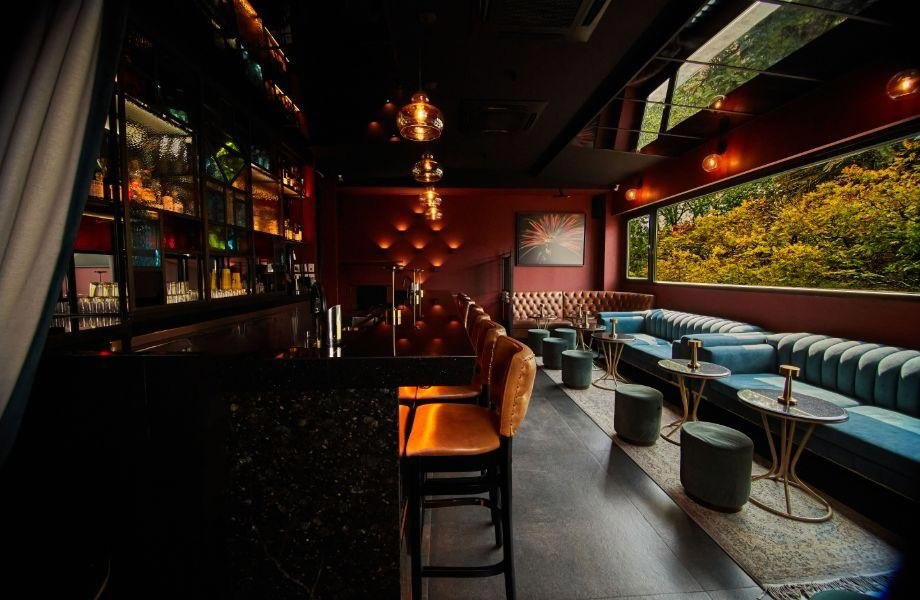
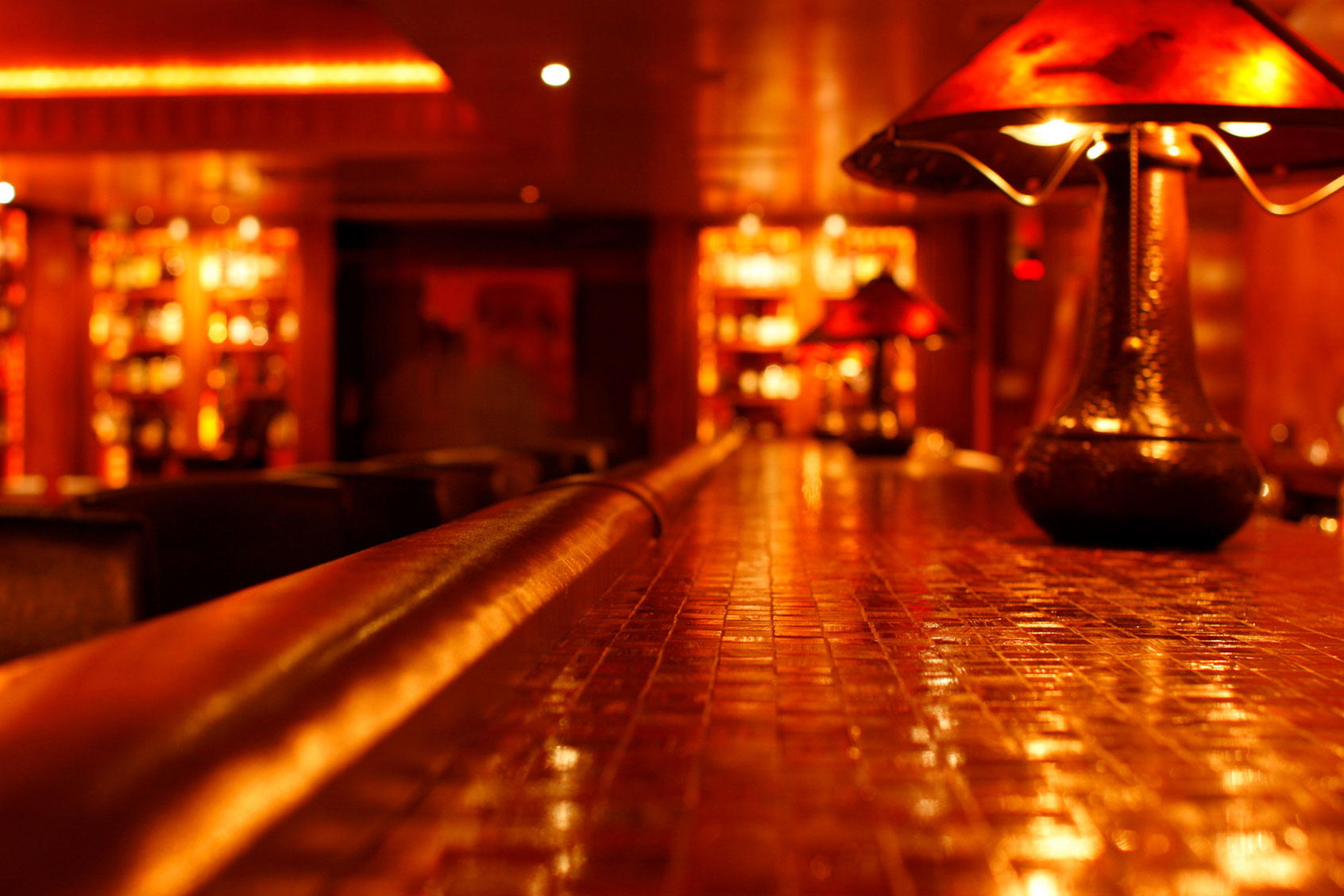
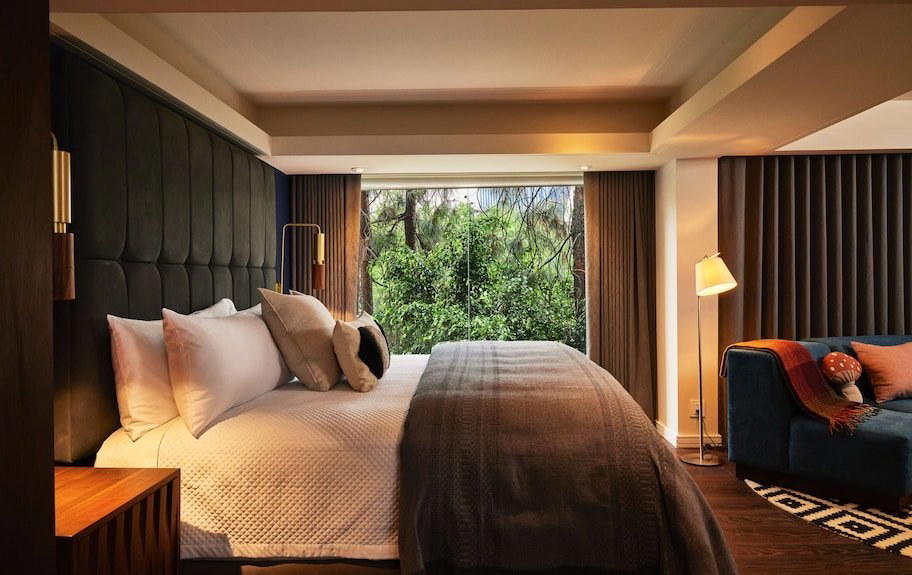
Cozy and romantic atmosphere evoking a Tuscan villa with warm lighting and elegant decor.
Know Before You Go
- Getting there
- Vasco de Quiroga 3200, Santa Fe, Lomas de Sta Fé, Álvaro Obregón, 01210 Ciudad de México, CDMX, Mexico