Darosa
On a quiet block in Colonia Juárez, Darosa occupies a stretch of Barcelona Street where the neighbourhood's European-inflected architecture meets Mexico City's contemporary dining ambitions. The address places it in conversation with some of the capital's most closely watched restaurants, in a district that has become a reliable indicator of where the city's creative dining energy is moving next.
Pearl is the En Primeur Club membership app — saves, bookings, and concierge access live there. Same editors, same standards.
- Address
- Barcelona 24, Juárez, Cuauhtémoc, 06600 Juárez, CDMX, Mexico
- Phone
- +525535156838
- Website
- opentable.com
- Directions
- Get directions
 Saves & bookings on Pearl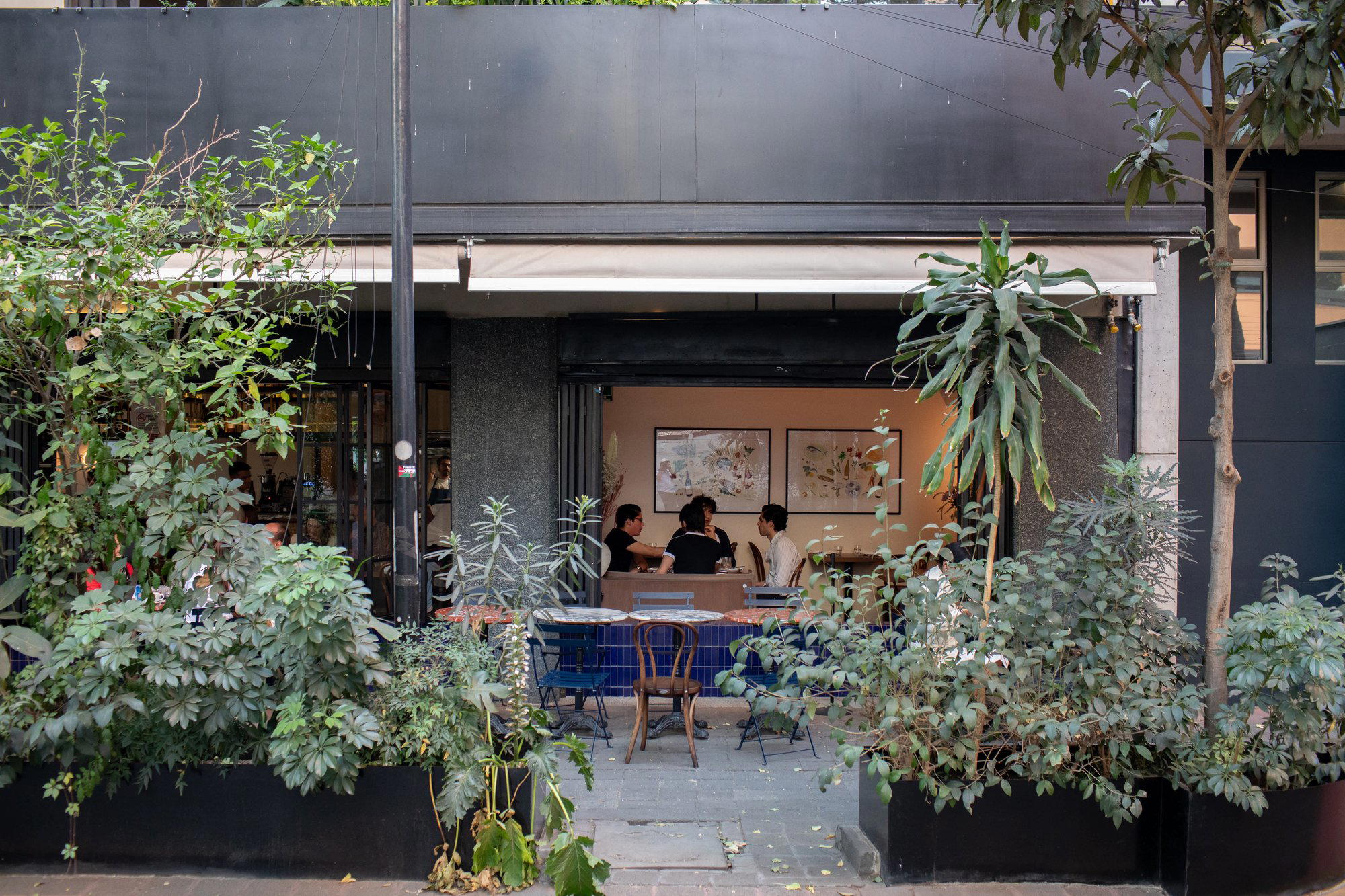
Barcelona Street and the Juárez Dining Shift
Colonia Juárez has changed faster than almost any other central Mexico City neighbourhood in the past decade. The district's wide, tree-lined streets and Porfiriato-era buildings spent years as a quieter residential buffer between the commercial noise of Zona Rosa and the gallery density of Roma Norte. That position has now become an advantage. Rents remained lower than Roma long enough for a generation of more considered restaurant projects to take root on streets like Barcelona, Hamburgo, and Havre, away from the footfall economics that shape menus on busier corridors.
Barcelona 24 is a specific kind of address in this context: close enough to Paseo de la Reforma to draw visitors who might otherwise default to Polanco, but embedded enough in the neighbourhood's residential grain to attract a local crowd that treats the area as its own. The city's dining geography increasingly rewards this kind of in-between positioning. Venues at this latitude in Juárez sit neither in the high-profile destination tier anchored by Pujol and Quintonil in Polanco, nor in the neighbourhood-casual register of the cheaper Roma side streets. They occupy a middle ground where the ritual of a meal is taken seriously without the formality that signals a special-occasion-only room.
The Ritual Before the Food Arrives
In Mexico City's more intentional dining rooms, pacing is the first signal of how seriously a kitchen takes the experience. The capital's leading mid-to-upper tier restaurants have moved away from the rapid table-turn model that still dominates tourist-facing spots along Reforma. In their place, a slower, more sequenced rhythm has become the norm: longer waits between courses, more deliberate plating, and service staff who understand the meal as something to be moved through rather than cleared quickly.
This shift reflects a broader alignment with how serious restaurant culture operates internationally. At Lazy Bear in San Francisco or Le Bernardin in New York City, the pacing of a meal is itself a form of editorial control, communicating that each course has been considered in relation to what comes before and after it. Mexico City's dining rooms in Juárez, Roma, and Condesa have absorbed this sensibility without abandoning the warmth and informality that distinguishes eating in Mexico from eating in more rigid European service traditions. The result is a hybrid ritual: structured enough to feel considered, loose enough to feel genuinely hospitable.
Venues in Juárez at Darosa's address level tend to attract a clientele that has already spent time in the city's more formal rooms and is looking for something with equivalent care and fewer performance signals. The regulars are not there for a grand occasion; they are there because they have found a room where the meal unfolds at a pace they trust.
Where Darosa Sits in the Mexico City Tier Structure
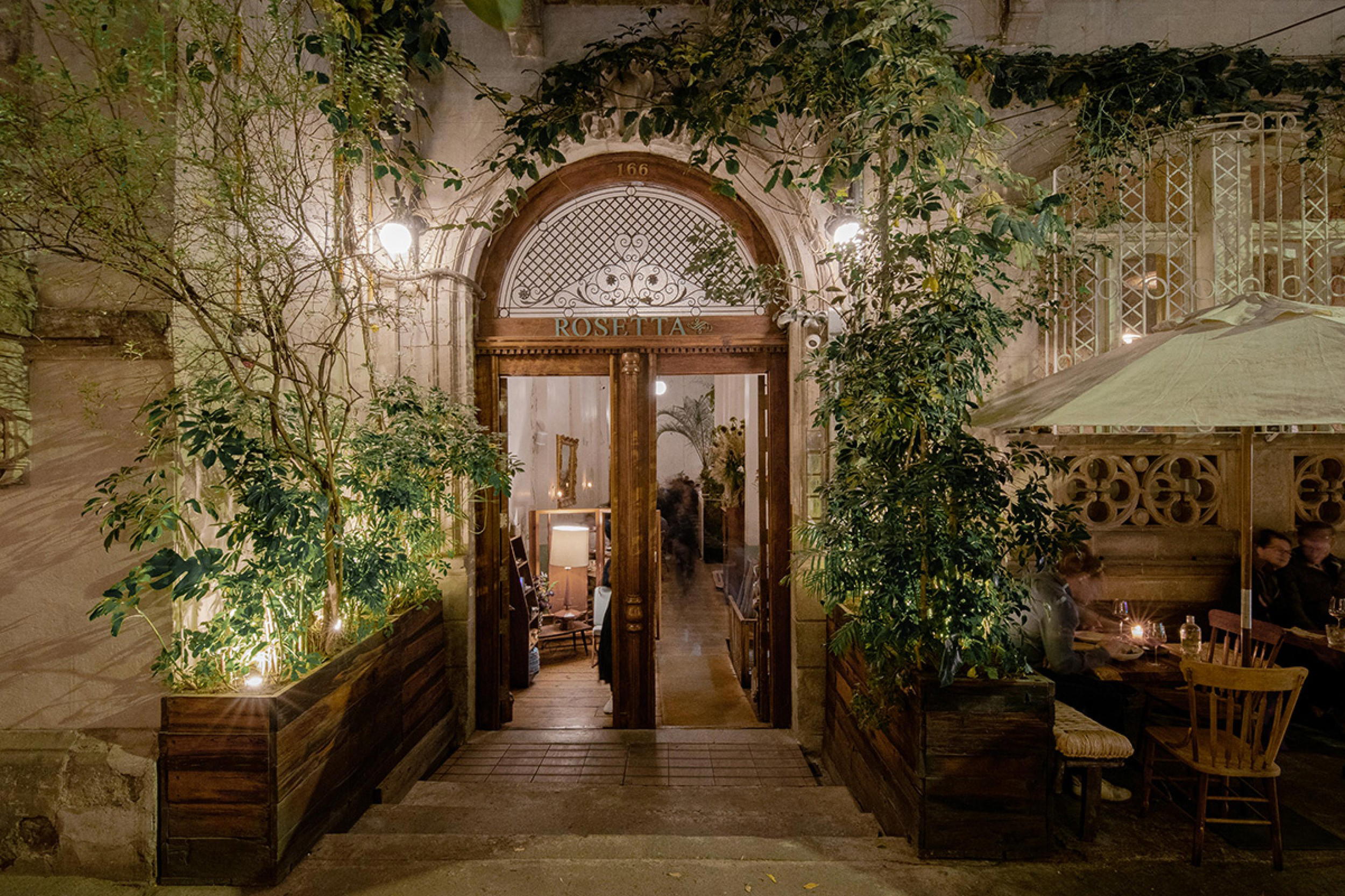
Mexico City's restaurant market has stratified sharply. At the leading, a handful of internationally recognised addresses command $$$$ pricing and compete for placement on global ranking lists. Below that, a much larger and more interesting middle tier has developed, where serious cooking happens at price points that make regular visits possible. Rosetta in Roma operates in this register at $$, as does Em at $$$. The positioning of a Juárez address like Darosa reflects the neighbourhood's broader pattern: comparable culinary ambition to Roma or Condesa, with a guest profile that skews toward committed locals rather than first-time visitors working through a standard itinerary.
This is not the room you visit to say you have visited it. It is the room that rewards repeat visits and the kind of attention you bring to a meal when you are not performing the experience for anyone else. Across Mexico, this format appears in some of the country's most carefully considered rooms: at Levadura de Olla in Oaxaca, at KOLI Cocina de Origen in Monterrey, and at Alcalde in Guadalajara, each of which has built a dining ritual rooted in regional identity rather than international legibility.
The Juárez Setting and What It Implies About the Menu
Restaurants in Colonia Juárez tend to reflect the neighbourhood's cross-cultural character. The area's early 20th-century development attracted European immigrant communities, and that architectural inheritance remains visible in the building stock along Barcelona and the surrounding streets. Kitchens here have historically operated with more openness to non-Mexican reference points than, say, the deeply Mexican-identified rooms of Oaxaca's centro. The better ones do not treat this as a license for formlessness; they use it to position Mexican ingredients and techniques within a wider conversation about what the food can do.
This is the same creative positioning that distinguishes Sud 777 at its end of the market, or what Arca does in Tulum within a different regional frame. The Juárez neighbourhood, with its particular blend of residential density and creative openness, provides a context in which menus can move between traditions without feeling arbitrarily eclectic.
Getting There and Planning Your Visit
Barcelona 24 in Juárez is accessible from Metrobús Line 1 (Hamburgo stop) and Metro Line 1 (Insurgentes station), both within a short walk. The neighbourhood is also well-served by ride-share from Polanco, Roma, and Condesa, typically ten to twenty minutes depending on traffic. Juárez rewards arriving with time to walk the surrounding blocks before or after a meal: the area around Paseo de la Reforma and the side streets toward Havre and Marsella have enough to justify the extra time.
| Venue | Neighbourhood | Price Range | Cuisine Focus |
|---|---|---|---|
| Darosa | Juárez | Not confirmed | Not confirmed |
| Pujol | Polanco | $$$$ | Mexican |
| Quintonil | Polanco | $$$$ | Modern Mexican |
| Rosetta | Roma Norte | $$ | Italian, Creative |
| Em | Roma Norte | $$$ | Mexican |
For a wider view of where Darosa fits within the capital's dining options, see our full Mexico City restaurants guide. If you are extending your trip beyond the capital, Animalón in Valle de Guadalupe, HA' in Playa del Carmen, Olivea Farm to Table in Ensenada, Lunario in El Porvenir, and Le Chique in Puerto Morelos represent the range of serious cooking available across Mexican regions, each operating within its own local ritual logic.
How Darosa Mexico City compares with similar nearby venues.
| Venue | Cuisine | Price |
|---|---|---|
| Cana | Contemporary | $$ |
Continue exploring
More in Mexico City
Restaurants in Mexico City
Browse all →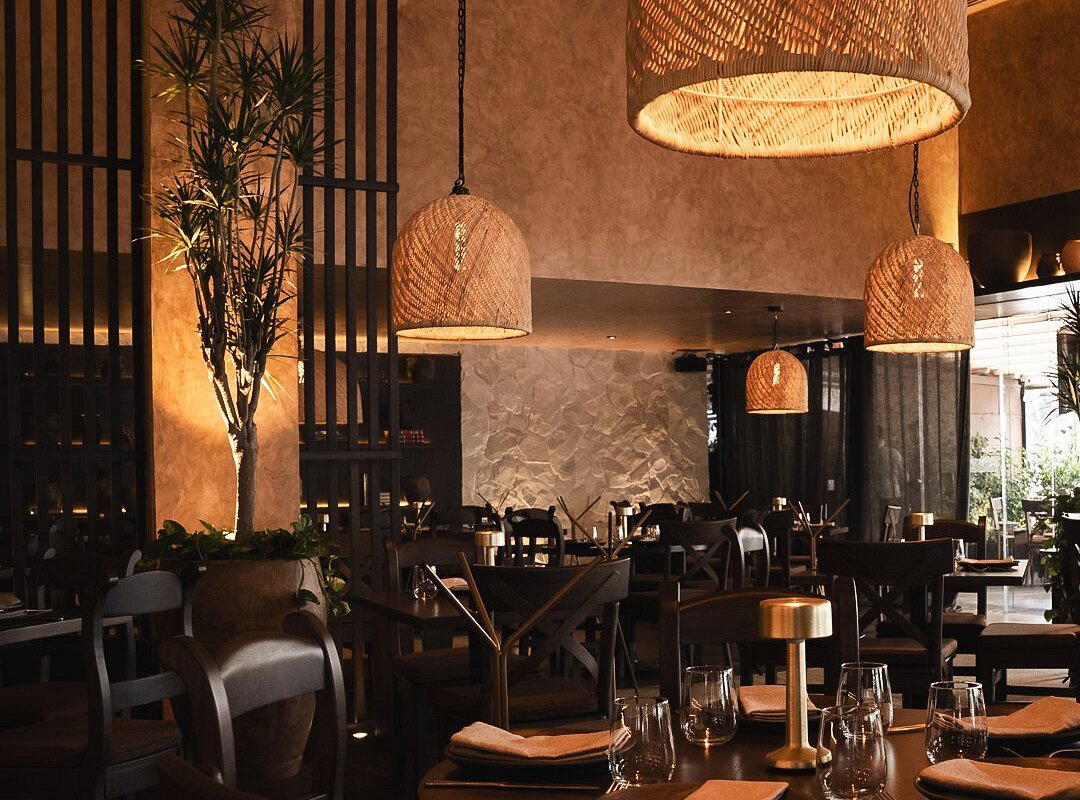
Bars in Mexico City
Browse all →
At a Glance
- Romantic
- Elegant
- Trendy
- Energetic
- Date Night
- Special Occasion
- Open Kitchen
- Street Scene
Current opening hours
- Monday
- 2–10:15 PM
- Tuesday
- 2–10:15 PM
- Wednesday
- 2–10:15 PM
- Thursday
- 2–10:15 PM
- Friday
- 2–10:15 PM
- Saturday
- 2–10:15 PM
- Sunday
- 2–5:45 PM
Hours can change for holidays and private events. Last verified .
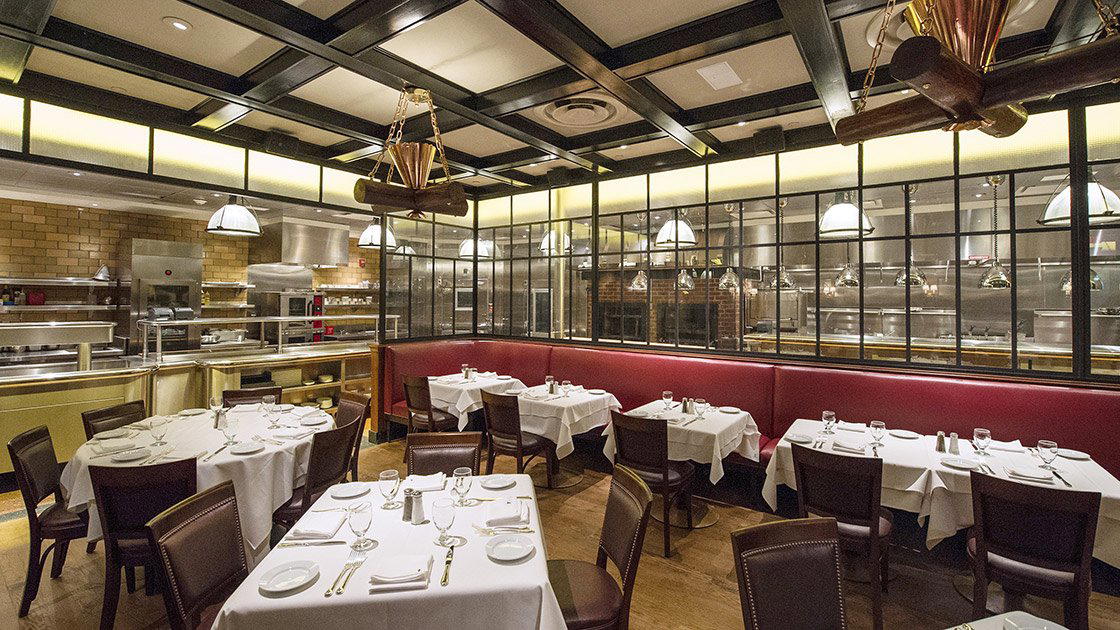
Low candlelit lighting with white tablecloths creating a romantic yet energetic atmosphere.
Know Before You Go
- Getting there
- Barcelona 24, Juárez, Cuauhtémoc, 06600 Juárez, CDMX, Mexico