
Tori Sami belongs to Tokyo’s counter-led yakitori culture, where the grill is less spectacle than discipline: timing, smoke control, and chicken butchery matter more than luxury signals. Its 2025 Tabelog 100 Yakitori EAST selection and 11-seat counter place it in the city’s serious small-format tier, with Kameari giving the meal a different rhythm from central Tokyo’s expense-account districts.
Pearl is the En Primeur Club membership app — saves, bookings, and concierge access live there. Same editors, same standards.
- Address
- 3 Chome-27-15 Kameari, Katsushika City, Tokyo 125-0061, Japan
- Phone
- +81 3-3602-1192
- Website
- instagram.com
 Saves & bookings on Pearl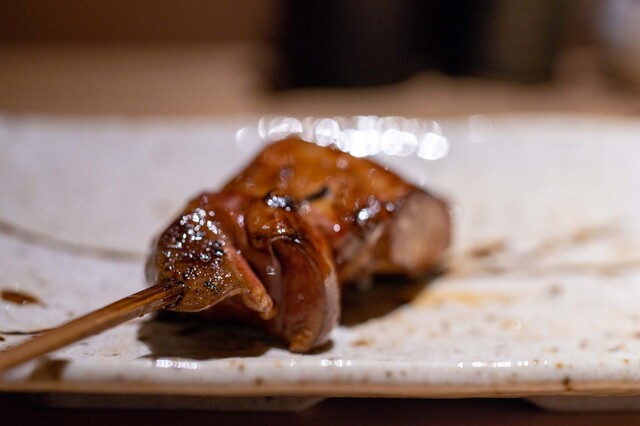
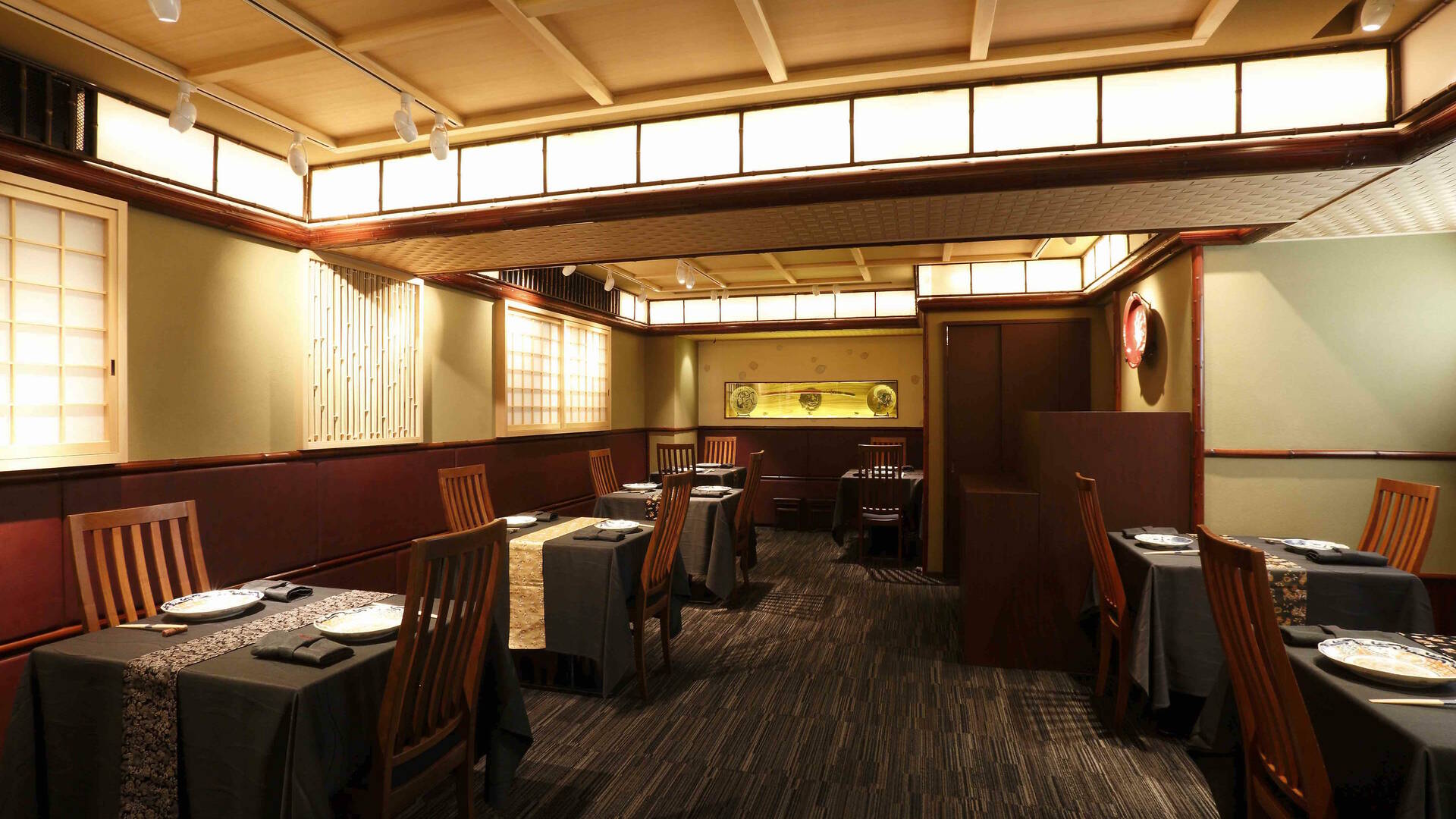
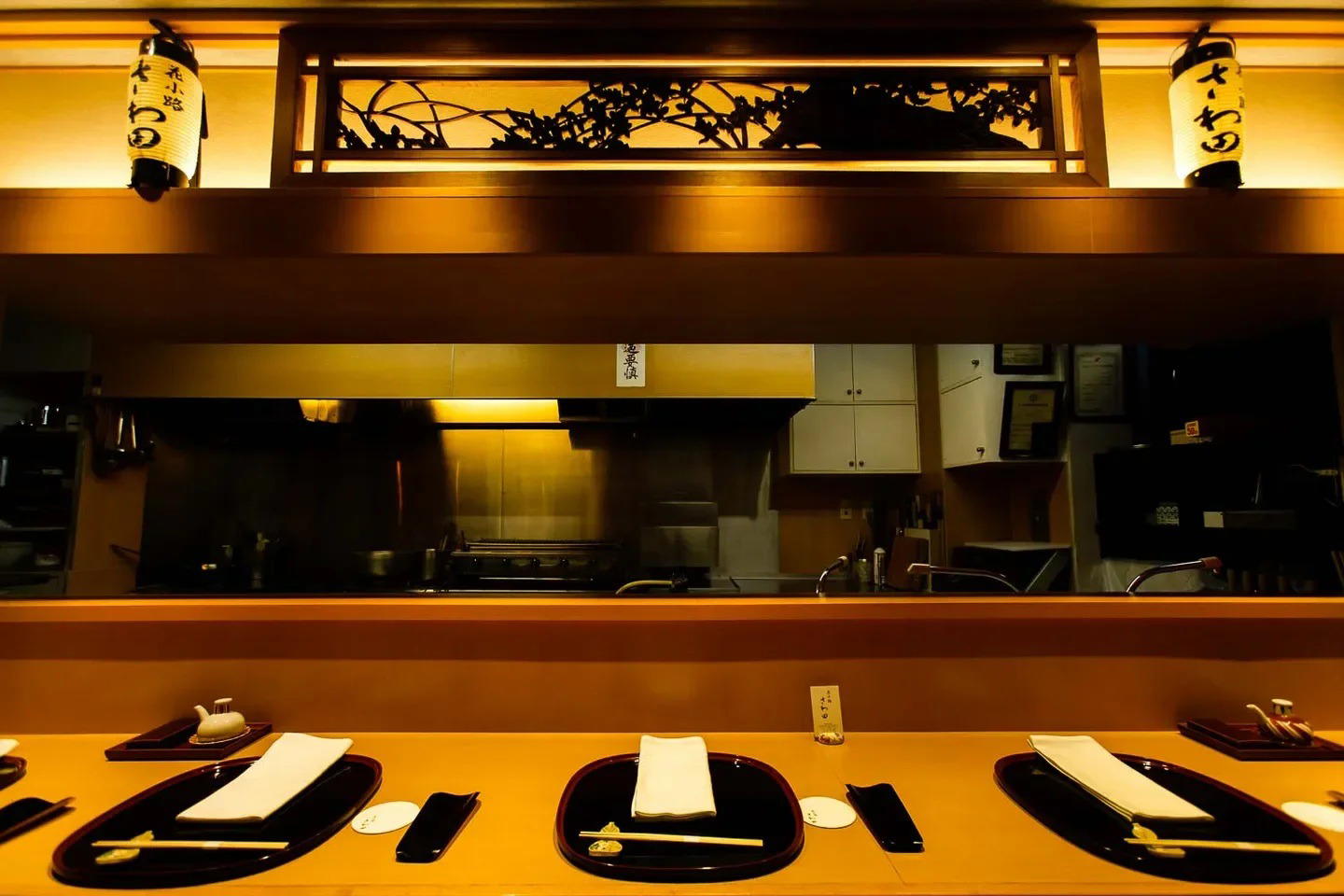
Kameari changes the tempo before dinner. The approach is residential Tokyo, not hotel-lobby Tokyo: train tracks, neighbourhood foot traffic, and the slower evening pattern of Katsushika. Inside, the counter focuses attention on the grill, work surface, and sequence of skewers rather than a display dining room. For yakitori, the room is part of the cooking system, letting diners read heat, smoke, pacing, and portioning close up.
Tokyo yakitori has two lives. One is post-work drinking, casual skewers, and fast turnover. The other treats chicken as a full meal, with the seriousness sushi gives rice temperature or tempura gives oil. Tori Sami sits in the second camp. Its selection for Tabelog 100 Yakitori EAST 2025 is a useful signal in a category crowded with specialists, not general Japanese restaurants that also grill chicken. In a city where yakitori ranges from station-side beer stop to counter booked around one grill, that distinction matters.
Kameari gives serious yakitori a less polished Tokyo frame
Much of Tokyo’s high-end dining attention defaults west and central: Ginza for sushi, Akasaka and Roppongi for expense-account rooms, Kagurazaka for old-town intimacy, Ebisu and Meguro for contemporary counters. Kameari sits outside that visitor circuit, changing the value equation. A meal here is framed not by skyline hotels or luxury retail, but by a ward where everyday Tokyo has more authority than destination dining theatre.
That location suits yakitori. The cuisine’s roots are urban, practical, and tied to drinking culture, while its serious modern form depends on specialization. The grill must manage cuts with different fat levels, textures, and heat tolerances. The counter must pace the diner without becoming a rigid tasting menu. The 11-seat counter matters because, in yakitori, small capacity can tighten the relationship between fire and serving rhythm.
Compared with lower-priced Tokyo comfort categories such as . 鮪と炭火焼き うお炭 秋葉原店, 3 Chome no Curry Ya San, or the ramen intensity of Tsukemen Michi, this category asks diners to pay for control rather than abundance. Against other skewered or grilled formats, including 124. KAGURAZAKA (Yakitori) and 12/10 Shinjuku ten, the point is not simply chicken over charcoal. It is whether the counter turns familiar ingredients into a measured progression without losing yakitori’s informality.
The counter is the argument, not the decoration
Yakitori rewards restraint. Too much polish flattens the genre; too little control makes the meal feel like bar food with a higher bill. The better counter keeps the grammar intact: direct heat, short intervals between skewers, and a drink list that handles smoke, salt, and fat. Tori Sami’s drinks focus includes sake, shochu, and wine, showing how Tokyo yakitori has widened beyond beer and highballs without abandoning Japanese drinking habits.
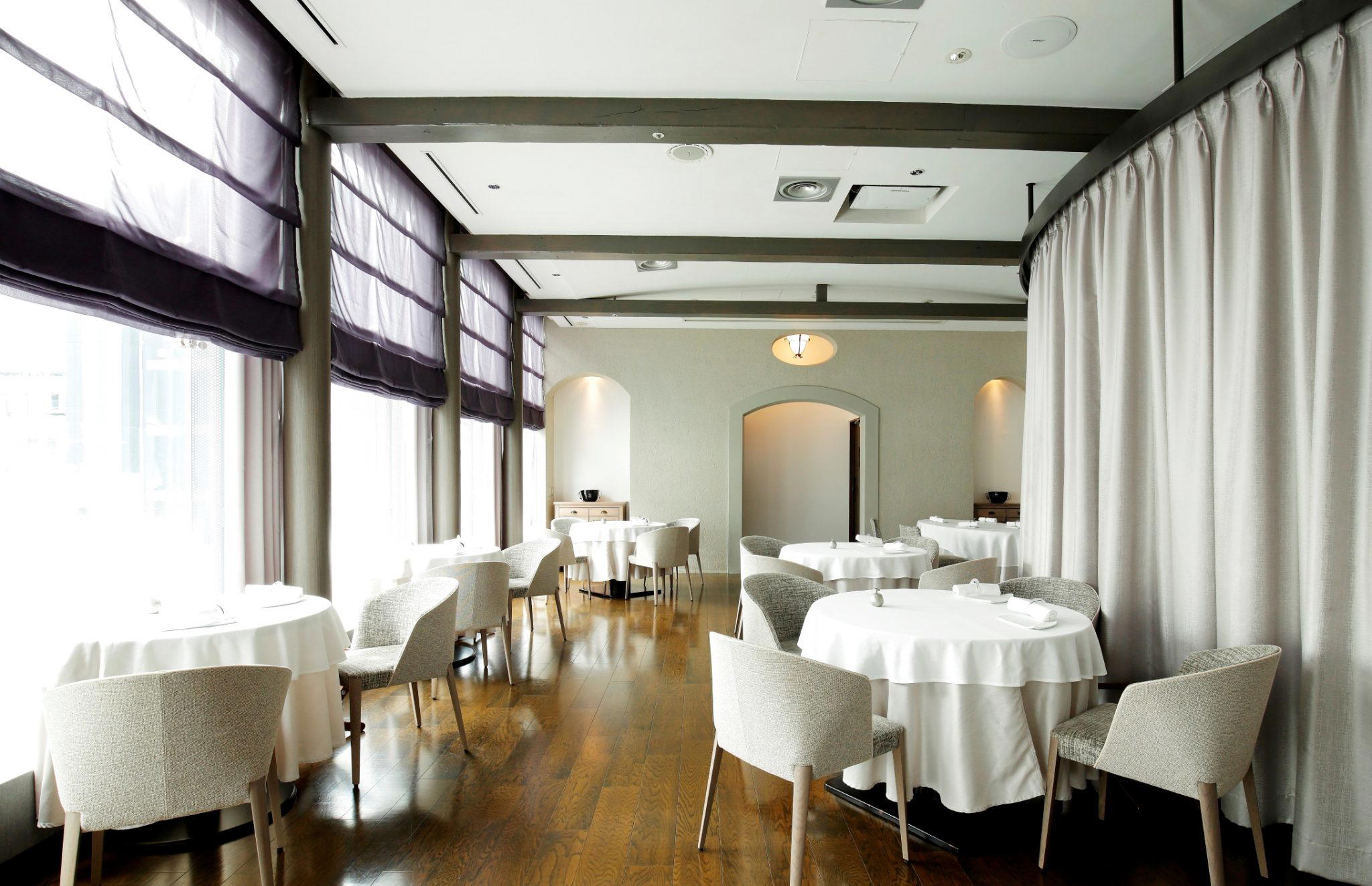
The absence of private rooms clarifies the experience. This is not built for separation or corporate hosting. Counter seating puts every diner into the same field of view, suiting a cuisine where the cooking sequence has public meaning. In sushi, the counter often becomes ceremony. In yakitori, it is more physical: heat management, skewers moving across zones, and when to serve each piece. The form is direct, and a small room keeps it that way.
Tabelog’s score of 3.67 adds another signal. Japanese review culture is stricter than many international rating systems, and high-three scores can show significant local confidence, especially in specialist categories. Tabelog 100 selection in both 2024 and 2025 gives the stronger editorial cue: repeated recognition within eastern Japan’s yakitori field, not a new-venue spike.
For travellers building a Tokyo itinerary, the decision is less about a famous district than appetite for a neighbourhood counter. A first-time visitor focused on central convenience may prefer Ginza, Shinjuku, or Roppongi; a repeat visitor who understands the city’s train logic will find more meaning in crossing town for a category-specific meal. That logic applies across EP Club’s Tokyo coverage, from our full Tokyo restaurants guide to our full Tokyo bars guide, our full Tokyo hotels guide, our full Tokyo wineries guide, and our full Tokyo experiences guide: Tokyo rewards diners who stop treating geography as hierarchy.
Where it fits in a Tokyo food itinerary
Tori Sami is best read as a specialist dinner, not a broad introduction to Japanese dining. It suits diners who know yakitori is not secondary to sushi, tempura, or kaiseki, but its own technical tradition. The cooking centres on chicken, yet the serious form is about range: lean and fatty cuts, offal and muscle, salt and sauce decisions, and how charcoal changes texture without elaborate plating.
It is a strong counterpoint to Tokyo’s other compact food formats. The graphic-café playfulness of 2D Cafe, the budget precision of TORAYA BAKERY, and the regional comfort of Hiroshima Okonomiyaki Okotaro answer different cravings. A yakitori counter asks for more attention and less wandering. It is distinct from regional Japanese dining outside the capital, whether the beef-centered format of -Grilled beef Sukiyaki- KAMAKURA TANUKIAN 鎌倉 たぬき庵 in Kamakura, the cafe culture around.cafe in Osaka, or the sharper local identity of.know in Kumamoto.
International diners sometimes flatten Japanese casual forms into one category, but yakitori deserves sharper reading. It is not only grilled chicken; it is a Tokyo night-culture language built from economy, specialization, and proximity to fire. That distinguishes it from diasporic or cross-border Japanese food experiences such as Jōdo Saké Bar in Los Angeles, Onigiri Time in Pasadena, or Vietnamese and curry specialists like (Shoku) Vietnam in Kawasaki and [Curry Senmon Ten] Maruyama Kyoju. in Sapporo. These comparisons do not rank; they show how format, city, and occasion shape the meal before the first order.
The better itinerary pairs this dinner with a day that does not rush across too many districts. Kameari is not hard Tokyo, but it is not central Tokyo either, and the reward is a meal tied to its neighbourhood rather than imported into a luxury dining corridor. For diners continuing through Japan, [ki:] in Kyoto offers another reminder that small-format dining is often where Japanese food culture speaks with the least explanation.
A Tight Comparison
Comparable venues in the metro at similar price points.
| Venue | Cuisine | Price |
|---|---|---|
| Tori SamiThis venue — the venue you are viewing | Katsushika, Yakitori | $$ |
| らぁめん家 69'N' ROLL ONE 赤坂本店 | Akasaka, Chicken Clear Soy Ramen | $$ |
| Kooriya Peace | Kichijoji, Japanese Kakigori Shaved Ice | $$ |
| Hirugao (ひるがお) | Marunouchi, Shio Ramen Specialist | $$ |
| Kinozen | Kagurazaka, Traditional Japanese Sweets | $$ |
| Shio Ramen Shinka | Machida, Traditional Shio Ramen | $$ |
Recognition history
Dated appearances from independent guides and award organizations, with the underlying list record or original source where available.
Tabelog 100 #11 · No. 11
Tabelog · Tabelog 100 - Yakitori - EAST - 2025




At a Glance
- Cozy
- Classic
- Casual Hangout
- Solo
- Standalone
Current opening hours
- Monday
- 5:30–11 PM
- Tuesday
- 5:30–11 PM
- Wednesday
- 5:30–11 PM
- Thursday
- 5:30–11 PM
- Friday
- 5:30–11 PM
- Saturday
- 5–11 PM
- Sunday
- Closed
Hours can change for holidays and private events. Last verified .
Likely a low-key, intimate yakitori setting focused on counter-side grilling rather than a large, formal dining room.