Sép7ima sits on the Paseo de la Infanta Isabel in Madrid's Retiro district, where the wine program carries as much editorial weight as the kitchen. The address places it steps from the park's southern edge, within a corridor of serious dining that rewards those who come with a reservation and a clear sense of what they're after. Approach it as a wine-led dining room first, restaurant second.
Pearl is the En Primeur Club membership app — saves, bookings, and concierge access live there. Same editors, same standards.
- Address
- P.º de la Infanta Isabel, 13, Retiro, 28014 Madrid, Spain
- Phone
- +34914097876
- Website
- onlyyouhotels.com
- Directions
- Get directions
 Saves & bookings on Pearl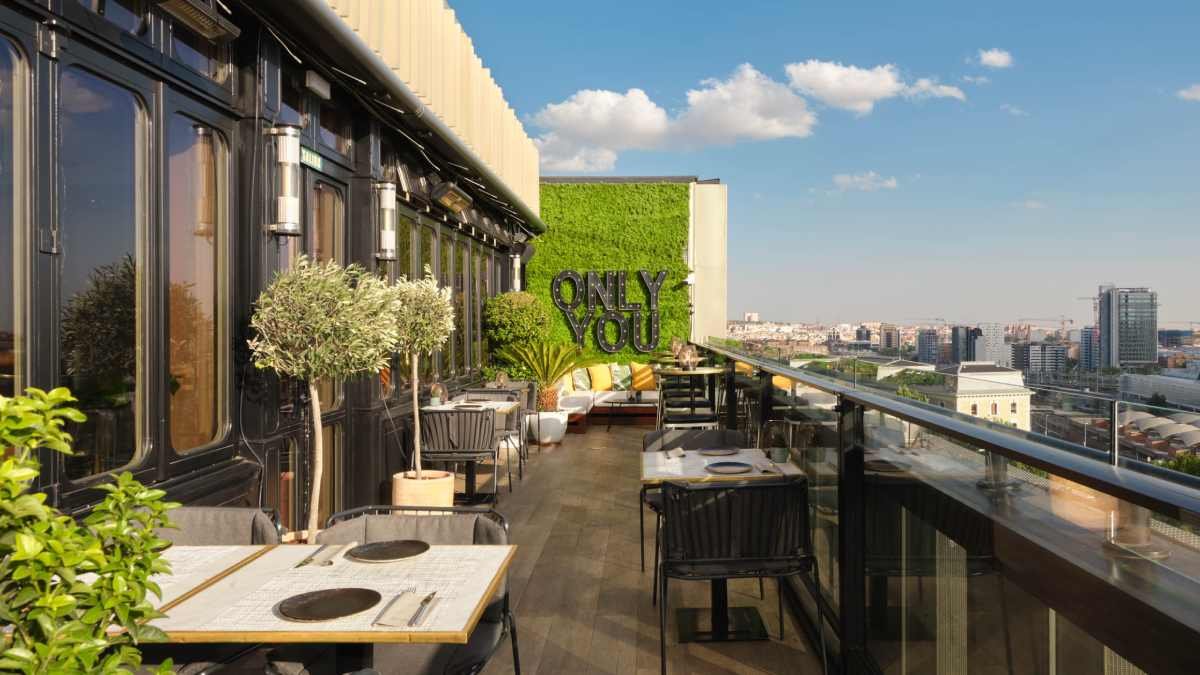
Where the Paseo Meets the Cellar
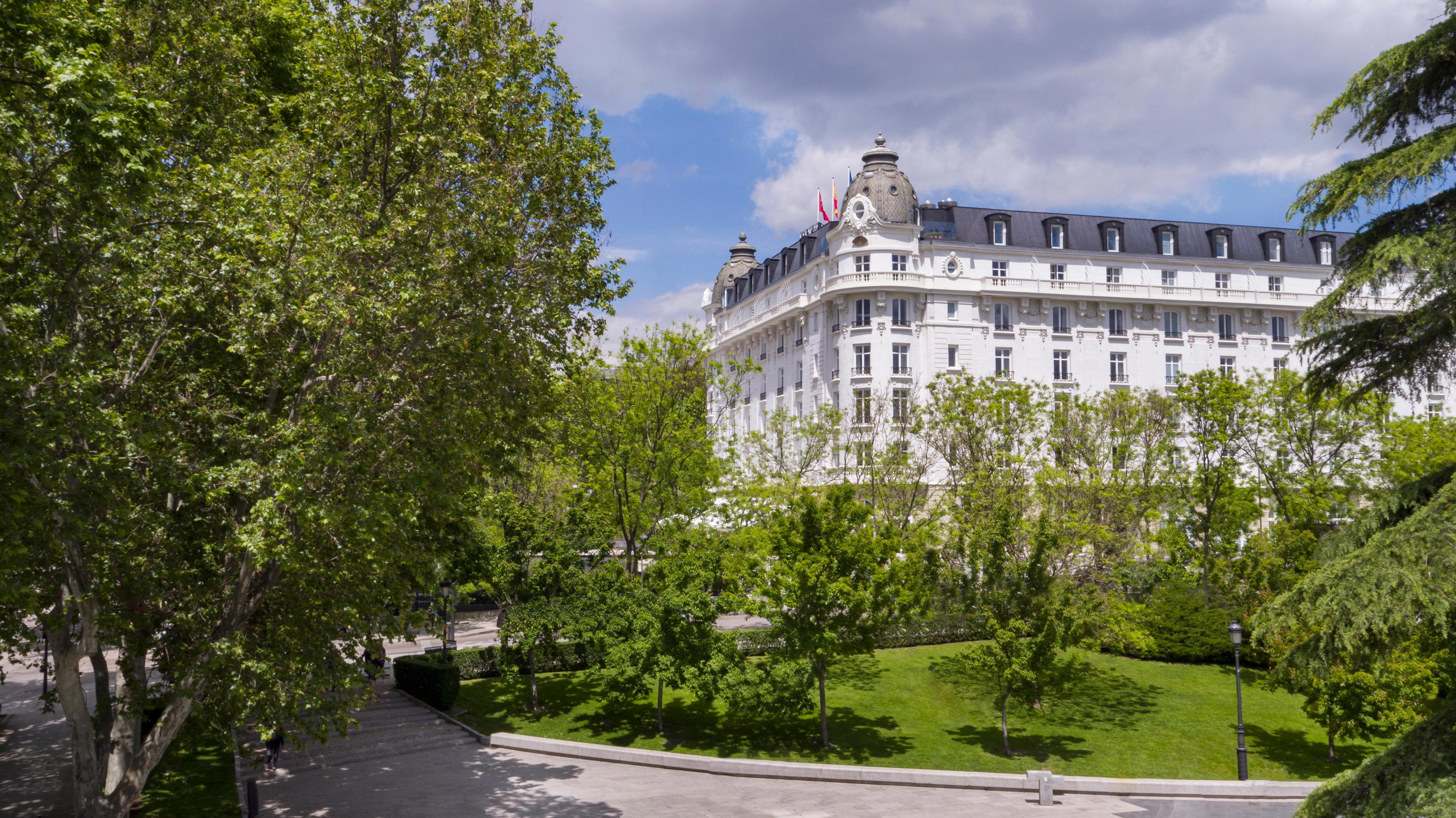
The Paseo de la Infanta Isabel runs along the southern flank of Retiro, a stretch of Madrid that reads differently from the Salamanca gold mile or the creative density of Chueca. The boulevard is quieter, more residential in character, and the dining rooms that have taken root here tend to reward intention over impulse. Sép7ima occupies this address at number 13, and the setting frames expectations before you've seen a menu: this is a neighbourhood where guests arrive with a purpose.
In Madrid's premium dining scene, the Retiro corridor has historically sat in the shadow of Salamanca and the creative vanguard concentrated around venues like DiverXO and DSTAgE. Yet the area's lower profile is partly what makes it useful to understand. Rooms here aren't competing on spectacle; they're competing on consistency and depth, which is a different kind of promise to a guest.
The Wine Frame: How Cellars Define Rooms in Madrid
Across Spain's top-tier dining scene, the wine program has become a primary differentiator. At El Celler de Can Roca in Girona, the cellar runs to tens of thousands of references and operates almost as a separate institution alongside the kitchen. At Atrio in Cáceres, the wine collection is so central to the property's identity that it functions as one of the primary reasons to make the trip to Extremadura. The pattern is clear: in Spain's serious dining rooms, the sommelier and the chef carry roughly equal weight in shaping the guest experience.
Madrid's own wine-forward rooms sit within that national tradition but with a particular urban character. The city is not a wine region in itself, which paradoxically frees its cellars from any regional obligation. A Madrid sommelier can build a list that moves across Rioja, Ribera del Duero, Priorat, Galicia, and Jerez with equal authority, then pivot to Burgundy or the Loire without the pressure a regional house might feel to anchor the selection. This freedom, when exercised with discipline, produces lists that read as genuine editorial statements rather than catalogues.
Sép7ima's name itself carries a reference worth noting in this context. The word suggests sequence and structure, the kind of framing that wine-led dining rooms tend to adopt when they want to signal that what arrives in the glass is as considered as what arrives on the plate. Whether that promise is delivered is a matter of visiting, but the framing is deliberate, and deliberateness in a wine program is the first signal worth reading.
Retiro's Dining Character and Where Sép7ima Sits
Retiro as a dining district occupies a middle position in Madrid's hierarchy. It lacks the concentration of Michelin-weighted rooms that Salamanca sustains, and it doesn't have the experimental density of the creative vanguard represented by Coque, Deessa, or Paco Roncero. What it has instead is a calmer rhythm, a guest profile that tends toward the established local rather than the destination tourist, and dining rooms that depend on repeat custom rather than first-time spectacle.
That context shapes how a room like Sép7ima should be read. It isn't positioning itself against the multi-Michelin creative houses. In Paris, these are the bistrots à vins with deep producer relationships and brief seasonal menus. In London, they tend to be the rooms where the wine buyer's taste drives the kitchen's direction as much as the reverse. In Madrid, the equivalent is still a developing category, which gives rooms like this one a degree of relevance beyond their immediate neighbourhood.
Spain's Broader Context: Reading a Room Through Its National Scene
Spain's fine dining scene in 2024 operates at a scale that makes Madrid's local rooms easier to calibrate when placed against the national picture. Martin Berasategui in Lasarte-Oria holds three Michelin stars and represents the Basque tradition at its most technically elaborate. Arzak in San Sebastián has maintained three stars for decades and remains the benchmark for new Basque cuisine's longevity. Azurmendi in Larrabetzu and Mugaritz in Errenteria represent the research-led end of Basque cooking. Further south, Aponiente in El Puerto de Santa María has built a singular identity around marine products and forgotten ingredients. Quique Dacosta in Dénia and Ricard Camarena in València define the Levantine end of the spectrum. Cocina Hermanos Torres in Barcelona operates at three-star level inside a converted gas factory.
These are the reference points against which Madrid's own serious dining rooms measure ambition. A room that competes on wine depth in this national context is making a specific claim: that the cellar can carry enough intellectual and sensory weight to sit alongside kitchens that have spent decades building technical reputations. It is not the easiest argument to make, but when a wine program is genuinely deep and the curation is honest, it is one of the most durable. For international points of comparison, rooms like Le Bernardin in New York City and Atomix in New York City demonstrate how wine selection and kitchen identity can reinforce each other to build a coherent dining position across years.
For the full picture of Madrid's dining options, see our full Madrid restaurants guide.
Planning a Visit
Sép7ima's address on the Paseo de la Infanta Isabel places it within easy reach of the Atocha transport hub and the eastern edge of Retiro park. The approach from the park side gives a sense of the neighbourhood's residential calm before the room itself. As with any wine-led dining room in this category, the most productive way to arrive is with time: a rushed visit through a cellar-depth wine program misses the point.
Quick reference: Paseo de la Infanta Isabel 13, Retiro, 28014 Madrid. Confirm current hours and booking directly with the restaurant.
How Sép7ima Madrid compares with similar nearby venues.
| Venue | Cuisine | Price |
|---|---|---|
| Yugo The Bunker | Japanese | €€€€ |
Continue exploring
More in Madrid
Restaurants in Madrid
Browse all →
Bars in Madrid
Browse all →
Hotels in Madrid
Browse all →

At a Glance
- Trendy
- Modern
- Scenic
- Date Night
- Special Occasion
- Brunch
- Rooftop
- Terrace
- Panoramic View
- Hotel Restaurant
- Craft Cocktails
- Skyline
Current opening hours
- Monday
- 1 PM–12:30 AM
- Tuesday
- 1 PM–12:30 AM
- Wednesday
- 1 PM–12:30 AM
- Thursday
- 1 PM–12:30 AM
- Friday
- 1 PM–12:30 AM
- Saturday
- 1–3:30 PM, 7:30 PM–12:30 AM
- Sunday
- 1–3:30 PM, 7:30 PM–12:30 AM
Hours can change for holidays and private events. Last verified .
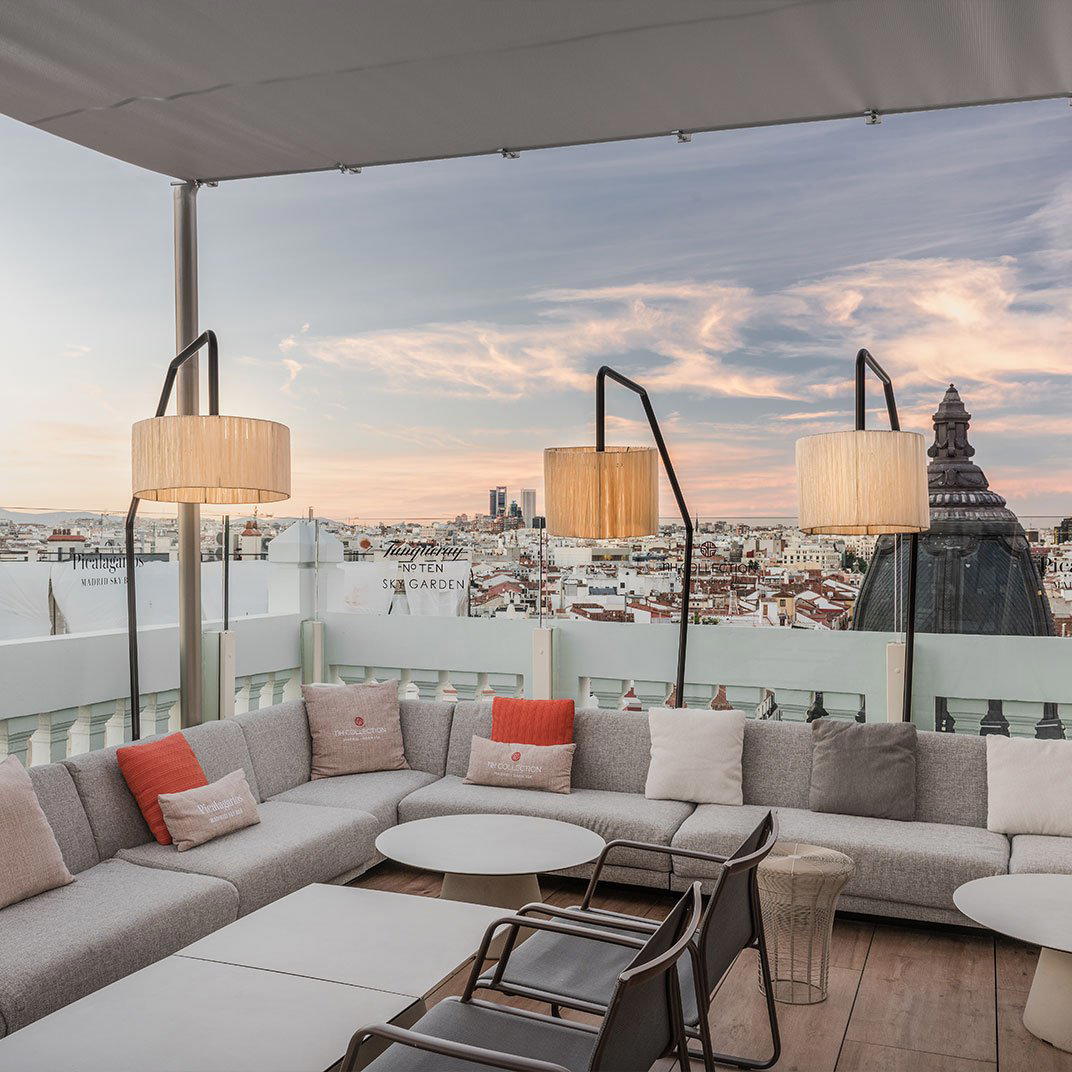
Trendy rooftop atmosphere with spectacular city views, good music, and a lively setting ideal for enjoying sunsets.
Know Before You Go
- Getting there
- P.º de la Infanta Isabel, 13, Retiro, 28014 Madrid, Spain