

Macarfi 7.2 Food Rating · Relais Chateaux Award
Our verdict
On a quiet Chamberí street, El Jardín de Orfila represents the quieter, more considered end of Madrid's contemporary Spanish dining scene. Chef Jon Atanacio works within a tradition the restaurant's COOKING CLASSICS recognition underlines: technique-led cuisine that draws on Spain's larder without abandoning its roots. consistent performance rather than viral novelty.

Pearl is the En Primeur Club membership app, where members save venues, book tables and use the concierge.
The menu
What to order
- Tuna Tartare
- Red Prawn Carpaccio
- Pigeon
- Beef Tournedó
- Chocolate Dessert
A Chamberí Address and What It Signals
Madrid's dining geography sorts itself into legible tiers. The highest concentration of Michelin firepower sits across Salamanca and the centre, where DiverXO, Coque, and Deessa compete at €€€€ price points with three- and two-star credentials. Chamberí operates at a different register: a residential barrio where restaurants tend to serve the neighbourhood before serving the guide inspectors, and where sustained local approval, the kind that fills a dining room on a Tuesday, matters more than launch-night coverage. El Jardín de Orfila, at Calle de Orfila 6, sits inside that quieter but no less serious tradition.
Spanish Contemporary as a Cultural Position
The label "Spanish Contemporary" covers a wide range in Madrid right now. At one extreme, venues like DSTAgE treat the Spanish kitchen as raw material for technical reinvention. At the other, a number of restaurants have moved in the opposite direction, toward a restatement of classical technique applied to product-led cooking, where the cuisine's cultural roots provide the organising logic rather than the departure point. El Jardín de Orfila's COOKING CLASSICS recognition places it in this second camp. The designation is not a consolation prize; it reflects a deliberate editorial position. In a city where novelty accrues a lot of critical attention, the restaurants that hold the classical line are often the ones a neighbourhood returns to across years rather than seasons.
That position connects to something broader in Spanish gastronomy. The country's most-discussed fine dining has long been associated with the Basque Country and Catalonia, from Arzak in San Sebastián and Martin Berasategui in Lasarte-Oria to El Celler de Can Roca in Girona and Cocina Hermanos Torres in Barcelona. Madrid's contribution to that conversation has historically been less codified, more eclectic, drawing on Castilian roasting traditions, the capital's role as a marketplace for produce from every Spanish region, and a cosmopolitan restaurant culture shaped by decades of migration from across the peninsula. A contemporary Spanish kitchen in Madrid, done honestly, reflects all of that layering.
Chef Jon Atanacio and the Classical Framework
Chef Jon Atanacio leads the kitchen at El Jardín de Orfila, and his role here is relevant as a credential within a broader point about the restaurant's competitive positioning. In Madrid's contemporary Spanish tier, which includes everything from the creative tasting menus at Tapas 3.0 to the progressive asador format gaining recognition elsewhere in the city, the restaurants that hold a COOKING CLASSICS designation tend to be those where the chef's training and reference points are rooted in the Spanish kitchen's own canon rather than in a competitive dialogue with international technique. Atanacio's kitchen operates within that frame. The COOKING CLASSICS recognition functions, in practice, as a signal about what the restaurant is trying to do: deliver Spanish culinary tradition with craft and rigour, not reinterpret it beyond recognition.
Where It Sits in Madrid's Broader Scene
Madrid's restaurant market at the serious end has consolidated around a small number of very expensive, very decorated addresses. The two- and three-star tier, anchored by venues like Coque and Deessa, prices and performs for a different audience than a Chamberí neighbourhood restaurant, however accomplished. El Jardín de Orfila competes in a middle register that is harder to map but arguably more representative of how most serious diners engage with Madrid's food culture: not the full spectacle of a four-hour tasting menu, but something more focused, more rooted in a specific culinary tradition, and more likely to reward a second or third visit than to leave the guest looking for what comes next.
For the reader comparing El Jardín de Orfila against other Spanish contemporary addresses, it is useful to know that Spain's finest contemporary kitchens export their format internationally. Molino de Urdániz in Taipei and 20° RESTOBAR in Düsseldorf carry Spanish contemporary cuisine beyond the peninsula entirely, which is a measure of how coherent and exportable that category has become. Back in Spain, the Atlantic coast contributes its own version of the tradition: Aponiente in El Puerto de Santa María and Azurmendi in Larrabetzu represent regional expressions of the same broader movement. El Jardín de Orfila's version is distinctly Madrilenian: capital-city cuisine, shaped by the barrio it occupies.
Planning a Visit
El Jardín de Orfila is located at Calle de Orfila 6 in Chamberí, one of central Madrid's most coherent residential neighbourhoods, sitting between Alonso Martínez and Rubén Darío metro stations. The address is direct to reach from anywhere in the centre. Chamberí rewards the visitor who pairs a dinner here with an exploration of the neighbourhood: the area has a concentrated set of wine bars and vermouth-hour addresses that complement a more formal dinner in the same evening. For a wider orientation to where El Jardín de Orfila fits across Madrid's full dining, drinking, and hospitality picture, the EP Club Madrid restaurants guide, Madrid bars guide, Madrid hotels guide, Madrid wineries guide, and Madrid experiences guide cover the full scope.
Frequently asked questions
What do people recommend at El Jardín de Orfila?
Do they take walk-ins at El Jardín de Orfila?
What's the defining dish or idea at El Jardín de Orfila?
Where the Accolades Land
Comparable venues nearby, for context on price, style, and recognition.
| Venue | Cuisine | Price | Awards | Notes |
|---|---|---|---|---|
| El Jardín de OrfilaThis venue (the venue you are viewing) | Modern Mediterranean Fine Dining | $50–100 | Macarfi 7.2 Food Rating · Relais Chateaux Award | Not listed |
| Roostiq | Modern Farm-to-Table Steakhouse | $30–50 | Star Wine List · Macarfi 7.6 Food Rating | Chueca |
| Hevia | Traditional Mediterranean | $50–100 | Macarfi 7.7 Food Rating | Castellana |
| NuBel | Modern Mediterranean | $30–50 | Not listed | Lavapies |
| Olivia te Cuida | Healthy Organic Mediterranean | $10–20 | Not listed | Chueca |
| Cadaqués | Mediterranean Wood-Fired Rice & Fresh Seafood | $100–150 | Macarfi 7 Food Rating | Recoletos |
Recognition history
Dated appearances from independent guides and award organizations, with the underlying list record or original source where available.
Macarfi 7.2 Food Rating
Macarfi
Relais Chateaux Award
Relais Chateaux
Full recognition history (3 entries)
Relais Chateaux Award
Relais Chateaux
Continue exploring
More in Madrid
Restaurants in Madrid
All restaurants in Madrid →
Bars in Madrid
All bars in Madrid →

El Jardín de Orfila
The wine
- Wine program
- Deep wine list
- Extensive wine list
- Sommelier-led
Details
- Elegant
- Quiet
- Romantic
- Sophisticated
- Intimate
- Date Night
- Special Occasion
- Celebration
- Business Dinner
- Garden
- Hotel Restaurant
- Private Dining
- Terrace
- Extensive Wine List
- Sommelier Led
- Local Sourcing
- Garden
- Tasting Menu
- A La Carte
- Wine
- Champagne
- Vegetarian Friendly
- Allergy Accommodating
Current opening hours
- Monday
- 7:30–11:30 AM, 1:30–4 PM, 7:30–11 PM
- Tuesday
- 7:30–11:30 AM, 1:30–4 PM, 7:30–11 PM
- Wednesday
- 7:30–11:30 AM, 1:30–4 PM, 7:30–11 PM
- Thursday
- 7:30–11:30 AM, 1:30–4 PM, 7:30–11 PM
- Friday
- 7:30–11:30 AM, 1:30–4 PM, 7:30–11 PM
- Saturday
- 7:30–11:30 AM, 1:30–4 PM, 7:30–11 PM
- Sunday
- 7:30–11:30 AM, 1:30–4 PM, 7:30–11 PM
Hours can change for holidays and private events. Hours as of .
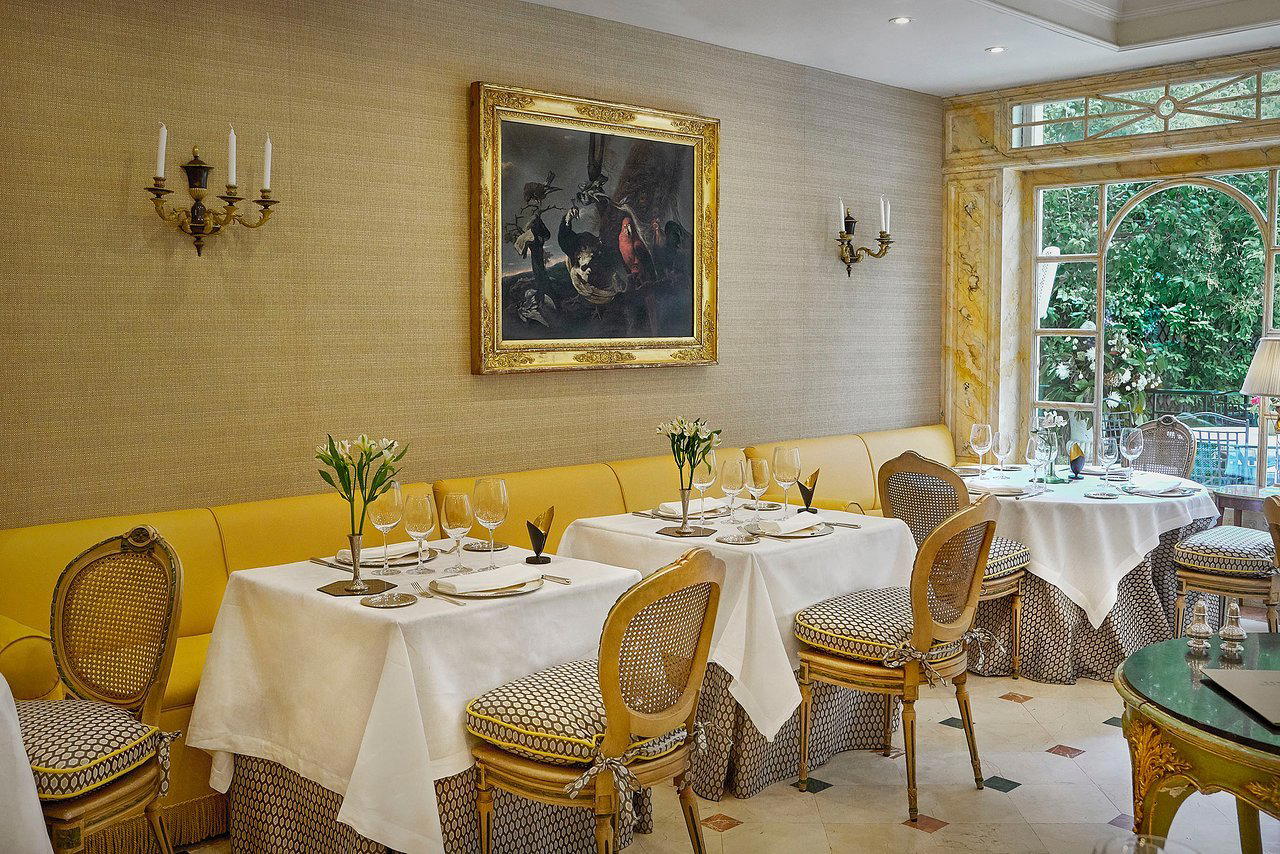
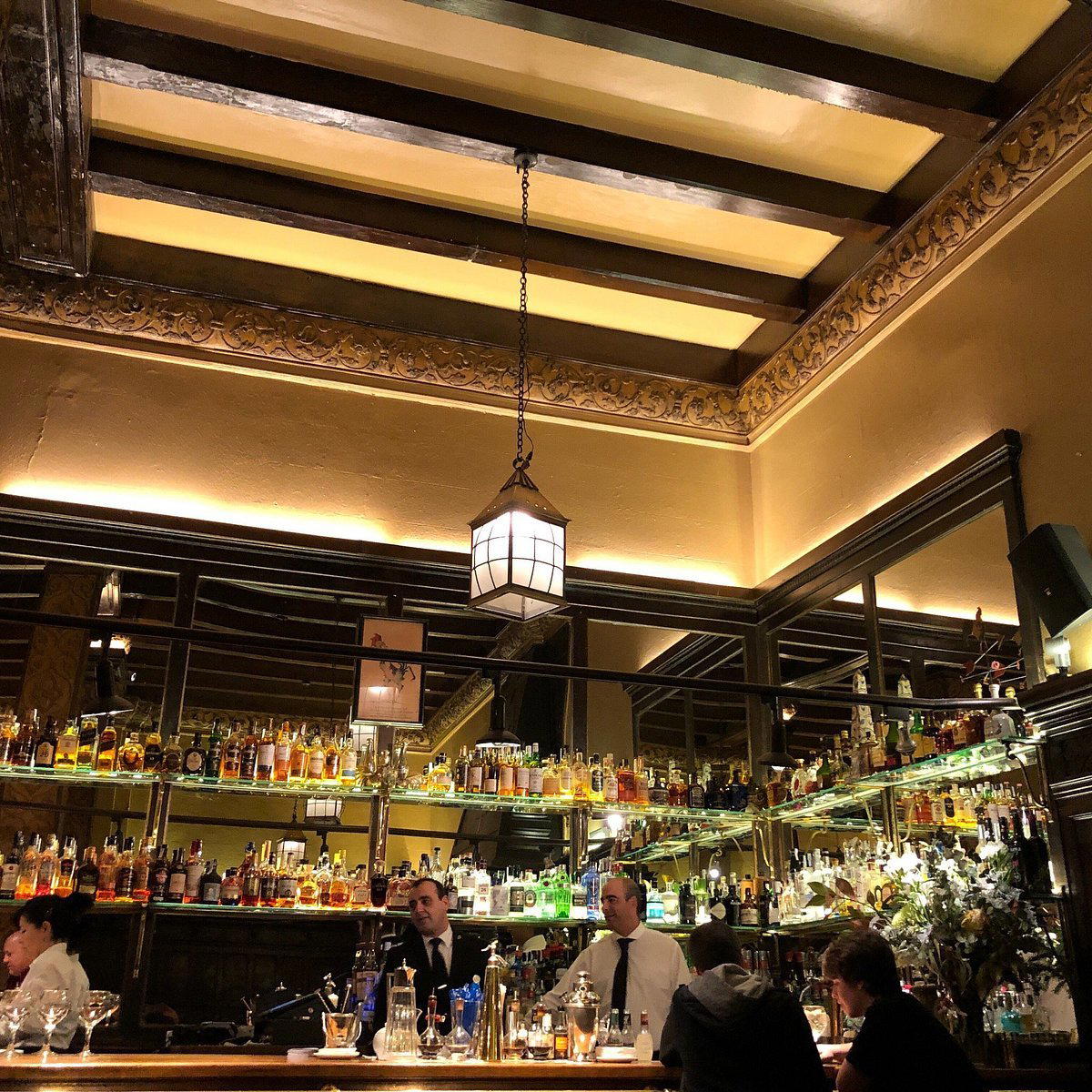
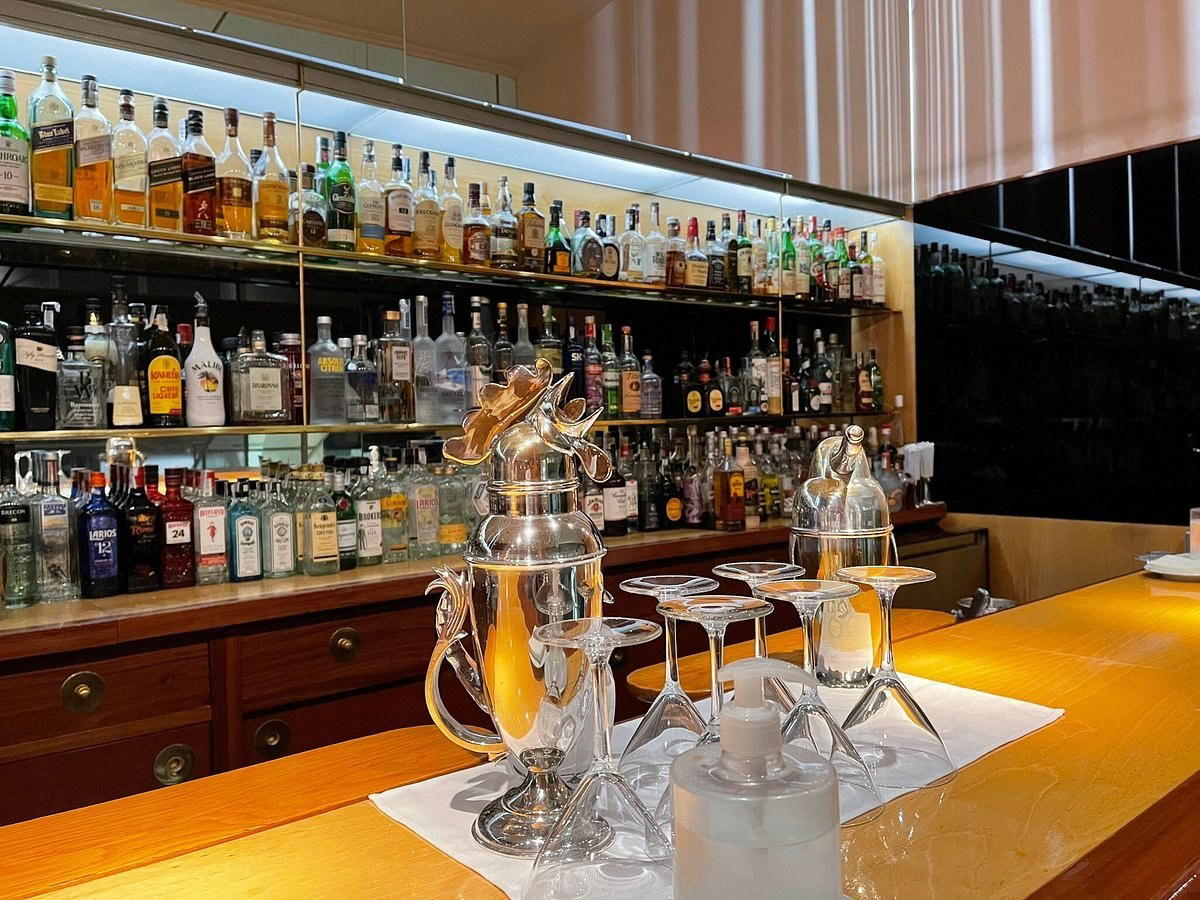
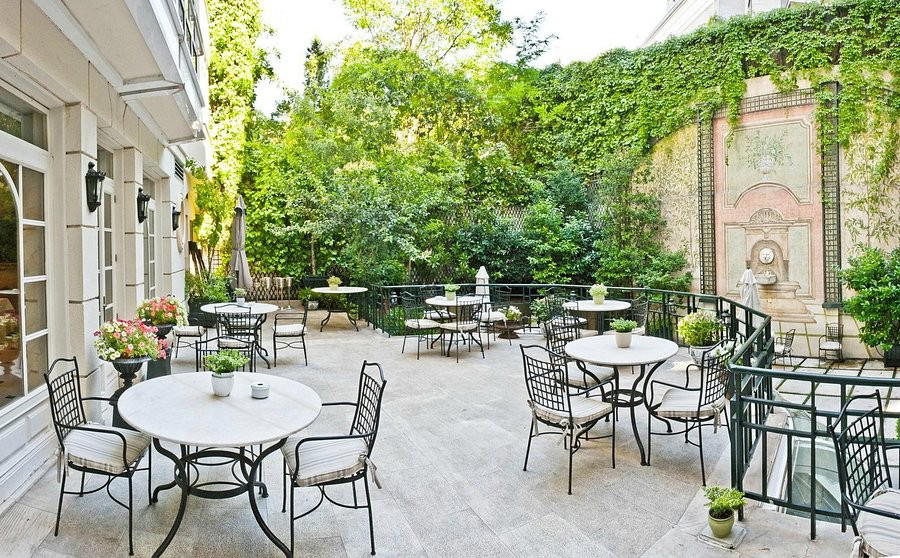
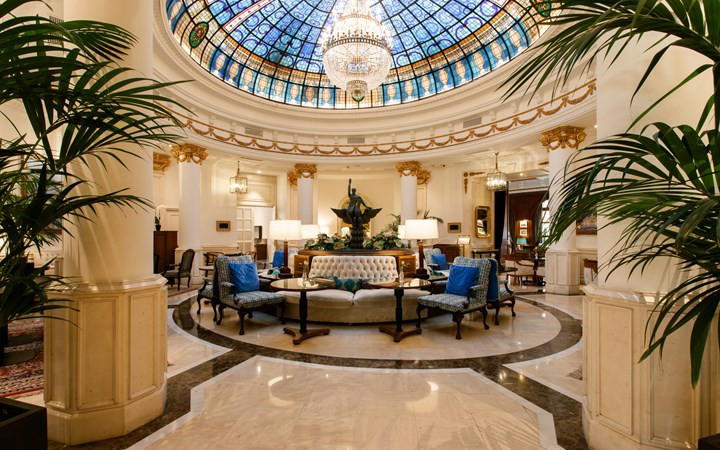
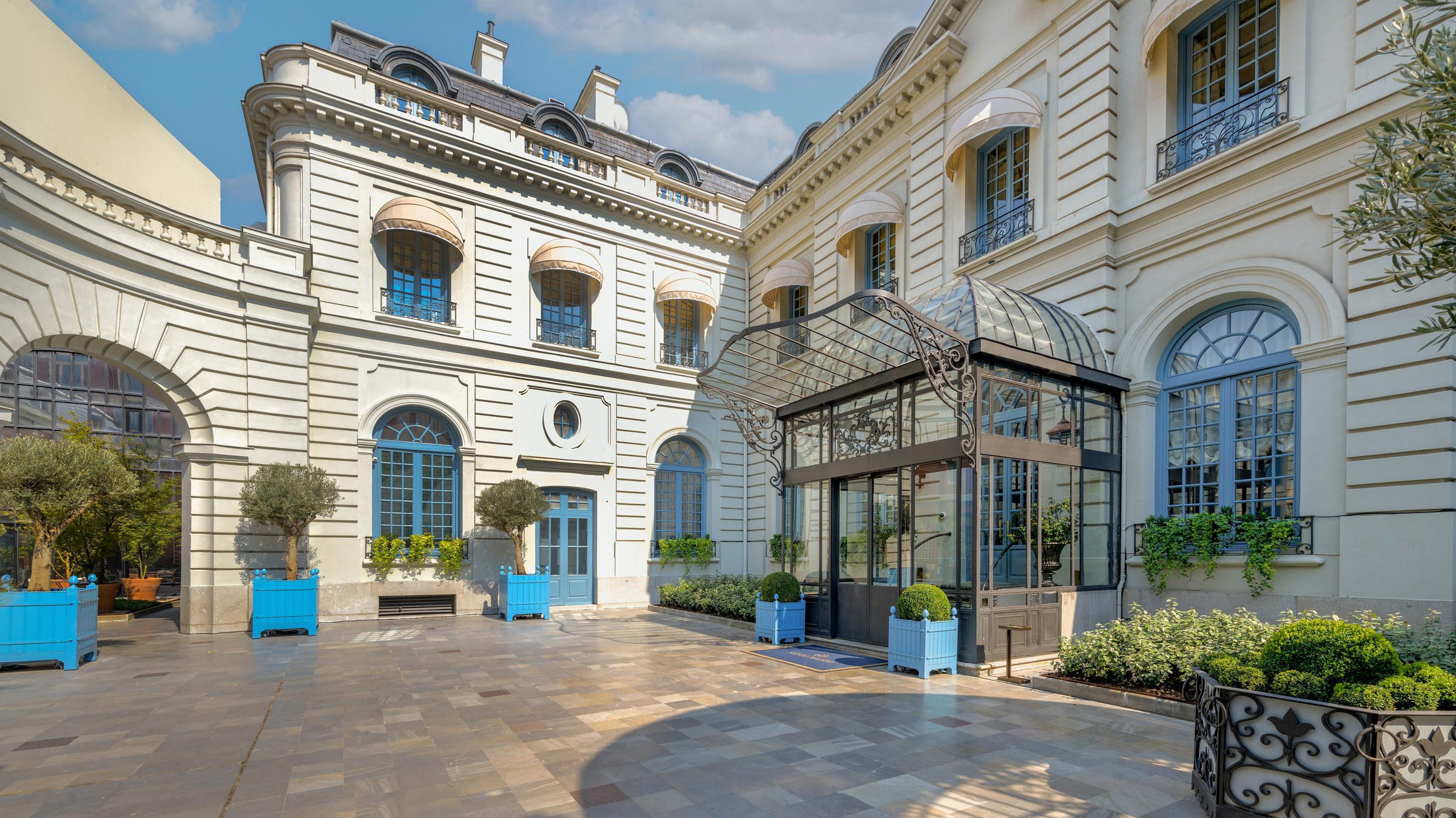
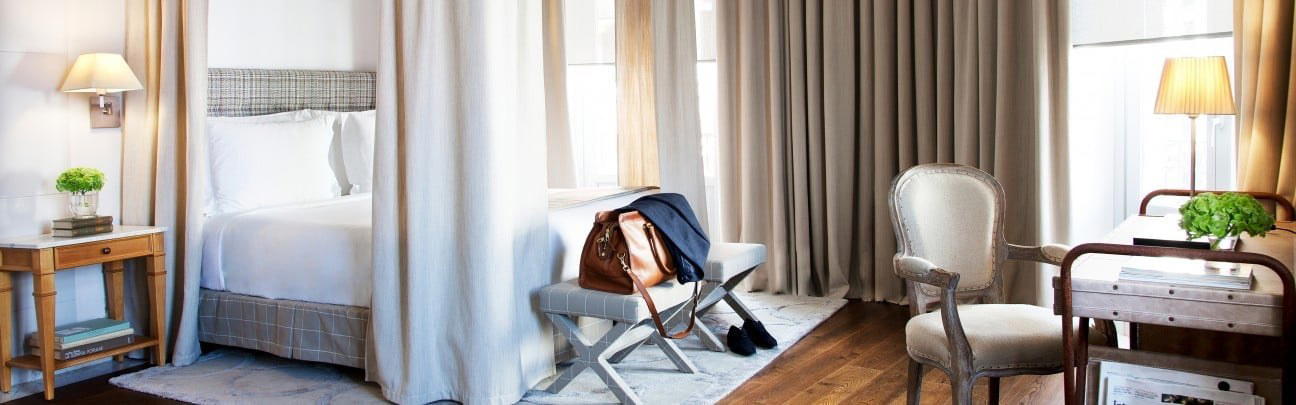
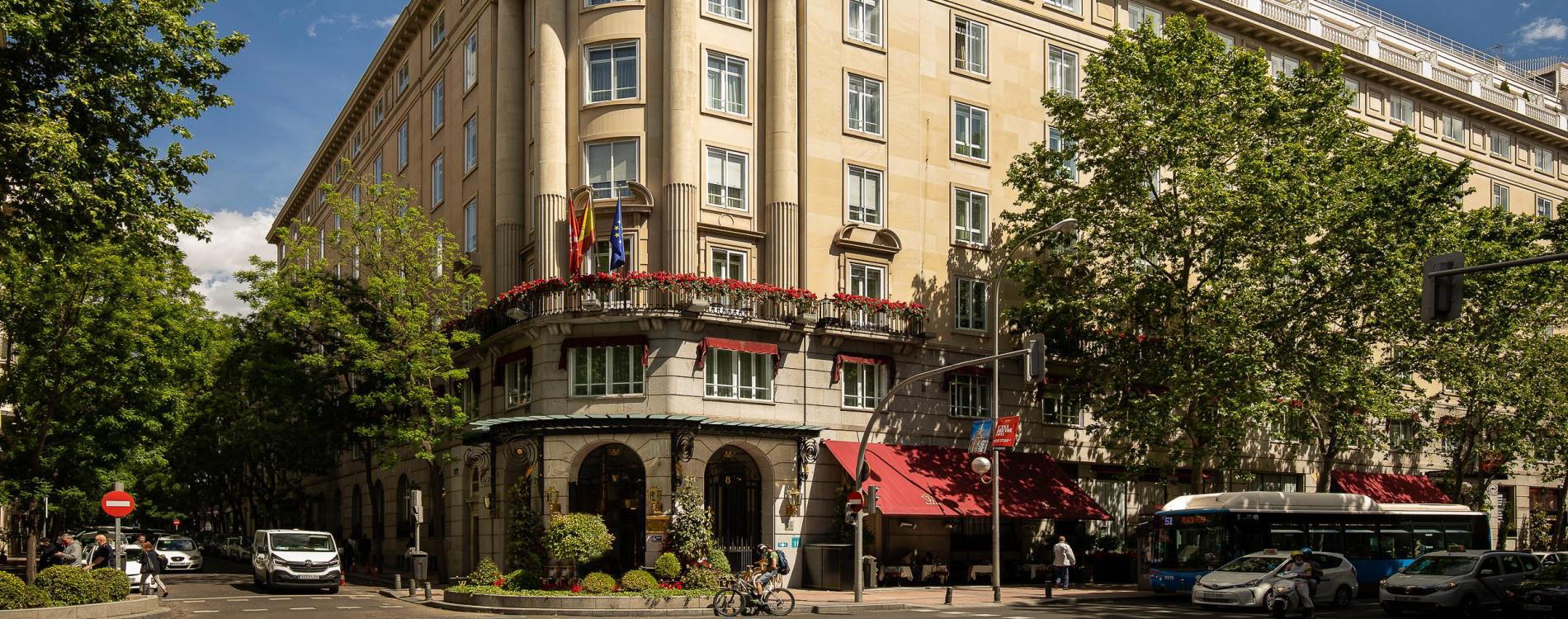
Peaceful, elegant garden setting with refined décor and soft lighting; described as a quiet, relaxing sanctuary in central Madrid with beautiful rose decorations and classic interior design.