
Toraya Kobo gives Gotemba’s wagashi culture a calm, ingredient-led setting rather than a formal restaurant frame. The appeal is the alignment of traditional Japanese sweets, cafe pacing, open terrace seating, and a price band of JPY 1,000–1,999, with Tabelog 100 recognition placing it among notable sweets destinations in eastern Japan.
Pearl is the En Primeur Club membership app — saves, bookings, and concierge access live there. Same editors, same standards.
- Address
- 1022-1 Higashiyama, Gotemba, Shizuoka 412-0024, Japan
- Phone
- +81 550-81-2233
- Website
- toraya-kobo.jp
- Directions
- Get directions
 Saves & bookings on Pearl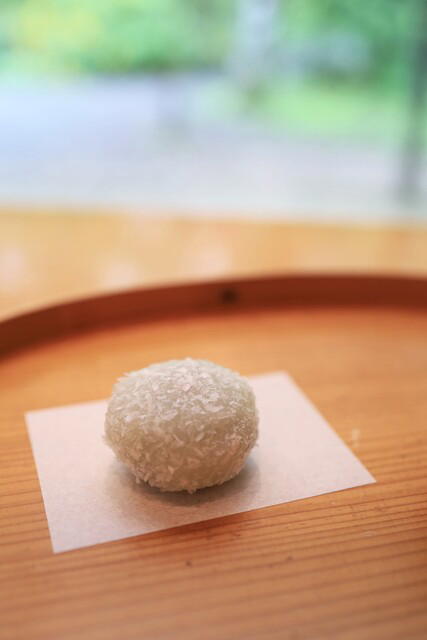
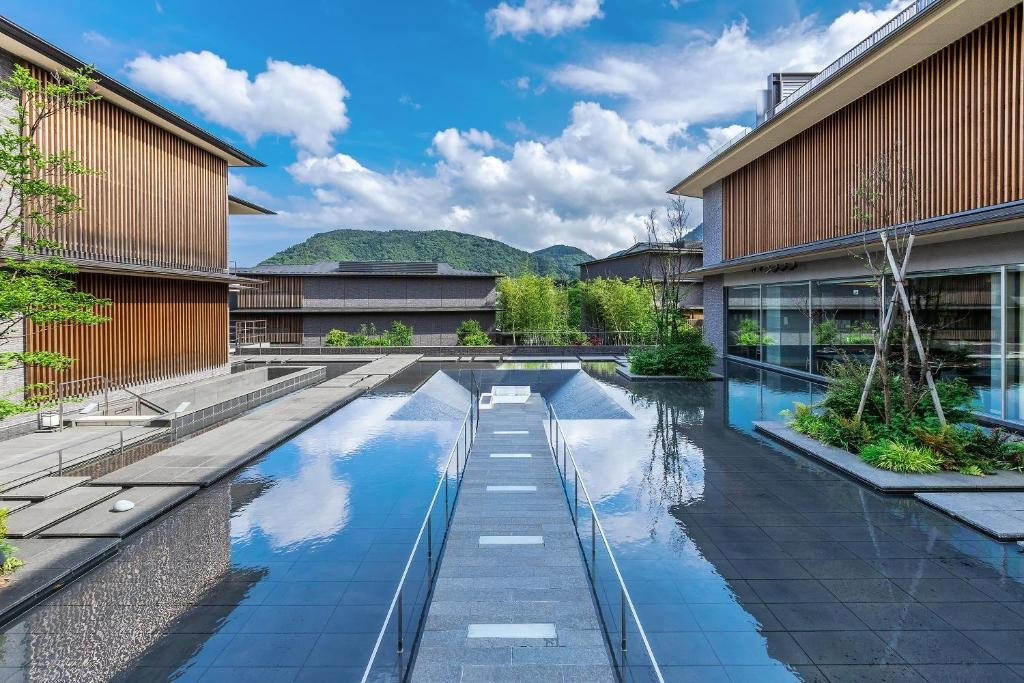
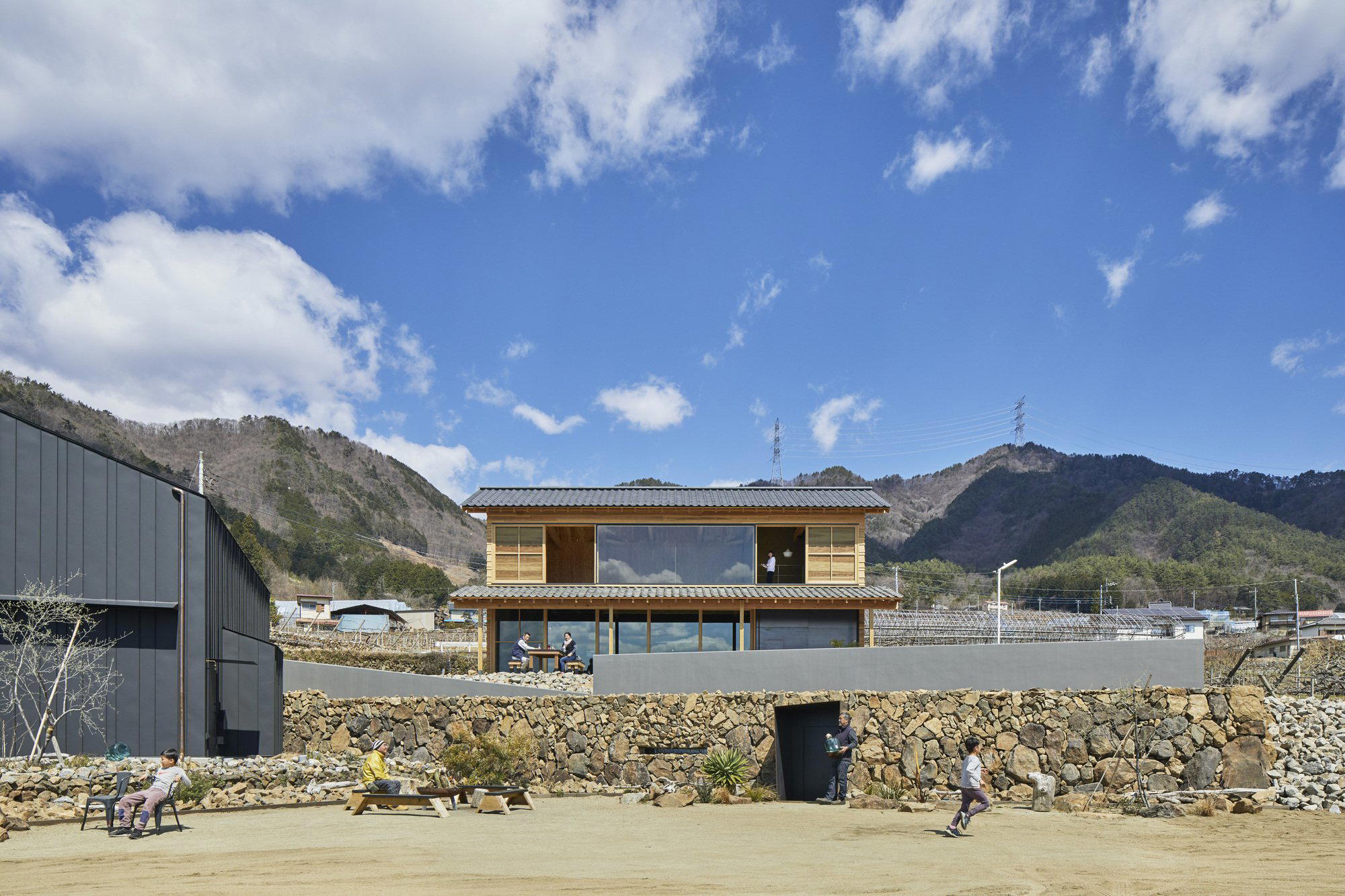
Approaching Higashiyama, Gotemba shifts from transit-town utility to a slower register: garden paths, low buildings, and quiet that makes wagashi feel less like snack than seasonal craft. Toraya Kobo belongs to the Japanese sweets-cafe tradition, where ingredient source and handling matter as much as service ceremony. In a city often used as a gateway to Fuji, Hakone, outlets, and resort dining, it is a softer counterpoint: tea, sweets, table seating, and an open terrace rather than a course-led lunch.
That distinction matters. Gotemba’s restaurant conversation can split between destination dining, represented locally by Maison Kei (French), and casual sweets or fruit-led stops such as FruFull Gotemba.. Toraya Kobo sits closer to the latter in price, with JPY 1,000–1,999 as the working spend, but its reference points are older: wagashi, seasonality, and the restraint of a cafe built around Japanese confectionery rather than plated dessert theatre.
Wagashi in Gotemba, treated as seasonal craft rather than dessert course
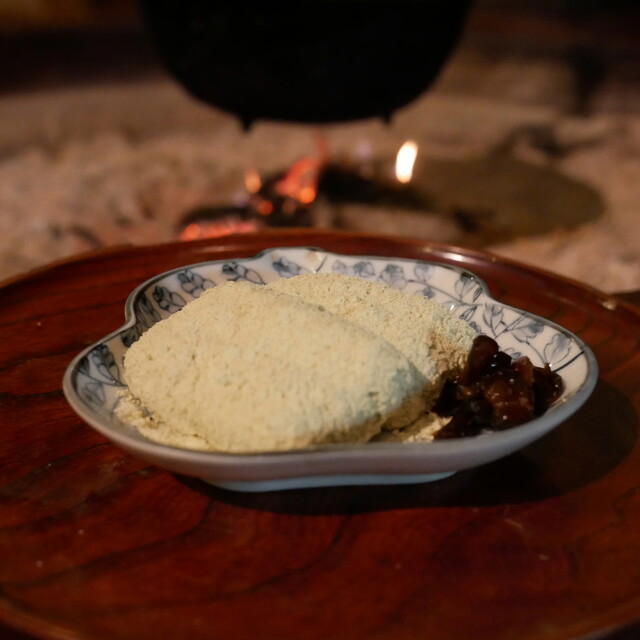
Travelers often misread Japanese sweets through a Western pastry lens. Wagashi is not primarily butter, cream, or architectural showmanship; it is texture, bean work, rice flour, sugar balance, tea compatibility, and the calendar. The format rewards smaller portions and sharper attention: the point is whether sweetness, chew, aroma, and temperature align with the moment.
Toraya Kobo’s category, Japanese traditional sweets and cafe, places it in that lineage. Its selection for Tabelog 100 Japanese traditional sweets / Japanese sweets cafe EAST 2023 is a useful signal because the list separates sweets specialists from conventional restaurants. Earlier Tabelog Sweets EAST selections in 2018, 2019, 2020, and 2022 add continuity rather than a single-year spike. For food planning in Gotemba, that pattern says more than decoration: this is a sweets address repeatedly recognized in a category where small differences in ingredient handling define reputation.
The sourcing angle is why the cafe format works. Wagashi has always followed agricultural rhythms, especially beans, rice, tea, and seasonal fruit or plant references, even when the final form looks minimal. A sweets cafe in Gotemba does not need a resort dining room’s scale to justify attention; it needs discipline in procurement, preparation, and timing. The absence of a chef-led tasting-menu narrative keeps the emphasis on product and setting.
A table-seat cafe with terrace pace, not a reservation-driven dining room
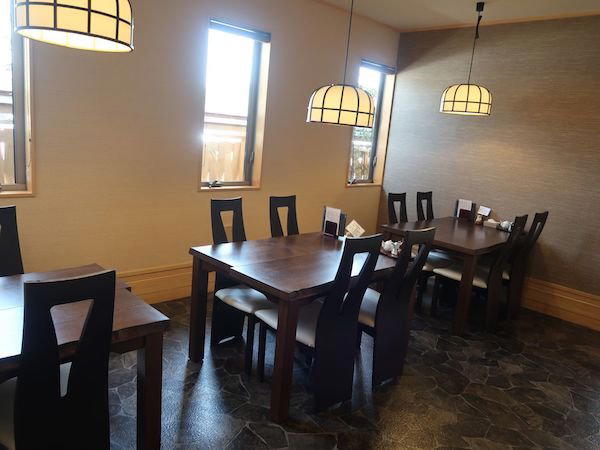
The experience is daytime rather than late-dining. Seating is table-only, with 54 seats, and the space includes an open terrace. That puts it in a different planning category from longer-form restaurants and hotel dining rooms, including out-of-metro resort options such as THE HIRAMATSU HOTELS&RESORTS Sengokuhara. The point is tempo, not luxury comparison: the restaurant is a morning or afternoon Gotemba stop, not an evening anchor.
Operations reinforce that. Reservations are unavailable, though groups of more than 20 are asked to make contact in advance. Take-out is offered, but the room and terrace make the case for staying if the day allows. It is non-smoking; private rooms and private use are unavailable, making the format closer to a public cafe than controlled private dining.
Families can use it, with children welcome, though the setting suits a quieter visit than a high-volume family restaurant. Pets are not allowed. Payment is more flexible than many small countryside cafes: major credit cards and electronic money are accepted; QR code payments are not. These prosaic details matter in Japan, where rural-adjacent destinations can vary sharply in payment systems and seating formats.
How to place it in a Gotemba itinerary
Gotemba rewards travelers who do not treat it only as a transfer point. A sweets stop can sit between Fuji-view drives, outlet shopping, museum time, or a longer meal elsewhere. The restaurant is near Gotemba Station by local geography, with access by taxi from the station and bus links from Hakone or Gotemba routes to the Higashiyama Kyu-Kishi Residence stop. Shared parking with Higashiyama Kishi Residence makes it practical for drivers, especially those using the Tomei Expressway corridor.
Seasonal hours shape planning. From April to September, business hours run longer; October to March closes earlier, and last orders precede closing. Tuesday is the weekly closure. For a sweets cafe where items may sell out, earlier timing is safest, especially on weekends or holidays when Gotemba absorbs local visitors and travelers moving between Hakone, Fuji, and the outlet circuit.
Within a wider Gotemba food plan, this is the Japanese confectionery stop, not a substitute for lunch or dinner. Use our full Gotemba restaurants guide to pair it with a more structured meal, or scan our full Gotemba hotels guide if the day is part of a Fuji-area stay. For broader routing, our full Gotemba bars guide, our full Gotemba wineries guide, and our full Gotemba experiences guide help separate a brief stopover from a fuller regional itinerary.
Japan’s casual dining range is wide, and the restaurant belongs within that spread, not as an isolated postcard stop. A traveler might compare the decision with beef-focused planning at -Grilled beef Sukiyaki- KAMAKURA TANUKIAN 鎌倉 たぬき庵 in Kamakura, urban izakaya energy at . 鮪と炭火焼き うお炭 秋葉原店 in Tokyo, or cafe pacing at.cafe in Osaka. Regional variety is the lesson:.know in Kumamoto, (Shoku) Vietnam in Kawasaki, [Curry Senmon Ten] Maruyama Kyoju. in Sapporo, [ki:] in Kyoto, #肉といえば松田 奈良本店 in Kashihara, and 1/3 HAMBURGER FACTORY in Kanazawa all answer different appetites. For Japanese flavors abroad, Jōdo Saké Bar in Los Angeles and Onigiri Time in Pasadena show how formats travel, while Gotemba’s wagashi culture is strongest close to its own pace.
Side-by-Side Snapshot
Comparable venues by cuisine and price in the same metro.
| Venue | Cuisine | Price | Notes |
|---|---|---|---|
| Toraya Kobo | Traditional Japanese Wagashi Café | $ | Higashiyama |
| FruFull Gotemba. | Fresh fruit jelly specialty shop | $ | Higashitanaka |
| Maison Kei | French-Japanese Fusion | $$$$ | Higashiyama |
| Tanikawa Beikokuten (谷川米穀店) | Sanuki Udon | $ | まんのう町 |
| Uirou Ekimae chouzai yakkyoku | Traditional Japanese sweets & café | $ | Sakaecho |
| Sakurai Udon | Traditional Yoshida Udon | $ | Shimoyoshida / Gekkoji area |
Recognition history
Dated appearances from independent guides and award organizations, with the underlying list record or original source where available.
Tabelog 100 #22 · No. 22
Tabelog · Tabelog 100 - Japanese traditional sweets / Japanese sweets cafe - EAST - 2023
Continue exploring
More in Gotemba
Restaurants in Gotemba
Browse all →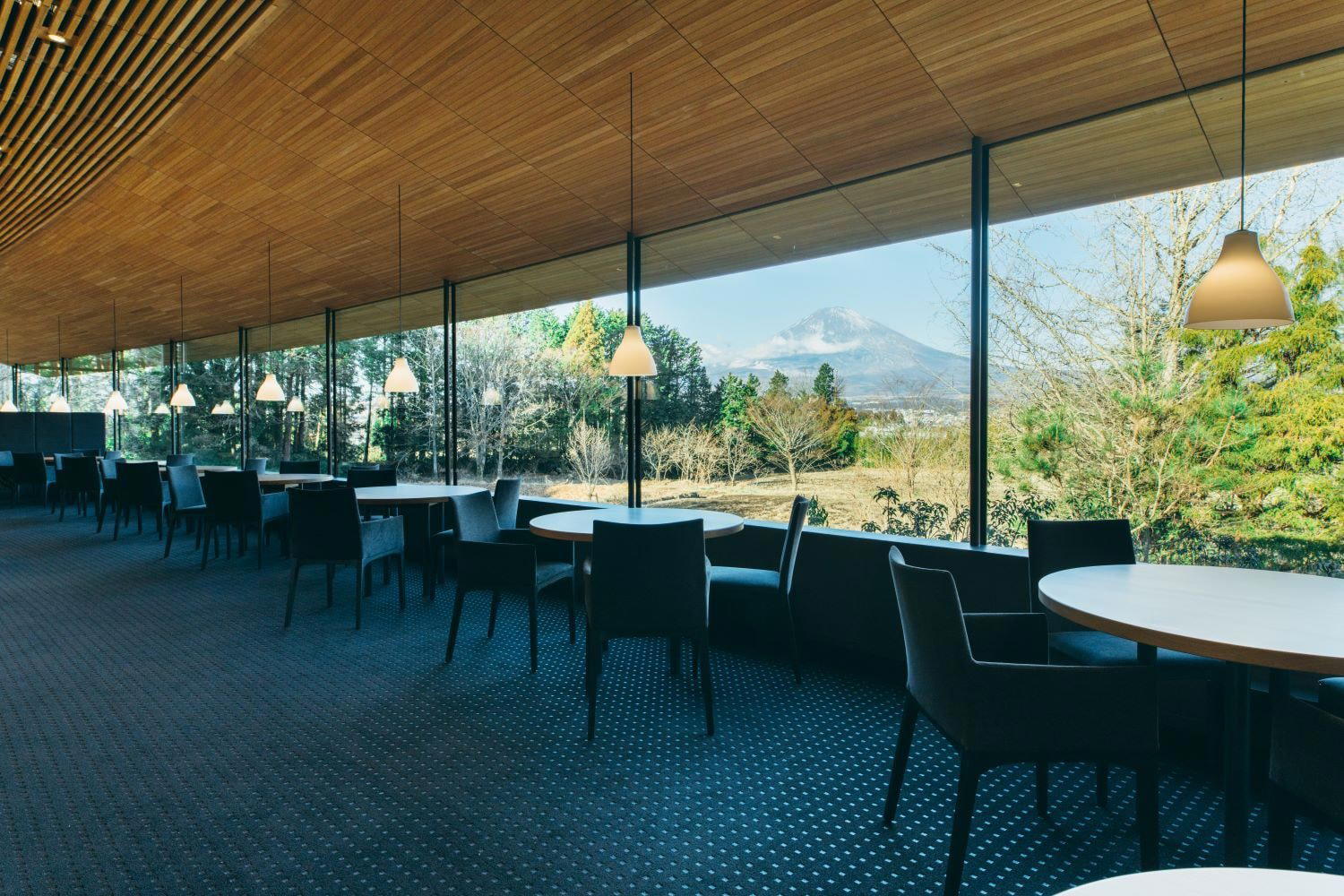
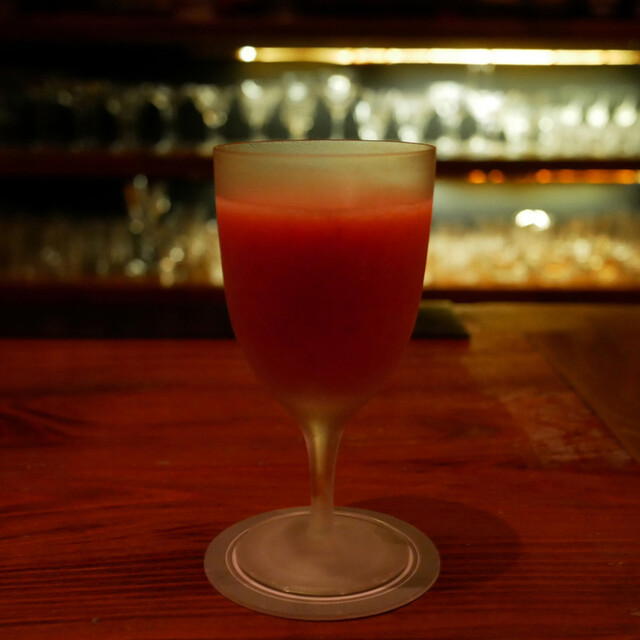
Bars in Gotemba
Browse all →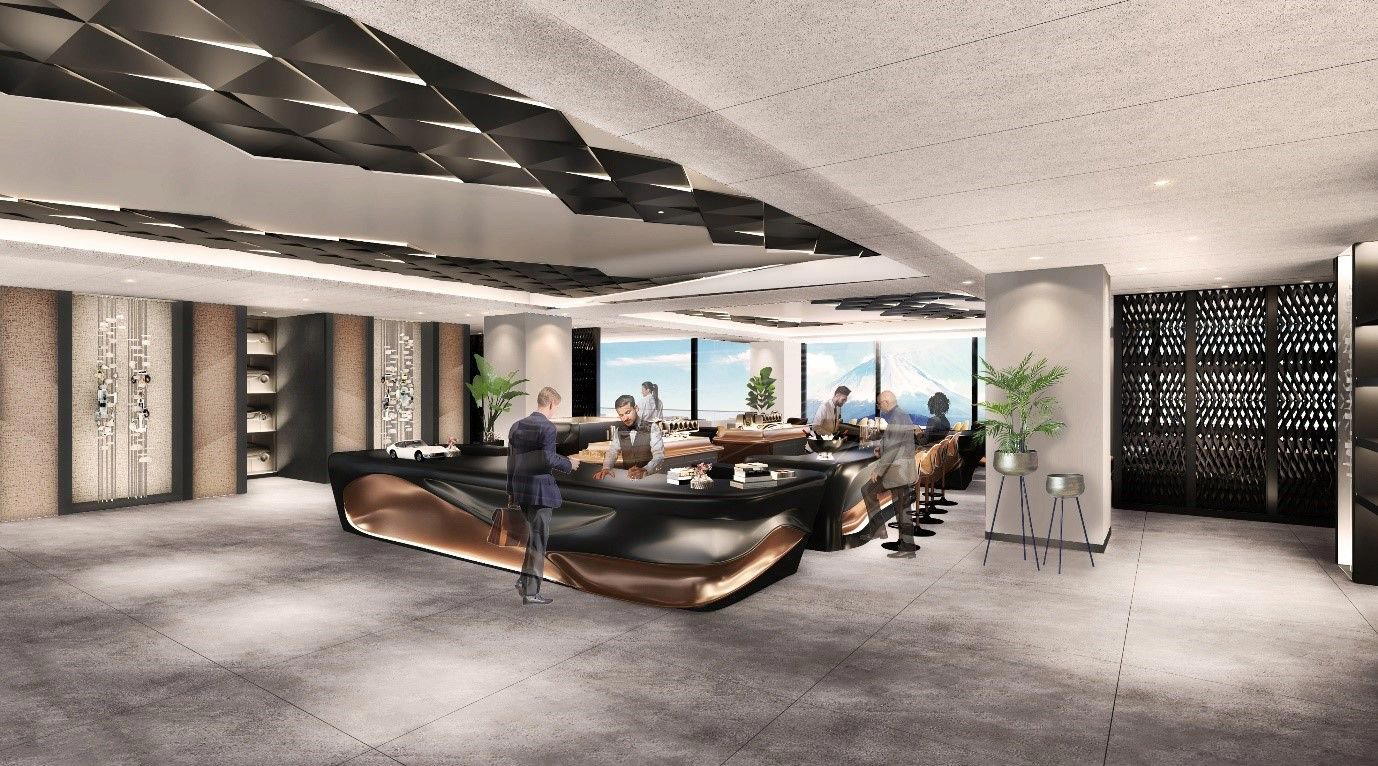
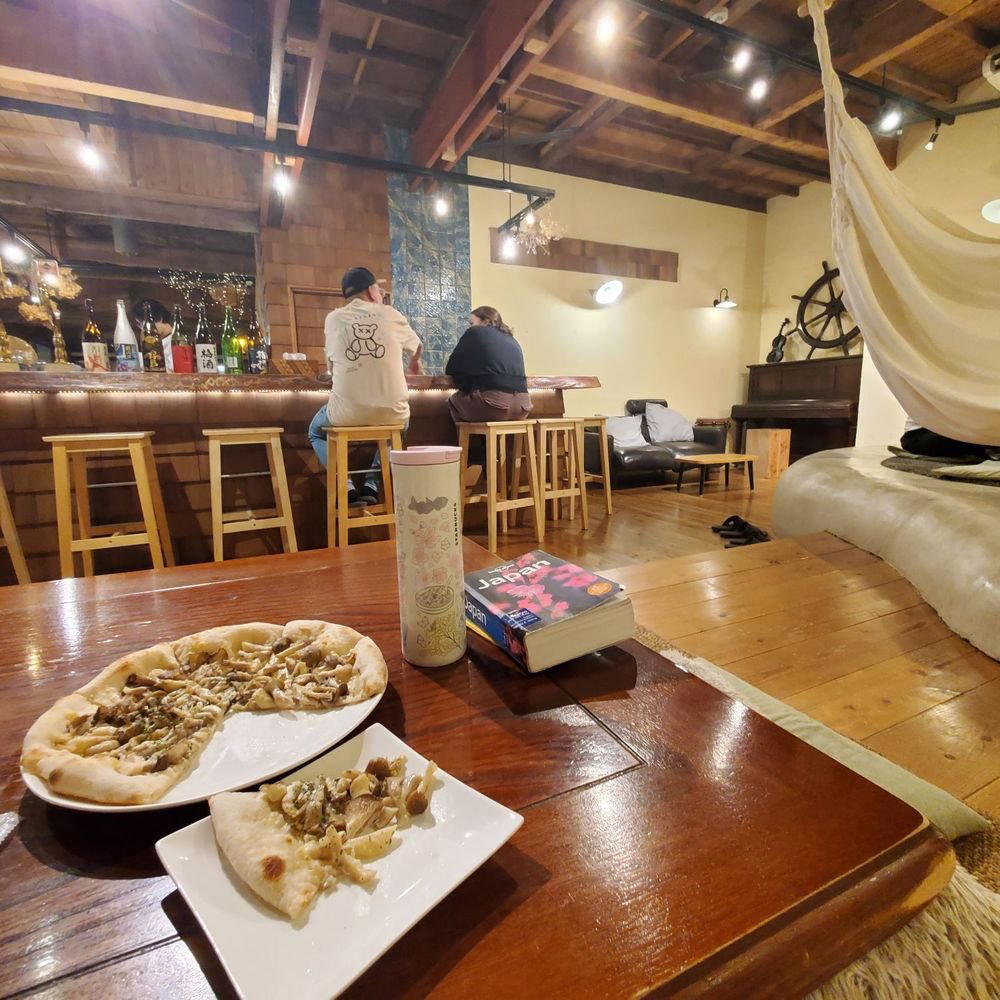
Hotels in Gotemba
Browse all →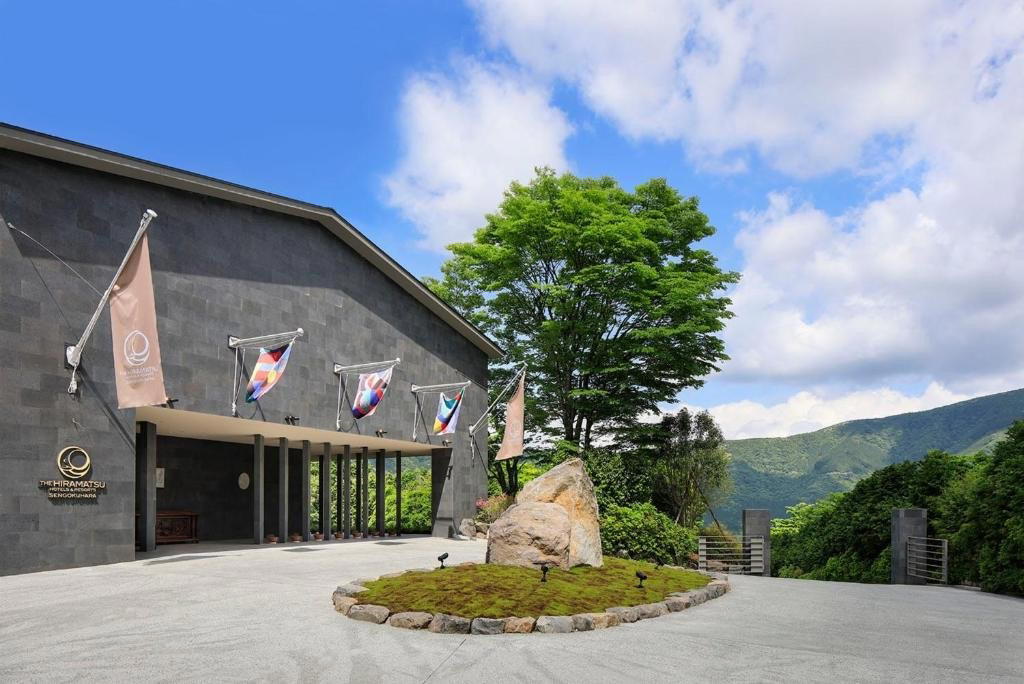
Wineries in Gotemba
Browse all →
At a Glance
- Scenic
- Quiet
- Rustic
- Classic
- Solo
- Family
- Casual Hangout
- Special Occasion
- Garden
- Courtyard
- Design Destination
- Standalone
- Local Sourcing
- Garden
- Mountain
Current opening hours
- Monday
- 10 AM–5 PM
- Tuesday
- Closed
- Wednesday
- 10 AM–5 PM
- Thursday
- 10 AM–5 PM
- Friday
- 10 AM–5 PM
- Saturday
- 10 AM–5 PM
- Sunday
- 10 AM–5 PM
Hours can change for holidays and private events. Last verified .
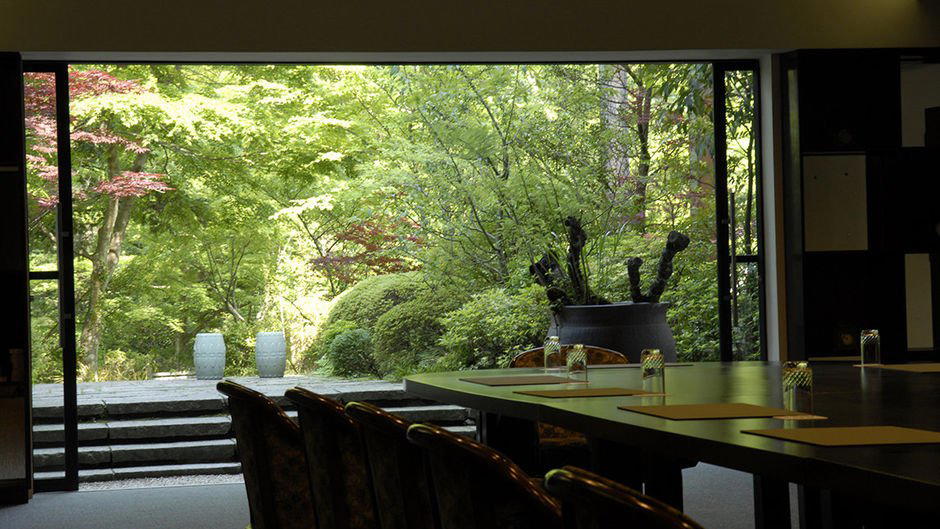
Serene and contemplative, with natural light, views of a bamboo forest and landscaped garden, and a relaxed café space that feels like a retreat from the city rather than a typical restaurant.