Sogonggan

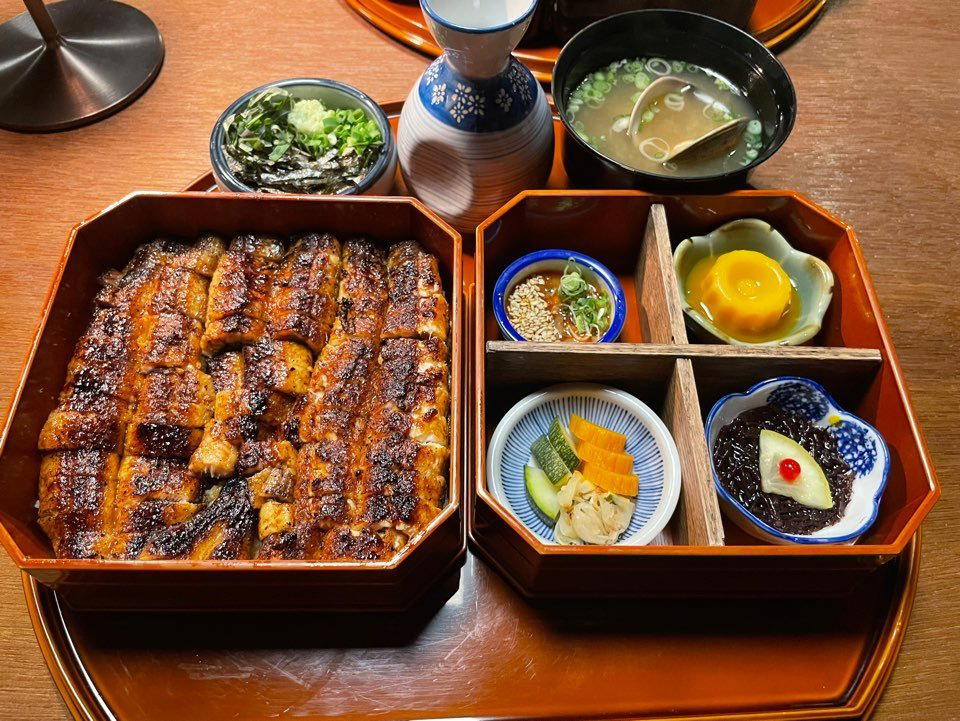
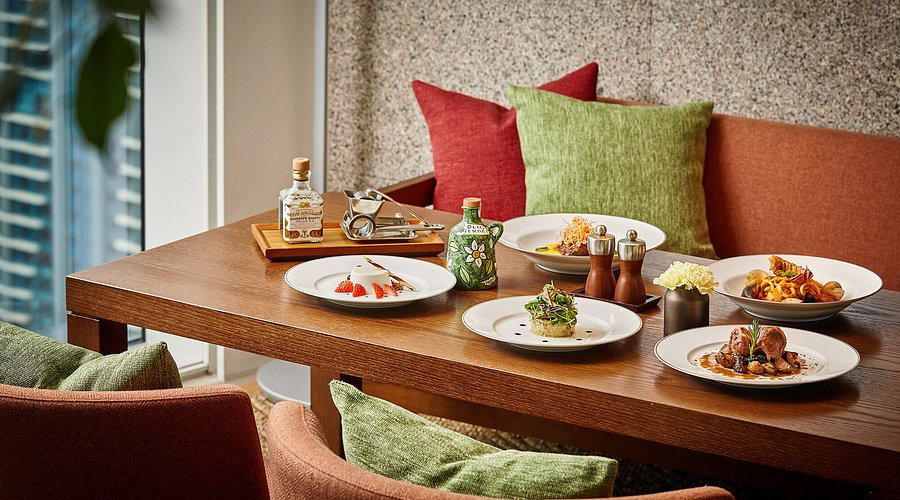
Sogonggan brings Korean contemporary cooking to Haeundae's fourth-floor dining tier, earning consecutive Michelin Plate recognition in 2024 and 2025 at a mid-range price point unusual for the category. The restaurant sits within Busan's growing fine-casual scene, where traditional Korean ingredients and technique meet a modern plating sensibility, a format that positions it alongside Seoul's broader hanshik evolution, applied to a coastal city context.
Pearl is the En Primeur Club membership app — saves, bookings, and concierge access live there. Same editors, same standards.
- Address
- 4F, 47 Haeundaehaebyon-ro 298 beon-gil, Haeundae-gu, Busan, 48099, South Korea
- Phone
- +82 10-5191-9002
- Directions
- Get directions
 Saves & bookings on Pearl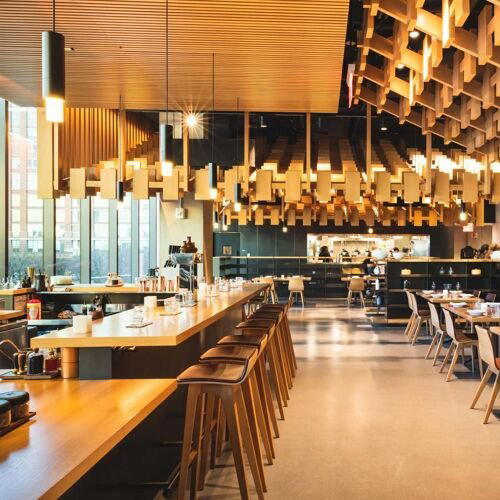
Haeundae's Contemporary Korean Counter
The fourth floor of a building on Haeundaehaebyon-ro 298 beon-gil is where Sogonggan serves Korean Contemporary Fine Dining in Busan. Haeundae is Busan's most internationally legible district, the beach, the hotels, the tourist foot traffic, and the dining scene here tends toward the accessible and the panoramic. That Sogonggan has carved out a position in this neighbourhood for Korean contemporary cooking says something about how the category is expanding beyond its Seoul-centric origins.
Korean Contemporary as a Living Tradition
The Korean contemporary format, sometimes called hanshik evolution, or modern Korean, is among the more contested categories in Asian fine dining. At one end of the spectrum sit the heavily awarded Seoul institutions: Gaon in Seoul and 권숙수 - Kwon Sook Soo in Gangnam-gu, which treat royal court cuisine and fermentation tradition as the intellectual foundation of a multi-course tasting format. At the other end, Mingles in Seoul demonstrated that Korean ingredients could operate fluently within a European fine dining structure without becoming a fusion novelty. What these approaches share is an insistence that Korean culinary tradition contains enough depth to anchor a serious contemporary kitchen, that doenjang, ganjang, gochujang, and the principles of obangsaek (the five colours derived from nature) are not merely local flavour accents but structural logic.
That conversation has historically been loudest in Seoul, where Michelin coverage and a dense set of ambitious kitchens created a competitive environment that pushed the format forward quickly. Busan's relationship to this tradition is different. The city's food identity has long been defined by immediacy, raw fish pulled from the boats at Jagalchi, dwaeji-gukbap eaten at 6am after a night out, naengmyeon served in portions sized for the serious. The contemporary Korean register is a newer arrival here, and venues like Sogonggan are building its critical mass.
The Korean contemporary format has also travelled well internationally. Nae:um in Singapore, Restaurant Ki in Los Angeles, and ANJU in Saint-Gilles all demonstrate how Korean technique and fermentation logic read across different dining cultures. The fact that the format is now consolidating in Busan, Korea's second city and its most significant port, suggests the category is entering a more geographically distributed phase.
Where Sogonggan Sits in Busan's Scene
Busan's restaurant scene has developed a recognizable tiering in recent years. At the floor, casual specialists like 100.1. Pyeongnaeng handle single-dish traditions, naengmyeon, dwaeji-gukbap, with the kind of focus that makes them worth crossing the city for. In the middle, mid-range restaurants like Sogonggan and Palate operate in the ₩₩ bracket, where the ambition of the cooking exceeds what the price point might suggest. Higher up, places like Mori at ₩₩₩ and Born and Bred at ₩₩₩₩ operate in the premium tier, where imported ingredients, formal service, and international wine programs carry the price. Sogonggan's positioning in the ₩₩ range for a Michelin Plate-recognized kitchen makes it structurally comparable to the kind of serious mid-market dining that has defined particularly interesting moments in Seoul's restaurant development, the point at which good cooking becomes accessible before it becomes fashionable.
The Michelin Plate designation, held in both 2024 and 2025, is a meaningful credential in this context. A Plate signals that Michelin's inspectors found food prepared to a good standard, it is the entry-level recognition in the guide's system, below the star tiers but above the unrecognized. For a ₩₩ Korean contemporary restaurant in Haeundae, two consecutive Plates indicate consistency in a format that requires genuine technical skill: the balance of fermentation-based sauces, the calibration of seasonal Korean ingredients, the structural decisions that distinguish contemporary cooking from mere adaptation.
The Haeundae Address
The Haeundae location carries specific implications for timing and planning. The district operates on a different rhythm from central Busan: weekend density from domestic tourists, a summer peak driven by the beach, and a somewhat quieter texture in the colder months when the seasonal draw recedes. A Michelin-recognized kitchen at ₩₩ in this district will attract diners who have done their research, which means booking ahead is recommended.
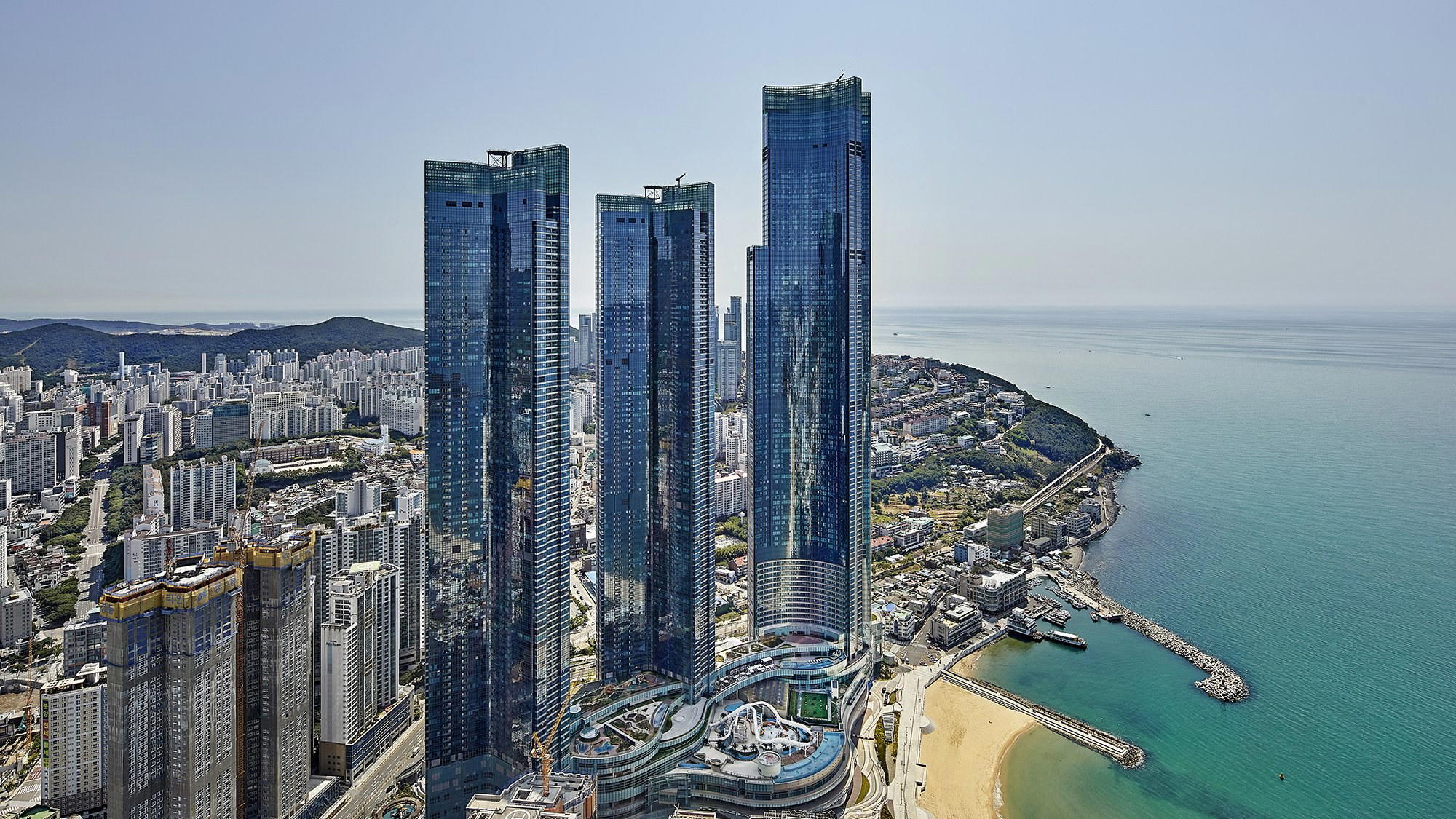
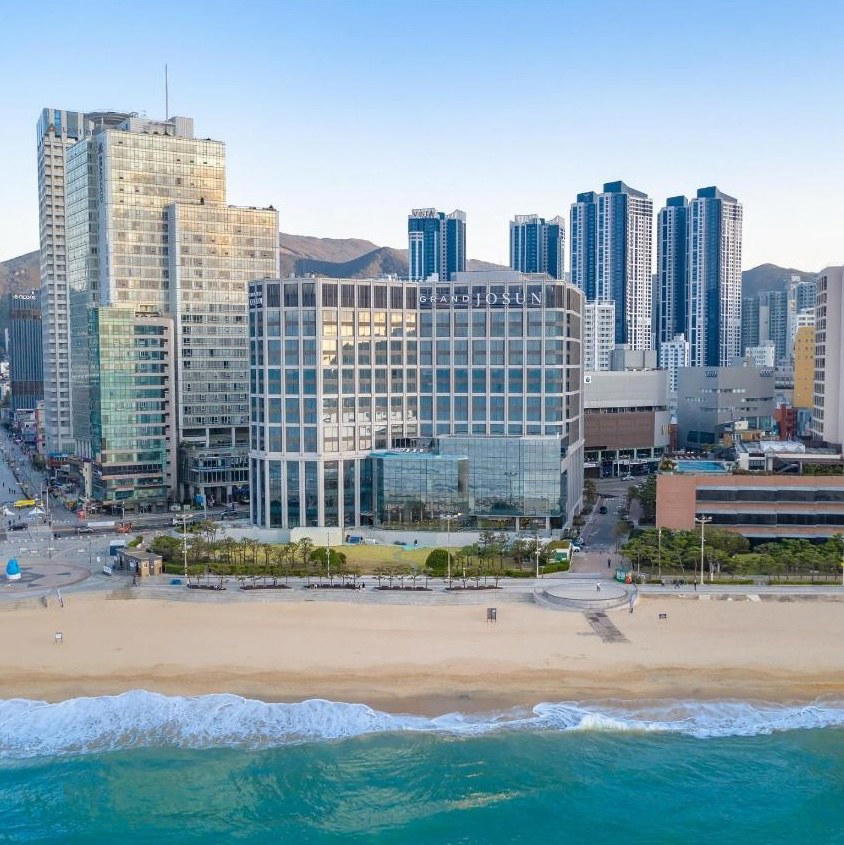
The address, 4F, 47 Haeundaehaebyon-ro 298 beon-gil, Haeundae-gu, places Sogonggan within walking distance of the main Haeundae beach strip, making it a natural fit for an evening that begins at the waterfront. Busan's broader infrastructure around Haeundae is covered in the Busan hotels guide, while the Busan bars guide, Busan wineries guide, and Busan experiences guide fill out the surrounding picture for a longer stay.
For those building a wider itinerary around Korean contemporary cooking, the tradition extends well beyond Busan. Baegyangsa Temple in Jangseong-gun represents the temple food end of the Korean culinary spectrum, where monastic cooking principles overlap in interesting ways with the restraint that marks the leading contemporary Korean kitchens.
Planning Your Visit
Sogonggan is located at 4F, 47 Haeundaehaebyon-ro 298 beon-gil, Haeundae-gu, Busan. The ₩₩ pricing places it at about $120 per person, though demand during Haeundae's busier seasons will outpace available covers. Booking ahead, particularly on weekends and during the summer beach season, is advisable.
Reputation First
Comparable venues nearby, for context on price, style, and recognition.
| Venue | Cuisine | Price | Awards | Notes |
|---|---|---|---|---|
| SogongganThis venue — the venue you are viewing | Korean Contemporary Fine Dining | $$$ | Michelin Plate | Not listed |
| Haeundae Rib Barbecue Restaurant | Traditional Korean Galbi BBQ | $$ | Michelin Plate | Jung 1(il)-dong |
| Hanwolgwan | Premium Korean Beef Bone Soup (Gomtang) | $$$ | Bib Gourmand | Gwangan 2(i)-dong |
| Eonyang Bulgogi Busanjip | Eonyang Bulgogi | $$ | Michelin Plate | Namcheon 2(i)-dong |
| ììí¸ë¡ ë°ì´ ë¹í | Modern Korean Waterfront Dining | $$$ | Not listed | Millak-dong |
| IAán | Contemporary French-Korean Fusion | $$ | Michelin Plate | Jung 2(i)-dong |
Recognition history
Dated appearances from independent guides and award organizations, with the underlying list record or original source where available.
Michelin Plate
Michelin
Michelin Plate
Michelin
Michelin Plate
Michelin
Continue exploring
More in Busan
Restaurants in Busan
Browse all →
At a Glance
- Intimate
- Elegant
- Minimalist
- Cozy
- Sophisticated
- Date Night
- Special Occasion
- Solo
- Group Dining
- Open Kitchen
- Extensive Wine List
- Local Sourcing
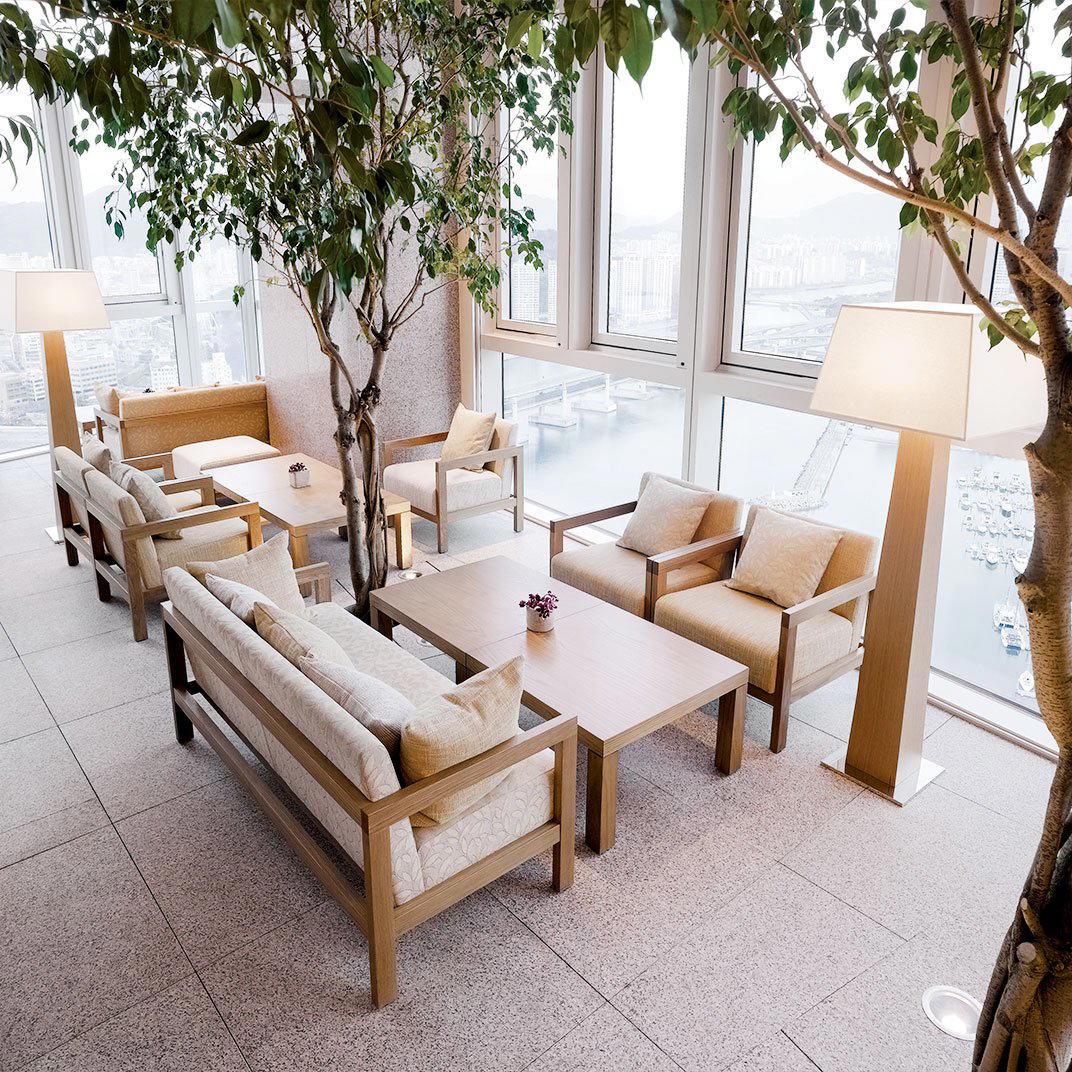
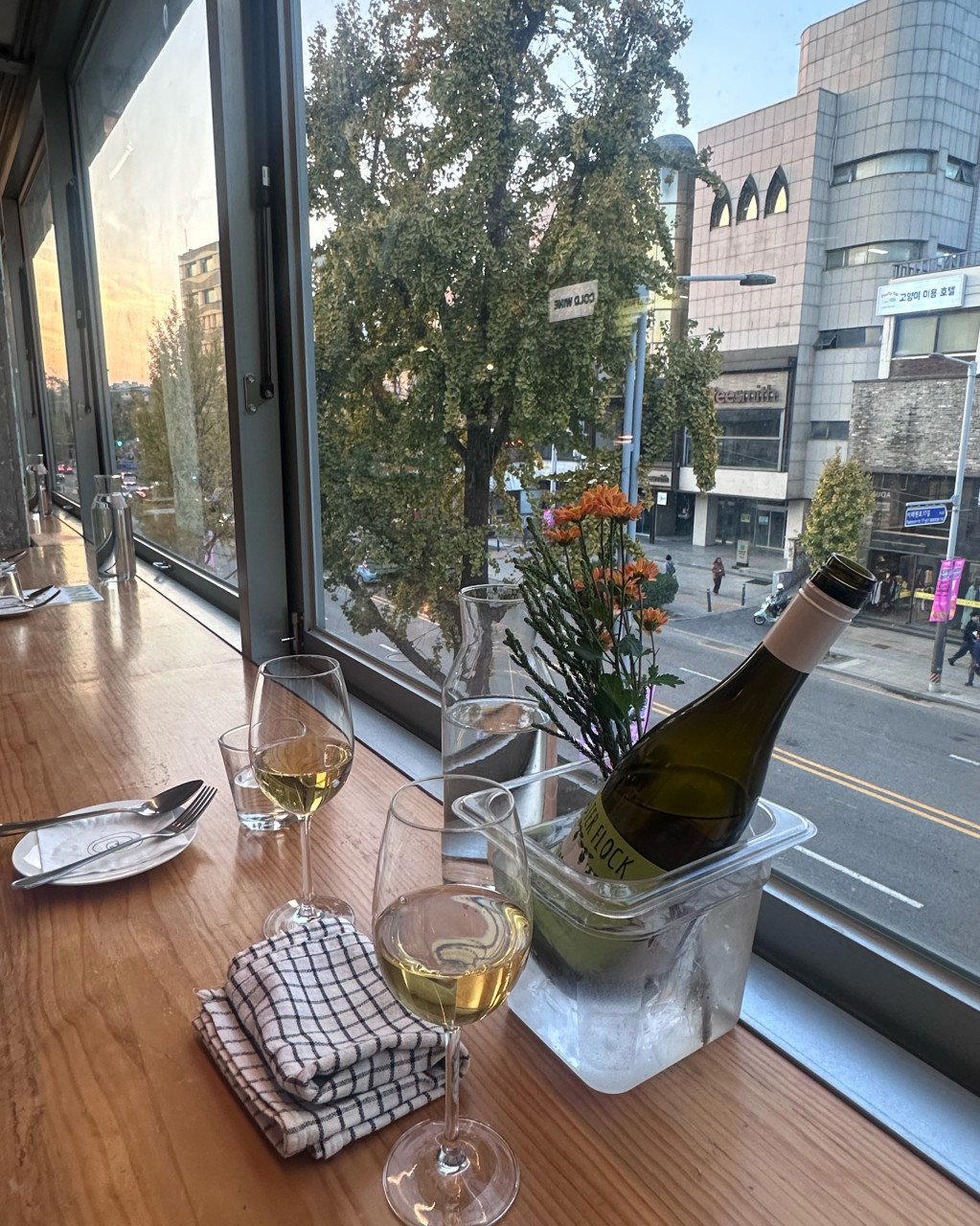
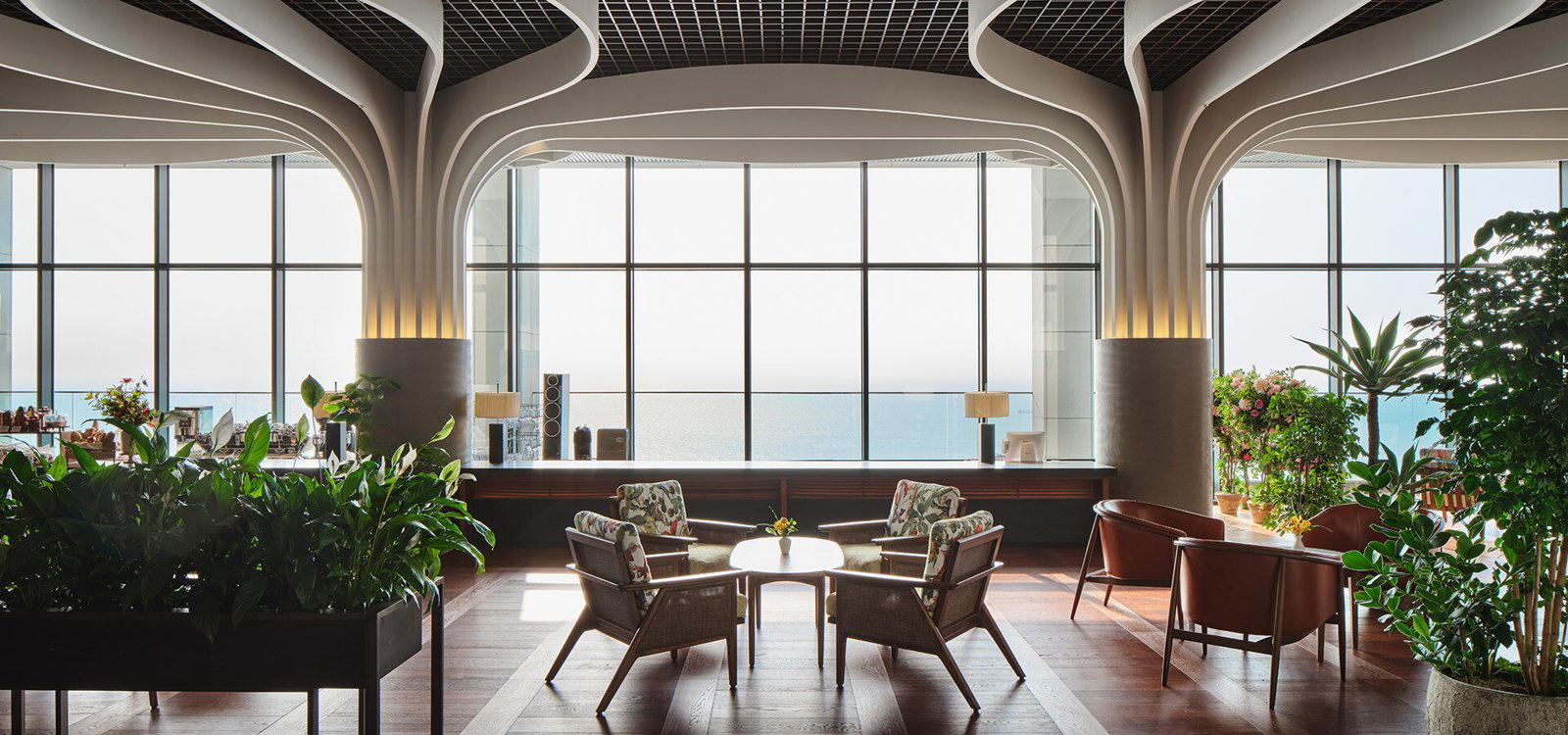
Cozy, stylish, and minimalistic with clean surfaces, an open kitchen, quiet background jazz, and a focused atmosphere that supports conversation during tasting menus.