Topf&Deckel occupies a historically dense address in Vienna's first district, where the city's long tradition of bourgeois cooking meets a more technically precise contemporary sensibility. Positioned in Schottengasse, one of the inner city's most established corridors, it represents a strand of Viennese dining that draws on central European pantry depth while applying methods that have little to do with the Beisl tradition. A considered choice for those tracking how the city's restaurant scene is quietly reorienting itself.
Pearl is the En Primeur Club membership app — saves, bookings, and concierge access live there. Same editors, same standards.
- Address
- Schottengasse 3, 1010 Wien, Austria
- Phone
- +4369911191181
- Website
- topfdeckel.at
- Directions
- Get directions
 Saves & bookings on Pearl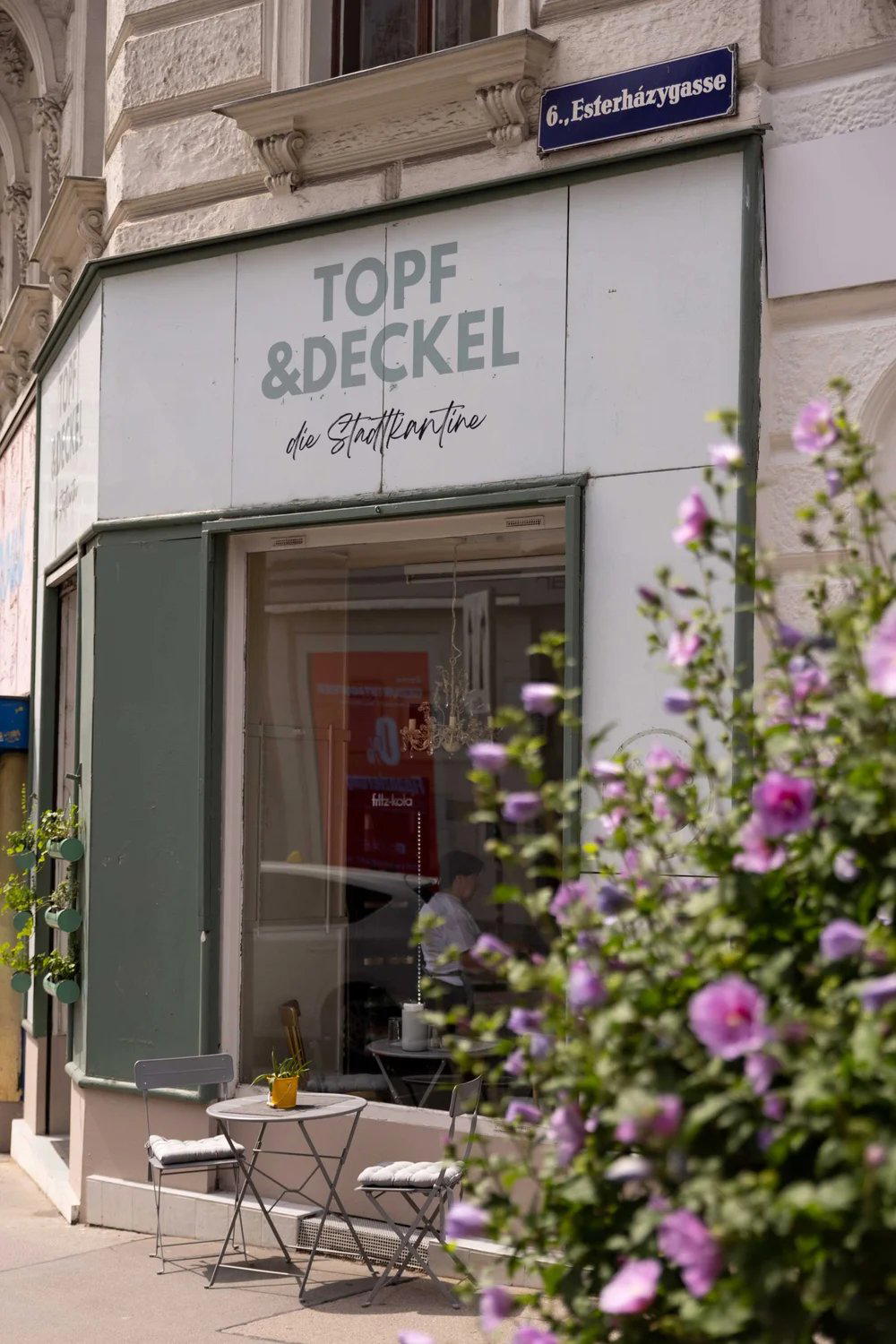
Vienna's First District and the Grammar of Serious Cooking
Topf&Deckel is a restaurant in Vienna's first district on Schottengasse 3, with a casual dress code and a walk-in-friendly policy. Schottengasse 3 is not a neutral address. Sitting at the edge of Vienna's first district, a few minutes' walk from the Schottentor U-Bahn stop and within the gravitational pull of the Ringstrasse, the street has long been associated with professional and financial life rather than culinary experimentation. That context matters: restaurants that choose this location are not chasing footfall from tourist-heavy zones like the Naschmarkt corridor or the Graben. They are positioning for a clientele that knows what it wants and is not browsing. In a city where dining geography often telegraphs intent as clearly as price or format, the Schottengasse address signals a particular kind of seriousness.
Vienna's fine-dining tier has spent the past two decades in a productive tension between its own historical repertoire and the international technical vocabulary that has reshaped restaurant culture across Europe. The result is a recognisable local grammar: central European ingredients, a larder shaped by proximity to Alpine Austria, the Danube corridor, and the old imperial trading routes, processed through methods that owe as much to French classical training or Nordic precision as to the Viennese kitchen. Steirereck im Stadtpark has been the canonical expression of this for years, its menu built around Austrian produce read through a lens of technical ambition. Mraz & Sohn operates in a similar register but with a more overtly progressive sensibility. Topf&Deckel enters this conversation from its own angle.
Local Ingredients, Applied Technique
The editorial angle that leading describes where a place like Topf&Deckel sits in Vienna's restaurant map is the intersection of indigenous products and imported method. This is not a Viennese peculiarity: it is the dominant tension in ambitious cooking across central Europe right now. What distinguishes the Austrian version of this conversation is the quality and specificity of the larder available. Styrian pumpkin oil, Wachau apricots, Alpine cheeses from the Bregenzerwald, freshwater fish from the Danube and its tributaries, game from Lower Austrian forests, wines from the Burgenland and Kamptal; these are not generic European pantry items but a highly specific regional vocabulary that rewards cooks who understand them in depth.
The application of global technique to this material is where interesting cooking in Vienna is happening. When Konstantin Filippou applies Greek-Mediterranean instincts to central European ingredients, or when Amador brings Spanish avant-garde sensibility to the same raw material, the results are legible as Vienna without being reducible to tradition. The name Topf&Deckel, translating literally as pot and lid, signals a certain directness about the cooking vessel as subject, a framing that points toward substance over theatre. Whether that translates into a tasting menu format, a more casual à la carte structure, or something in between is part of what makes restaurants at this address worth tracking as the city's dining identity continues to develop.
How Topf&Deckel Sits Within the Vienna Scene
The first district is competitive and increasingly well-mapped internationally. The city has received sustained attention from serious food media over the past five years, and its Michelin representation, while not as dense as Paris or Tokyo, includes names that operate at a genuinely high technical level. Doubek and the Amador kitchen represent the more experimental end; Mraz & Sohn maintains a loyal international following built over years of consistent quality. Topf&Deckel at Schottengasse occupies a position in this field that is, for now, less internationally profiled, which in practice means a dining room that remains primarily local in composition. For the reader who has already worked through the obvious names on Vienna's restaurant circuit, that is useful information.
Broader Austrian scene extends well beyond the capital. Döllerer in Golling an der Salzach has spent years building one of the country's most serious arguments for Alpine cuisine as a distinct category, while Obauer in Werfen represents the longer historical arc of Austrian fine dining outside the capital. In the western regions, Griggeler Stuba in Lech and Gourmetrestaurant Tannenhof in Sankt Anton am Arlberg demonstrate how Alpine-rooted cooking continues to evolve in resort contexts. Ikarus in Salzburg runs a different model entirely, importing guest chefs on a rotating basis in a format that has no real parallel in Vienna. The comparison with international reference points is also instructive: the way a kitchen like Le Bernardin in New York City sustains a single-minded technical focus over decades, or the way Atomix in New York City applies Korean culinary logic through a fine-dining structure, shows the range of approaches that the local-ingredient, global-technique model can take. Vienna's version tends to be quieter in its ambitions, which suits the city's temperament.
Planning Your Visit
| Venue | District | Price Tier | Style |
|---|---|---|---|
| Topf&Deckel | 1st (Schottengasse) | not listed | Central European focus |
| Steirereck im Stadtpark | 3rd (Stadtpark) | €€€€ | Creative Austrian |
| Konstantin Filippou | 1st | €€€€ | Modern European |
| Mraz & Sohn | 20th (Brigittenau) | €€€€ | Modern Austrian, Creative |
| Amador | 1st | €€€€ | Creative |
For the broader Vienna dining picture, the the guide Vienna restaurants guide maps the full range of the city's serious tables across districts and price points. Restaurants in the first district cluster around a similar professional clientele; booking at least a week in advance for weekend evenings is standard practice across this tier.
Comparison Snapshot
Comparable venues nearby, for context on price, style, and recognition.
| Venue | Cuisine | Price | Notes |
|---|---|---|---|
| Topf&DeckelThis venue — the venue you are viewing | Healthy Seasonal European Canteen | $$ | Not listed |
| Zum Finsteren Stern | Modern European Gastropub | $$$ | Stephansdom |
| Fladerei Berggasse | Stuffed Flatbreads | $$ | Inner City |
| hiddenkitchen city | Healthy European Cafe | $$ | Stephansdom |
| Honu Tiki Bowls | Hawaiian Poke Bowls | $$ | Inner City |
| ra'mien go Kolingasse | Asian Noodle Bar | $$ | Inner City |
Continue exploring
More in Vienna
Restaurants in Vienna
Browse all →
Bars in Vienna
Browse all →
Hotels in Vienna
Browse all →

At a Glance
- Cozy
- Modern
- Casual Hangout
- Standalone
- Local Sourcing
Current opening hours
- Monday
- 11 AM–3 PM
- Tuesday
- 11 AM–3 PM
- Wednesday
- 11 AM–3 PM
- Thursday
- 11 AM–3 PM
- Friday
- 11 AM–3 PM
- Saturday
- Closed
- Sunday
- Closed
Hours can change for holidays and private events. Last verified .
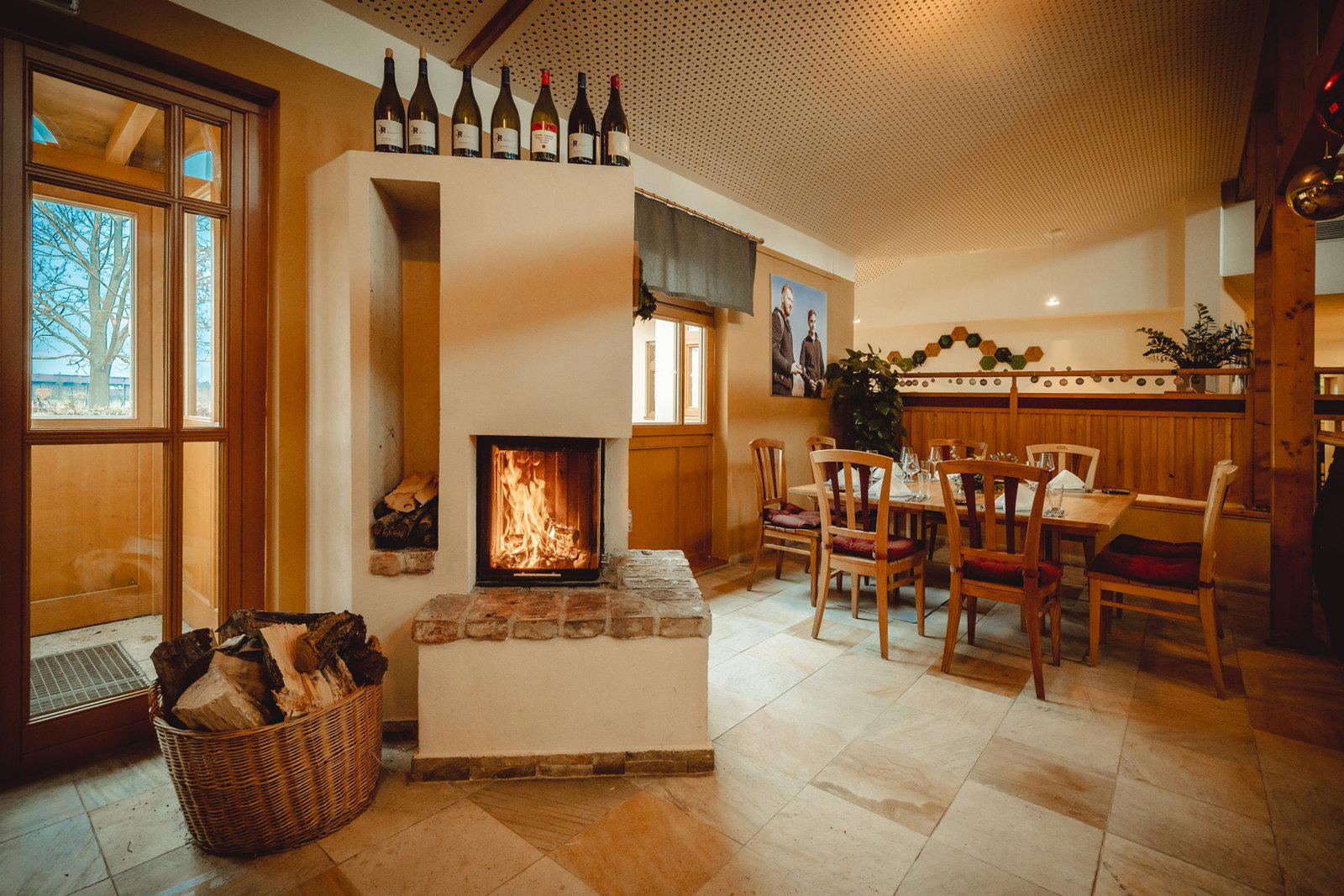
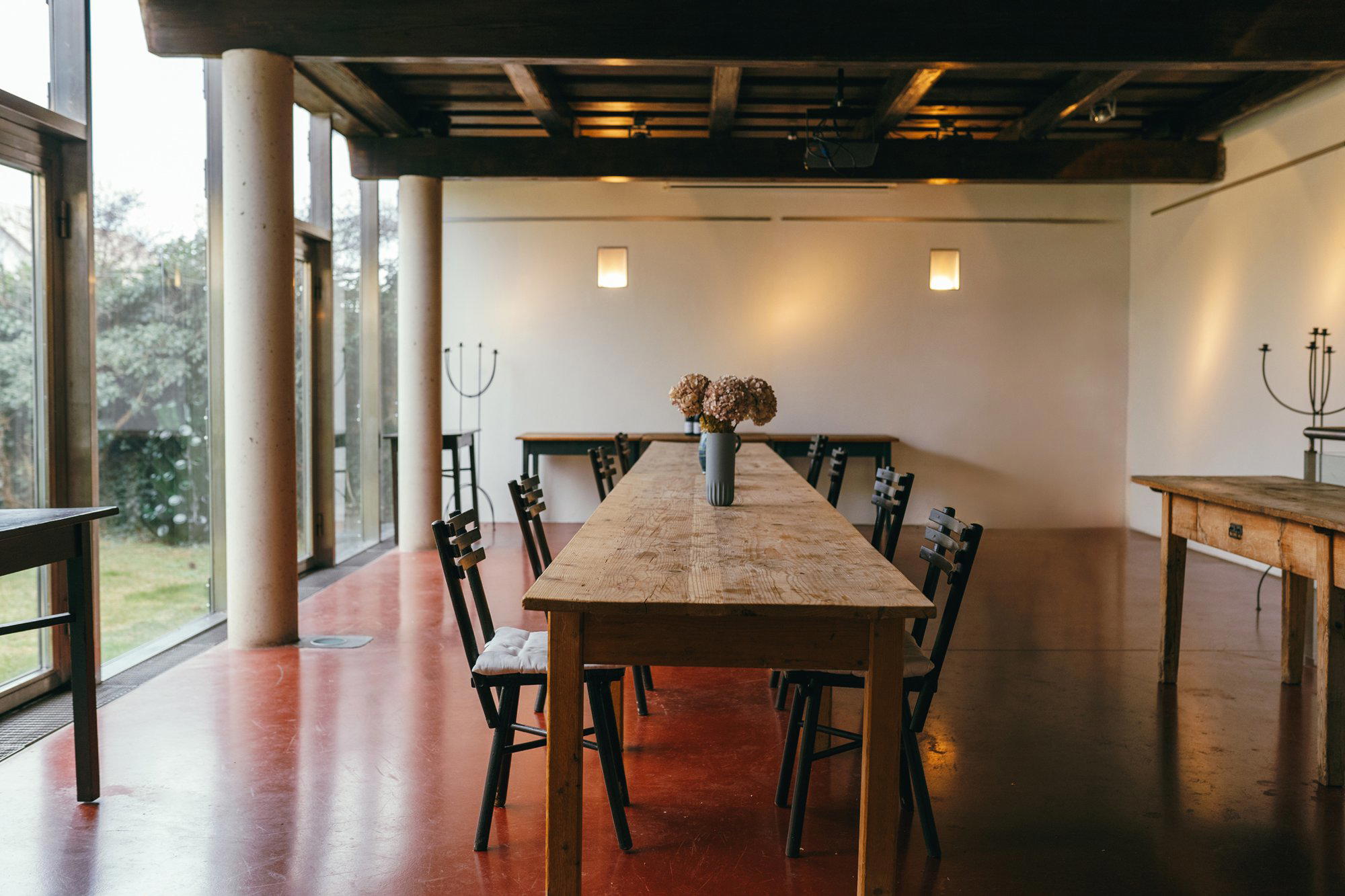
Bright and casual city canteen atmosphere focused on quick, nutritious midday meals.