
A Michelin Bib Gourmand tonkatsu counter in Osaka's Chuo Ward where the kitchen sources named-breed pork from across Japan, rotating cuts and regional producers so the menu shifts with each visit. The combination platter resolves the tenderloin-versus-loin dilemma cleanly, and the price point sits firmly in the single-¥ tier, serious craft without the premium-restaurant overhead.
Pearl is the En Primeur Club membership app — saves, bookings, and concierge access live there. Same editors, same standards.
- Address
- 2 Chome-2-11 Kitakyuhojimachi, Chuo Ward, Osaka, 541-0057, Japan
- Phone
- +81 6-6226-8559
- Website
- katsuhana.jp
- Directions
- Get directions
 Saves & bookings on Pearl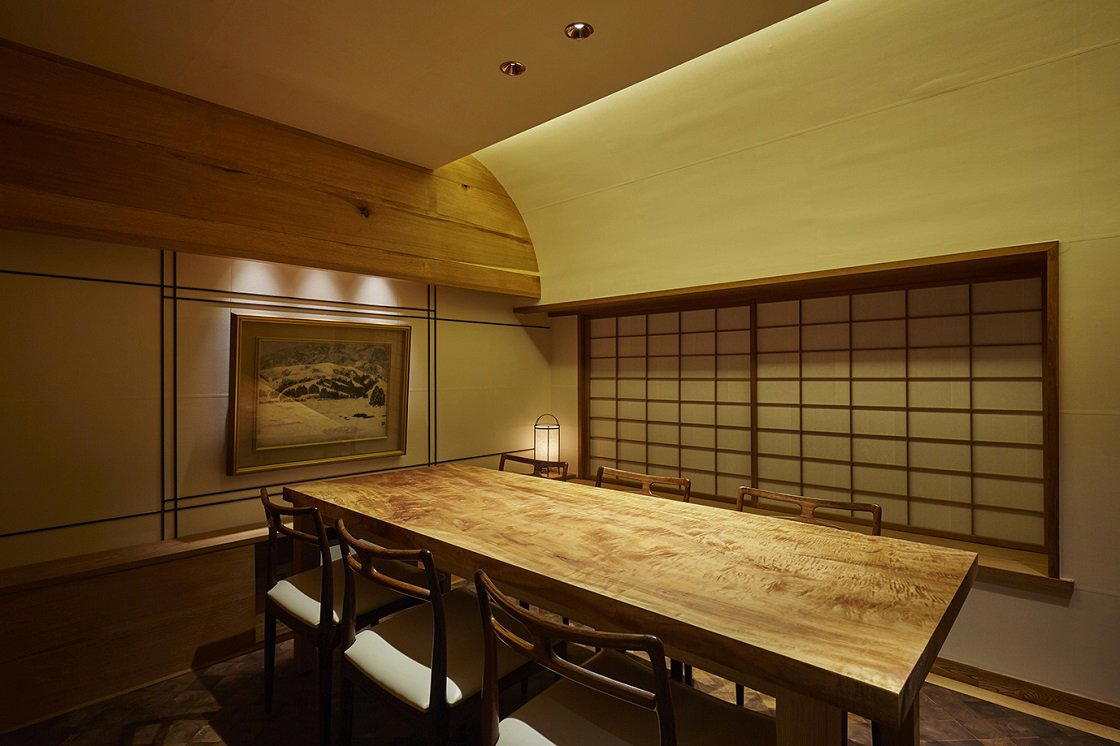
What Tonkatsu Looks Like When the Pork Actually Matters
In most tonkatsu restaurants, the protein is incidental, a vehicle for the panko crust and the tonkatsu sauce. At a small number of counters across Japan, the sourcing logic runs in reverse: the pork drives every other decision. Tonkatsu KATSU Hana, tucked into Kitakyuhojimachi in Osaka's Chuo Ward, belongs to that second category. The room is modest, the prices are low, and the focus is surgical. What changes the experience here is not décor or ceremony but the fact that each visit might feature a different regional pork breed entirely.
The address puts it in a dense commercial pocket of central Osaka, walkable from Honmachi Station and surrounded by the kind of unremarkable mid-rise blocks that give no indication of what's inside. The restaurant is small. The atmosphere is warm in the specific way that family-run Japanese counters tend to be, unhurried, attentive, without the formality that creeps into higher price brackets. The kitchen's personality comes through in the sourcing decisions rather than in tableside theatre.
The Pork Sourcing Philosophy and What It Means at the Table
Japan's premium pork market has expanded significantly over the past two decades. Named breeds, Kagoshima's Berkshire-derived Kurobuta, Iberico crosses, Tokyoton from the Kanto region, and a rotating cast of regional producers, now occupy a distinct commercial tier above commodity pork, with flavour profiles that differ in fat distribution, marbling intensity, and sweetness. Most diners encounter these differences as marketing language. At KATSU Hana, the kitchen treats them as the actual point of the meal.
The Michelin inspectors who awarded the 2025 Bib Gourmand noted specifically that only name-brand pork from various regions is used, so that diners can learn what delicious pork tastes like. That framing is instructive: this is less a tonkatsu restaurant and more a rotating study in regional pork character, with the frying technique functioning as a consistent variable that lets the animal's flavour come through cleanly. The chef actively seeks out new producers, which means the menu at any given visit may not match what was on offer a month prior.
For the tonkatsu category in Osaka, this positions KATSU Hana differently from peers focused on execution consistency. Tonkatsu Fujii offers another point of comparison within the city. Further afield, Tokyo's tonkatsu tier includes Butagumi and Fry-ya, both of which approach breed sourcing with similar seriousness at higher price points. KATSU Hana's Bib Gourmand recognition places it in the overlap between genuine craft and accessible pricing, a harder position to maintain than either extreme.
Tenderloin, Loin, and the Case for the Combination Platter
The central tension in any tonkatsu order is the cut decision. Hire-katsu (tenderloin) is leaner, with a finer texture and a cleaner finish; rosu-katsu (pork loin) carries more fat and delivers a richer, more assertive bite. The debate is well-worn in Japanese food culture, and most regulars develop a strong preference. At KATSU Hana, the sourcing variable complicates the choice further: a loin from a heavily marbled Kurobuta will eat differently from a loin cut from a leaner regional breed, and the same applies to the tenderloin.
The combination platter is the practical resolution, and the kitchen recommends it for first-time visitors. It allows direct comparison of both cuts from the same animal on the same day, which is the clearest way to understand how breed and cut interact. For repeat visitors rotating through different pork sources, ordering both cuts becomes a more structured way to build a working knowledge of regional differences.
Beverages and the Tonkatsu Table
Editorial angle here is worth addressing directly: tonkatsu is not a cuisine that generates elaborate beverage pairing conversations in the way kaiseki or French tasting menus do. The frying medium, the sauce, and the shredded cabbage that accompanies most sets create a specific flavour environment, rich, savoury, with acidity from the cabbage and sweetness from the sauce. In that context, cold draft beer is the dominant pairing in Japanese tonkatsu culture, and it works for structural reasons: carbonation cuts through fat, and the bitterness of a lager provides contrast to the sauce's sweetness.
Shochu, particularly barley or potato varieties served on the rocks or with water, functions similarly at the lower end of the flavour intensity register. Sake pairings at a counter like this tend toward junmai or junmai ginjo styles with enough acidity to hold against the fried coating, delicate daiginjo profiles can be overwhelmed. The broader point is that the pork itself is the subject at KATSU Hana; the drink's job is to support rather than compete.
Osaka's Bib Gourmand Tier and Where KATSU Hana Sits
Osaka's Michelin coverage spans an unusually wide price range. At the leading end, restaurants like HAJIME and La Cime operate in the ¥¥¥¥ bracket with the full apparatus of contemporary fine dining. The Bib Gourmand category occupies a structurally different position: it identifies places where the cooking quality justifies the recognition but the prices remain within reach of a working meal budget. For Osaka, a city with a strong popular food culture and a deep tradition of value-for-quality dining, the Bib Gourmand list tends to be long and competitive.
KATSU Hana's single-¥ pricing in that context is notable. Single-¥ tonkatsu that earns Michelin attention is not common; the recognition implies a quality threshold that most budget-tier operations don't reach. It also signals something about the city's appetite for specialist single-dish restaurants, Osaka has historically supported deep expertise in narrow formats in a way that other Japanese cities sometimes do not.
For a broader picture of what Osaka's dining scene covers across price points and styles, see our full Osaka restaurants guide. Other Kansai-region reference points include Gion Sasaki in Kyoto and akordu in Nara. Beyond the Kansai region, Harutaka in Tokyo, Goh in Fukuoka, 1000 in Yokohama, and 6 in Okinawa each represent the range of serious dining across Japan's main islands. Osaka's wider hospitality offering extends beyond restaurants: our Osaka hotels guide, bars guide, wineries guide, and experiences guide cover the full range. For more casual Osaka dining within a similar editorial register, Kyomachibori Nakamura and Manger are worth considering.
Planning Your Visit
Address: 2 Chome-2-11 Kitakyuhojimachi, Chuo Ward, Osaka 541-0057. Budget: Single-¥ price range, among the more accessible Michelin-recognised tonkatsu counters in the city. Reservations: Booking method not confirmed; given the Bib Gourmand recognition and small format, arriving early or contacting directly before travel is advisable. Recognition: Michelin Bib Gourmand 2025.7 from 518 reviews.
What It’s Closest To
Comparable venues nearby, for context on price, style, and recognition.
| Venue | Cuisine | Price | Awards | Notes |
|---|---|---|---|---|
| Tonkatsu KATSU HanaThis venue — the venue you are viewing | Premium Regional Tonkatsu | $$$ | Bib Gourmand | Not listed |
| Sushidokoro Kurosugi Shinkan | Edomae Sushi | $$$ | Michelin Plate | Kita |
| Doshincho Washoku Zui | Traditional Japanese Kaiseki Omakase | $$$ | Michelin Plate | Kita |
| The New World | Modern Japanese Izakaya | $$ | Bib Gourmand | Chūō |
| Ayamedo | Traditional Soba Noodles | $$ | Bib Gourmand | Chūō |
| Honkogetsu | Traditional Kaiseki | $$$$ | Not listed | Chūō |
Recognition history
Dated appearances from independent guides and award organizations, with the underlying list record or original source where available.
Michelin Bib Gourmand
Michelin
Michelin Bib Gourmand
Michelin
Continue exploring
More in Osaka
Restaurants in Osaka
Browse all →




Bars in Osaka
Browse all →




Hotels in Osaka
Browse all →




Wineries in Osaka
Browse all →
At a Glance
- Cozy
- Intimate
- Solo
- Family
- Casual Hangout
- Special Occasion
- Open Kitchen
- Chefs Counter
- Beer Program
- Local Sourcing
Current opening hours
- Monday
- Closed
- Tuesday
- Closed
- Wednesday
- 6–11 PM
- Thursday
- Closed
- Friday
- 6–11 PM
- Saturday
- Closed
- Sunday
- 11 AM–4 PM
Hours can change for holidays and private events. Last verified .
Warm, intimate counter-focused setting with open kitchen views; cozy family-run atmosphere with attentive service and a focus on craftsmanship and hospitality.