
Michelin Plate
Our verdict
Bai Rong holds consecutive Michelin Plate recognition (2024 and 2025) for Shandong cuisine in Shanghai's Huangpu district, a category with few dedicated practitioners at this price point. The kitchen works within Lu cuisine's classical framework — braised, roasted, and slow-cooked preparations that depend on technique over theatrical presentation. For those tracking northern Chinese cooking traditions in a city that overwhelmingly favours southern and coastal styles, Bai Rong is a meaningful reference point.

Pearl is the En Primeur Club membership app — saves, bookings, and concierge access live there. Same editors, same standards.
- Address
- China, CN 上海市 黄浦区 蒙自路 169 169号1-106 邮政编码: 200023
- Phone
- +86 21 6333 2768
- Directions
- Get directions
The menu
What to order
- Jiaodong cold seafood platter
- Sautéed Linyi chicken with fish maw
Shandong Cooking in a City That Rarely Makes Room for It
Walk the restaurant rows of Huangpu on a weekday evening and the offerings skew heavily southward: Cantonese roasting cases, Shanghainese hongshao preparations, and the occasional Sichuan mala counter. Shandong cuisine, formally known as Lu cuisine and historically the most influential culinary tradition in northern China, occupies a quiet corner of that scene. Bai Rong, on Mengzi Road at the southern edge of Huangpu, is one of the few addresses in Shanghai working seriously within that tradition, and it has held a Michelin Plate in both 2024 and 2025 to mark the effort.
The neighbourhood context matters. Mengzi Road sits in the older residential and commercial grid south of the refined ring road, away from the polished tourism corridor that runs from the Bund toward Xintiandi. The streets here are less curated and the restaurant clientele tends to be local rather than destination-driven. For a kitchen focused on Lu cuisine — a tradition built on banquet heritage, precise stock work, and slow braising rather than the wok speed that dominates perception of Chinese cooking — that context is appropriate. The room does not need to perform for a tourist gaze.
What Lu Cuisine Actually Is
Lu cuisine is one of China's Eight Great Culinary Traditions, and its influence on the formal cooking of Beijing's imperial court means it has a longer documented technical lineage than most. The cuisine is characterised by its reliance on clear, long-simmered stocks, its command of whole-animal roasting, and its preference for savoury depth over the heat, sourness, or sweetness that define other regional styles. Seafood preparations from the Shandong coast, particularly yellow croaker, sea cucumber, and abalone, form a significant branch of the tradition, cooked in ways that prioritise the ingredient's natural texture over aggressive seasoning.
In Shanghai, that kind of cooking competes against deep local preference for Jiangnan sweetness and against the city's appetite for Cantonese precision. Venues like Lu Style (Huangpu) represent another approach to northern Chinese cooking in the same district, while the broader Shanghai fine dining tier, anchored by kitchens like Fu He Hui (Vegetarian) at the two-star level and Taian Table (Modern European, Innovative) in the innovative bracket, operates on entirely different registers. Bai Rong's sustained Michelin recognition places it in a smaller, more specialist tier: northern Chinese cooking executed at a level that international inspectors find credible.
The Atmosphere and What to Expect
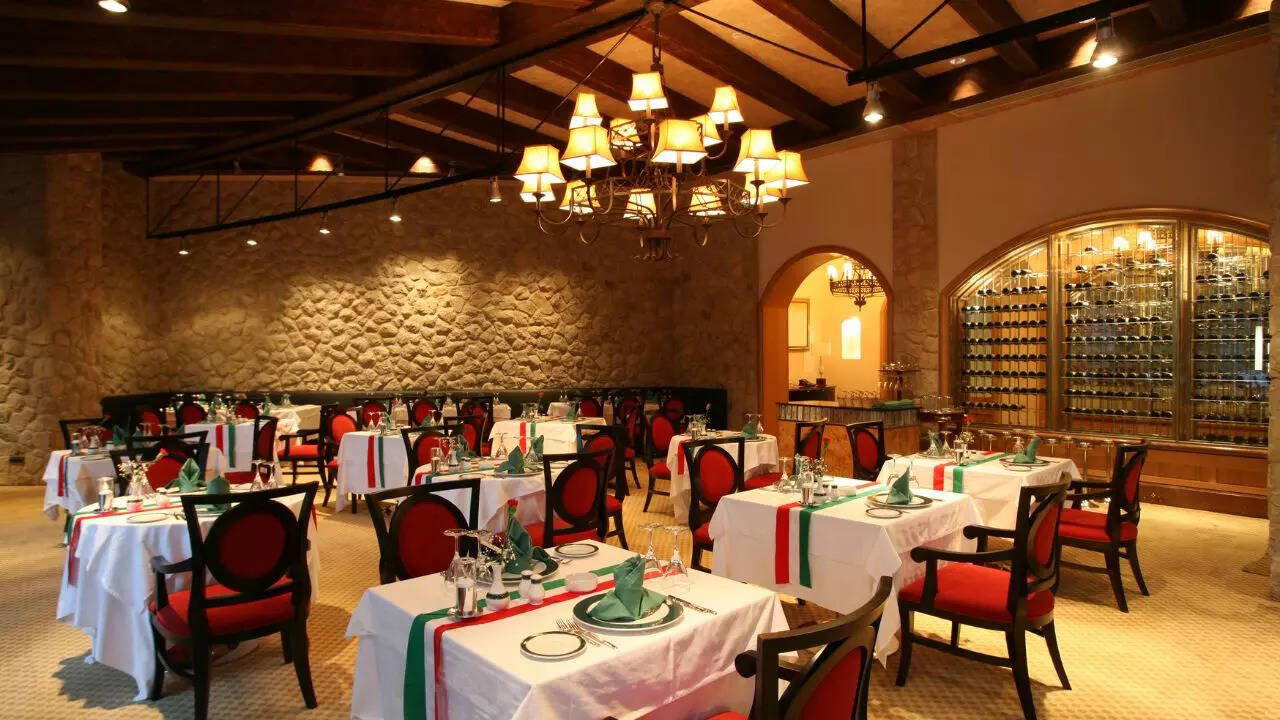
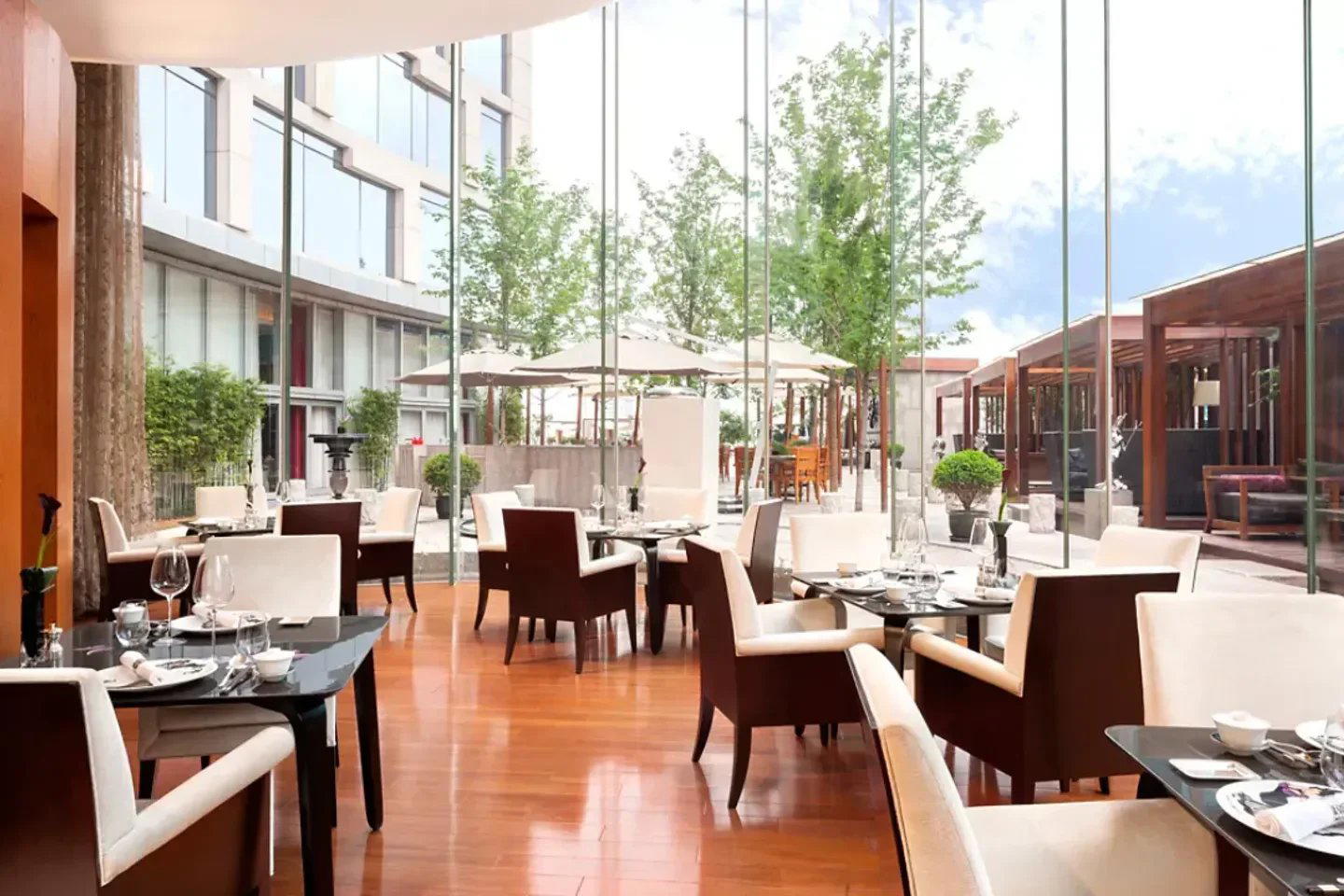
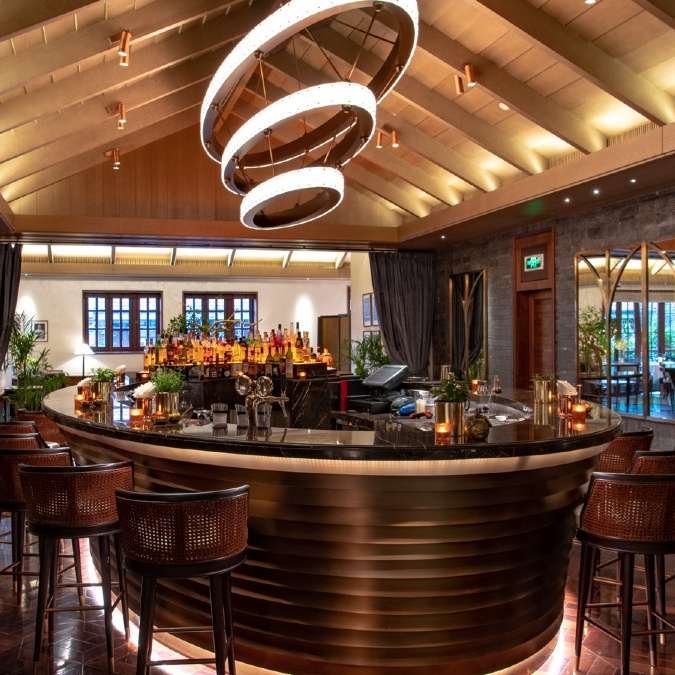
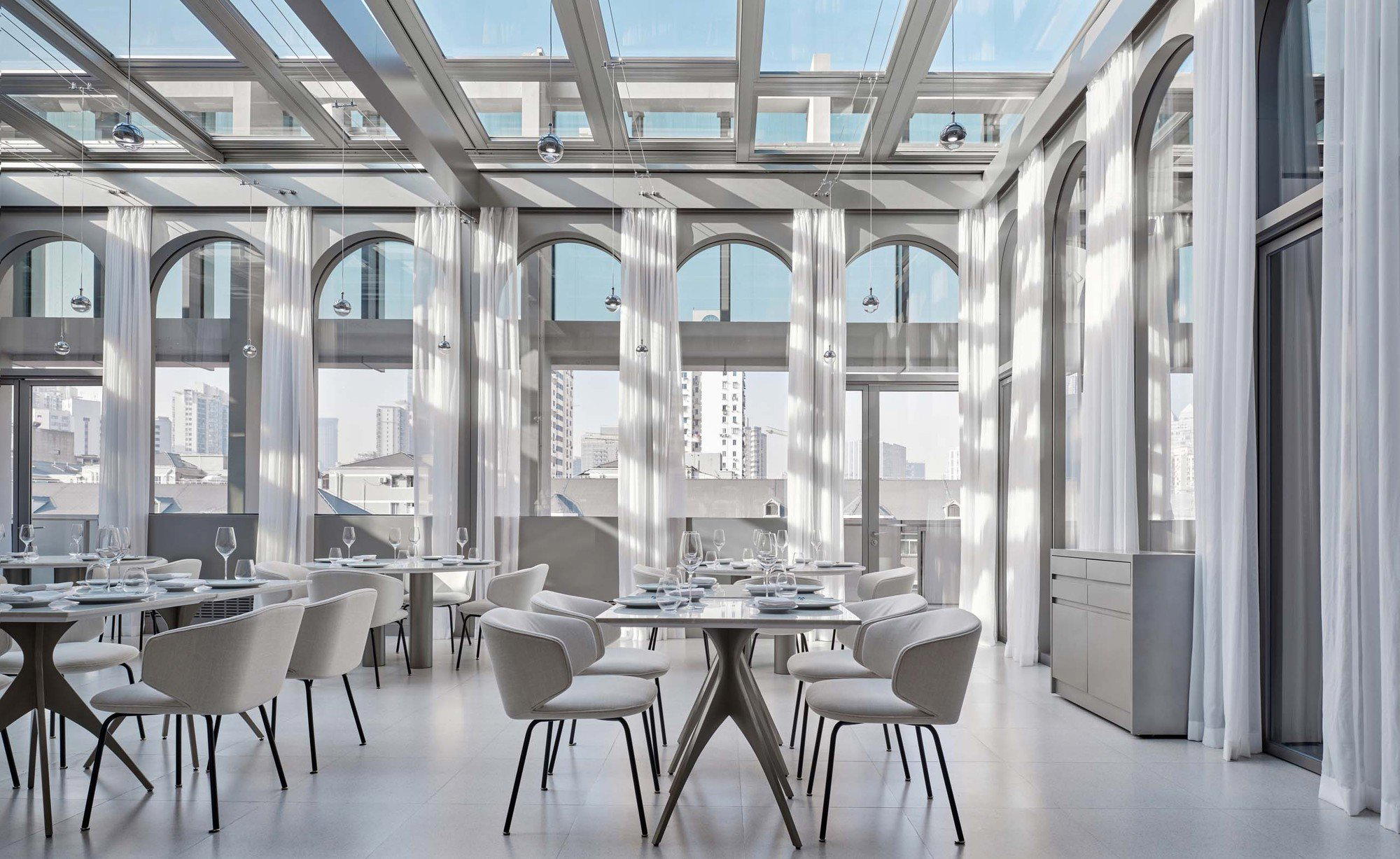
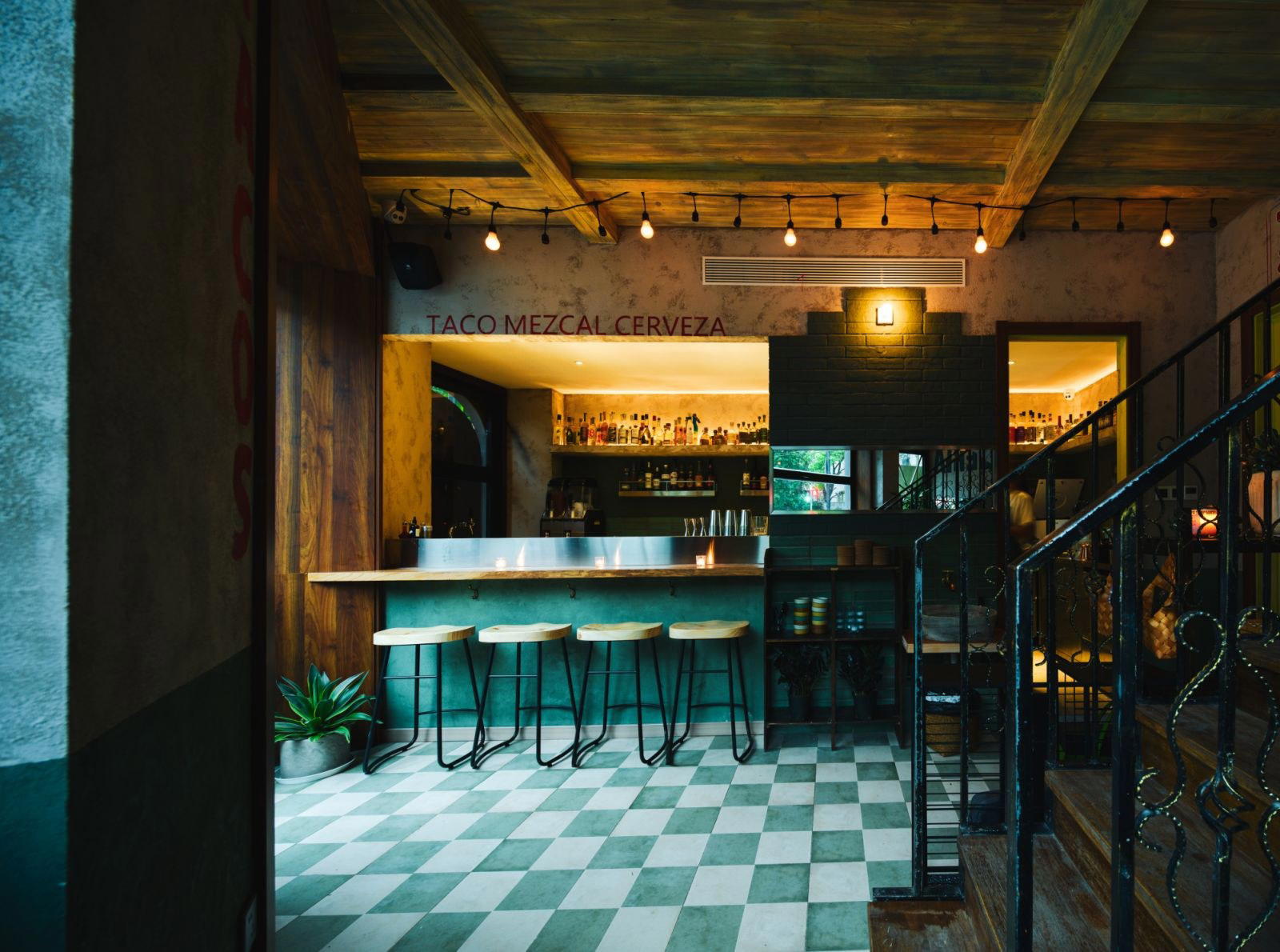
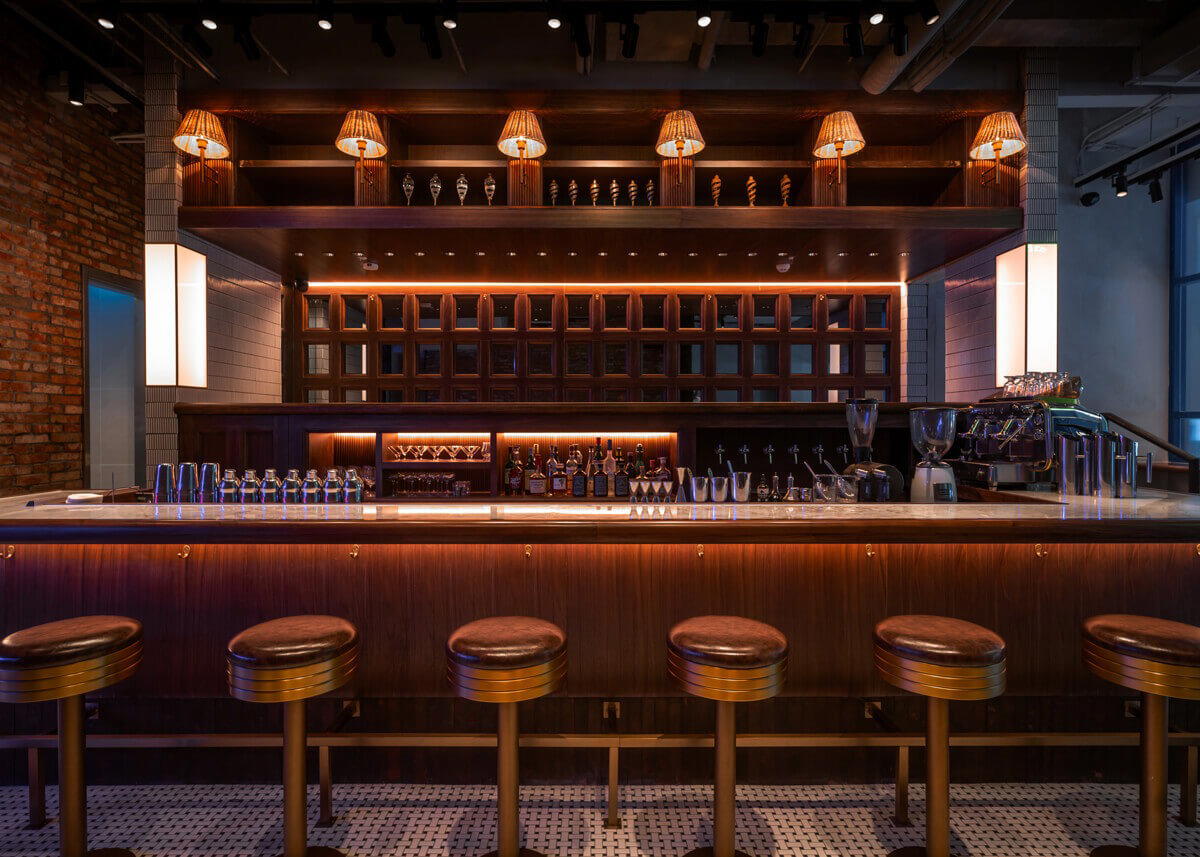
Lu cuisine restaurants at the ¥¥¥ price tier tend toward formal, unhurried settings. The cooking pace of slow braises and roasted whole cuts does not suit a fast-turnaround room, and the clientele drawn to that style of eating generally expects a measured rhythm through the meal. The atmosphere at Bai Rong follows that pattern: this is not a loud, communal banquet hall nor a sleek, minimalist counter. It occupies the middle register that the tradition itself inhabits, deliberate, grounded, and structured around the food rather than around spectacle.
For readers comparing across Shanghai's mid-to-upper dining tier, the price positioning at ¥¥¥ places Bai Rong alongside 102 House (Cantonese) and Xin Rong Ji (West Nanjing Road) (Taizhou), both of which target a similar spend-per-head but operate in entirely different culinary frameworks. The Michelin Plate signal, distinct from a star, and awarded for cooking quality at the inspectors' standard without reaching the starred tier, indicates a kitchen worth attention without claiming a position at the absolute apex of the city's hierarchy.
Shandong Dining Beyond Shanghai
For those building a picture of Lu cuisine across mainland China's major cities, the tradition has dedicated practitioners in Beijing, where the cooking has deeper historic roots. Lu Shang Lu in Beijing and Lu Style (Anding Road) in Beijing represent the northern capital's take on the same culinary lineage, often with a more direct connection to the imperial kitchen tradition that Lu cuisine informed for centuries. Comparing how the same foundation translates between cities, Beijing's formal banquet emphasis versus Shanghai's adaptation for a more cosmopolitan dining market, is one of the more instructive exercises available to anyone tracking the evolution of China's classical cooking traditions.
Across the broader region, fine Chinese dining at the recognised level includes Chef Tam's Seasons in Macau, Imperial Treasure Fine Chinese Cuisine in Guangzhou, and Ru Yuan in Hangzhou, each operating within different regional traditions and at different award tiers. Dai Yuet Heen in Nanjing and Xin Rong Ji (Xinyuan South Road) in Beijing and Xin Rong Ji in Chengdu extend the picture of how formal Chinese cooking is evolving city by city.
Planning a Visit
Bai Rong sits on Mengzi Road 169, in Huangpu district, with a postal code of 200023. The ¥¥¥ pricing places it in the mid-to-upper range for Shanghai dining, appropriate for a meal centred on technique-driven preparations rather than volume. No booking number or online reservation platform appears in the public record, so approaching through the venue directly or through a hotel concierge with local contacts is the practical path. The address is accessible from the southern metro network serving Huangpu.
For further planning across Shanghai, see our full Shanghai restaurants guide, our full Shanghai hotels guide, our full Shanghai bars guide, our full Shanghai wineries guide, and our full Shanghai experiences guide.
Frequently asked questions
Can I bring kids to Bai Rong?
Lu cuisine restaurants at the ¥¥¥ tier in Shanghai typically run at a slower, more formal pace built around long braises and whole roasted cuts rather than quick, casual service. That rhythm suits older children who can sit through a multi-dish meal, but it is less suited to very young diners. Bai Rong's Mengzi Road address in Huangpu is accessible, though the setting is not a family-casual environment by design.
Is Bai Rong better for a quiet night or a lively one?
The cooking tradition at Bai Rong answers that question directly: Shandong Lu cuisine is built on slow braises and roasted whole cuts, formats that produce unhurried, deliberate meals rather than high-energy dining. The ¥¥¥ pricing and Michelin Plate recognition in both 2024 and 2025 position it firmly in the considered-dining category. Bring a conversation worth having, not a group looking for a late-night scene.
What kind of recognition has Bai Rong received?
Bai Rong has received recognition including: Michelin Plate (2025); Michelin Plate (2024).
What's the must-try dish at Bai Rong?
What the Michelin Plate recognition in 2024 and 2025 does confirm is that the kitchen's execution of Lu cuisine meets a credible external standard. Shandong cooking's hallmarks are slow-braised meats, whole roasted preparations, and clear, seasoned broths, so those categories are the most reliable entry points into what the kitchen does.
What's the price range at Bai Rong?
Pricing at Bai Rong is listed as ¥¥¥.
At-a-Glance Comparison
| Venue | Cuisine | Price | Awards | Notes |
|---|---|---|---|---|
| Bai RongThis venue — the venue you are viewing | Modern Shandong Seafood | Not listed | Michelin Plate | Not listed |
| Fu He Hui | Modern Seasonal Vegetarian Fine Dining | $200–300 | 2 Michelin Stars · World's 50 Best #11 | Vegetarian |
| Ming Court | Cantonese with Shanghainese Influences | $30–50 | 1 Michelin Star · Black Pearl 1 Diamond | Cantonese |
| Polux | French Bistro | $30–50 | Michelin Bib Gourmand | Not listed |
| Royal China Club | Modern Cantonese fine dining | $50–100 | Michelin Plate | Not listed |
| Scarpetta | Refined Italian Pasta & Pizza | $50–100 | Michelin Plate · Wine Spectator Best of Award of Excellence | Not listed |
Recognition history
Dated appearances from independent guides and award organizations, with the underlying list record or original source where available.
Michelin Plate
Michelin
Full recognition history (2 entries)
Michelin Plate
Michelin
Details
- Modern
- Elegant
- Special Occasion
- Open Kitchen
- Sustainable Seafood
- A La Carte
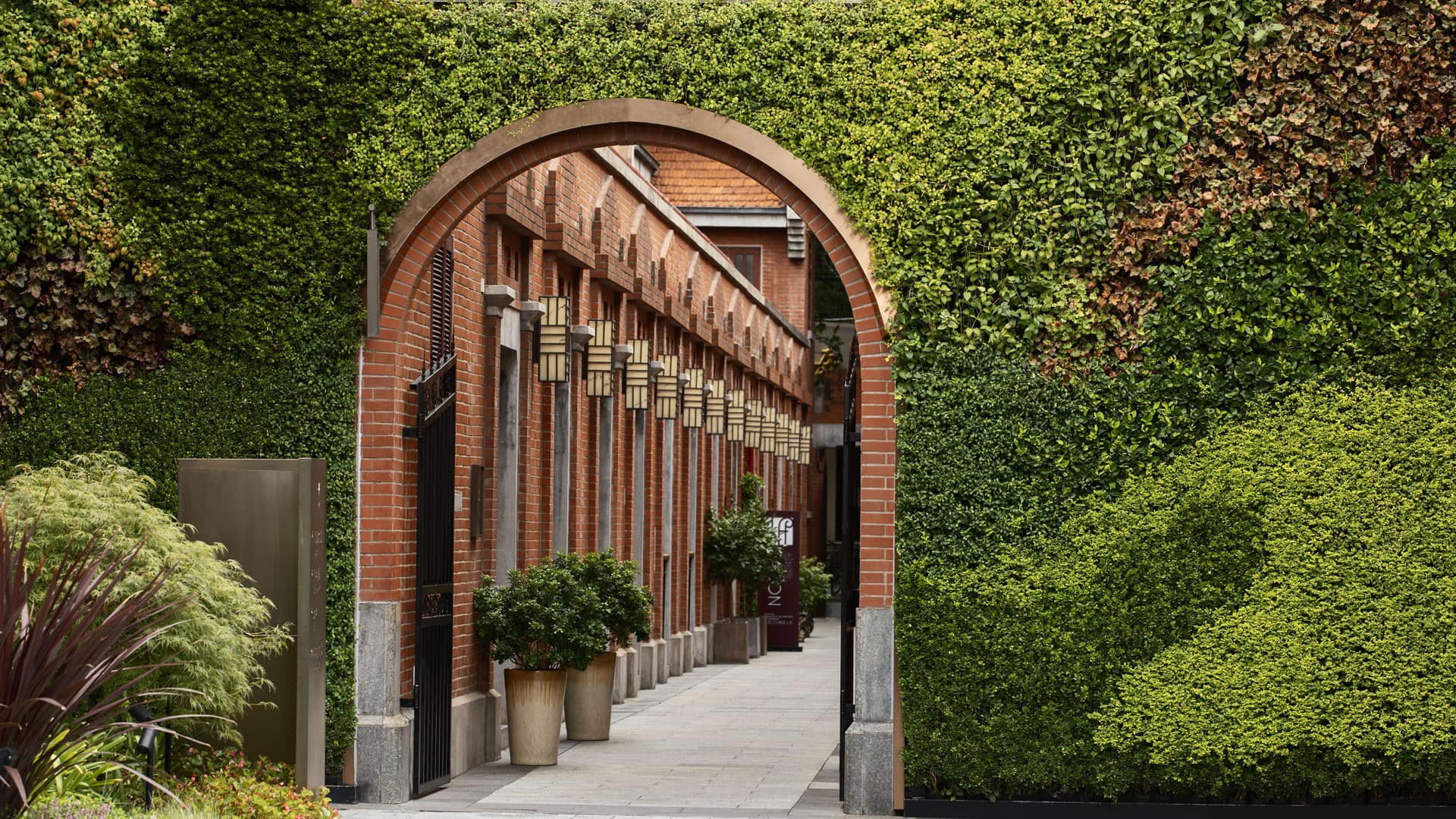
Generously adorned with lush greenery.