
Tokou An Shinkotoni sits in Sapporo’s northern ramen circuit with a compact counter format and recognition in Tabelog 100 - Ramen - HOKKAIDO - 2025. The appeal is not spectacle: it is a small, practical ramen room where counter seating, low pricing, and a short daytime rhythm place the meal closer to local routine than destination theatre.
Pearl is the En Primeur Club membership app — saves, bookings, and concierge access live there. Same editors, same standards.
- Address
- 北海道札幌市北区新琴似8条14-3-1 ヤマキヨビル 1F
- Phone
- +81117907130
- Website
- tabelog.com
 Saves & bookings on Pearl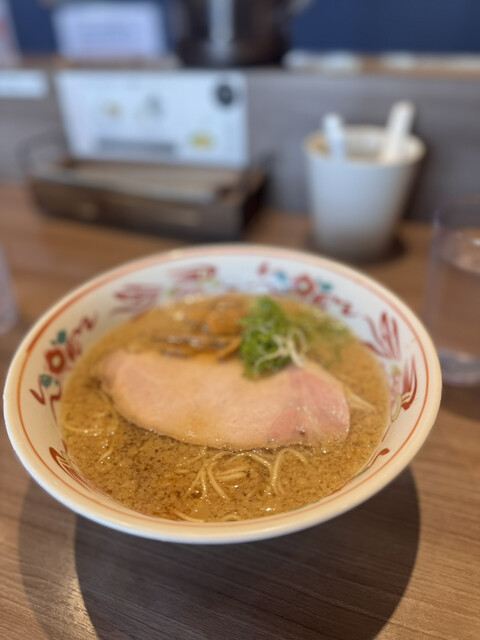
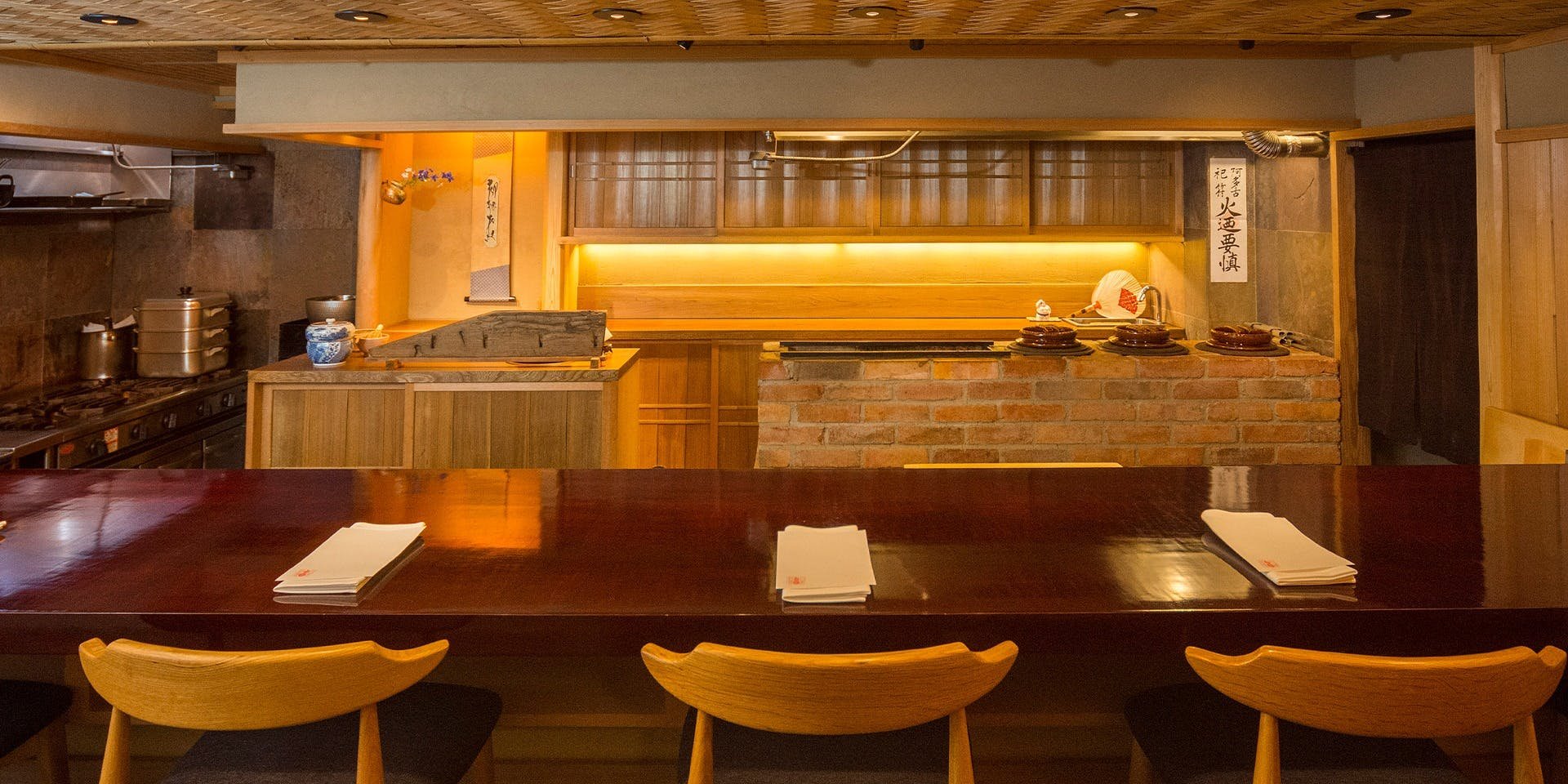
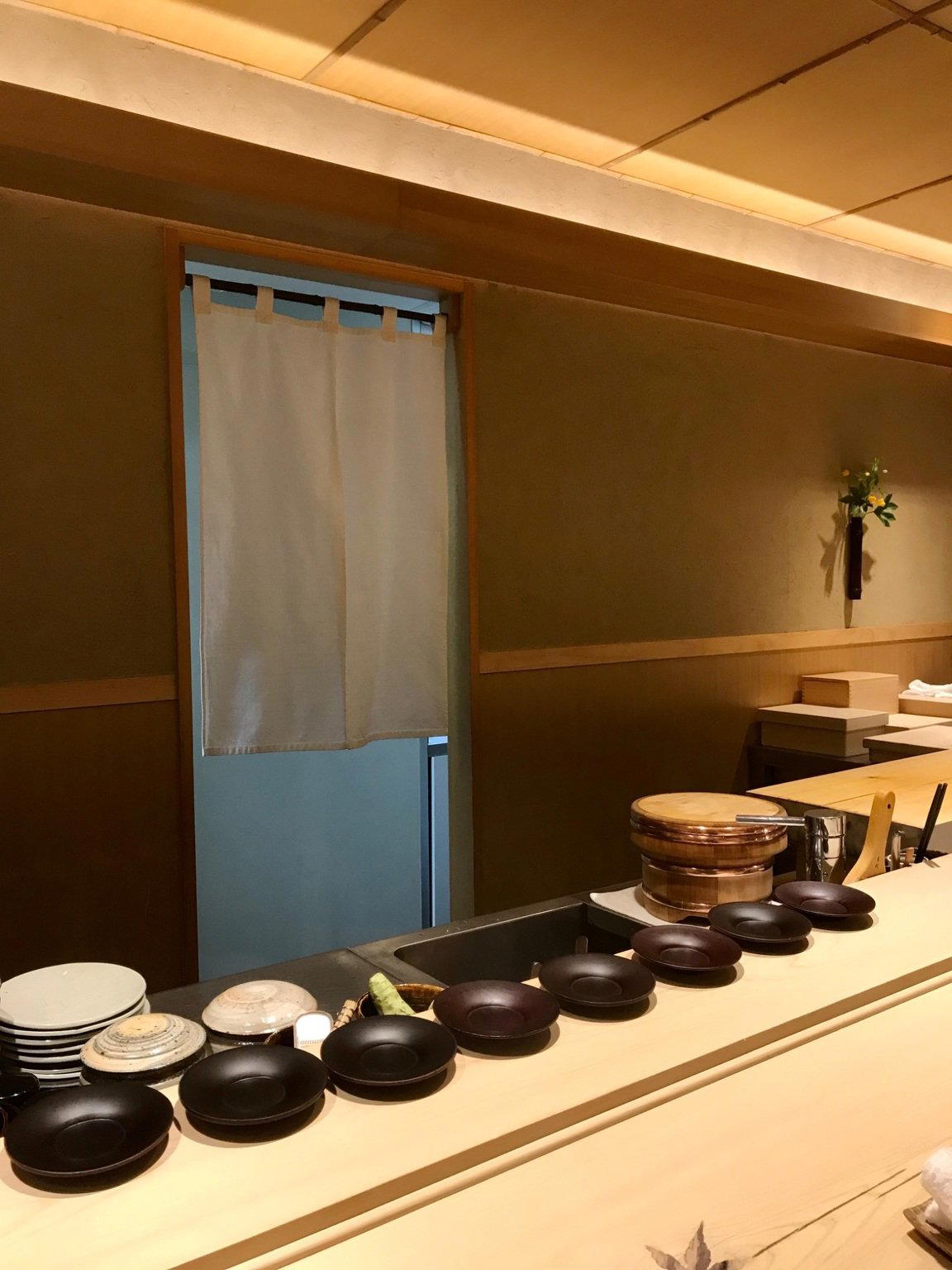
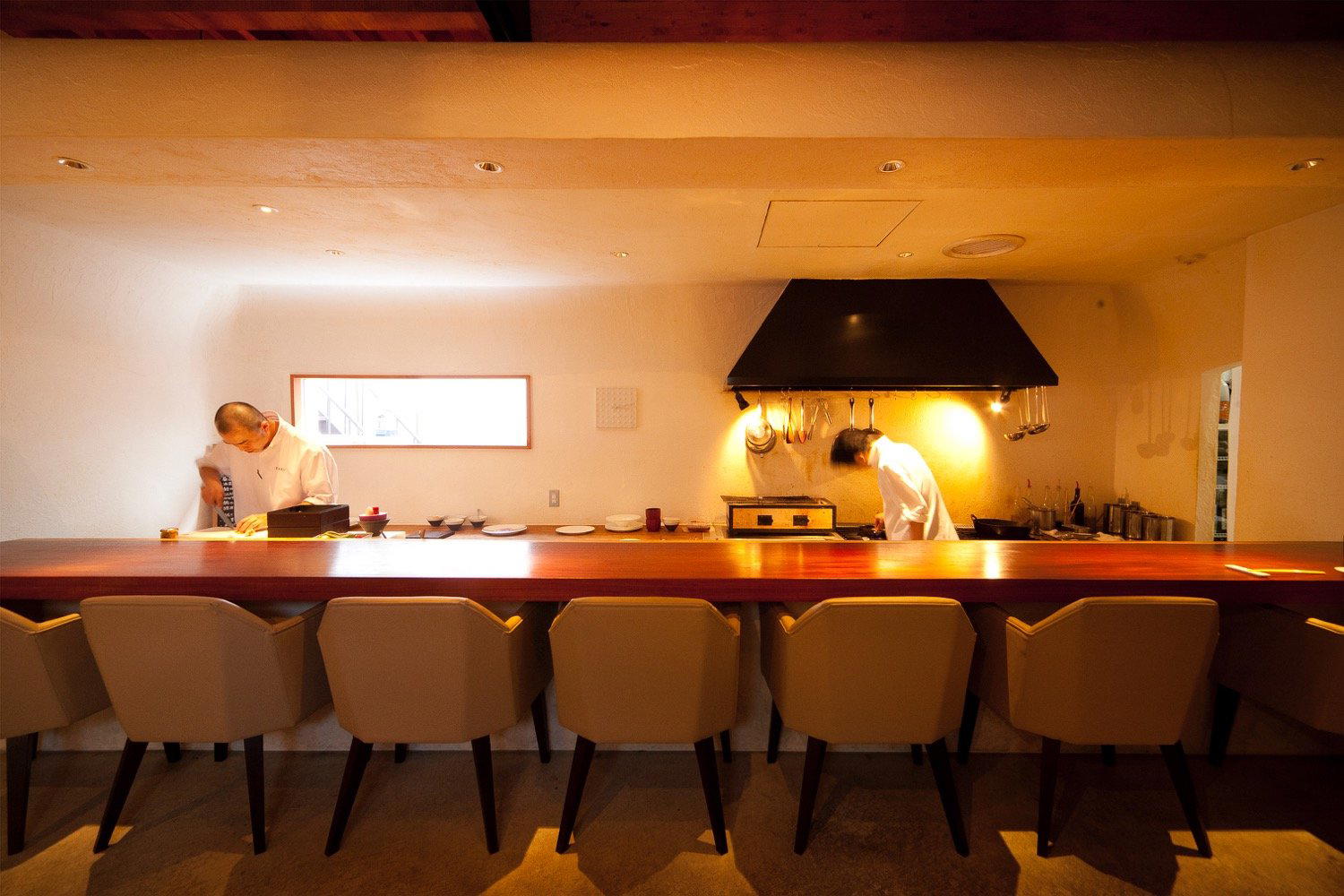
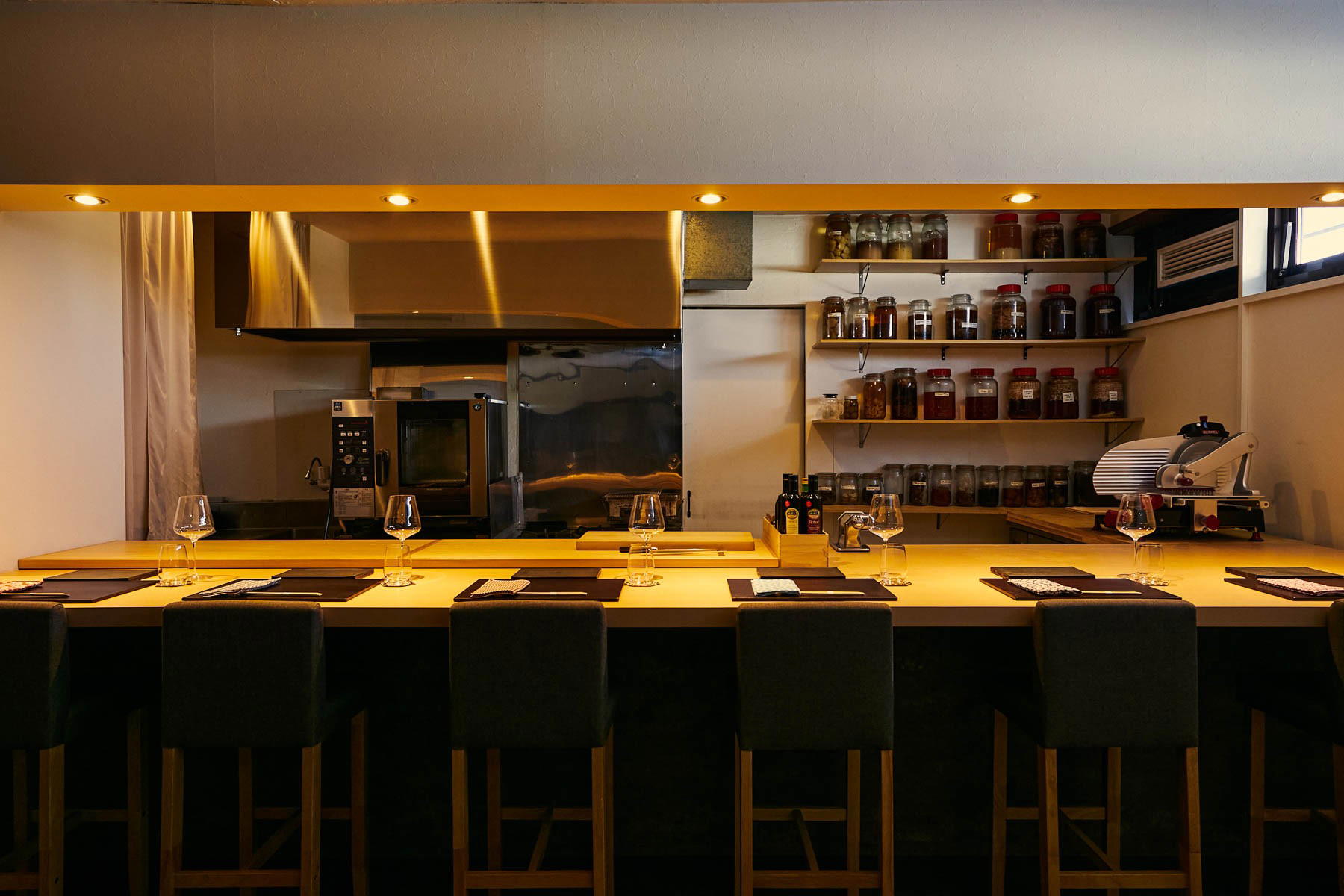
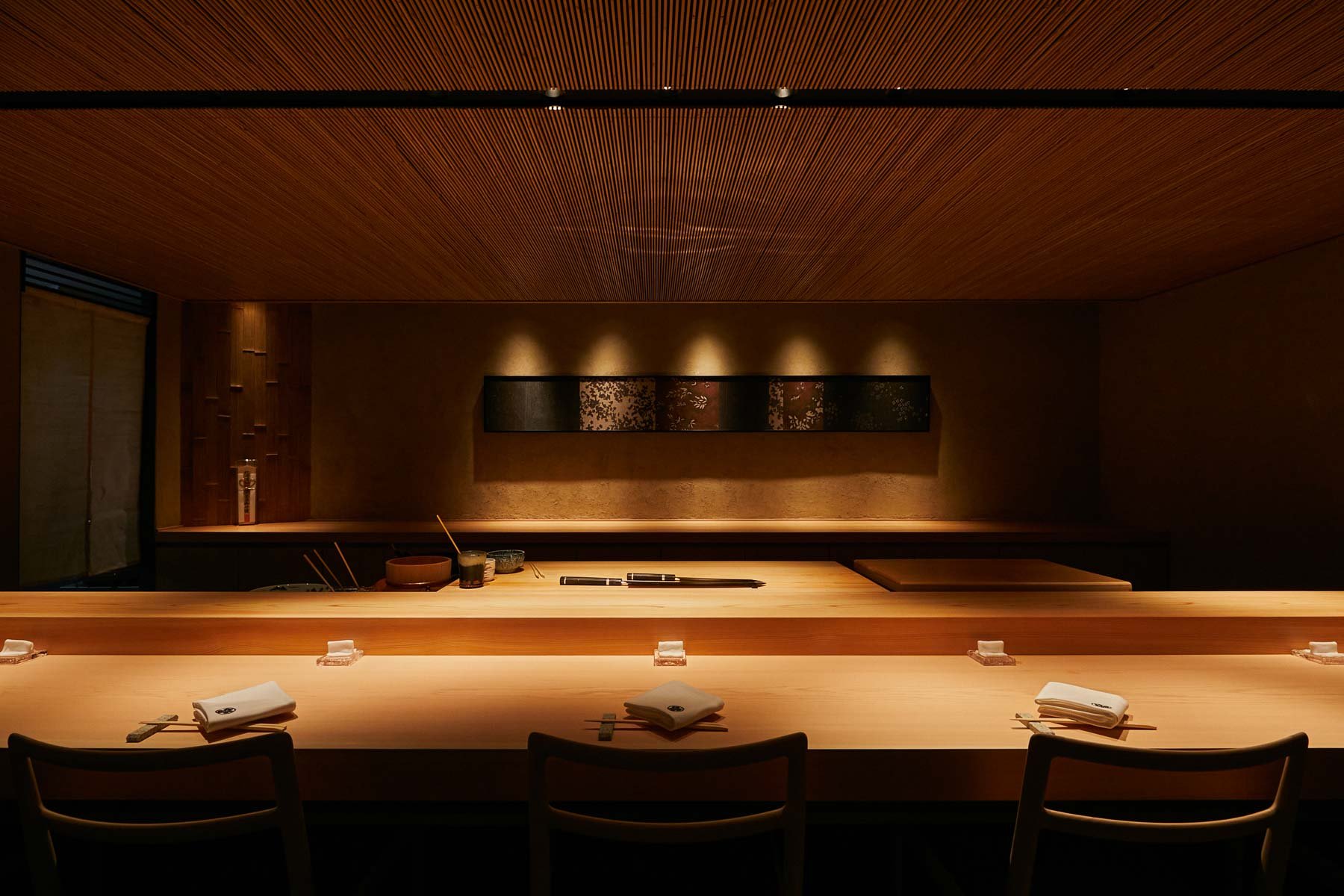
On the northern side of Sapporo, ramen often looks less like a night-out production and more like a room built for quick concentration: a counter, a small number of seats, and a customer flow governed by bowls rather than ceremony. Tokou An Shinkotoni fits that model with 10 counter seats, a non-smoking room, and a format that places the kitchen in close view. The physical arrangement matters. In a city where ramen can range from station-adjacent chains to specialist counters with long local memory, a compact counter changes the pace of the meal: solo diners slot in easily, families need to plan around space, and the room’s energy comes from turnover rather than lingering.
Sapporo’s ramen identity is often flattened into a single shorthand, but the city’s noodle culture is broader than one style. The local scene includes miso-rich shops, dipping-noodle specialists, spice-led bowls, and hybrid casual restaurants that sit somewhere between ramen counter and neighbourhood canteen. This address belongs to that everyday specialist tier: ramen and tsukemen are listed alongside katsu-don, which signals a shop designed for repeat local use rather than a narrow tasting-menu script. Its selection for Tabelog 100 - Ramen - HOKKAIDO - 2025 gives it a credible place in the prefecture’s ramen conversation without turning the experience into fine-dining theatre.
A 10-seat counter changes the reading of the bowl
Counter ramen is not just a seating plan; it is an editorial clue. A 10-seat room compresses the experience, limits the distance between cooking and eating, and removes the decorative excess that can soften casual dining into lifestyle branding. The format rewards clarity: the menu categories do the work, the room keeps attention on the bowl, and service depends on rhythm. In Sapporo, that kind of room sits closer to a craft workshop than a social dining room, especially when reservations are not part of the structure.
The comparison set in the city shows how wide the casual end of Sapporo dining can be. Menya hide, Hokuzan Ryu, and Kokumin Shokudo occupy a similar low-price ramen bracket, while Yondaime Mendokoro Yuji sits slightly higher in the noodle category. Sumibi Yakiniku Horumon Nikushiki belongs to a different spending tier altogether, which underlines the point: ramen here is not a compromise option before the “real” meal. It is one of Sapporo’s primary dining formats, with its own hierarchy, signals, and regulars.
Design, in this context, is operational rather than decorative. Counter seating gives solo diners a natural place, keeps parties small, and makes the room less dependent on table allocation. The presence of two child chairs also gives a useful read on the venue’s practical personality: compact does not necessarily mean adult-only. The better expectation is a small ramen counter that can absorb families when timing and seats allow, not a spacious family restaurant with flexible table plans.
Where it fits in Sapporo's ramen map
The Shin Kotoni area places the meal outside the densest tourist dining circuit, which matters for how to read the experience. Central Sapporo has the gravitational pull of station dining, Susukino drinking, and hotel-adjacent restaurants. Northern neighbourhood ramen can feel more functional, with less need to perform for visitors. That does not make it lesser; it changes the criteria. Recognition from Tabelog’s Hokkaido ramen list is meaningful here because it places a modest-format shop inside a broader regional selection rather than only a neighbourhood recommendation.
For travellers building a Sapporo food itinerary, the distinction is useful. A counter like this belongs in the daytime casual track, not the late-night bar-and-ramen crawl that defines another side of the city. Pairing it with other Sapporo casual institutions gives a clearer picture of the city than chasing one category alone. For broader planning, EP Club’s full Sapporo restaurants guide connects the ramen conversation with curry, baking, and higher-spend dining, while the Sapporo hotels guide, Sapporo bars guide, Sapporo wineries guide, and Sapporo experiences guide help set the rest of the trip around it.
Within the city’s casual food map, useful nearby contrasts include spice and noodle formats rather than only ramen-on-ramen comparison. 175°DENO Tantanmen Sapporo kitaguchi ten points toward the city’s appetite for sesame-and-chilli noodle formats, while [Curry Senmon Ten] Maruyama Kyoju., Ajanta Indo Curry Ten, and Ajanta Sohonke show why Sapporo’s casual dining reputation cannot be reduced to noodles alone. Aigues Vives extends that map into baking and destination food runs, a useful reminder that Hokkaido’s dining identity often spreads outward from the city centre.
The practical reading: small room, low spend, serious local signal
The case for Tokou An Shinkotoni is strongest when it is read as a compact, awarded ramen counter rather than as a grand dining address. The Tabelog 100 - Ramen - HOKKAIDO - 2025 selection supplies the trust signal; the counter-only scale supplies the experience signal. The category mix, ramen, tsukemen, and katsu-don, places it in the everyday Japanese casual tradition where speed, comfort, and repeatability matter as much as culinary authorship.
That reading also helps avoid the wrong expectations. This is not a chef-biography restaurant, and there is no need to force it into that frame. The relevant story is how Sapporo sustains small, price-conscious counters with enough local attention to enter regional award lists. In a premium travel itinerary, that kind of meal has value because it anchors the city in ordinary use, not because it imitates luxury codes.
Travellers extending the search beyond Hokkaido can compare how Japanese casual formats shift by city and audience: -Grilled beef Sukiyaki- KAMAKURA TANUKIAN 鎌倉 たぬき庵 in Kamakura. 鮪と炭火焼き うお炭 秋葉原店 in Tokyo.cafe in Osaka.know in Kumamoto, (Shoku) Vietnam in Kawasaki, and [ki:] in Kyoto each sit in different local rhythms. Abroad, Jōdo Saké Bar in Los Angeles and Onigiri Time in Pasadena show how Japanese formats change when transplanted into North American dining habits. Sapporo’s ramen counters remain more direct: small rooms, low friction, and a bowl-first logic that does not need extra theatre.
Peers You’d Cross-Shop
Comparable venues at a glance for context.
| Venue | Cuisine | Price | Notes |
|---|---|---|---|
| Tokou An ShinkotoniThis venue — the venue you are viewing | Japanese Ramen | $ | Not listed |
| Gyoza Suguruya | Gyoza-focused Japanese dumpling bar | $ | Chūō |
| Kokumin Shokudo | Japanese Ramen | $ | Kita |
| Curry SAVoY | Japanese Soup Curry | $ | Kita |
| 東雲 | japanese | $ | Chūō |
| boulangerie coron Honten | Japanese Bakery | $ | Chūō |
Recognition history
Dated appearances from independent guides and award organizations, with the underlying list record or original source where available.
Tabelog 100 #38 · No. 38
Tabelog · Tabelog 100 - Ramen - HOKKAIDO - 2025

At a Glance
- Cozy
- Classic
- Solo
- Family
- Casual Hangout
- Standalone
Simple, intimate counter-service ramen shop atmosphere with a family-friendly feel and a calm daytime dining setup.