Google: 5.0 · 11 reviews
Tita Becca’s
Oakland's Filipino dining scene has quietly deepened over the past decade, and Tita Becca's sits within that current as a neighborhood anchor for home-style cooking rooted in the traditions of the Philippine archipelago. The name itself signals intent: tita means aunt in Filipino, and the register here is familial rather than formal, with the kind of cooking that prioritizes depth of flavor over presentation theater.
 Discover on Pearl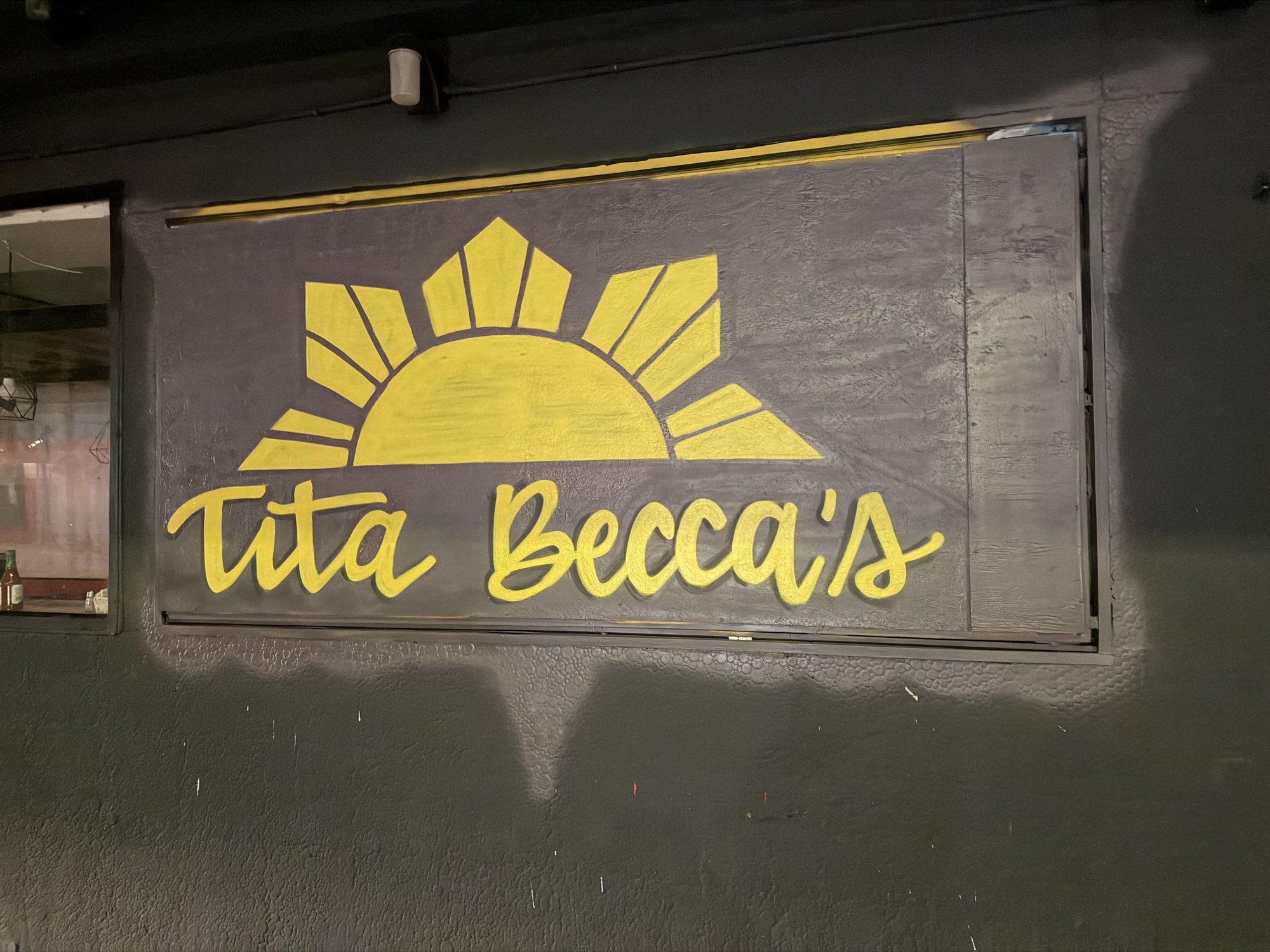
Where Oakland's Filipino Table Lives
Walk into almost any serious conversation about Bay Area Filipino food and Oakland comes up before San Francisco does. The city's Fruitvale and adjacent corridors have long carried a Filipino-American population whose culinary identity runs deeper than weekend food festivals and occasional pop-ups. That community infrastructure is what makes restaurants like Tita Becca's possible: they exist not as novelty propositions for a curious dining public, but as functioning neighborhood tables with regulars who measure quality against home cooking, not against a restaurant category.
That distinction matters. Filipino cuisine in the United States has spent the better part of two decades being described as "the next big thing" by food media, a label that tends to flatten what is actually a fragmented, region-specific tradition into a single exportable product. The kitchens doing the most interesting work tend to resist that framing. At one end of the spectrum sit fine-dining projects like Kasama in Chicago and Hapag in Makati, both of which have brought tasting-menu ambitions to Philippine flavors. Tita Becca's operates at the opposite end of that register, which is not a lesser position. It is a different one, and in many respects a harder one to sustain.
The Name as Program
Tita, meaning aunt in Filipino, is not incidental branding. It is a declaration of the cooking's intended register. The comparison set here is not other restaurants. It is the memory of a specific kind of food: the pots left on the stove in a relative's house, the sourness of sinigang calibrated to a particular family's preference, the adobo that tastes different from any recipe you've read because the ratios were never written down. That is the tradition Tita Becca's is working within, and it asks to be evaluated on those terms.
Across Oakland's immigrant and diaspora dining corridors, that ethos appears in several forms. alaMar Dominican Kitchen applies a similar logic to Caribbean cooking, foregrounding household technique over restaurant spectacle. Cafe Colucci does comparable work within Ethiopian tradition. What unites these places is that their frame of reference is internal to the cuisine, not external to the dining market.
Filipino Home Cooking and What It Actually Involves
Home-style Filipino cooking is more technically demanding than the label implies. Sinigang requires a souring agent (tamarind, kamias, green mango, or calamansi, depending on region and household) balanced against a meat or seafood stock that has been built with patience. Kare-kare, the peanut-based stew traditionally served with fermented shrimp paste on the side, takes hours of reduction to reach the texture that makes the dish coherent. Lechon, in its proper form, involves a whole pig roasted over coals for the better part of a day. These are not dishes that can be rushed into a restaurant format without significant loss.
The leading Filipino-American restaurants working in this tradition manage the translation by narrowing their focus. They do fewer dishes, done properly, rather than broad menus assembled for coverage. Where the cooking demands fermentation, they source or make the right paste. Where a dish requires slow cooking, they build that time into the operation. This is not a style that lends itself to the kind of cellar-and-sommelier pairings that define tasting-menu Filipino dining at Kasama or the modernist formats of Lazy Bear in San Francisco. But the flavor architecture in a properly made kare-kare, layered between the richness of the peanut base and the sharp salinity of bagoong, is as complex as anything on a wine-forward tasting menu.
Oakland's Dining Texture Around It
Tita Becca's sits within an Oakland dining ecosystem that has grown considerably more specific over the past several years. The city's food culture has moved past the broad category of "Bay Area dining" and developed its own character: more neighborhood-anchored, more diaspora-driven, less performative than much of what happens across the bay. Spots like 3 Bottled Fish, 8th St Cafe, and Agave Uptown each reflect a similar logic: specific culinary traditions executed for communities that know those traditions from the inside, not just from restaurant exposure.
That environment creates a knowledgeable regular base, which is the most demanding and most useful audience a restaurant serving this kind of food can have. It also creates genuine competition. Alem's Coffee draws a similarly rooted Ethiopian-diaspora audience a few miles away. These places are not competing against fine-dining destinations like The French Laundry in Napa, Providence in Los Angeles, or Addison in San Diego. They are competing against the standard set by households, which is a different and in some ways stricter benchmark.
For a broader picture of where Tita Becca's fits within Oakland's full dining range, the EP Club Oakland restaurants guide covers the city across price points and cuisine categories.
Planning Your Visit
Because no current booking data, hours, or address are confirmed in our database, readers planning a visit should search directly for current contact and reservation details before going. Filipino restaurants operating in this neighborhood-table register often keep limited hours and adjust based on seasonal ingredient availability, so checking current information close to your visit date is practical advice rather than a caveat. The format is likely to reward showing up without rigid expectations about which dishes are available on a given day.
Comparable Options
Comparable options at a glance, pulled from our tracked venues.
| Venue | Cuisine | Price | Notes |
|---|---|---|---|
| Tita Becca’s | Filipino | This venue | |
| Daytrip Counter | |||
| Sirene | |||
| Peña’s Bakery | |||
| Puerto Rican Street Cuisine | |||
| Cafe Colucci |
Continue exploring
More in Oakland
Restaurants in Oakland
Browse all →
Bars in Oakland
Browse all →
Hotels in Oakland
Browse all →





At a Glance
:null