Puerto Rican Street Cuisine

Our verdict
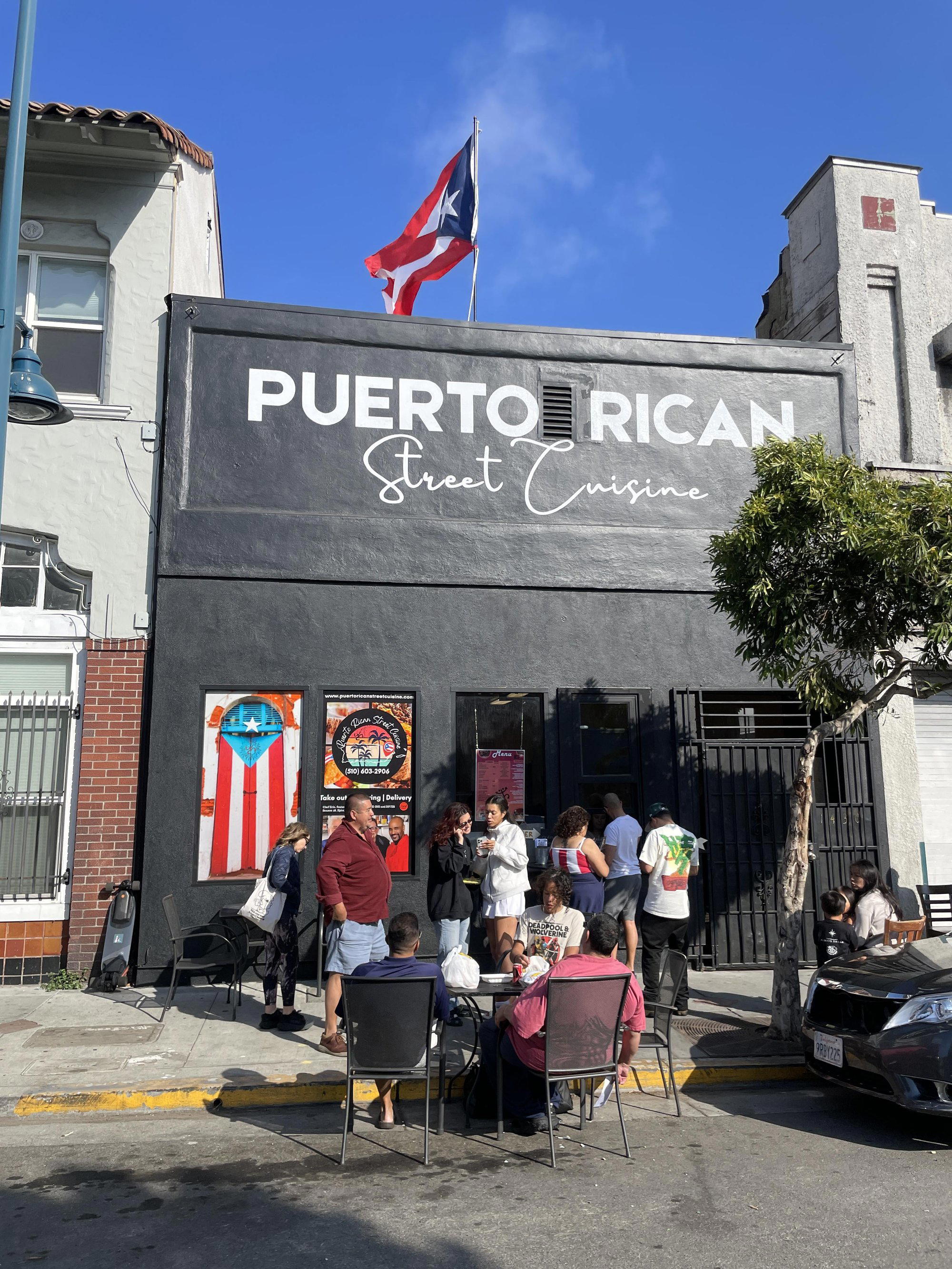
Named among the San Francisco Chronicle's Best New Bay Area Restaurants in 2025, Puerto Rican Street Cuisine brings the cooking of the island to East Oakland's 23rd Avenue corridor. In a Bay Area dining scene where Caribbean food rarely gets serious editorial attention, this arrival signals something worth tracking. The address puts it squarely in a neighbourhood reshaping how Oakland's food identity gets written.

Pearl is the En Primeur Club membership app, where members save venues, book tables and use the concierge.
The menu
What to order
- Pollo Encebollado
- Pernil
- Arroz con Gandules
- Maduros
East Oakland's Food Identity, One Block at a Time
The stretch of 23rd Avenue in East Oakland has never been the address that food writers reach for first. That is, in part, what makes it interesting. Oakland's dining conversation has long centered on Temescal, Uptown, and the Grand Lake corridor, while neighborhoods further east have generated less column space despite housing some of the city's most direct and ingredient-honest cooking. Puerto Rican Street Cuisine, located at 1430 23rd Ave, sits inside that broader eastward shift in where meaningful Oakland food is actually being made.
The Bay Area has a well-documented problem with Caribbean representation. Cuban, Haitian, and Puerto Rican cooking each hold deep culinary traditions, but in a region where the food conversation defaults quickly to Japanese technique, Cal-Med produce worship, or Mexican regional cuisine, those traditions have struggled for footing. A Puerto Rican street food operation earning a place on the San Francisco Chronicle's Leading New Bay Area Restaurants list for 2025 is a data point worth examining, not just as a restaurant award but as evidence that the editorial establishment is finally scanning a wider frequency.
What Street Cuisine Means in This Context
Puerto Rican street food has a specific vocabulary. Alcapurrias, tostones, mofongo, pernil, and lechón carry the kind of technique-and-time logic that mirrors any serious culinary tradition: masa and yautía worked to texture, plantain fried twice and pressed, pork slow-cooked until the fat renders into the meat. These are not simple preparations dressed down by the word "street." Street in this context means direct, accessible, and unmediated by the kind of fine-dining scaffolding that often distances a dish from its source culture.
That directness is exactly what distinguishes the better end of the street food category. Venues that execute this kind of cooking without formality do not arrive at simplicity by accident. They arrive there by knowing the tradition well enough to trust it. The Chronicle's recognition in 2025 suggests Puerto Rican Street Cuisine is operating at the level where that knowledge shows.
For context on how rare that recognition is: the Chronicle's Leading New Restaurants list across recent years has skewed toward multi-course tasting formats and chef-driven fine dining. To appear alongside venues in that tier, operating from a street food format in East Oakland, positions Puerto Rican Street Cuisine in a peer conversation that goes well beyond the immediate neighborhood.
23rd Avenue and the Eastward Drift
East Oakland's food geography is shifting. The factors driving that shift include lower commercial rents relative to the city's western and northern corridors, a resident population with strong connections to Latin American and Caribbean food traditions, and a generation of operators who are not waiting for the established food press to discover them before opening. Puerto Rican Street Cuisine's address on 23rd Avenue places it in this current: a neighborhood where the cooking predates the coverage, not the other way around.
This matters for how the experience reads on arrival. The surrounding blocks are working Oakland, not a dining district curated for out-of-neighborhood visitors. That's not a caveat; it's the point. Some of the most direct and precise cooking in any city happens in exactly these contexts, away from the pressure of making a room feel like a destination. The food carries the visit.
For those mapping a broader Oakland eating day, the city offers useful triangulation. Daytrip Counter and JUNE'S PIZZA represent other recent Oakland arrivals getting serious attention, while Popoca adds a Mexican regional counterpoint in the city's broader Latin American dining picture. Together, they form a city whose food identity is being written from multiple neighborhoods simultaneously, not from a single corridor.
The Broader Bay Area Frame
The Bay Area's restaurant conversation tends to concentrate around a handful of reference points: The French Laundry in Napa, Lazy Bear in San Francisco, and Single Thread Farm in Healdsburg represent the formalist end of the spectrum, where the meal is an extended event and the price reflects that. At the other end, the street food and counter-service tier operates on entirely different terms: lower barriers, faster turnover, and a kind of cooking that doesn't ask you to commit to a three-hour evening.
What makes the Chronicle's 2025 recognition of Puerto Rican Street Cuisine worth noting is precisely that it bridges those worlds in recognition, if not in format. The award signals that serious editorial attention is no longer confined to white-tablecloth formats. That shift has been happening in cities like New York and Chicago, where venues such as Atomix and Alinea exist alongside street-level operations that get equivalent critical column space. The Bay Area, historically more resistant to that flattening of the coverage hierarchy, appears to be moving in the same direction.
Nationally, the conversation about which cooking traditions deserve serious food press has widened considerably. Emeril's in New Orleans helped put Southern Louisiana cooking on the fine-dining map decades ago; more recently, operations like Providence in Los Angeles and Le Bernardin in New York City have demonstrated that ingredient-forward cooking in any register can attract sustained critical attention. Puerto Rican street cuisine arriving in that conversation, from East Oakland, is part of the same long arc.
Planning a Visit
Puerto Rican Street Cuisine is located at 1430 23rd Ave, Oakland, CA 94606. Given its street food format and the volume that Chronicle recognition typically drives, walk-in availability is worth considering against timing, particularly around lunch and early evening when street food operations in this category tend to peak. Phone and booking information are not listed, so arriving during off-peak hours or early in service is the practical approach for anyone hoping to eat without a wait. For Oakland visitors building a longer itinerary, the full Oakland restaurants guide covers the wider field, with additional context available through the Oakland hotels guide, bars guide, wineries guide, and experiences guide.
Frequently asked questions
Where is Puerto Rican Street Cuisine in Oakland?
Puerto Rican Street Cuisine is located at 1430 23rd Ave, Oakland, CA 94606, Oakland.
What awards or recognition does Puerto Rican Street Cuisine have?
Puerto Rican Street Cuisine has received recognition including: San Francisco Chronicle Best New Bay Area Restaurants (2025).
What do regulars order at Puerto Rican Street Cuisine?
The menu draws from the core vocabulary of Puerto Rican street food: alcapurrias, tostones, mofongo, and slow-roasted proteins like pernil. These are dishes built on technique and time rather than shortcuts, which is what earned the spot its 2025 San Francisco Chronicle Best New Bay Area Restaurants recognition. Specific current menu items are best confirmed directly with the venue at 1430 23rd Ave.
Do they take walk-ins at Puerto Rican Street Cuisine?
The street food format at 1430 23rd Ave, Oakland suggests a walk-in-friendly operation, but Chronicle recognition in 2025 has a way of compressing available space quickly. Arriving early or checking current hours directly with the venue is the practical approach until confirmed booking details are published.
The Quick Read
| Venue | Cuisine | Price | Awards |
|---|---|---|---|
| Puerto Rican Street CuisineThis venue (the venue you are viewing) | Puerto Rican Street Food | $20–30 | Not listed |
| Daytrip Counter | California Rotisserie Chicken | $20–30 | Star Wine List |
| JUNE'S PIZZA | Wood-Fired Artisan Pizza | $20–30 | Esquire Best New Restaurants |
| Popoca | Progressive Salvadoran Wood-Fire | $50–100 | Michelin Plate |
Recognition history
Dated appearances from independent guides and award organizations, with the underlying list record or original source where available.
San Francisco Chronicle Best New Bay Area Restaurants
San Francisco Chronicle
Continue exploring
More in Oakland
Restaurants in Oakland
All restaurants in Oakland →

Bars in Oakland
All bars in Oakland →











Details
- Rustic
- Cozy
- Casual Hangout
- Open Kitchen
- A La Carte
- Vegetarian Friendly
Current opening hours
- Monday
- Closed
- Tuesday
- 12–8 PM
- Wednesday
- 12–8 PM
- Thursday
- 12–8 PM
- Friday
- 12–8 PM
- Saturday
- 12–8 PM
- Sunday
- 12–6 PM
Hours can change for holidays and private events. Hours as of .
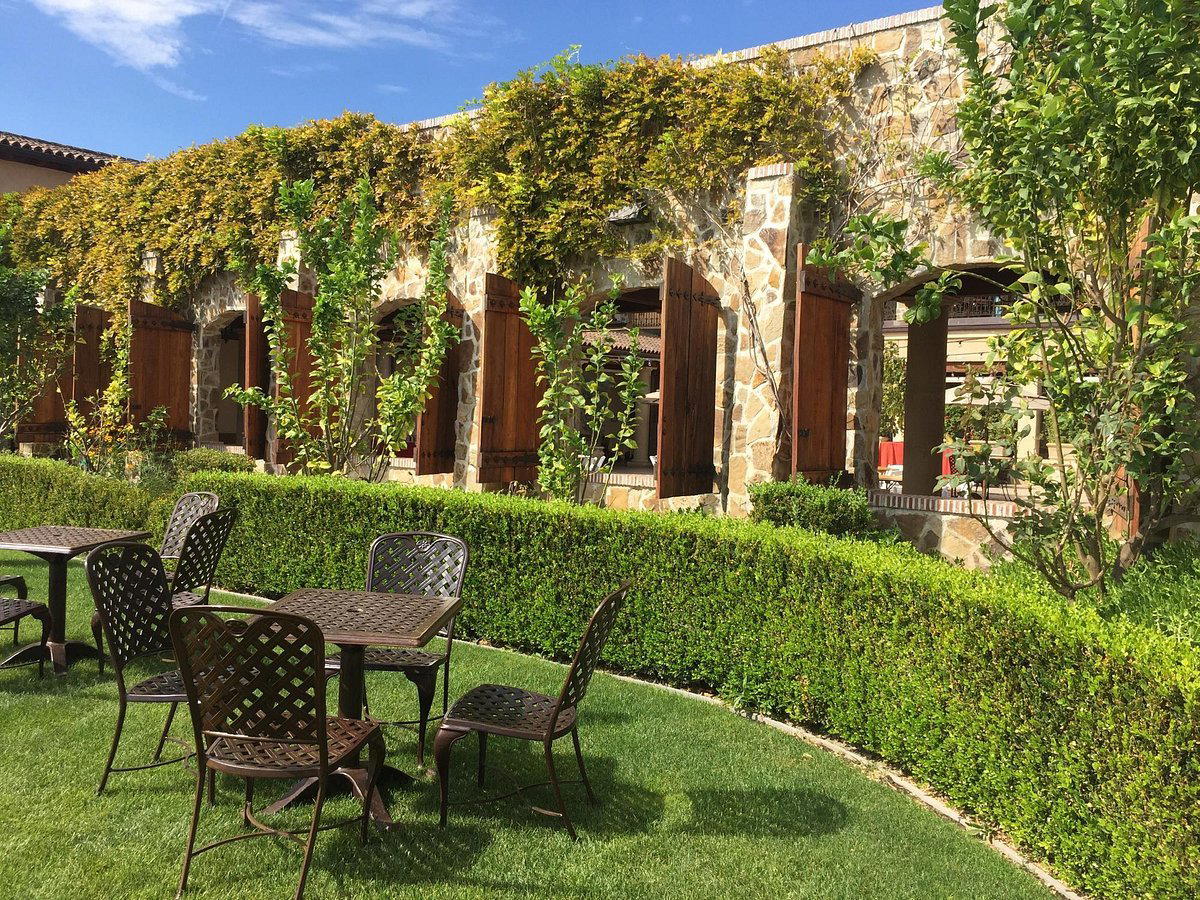
Casual street-side atmosphere with a few outdoor tables and a hidden back patio for relaxed, flavorful meals.