Cafe Colucci

Our verdict
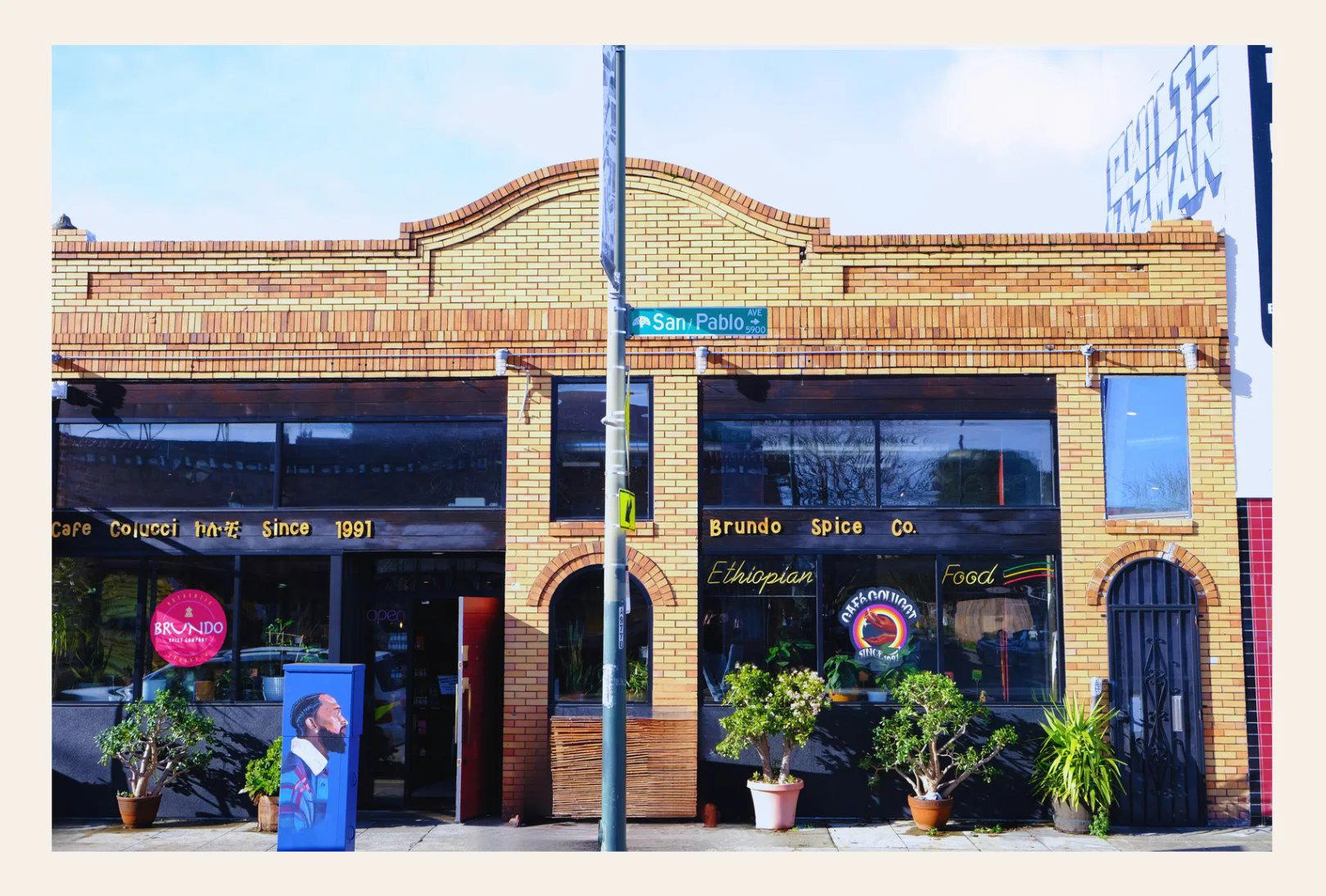
One of Oakland's foundational Ethiopian restaurants, Cafe Colucci has operated for more than three decades, relocating in 2022 to a larger space on the Oakland-Emeryville border. Founded by Fetlework Tefferi, the restaurant represents the kind of long-tenured, community-rooted dining that defines North Oakland's food culture. The communal table format and injera-centered meal structure make it a reliable reference point for Ethiopian dining in the East Bay.

Pearl is the En Primeur Club membership app, where members save venues, book tables and use the concierge.
The menu
What to order
- Vegetarian sampler
- Meat sampler
- Sambusas
Eating with Your Hands in Oakland: The Ethiopian Table at Cafe Colucci
San Pablo Avenue, running through North Oakland into Emeryville, carries a specific kind of institutional weight in the East Bay food scene. This is not a street of trend-chasing openings but of long-running neighborhood anchors, the sort of places that accumulate decades of regulars before a wider audience notices they exist. Cafe Colucci, which Fetlework Tefferi founded in 1991 and has operated for over thirty years, belongs firmly to that category. When it relocated in 2022 to a building twice the size on the Oakland-Emeryville border, it did so not as a reinvention but as an expansion of something that had already proven itself over a generation.
Ethiopian dining at this tier in the Bay Area occupies a distinct position relative to the city's more celebrated restaurant circuit. Tasting-menu driven rooms like Lazy Bear in San Francisco or destination properties like Single Thread Farm in Healdsburg operate through reservation scarcity and theatrical pacing. Cafe Colucci operates through a different kind of authority: the slow accumulation of community trust and the ritual logic of a cuisine that has been feeding Oakland's East African diaspora for three decades. These are different expressions of the same underlying value, which is food worth traveling for.
How the Meal Unfolds
The dining ritual at an Ethiopian restaurant is one of the more formalized in casual dining, and understanding its structure shapes the experience considerably. The meal arrives on a large shared platter lined with injera, the spongy, slightly sour flatbread made from teff flour that acts simultaneously as plate, utensil, and staple. Stews, braised vegetables, and legume preparations are portioned across the surface. There are no individual plates, no fork-and-knife choreography. You tear injera from the edge of the communal platter and use it to gather portions of each dish.
This format is not incidental to the cuisine; it is the cuisine's organizing principle. Sharing is structural, not optional. A table of two gets the same broad spread as a table of six, just scaled accordingly. The pacing is determined less by a server's timing than by the table's own appetite and conversation. Dishes do not arrive in courses; they arrive together, encouraging the kind of lateral grazing that Western tasting menus approximate with considerably more ceremony. At restaurants like Alinea in Chicago or Atomix in New York City, the meal's pacing is controlled by the kitchen. At Cafe Colucci, the table controls it, which suits the neighborhood format entirely.
For first-time visitors, a combination platter covering both meat and vegetarian preparations gives the broadest reading of the kitchen's range. The vegetarian spread in Ethiopian cooking is not a concession to dietary preference but a tradition rooted in Orthodox Christian fasting days, when meat is restricted. A well-constructed vegetarian combination at a kitchen of this standing will typically include multiple lentil preparations, spiced greens, and chickpea dishes, each distinct in seasoning and texture despite drawing from a shared spice vocabulary built around berbere and niter kibbeh.
Thirty Years of North Oakland Context
Opening in 1991 as an Italian cafe before pivoting to Ethiopian cuisine, Cafe Colucci predates the wave of East Bay dining attention that began drawing national food writers across the Bay Bridge in the 2010s. For most of its history, it served a specific community without much need for broader validation. That kind of longevity in a single city neighborhood, operating through multiple economic cycles and shifts in dining fashion, constitutes its own form of credential.
Oakland's food culture has a complicated relationship with recognition. Several of its most important restaurants operate at price points and in formats that don't attract the same critical apparatus that drives coverage of places like Le Bernardin in New York City or The French Laundry in Napa. The city's strength lies in restaurants built around specific communities and long-practiced traditions rather than in destination tasting menus. Cafe Colucci is a clear example of that pattern, and its 2022 relocation to a larger space suggests demand that has compounded rather than faded over time.
The broader San Pablo corridor has a cluster of food businesses worth knowing. Alem's Coffee represents the Ethiopian coffee tradition that is as central to the culture as the food, and pairing a meal at Cafe Colucci with a coffee ceremony elsewhere gives a more complete picture of East African hospitality in Oakland. The East Bay's broader dining scene, covered in our full Oakland restaurants guide, maps this kind of neighborhood-anchored eating across the city. For those building a longer stay around the food, our full Oakland hotels guide covers accommodation options, and our full Oakland bars guide rounds out the evening picture.
What to Know Before You Go
The 2022 move doubled Cafe Colucci's footprint, which eased the capacity constraints that had historically made weekend visits difficult. The larger space accommodates groups more comfortably than the original North Oakland location, and the communal-platter format makes it genuinely well-suited to tables of four to six, where the variety of a combination platter pays off most. Families eat here regularly; the format is inherently child-friendly in that dishes arrive visually and texturally diverse across a single shared surface, and injera is engaging for younger diners in a way that a plate of composed food often is not.
Cafe Colucci sits closer to the Emeryville BART and bus connections than many Oakland dining destinations, making it accessible without a car from San Francisco or Berkeley. The address at 5849 San Pablo Ave puts it on a commercial stretch with parking available, which matters for groups arriving from across the East Bay.
Nearby on the Oakland dining circuit: Daytrip Counter and 3 Bottled Fish represent the newer generation of Oakland food businesses, while JUNE'S PIZZA and Peña's Bakery sit in the category of neighborhood institutions with their own dedicated followings. Together, they map a city where longevity and community rootedness carry as much weight as recent critical attention. For those extending their visit beyond food, our full Oakland experiences guide and our full Oakland wineries guide cover the wider East Bay picture.
Frequently asked questions
Is Cafe Colucci good for families?
Ethiopian dining is structurally well-suited for groups and families: dishes arrive on a shared platter lined with injera, which removes the ordering pressure of individual plates. Cafe Colucci's 2022 move to a space twice the size of its original North Oakland location means the larger party sizes that once strained capacity are easier to accommodate now.
What should I expect atmosphere-wise at Cafe Colucci?
The current address on the Oakland-Emeryville border is a significant step up in physical scale from the original San Pablo Ave location the restaurant occupied for over 30 years. Expect a dining room that reflects the seriousness of a place founded in 1991 and rebuilt for longevity, rather than the tight quarters that characterized the earlier space.
Is Cafe Colucci award-winning?
Cafe Colucci has received recognition including: Cafe Colucci, one of Oakland’s pioneering Ethiopian restaurants, is at the top of its game. Founded by Fetlework Tefferi in 1991, initially as an Italian cafe, the restaurant operated in North Oakland for over 30 years before [relocating to….
What do people recommend at Cafe Colucci?
Cafe Colucci built its reputation on Ethiopian cooking after pivoting from its original Italian cafe concept, and the injera-based communal platters are the core of what draws regulars back. The SF Chronicle covered the 2022 relocation as a significant moment for one of Oakland's pioneering Ethiopian restaurants, which signals that the kitchen's output is the anchor, not any single dish.
Where is Cafe Colucci in Oakland?
Cafe Colucci is located at 5849 San Pablo Ave, Oakland, CA 94608, Oakland.
How hard is it to get a table at Cafe Colucci?
The 2022 move doubled the restaurant's footprint specifically because the original North Oakland location struggled with weekend capacity. The larger space on the Oakland-Emeryville border has eased that pressure, making walk-in visits more viable than they were for most of the restaurant's 30-plus-year run.
What's the signature at Cafe Colucci?
Cafe Colucci is one of Oakland's defining Ethiopian restaurants, and the format itself is the signature: shared injera platters that function as both plate and utensil, eaten communally. Founded by Fetlework Tefferi in 1991, the restaurant's staying power across more than three decades on San Pablo Avenue is the clearest measure of what it does well.
Cuisine and Awards Snapshot
| Venue | Cuisine | Price | Awards |
|---|---|---|---|
| Cafe ColucciThis venue (the venue you are viewing) | Authentic Ethiopian | $20–30 | Not listed |
| JUNE'S PIZZA | Wood-Fired Artisan Pizza | $20–30 | Esquire Best New Restaurants |
| Popoca | Progressive Salvadoran Wood-Fire | $50–100 | Michelin Plate |
| À Côté | Mediterranean Small Plates | $50–100 | Star Wine List |
| Daytrip Counter | California Rotisserie Chicken | $20–30 | Star Wine List |
| Puerto Rican Street Cuisine | Puerto Rican Street Food | $20–30 | Not listed |
Recognition history
Dated appearances from independent guides and award organizations, with the underlying list record or original source where available.
San Francisco Chronicle Top 100 Bay Area Restaurants #82
San Francisco Chronicle
Continue exploring
More in Oakland
Restaurants in Oakland
All restaurants in Oakland →
Bars in Oakland
All bars in Oakland →



Details
- Cozy
- Lively
- Casual
- Group Dining
- Family
- Casual Hangout
- Open Kitchen
- Terrace
- Family Style
- A La Carte
- Vegetarian Friendly
- Vegan Options
- Gluten Free Options
Current opening hours
- Monday
- 5–10 PM
- Tuesday
- 5–10 PM
- Wednesday
- 5–10 PM
- Thursday
- 11 AM–2:30 PM, 5–10 PM
- Friday
- 11 AM–2:30 PM, 5–10 PM
- Saturday
- 11 AM–2:30 PM, 5–10 PM
- Sunday
- 11 AM–2:30 PM, 5–10 PM
Hours can change for holidays and private events. Hours as of .
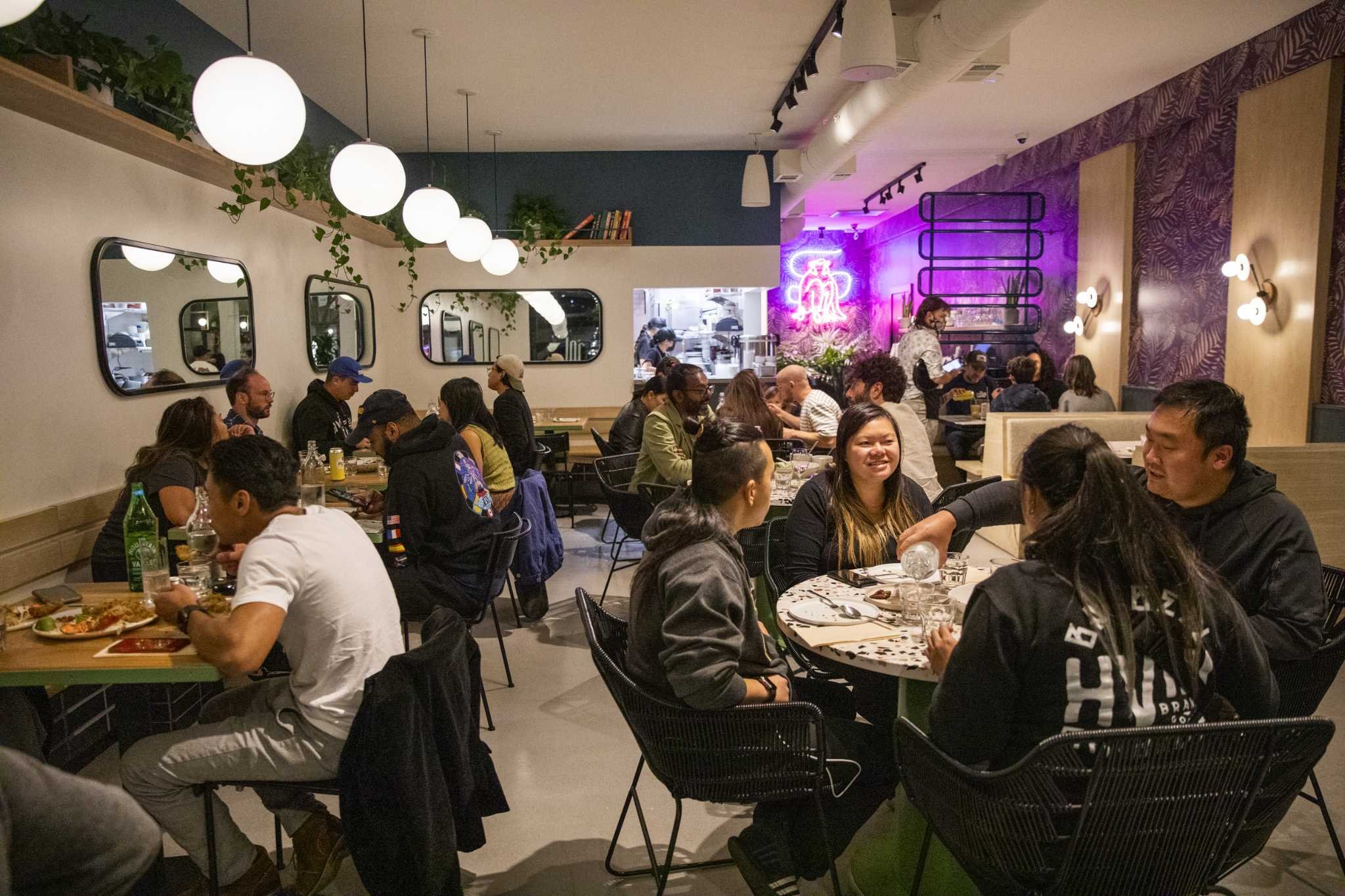
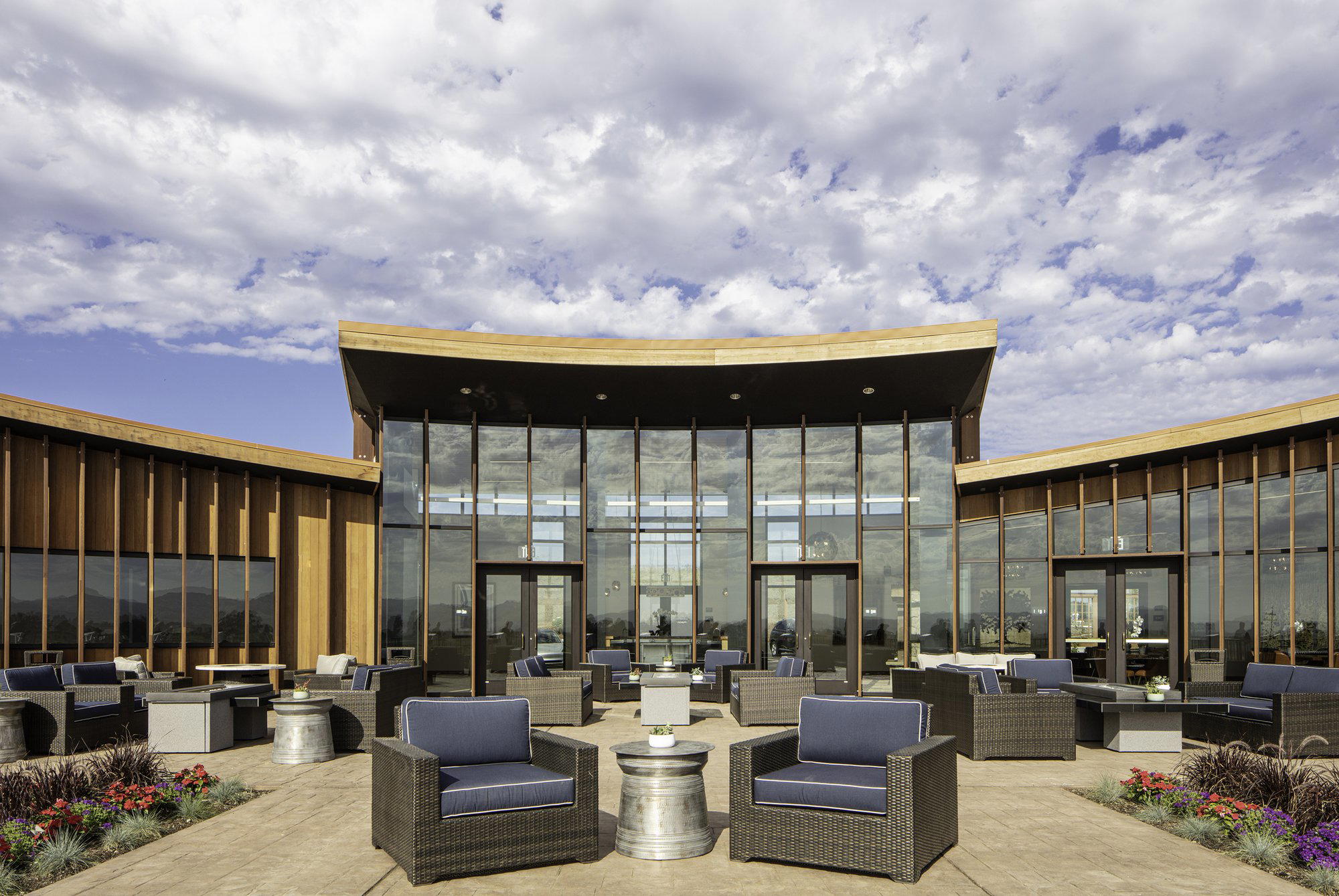
Cozy and beautifully lit warm space with laid-back friendly atmosphere and serene patio.