Addison









.png?width=120&quality=80)

3 Michelin Stars · World's 50 Best #31 · La Liste Top Restaurants
Our verdict
Addison is San Diego’s high-form tasting-menu address for California gastronomy, framed through French technique, regional produce, and a resort setting that keeps the room insulated from the city’s casual dining tempo. William Bradley’s kitchen carries heavy external validation, including La Liste 95 points for 2026, Les Grandes Tables du Monde membership, and an Opinionated About Dining North America ranking.

Pearl is the En Primeur Club membership app, where members save venues, book tables and use the concierge.
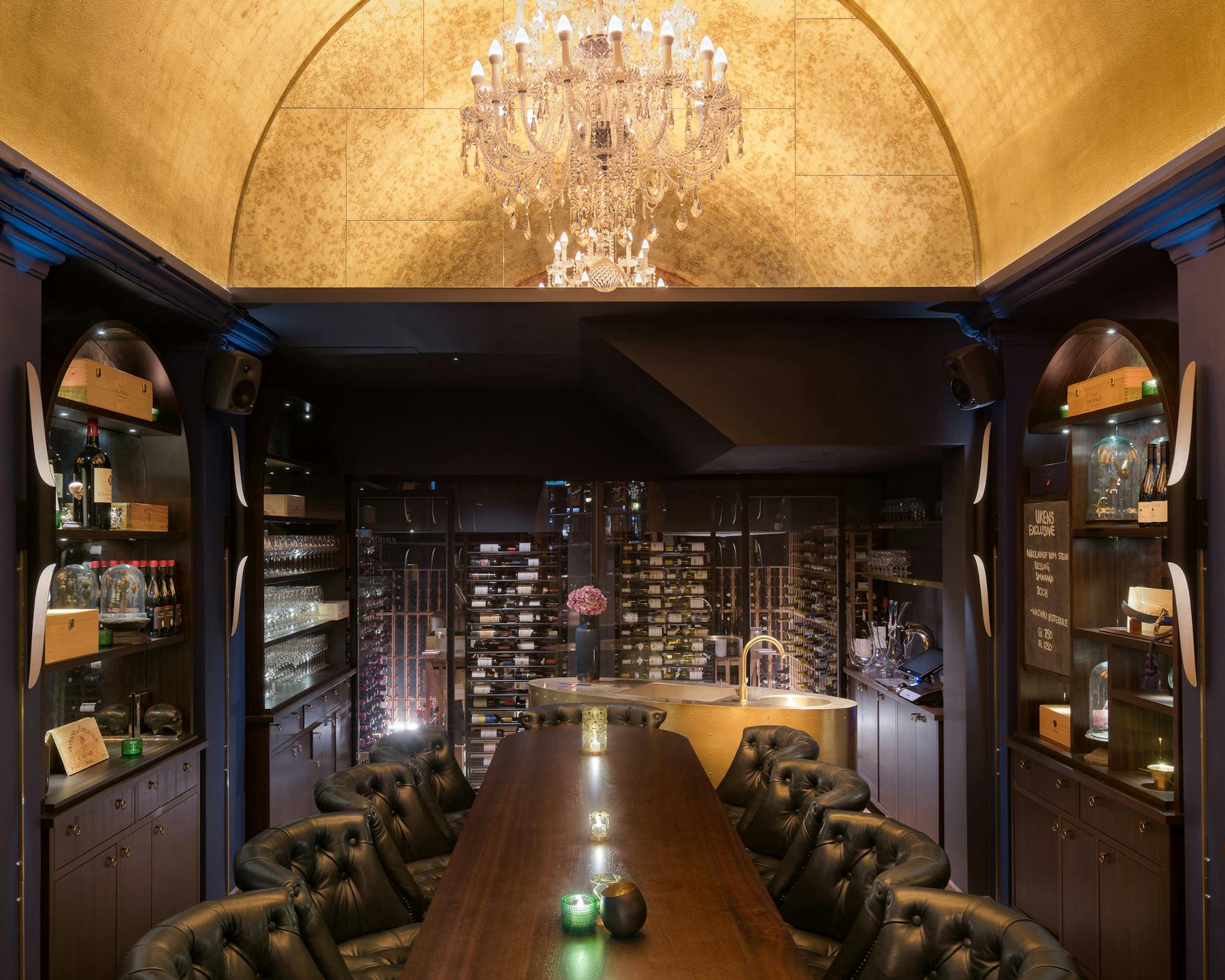
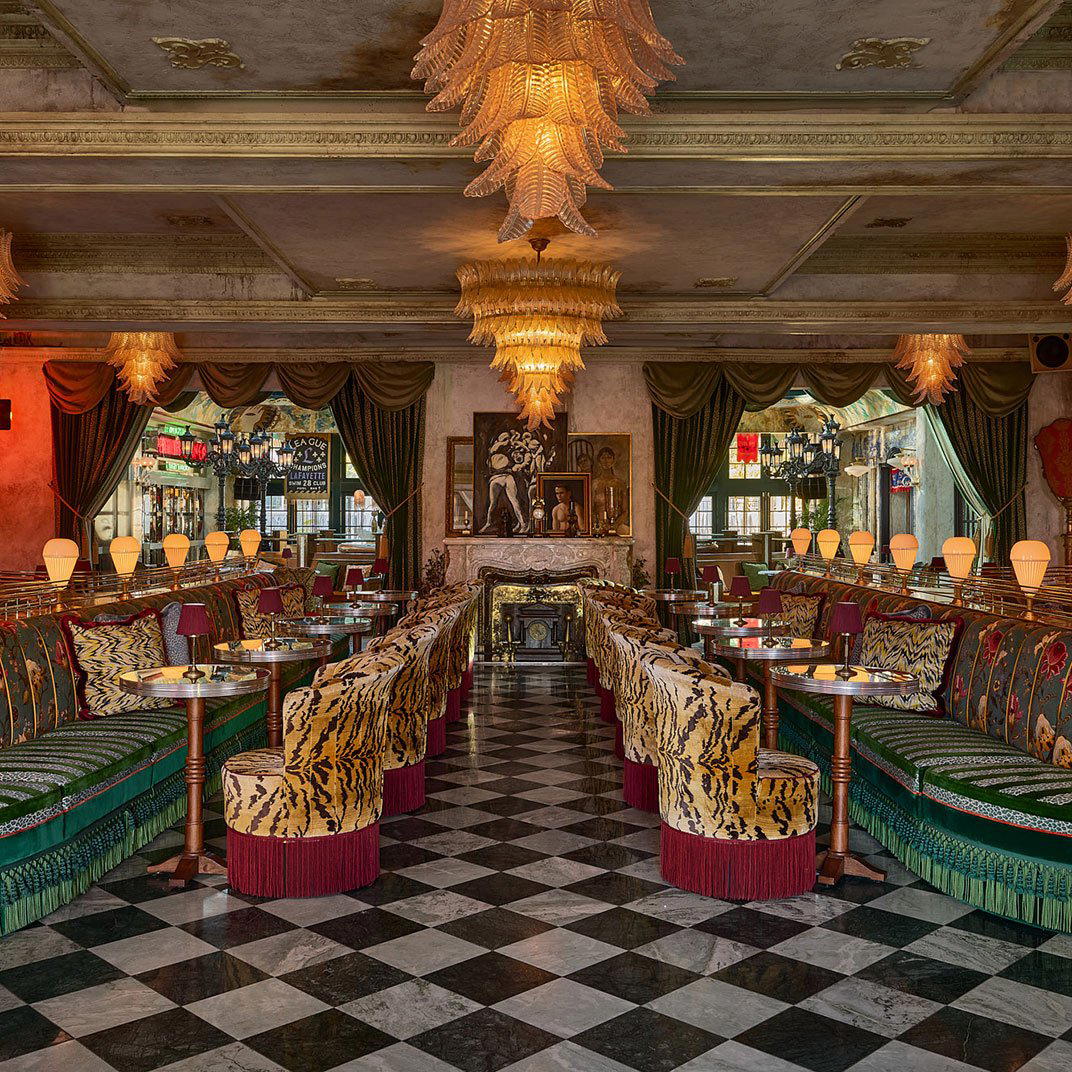
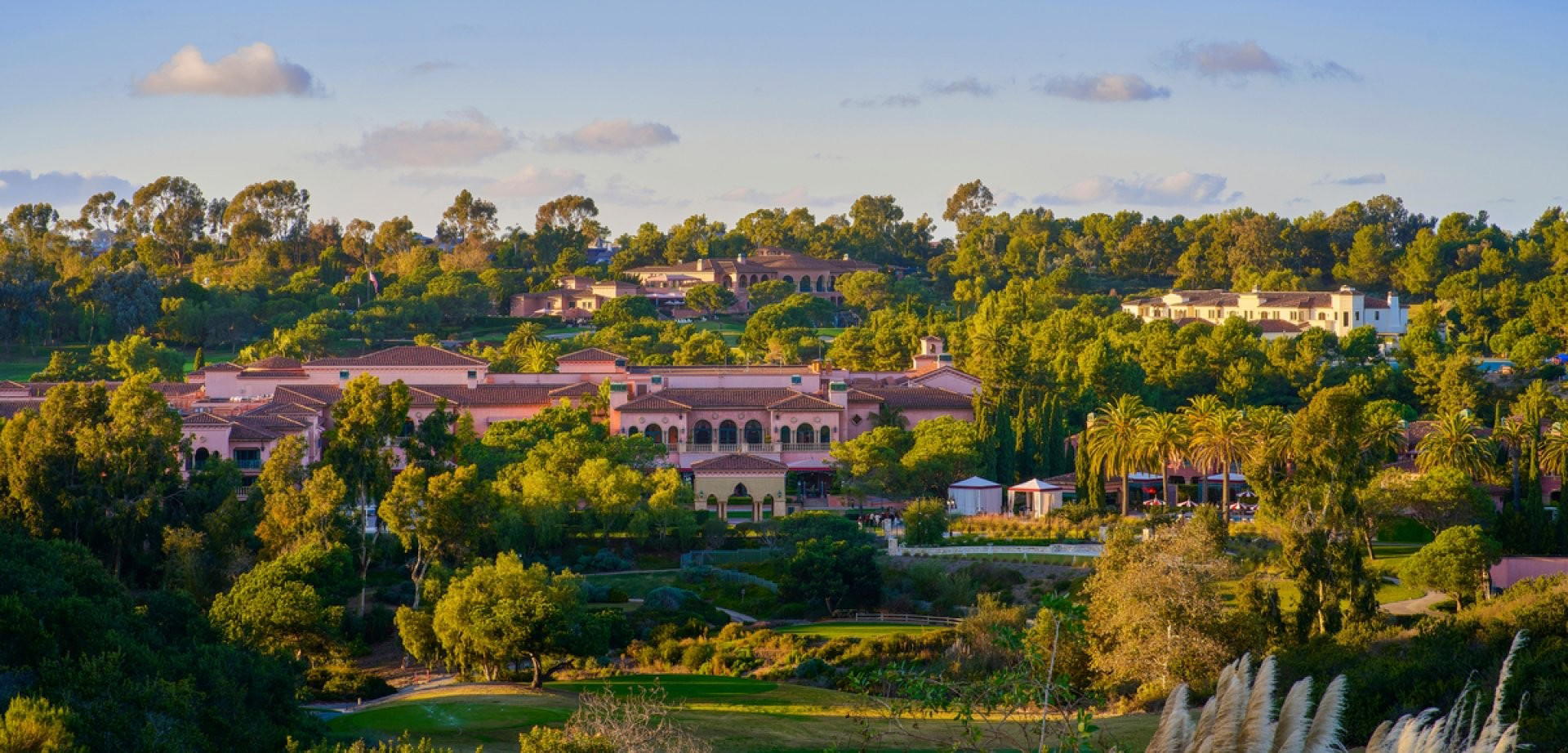
Arrival here feels deliberately removed from San Diego’s beach-and-brewery rhythm. The approach through Fairmont Grand Del Mar sets a slower register: manicured resort grounds, a formal dining room, and the kind of hush that tells guests the evening is built around a sequence rather than a quick order. That matters, because Southern California fine dining often has to prove it can be precise without losing its regional looseness. Addison answers that tension through California gastronomy, a phrase the restaurant uses pointedly, and the stronger reading is not as branding but as a claim about provenance: local ingredients, coastal influence, and French discipline brought into a San Diego context.
San Diego’s restaurant identity is often discussed through tacos, seafood, craft beer, and cross-border cooking, all essential parts of the city’s table. Fine dining sits in a narrower lane. At this price level, the question is not whether the room feels luxurious; it is whether the cooking gives the region a language serious enough to compete beyond the county. Addison’s recognition suggests that it does. La Liste scores it at 95 points for 2026, Opinionated About Dining ranks it No. 22 in North America for 2026, and Les Grandes Tables du Monde includes it among its member restaurants. Those signals place the restaurant in a dining tier judged by tasting-menu coherence, wine depth, service rhythm, and a clear sense of place rather than by novelty.
California gastronomy with French structure, not resort dining by default
The useful way to read the cooking is through structure. The cuisine is listed as French and Contemporary, yet the restaurant’s own language centers California gastronomy, which shifts attention from imported luxury cues to regional identity. In Southern California, that can mean produce-led brightness, Pacific seafood, citrus, herbs, and a lighter hand than the old grand-restaurant model. The French component gives the meal its architecture: progression, sauce work, pacing, and a formal service grammar. The California component gives it reason to exist in San Diego rather than anywhere else.
William Bradley’s role is relevant because continuity matters in this category. Tasting-menu restaurants at this level are judged over years, not seasons, and Bradley’s name appears consistently across the restaurant’s external recognition. The stronger point, though, is broader than biography: San Diego has relatively few rooms that try to define regional fine dining at this level of formality. Addison occupies that role with a ten-course tasting-menu format and a stated focus on regional ingredients and Southern California influences. The format asks guests to commit to the kitchen’s sequence, which suits a restaurant trying to make an argument about place rather than offer a broad à la carte survey.
That argument also separates it from much of the city’s dining culture. For a wider read on the local range, Our full San Diego restaurants guide maps the city across casual, coastal, hotel, and destination dining. Within that wider field, addresses such as 1450 El Prado, 1500 Ocean, 94th Aero Squadron, 94th Aero Squadron San Diego, and A L’Ouest (French-California) show how varied the city’s dining register can be, from civic park settings to coastal and French-California references. Addison sits at the formal end of that spectrum, where the experience is less about neighborhood spontaneity and more about controlled progression.
Wine depth is part of the meal's architecture
At this level, the cellar is not decoration. Addison’s wine program lists strengths across Burgundy, California, Rhône, Bordeaux, Italy, Champagne, and Germany, with 2,800 selections and an inventory of 10,000 bottles. That scale changes how the meal can be read. A California-focused tasting menu can be paired locally, framed against Burgundy, sharpened with Champagne, or given contrast through German acidity. Sean McGinness is listed as wine director and general manager, with Natalie Martinez and James Mobbley listed as sommeliers, a staffing detail that points to a wine program managed as a central part of service rather than an afterthought.
The corkage fee is listed at $175, which also tells experienced diners where the restaurant sees itself: this is a cellar-led room, not a place quietly encouraging outside bottles. Wine pricing is marked $$$, with many bottles above $100, and that aligns with a tasting-menu environment where beverage spend can materially change the final bill. The more interesting point is not expense alone, but range. A cellar with this breadth can support the restaurant’s regional premise without becoming provincial. California wine has a natural place here, but Burgundy, Champagne, and Germany offer the tension and calibration that contemporary tasting menus often need.
San Diego travelers often plan meals alongside hotel, bar, winery, and experience decisions rather than treating dinner as a standalone event. The resort setting makes that especially true here. For adjacent planning, Our full San Diego hotels guide, Our full San Diego bars guide, Our full San Diego wineries guide, and Our full San Diego experiences guide give the surrounding city more shape. The practical distinction is simple: this is an evening built around dinner first, with the rest of the night arranged around that commitment.
How to place it within a wider West Coast dining itinerary
For travelers moving through California and the Pacific coast, the useful comparison is not to name a San Diego twin, because the city does not offer a direct match in the same category. The better move is to think in terms of dining purpose. A formal tasting menu in a resort enclave serves a different need than a compact sake-bar meal, a quick specialty stop, or a plant-based regional address. EP Club’s broader West Coast and Pacific coverage includes Jōdo Saké Bar in Los Angeles, Onigiri Time in Pasadena, ¿Por Qué No? in Portland, 'Ai Love Nalo in Waimanalo Beach, 'āina in San Francisco, and 'Ama 'Ama in Kapolei, each useful for a different reading of locality, format, and regional appetite.
French and contemporary dining also travels differently by city. EssenCiel, French, Contemporary in Leuven and Gabriel Kreuther, French, Contemporary in New York City show how the same broad cuisine labels can point toward distinct urban traditions. Addison’s version is anchored by Southern California rather than by European classicism or Midtown polish. That distinction is the reason to go: not for generic luxury, but for a formal attempt to translate San Diego’s region, ingredients, and climate into a full tasting-menu language.
The reader decision is therefore clear. Choose Addison when the night calls for a structured, high-spend dinner where awards, cellar depth, and regional intent all matter. Choose elsewhere when the priority is casual San Diego energy, walk-in flexibility, or a shorter meal. The restaurant’s power is its refusal to behave like the rest of the city’s dining room culture. It slows the evening down, narrows the choices, and asks California to carry the weight of a grand tasting menu.
Frequently asked questions
Is Addison child-friendly?
Addison is better suited to adults and older teenagers than young children. The restaurant serves a dinner-only, ten-course tasting menu under chef William Bradley, with pricing in the $$$ tier and a formal pace that rewards patient diners.
What should I expect atmosphere-wise at Addison?
Expect a refined dining room inside Fairmont Grand Del Mar in San Diego, with a Californian ambiance rather than resort-casual looseness. The room is built around a serious tasting-menu service, a large wine program, and the composure that comes with a 3-Michelin-star restaurant.
What's the cuisine at Addison?
Addison serves French, Contemporary cuisine.
What does dinner at Addison typically cost?
Pricing at Addison is listed as $$$$.
What are the operating hours at Addison?
Hours at Addison: Hours: Monday Closed Tuesday 5–11 pm Wednesday 5–11 pm Thursday 5–11 pm Friday 5–11 pm Saturday 5–11 pm Sunday Closed.
Where is Addison located?
Addison is located at 5200 Grand Del Mar Way, San Diego, CA 92130, San Diego.
A Pricing-First Comparison
Comparable venues nearby, for context on price, style, and recognition.
| Venue | Cuisine | Price | Awards | Notes |
|---|---|---|---|---|
| AddisonThis venue (the venue you are viewing) | Modern California Fusion Fine Dining | $300–500 | 3 Michelin Stars · World's 50 Best #31 | Not listed |
| Callie | Modern Mediterranean | $50–100 | Michelin Bib Gourmand · Wine Spectator Best of Award of Excellence | Downtown, Modern Mediterranean |
| Soichi | Modern Japanese Omakase | $150–200 | 1 Michelin Star | North Park, Modern Japanese Omakase |
| Sushi Tadokoro | Traditional Edomae-Style Omakase | $50–100 | Michelin Plate | Old Town San Diego, Traditional Edomae-Style Omakase |
| Trust | Modern American Wood-Fired Small Plates | $30–50 | Michelin Plate | Uptown, Modern American Wood-Fired Small Plates |
| Solare | Rustic Southern Italian | $50–100 | Michelin Plate · Wine Spectator Award of Excellence | Peninsula, Rustic Southern Italian |
Recognition history
Dated appearances from independent guides and award organizations, with the underlying list record or original source where available.
Michelin 3 Stars
Michelin
World's 50 Best North America's Best Restaurants #31
World's 50 Best
La Liste Top Restaurants
La Liste
Forbes 5-Star
Forbes
Les Grandes Tables du Monde Member
Les Grandes Tables du Monde
Full recognition history (19 entries)
Opinionated About Dining Top Restaurants in North America Ranked #22
Opinionated About Dining
Relais Chateaux Award
Relais Chateaux
Wine Spectator Grand Award
Wine Spectator
AAA 5 Diamond
AAA
La Liste Top Restaurants
La Liste
Michelin 3 Stars
Michelin
Opinionated About Dining Top Restaurants in North America Ranked #19
Opinionated About Dining
Relais Chateaux Award
Relais Chateaux
The Best Chef Three Knives
The Best Chef
Wine Spectator Grand Award
Wine Spectator
Michelin 3 Stars
Michelin
Opinionated About Dining Top Restaurants in North America Ranked #29
Opinionated About Dining
Opinionated About Dining Top Restaurants in North America Ranked #82
Opinionated About Dining
Robb Report 100 Greatest American Restaurants of the 21st Century #34
Robb Report
Continue exploring
More in San Diego
Restaurants in San Diego
All restaurants in San Diego →
Bars in San Diego
All bars in San Diego →
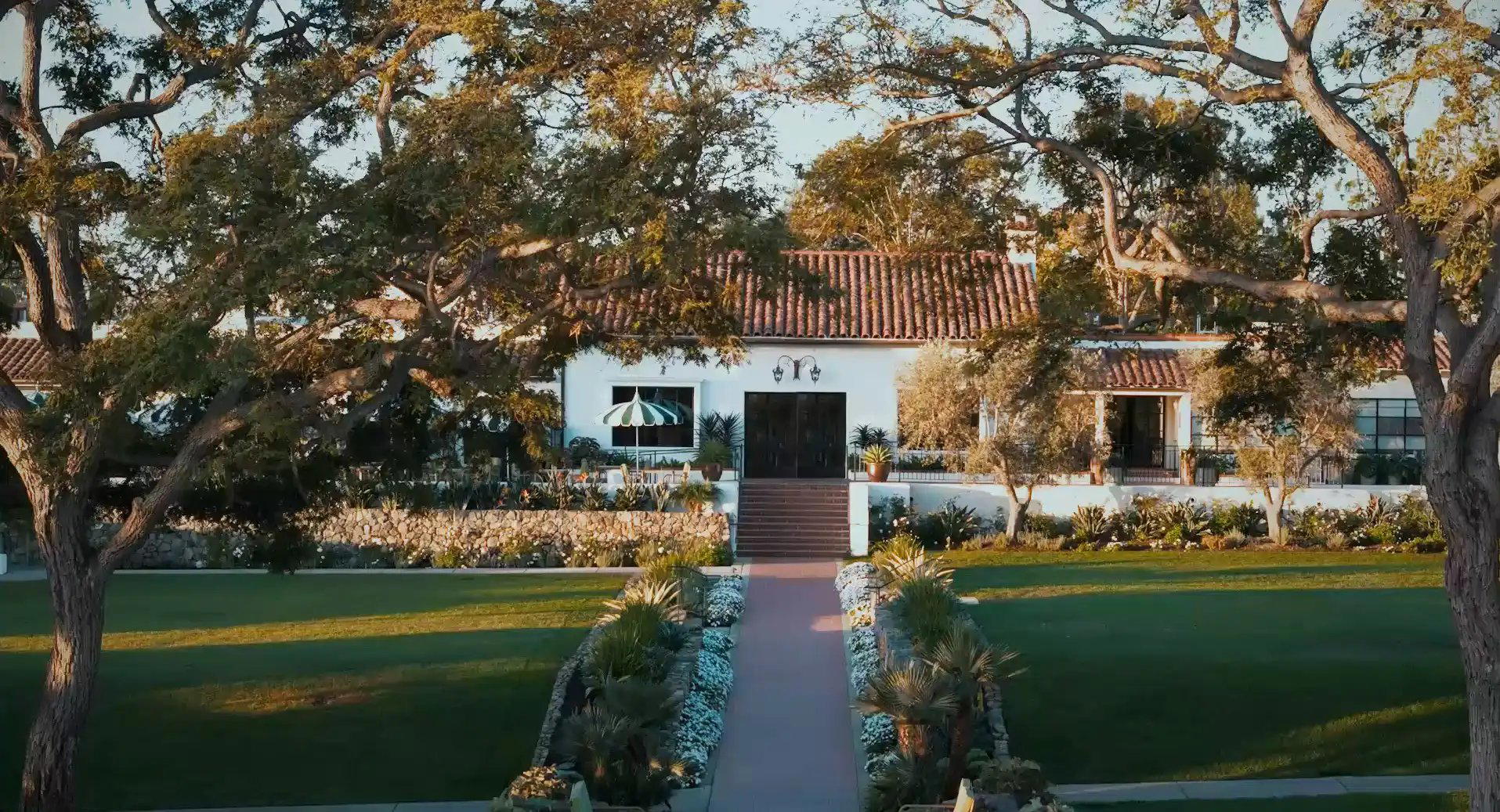
Addison
The wine
Addison holds the Wine Spectator Grand Award, which Wine Spectator gives to lists of usually 1,000 or more selections.
- Wine program
- Deep wine list
- Wine Spectator
- Wine Spectator Grand Award
- Selections
- 2,800
- Bottles in cellar
- 10,000
- List strengths
- Burgundy, California, Rhône, Bordeaux, Italy, Champagne, Germany
- Wine director
- Sean McGinness
- Extensive wine list
- Sommelier-led
Details
- Elegant
- Sophisticated
- Modern
- Intimate
- Date Night
- Special Occasion
- Celebration
- Open Kitchen
- Extensive Wine List
- Sommelier Led
- Local Sourcing
- Garden
- Tasting Menu
- Prix Fixe
- Vegetarian Friendly
- Allergy Accommodating
Current opening hours
- Monday
- Closed
- Tuesday
- 5–9 PM
- Wednesday
- 5–9 PM
- Thursday
- 5–9 PM
- Friday
- 5–9 PM
- Saturday
- 5–9 PM
- Sunday
- Closed
Hours can change for holidays and private events. Hours as of .
Sophisticated minimalist dining room with tasteful, elegant atmosphere, professional service, and relaxing setting amid waterfalls and gardens.