Tim Ho Wan
Tim Ho Wan at Uptown Mall in Taguig City brings the dim sum format that earned the original Hong Kong outlet a Michelin star to Metro Manila's most design-conscious retail district. The counter-and-table setup channels the stripped-back efficiency of classic Hong Kong tea houses, where the ritual of ordering by checkbox card and sharing bamboo steamers defines the meal as much as any individual dish.
Pearl is the En Primeur Club membership app — saves, bookings, and concierge access live there. Same editors, same standards.
- Address
- Uptown Mall (36th St cor 9th Ave), 1634 Taguig City
- Directions
- Get directions
 Saves & bookings on Pearl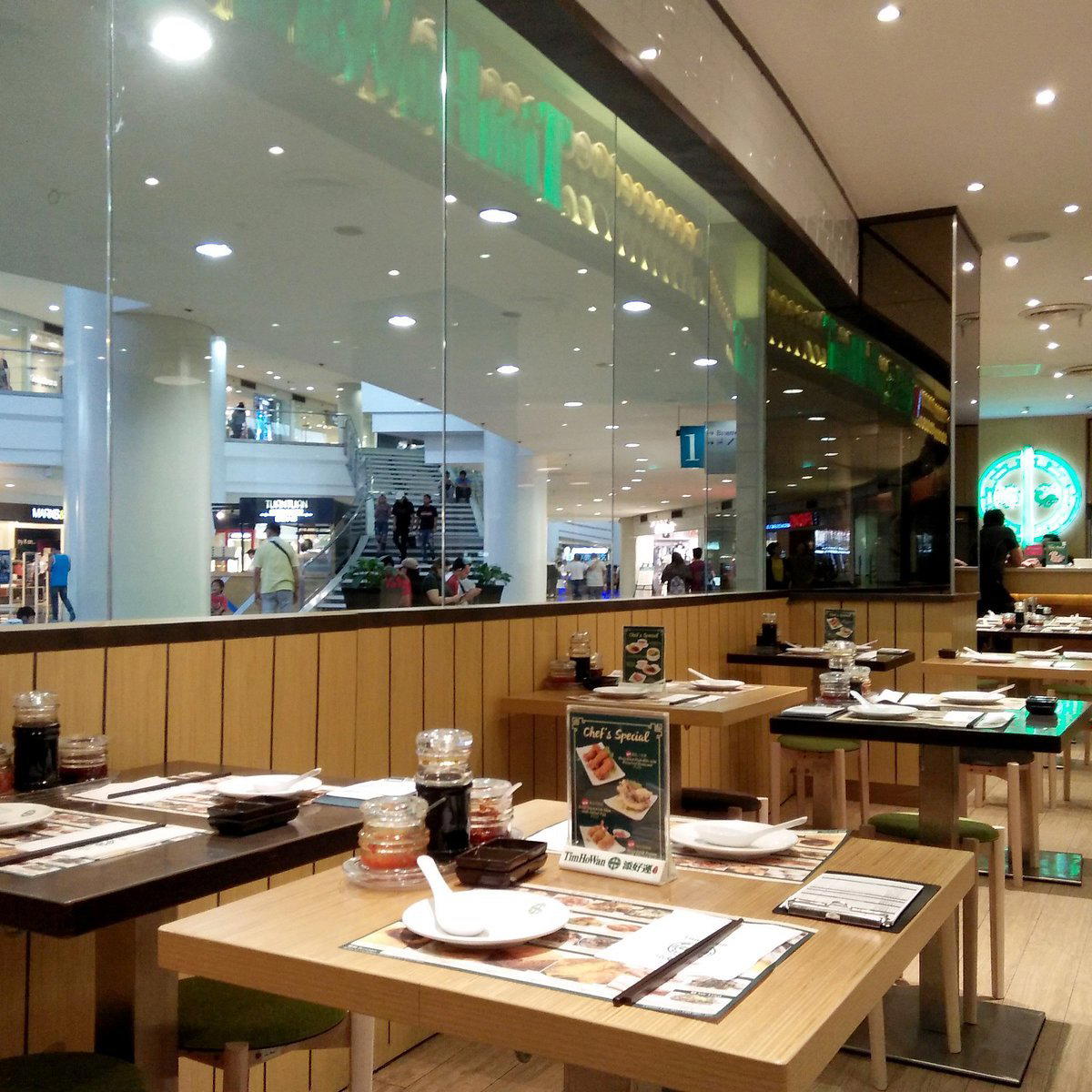
The Dim Sum Ritual in a Shopping Mall Setting
There is a specific discipline to eating dim sum correctly, and it has nothing to do with formality. The tradition, rooted in Cantonese yum cha culture, treats the meal as a sequence of small decisions made communally: which steamers to order first, how many rounds of har gow before moving to something fried, whether the table needs more tea before the next basket arrives. Tim Ho Wan at Uptown Mall, situated at the corner of 36th Street and 9th Avenue in Taguig City's Bonifacio Global City corridor, drops that ritual into a mall food hall adjacent to Maisen and Sariwon, which tells you something about the dining register the area occupies. BGC has consolidated a lot of Manila's mid-to-upper-casual international dining into a walkable district, and Tim Ho Wan fits that pattern: a proven format from elsewhere, executed with enough consistency to hold its own in a competitive corridor.
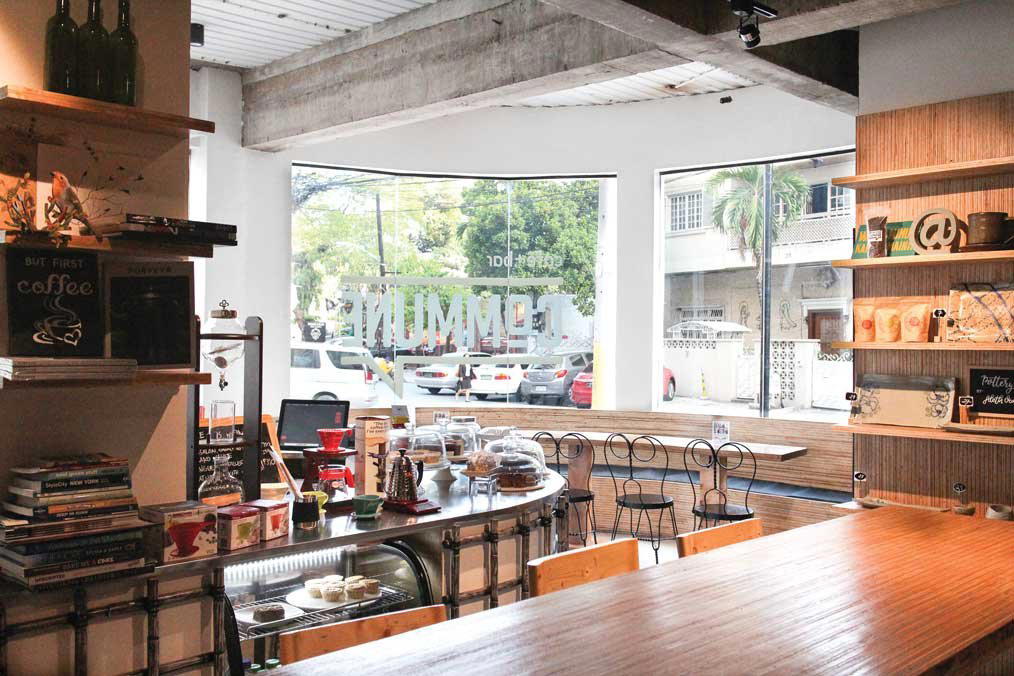
The room itself reflects the Hong Kong original's philosophy of function over atmosphere. Bright lighting, tightly arranged tables, and the ambient clatter of bamboo steamers and ceramic spoons define the experience from the moment you walk in. This is not an accident of budget. The original Tim Ho Wan in Mong Kok became notable precisely because it refused to spend on décor.
What the Checkbox Card Actually Measures
The ordering format at the restaurant follows the classic dim sum checkbox card system: paper slips pre-printed with the full menu, guests mark quantities in pencil or pen, the card goes to the kitchen, and dishes arrive in loosely timed waves. This system, common across traditional Hong Kong tea houses, serves a social function. It forces the table to negotiate, who wants what, in what order, how much, before the meal begins. The result is that the ritual of ordering becomes part of the meal itself, not a prelude to it.
In the wider Metro Manila dining scene, this format sits in a different tier from the theatrical tasting-menu experiences at venues like Gallery By Chele in Manila or the produce-driven Filipino focus of Hapag in Makati. The restaurant is not making an argument about local ingredients or chef-driven narrative; it is executing a specific, well-defined Cantonese format with the consistency that comes from a kitchen trained on a single tradition. For the reader deciding between dining registers on a given evening, that distinction matters. The checkbox card at the restaurant signals a communal, paced meal built around repetition and variety. The tasting menus at places like Linamnam in Parañaque or Asador Alfonso in Cavite signal something structurally different: a fixed sequence with no negotiation.
The Brand's Trajectory and What It Means Here
The restaurant's origin point matters as context. The Hong Kong flagship in Mong Kok received a Michelin star, which helped define the brand's value proposition. That credential shaped how the brand expanded: the reputation arrived ahead of each new location, carrying expectations that each outpost then has to meet or fall short of. Manila's dining press has covered the local branches with that framing in mind, measuring the Taguig location against both the Hong Kong standard and the price-to-quality logic that made the original notable.
For context on where this sits in the broader Philippines dining picture, the country's premium food scene has concentrated around Metro Manila, with destination-level restaurants like Balesin Dining Room in Polillo and Dampa in Quezon City operating at different price and format points. The restaurant occupies neither the casual end nor the fine dining tier; it sits in a mid-register where the brand credential does the positioning work. That is a specific competitive slot, and it has proven sustainable across the brand's international expansion.
Internationally, the comparison point is not other Filipino restaurant groups but other Michelin-origin dim sum brands that have expanded across Asia. The question each location faces is whether the kitchen discipline that earned the original its star travels with the recipe cards and training manuals. Based on the brand's track record in Singapore, Sydney, and across Southeast Asia, the answer has generally been yes, though with some variance in execution between locations.
Pacing the Meal: Practical Notes
Dim sum in the Cantonese tradition is a morning-to-afternoon format, and the restaurant's Uptown Mall location reflects that, service runs through lunch hours when the checkbox card format makes most sense as a shared midday meal. The mall context adds a logistical consideration: parking in BGC's Uptown complex can compress during weekend lunch peaks, and the restaurant queue is known to build quickly on Saturday and Sunday mornings. Arriving before the midday rush is the practical move for anyone who wants to pace through multiple steamer rounds without pressure.
The Uptown Mall location places the restaurant in easy reach of the BGC arts and office district, which means it draws a mix of weekday lunch crowds and weekend family groups. That dual audience shapes the room's energy differently depending on when you visit. A Tuesday lunch skews quieter and faster; a Sunday morning can feel closer to the communal, slightly chaotic energy of a Hong Kong tea house at peak hours, which is, closer to the spirit the format was designed for.
And for readers comparing Manila's dining scene against international benchmarks, the contrast with tasting-menu institutions like Le Bernardin in New York City or Atomix in New York City underlines just how specific and narrow the dim sum format is, and why that specificity is the point. The restaurant is not trying to be everything. It is doing one thing with the discipline of a kitchen that has been refining the same dishes since the Mong Kok original opened, and in a city with options ranging from Jollibee in Pasay to Honesty Coffee Shop in Ivana and Italianni's SM Clark in Mabalacat, that focus has its own value.
Cuisine-First Comparison
Comparable venues nearby, for context on price, style, and recognition.
| Venue | Cuisine | Price | Notes |
|---|---|---|---|
| Tim Ho WanThis venue — the venue you are viewing | Cantonese Dim Sum | $$ | Not listed |
| Maisen | Japanese Tonkatsu | $$ | BGC |
| Sariwon | Authentic Korean Barbecue | $$$ | Bonifacio Global City |
| Taiwan Kitchen | Taiwanese Fast Food | $$ | San Lorenzo |
| Shaka Bohol | Healthy Vegan Cafe | $$ | Panglao Island |
| Gerry's Grill - Ayala Angeles Marquee Mall | Filipino Grill | $$ | Marquee Mall |
Continue exploring
More in Taguig City
Restaurants in Taguig City
Browse all →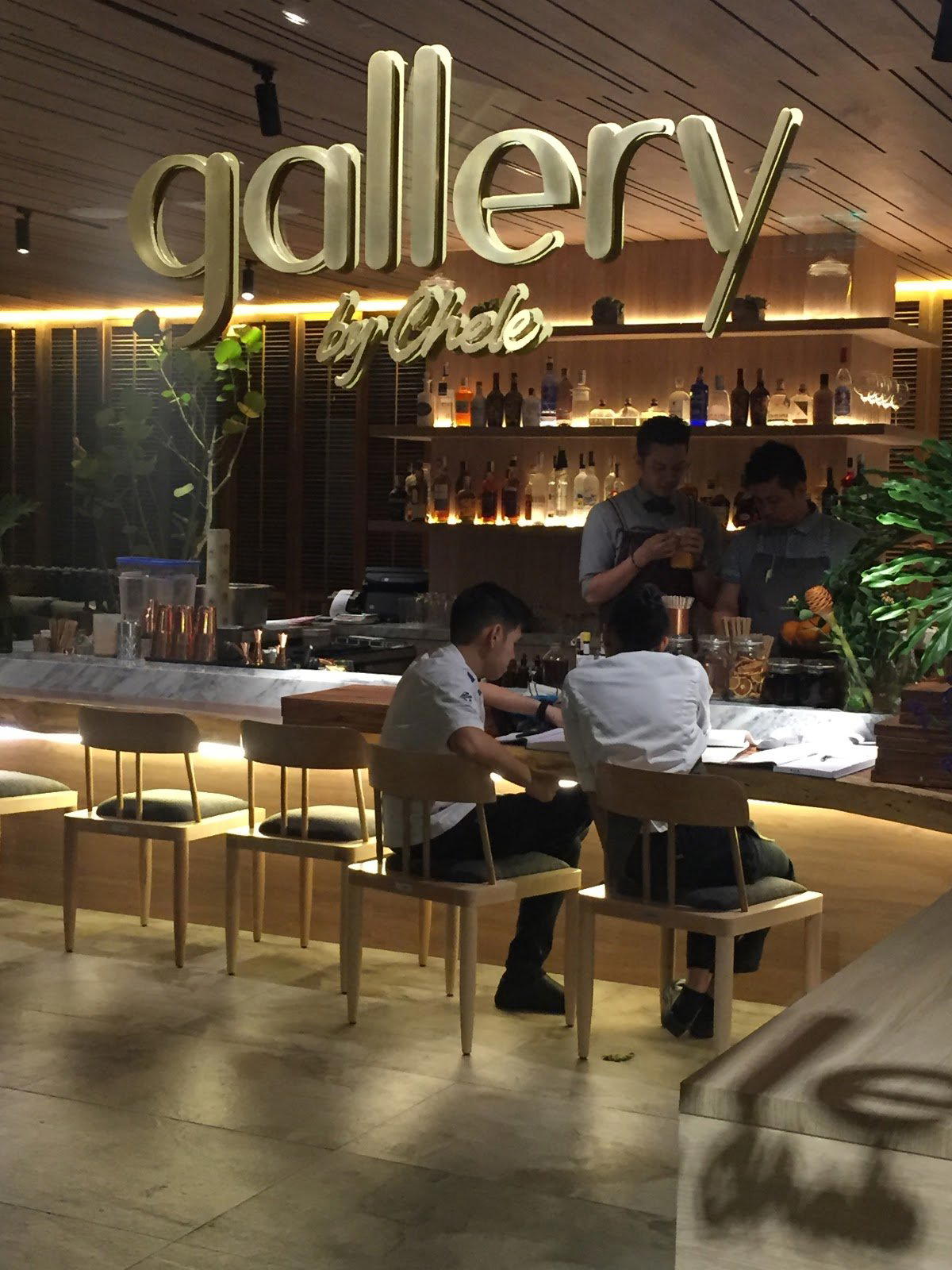
Bars in Taguig City
Browse all →
At a Glance
- Lively
- Trendy
- Casual Hangout
- Family
- Open Kitchen
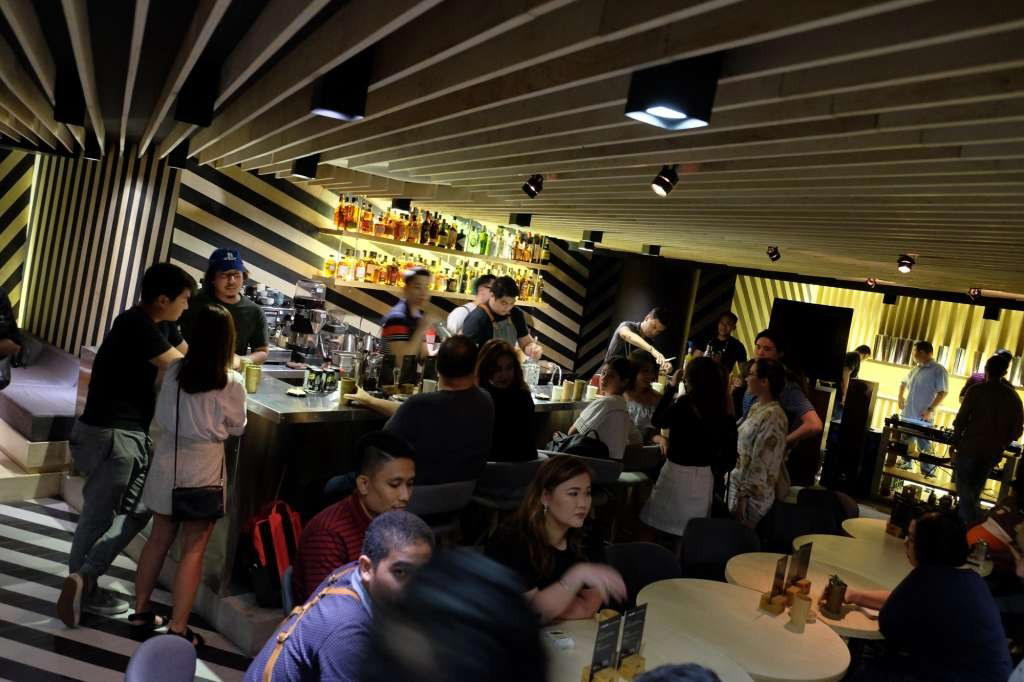
Cozy and lively mall restaurant atmosphere with packed seating during peak hours.