Sariwon
Sariwon brings Korean barbecue to Bonifacio High Street in Taguig City, operating within one of Metro Manila's most concentrated dining corridors. The format follows the tabletop grill tradition common across Korean restaurant culture, with a menu anchored in grilled meats and the banchan spreads that define the cuisine. It sits in the mid-tier of BGC's international dining options, alongside Japanese and pan-Asian contemporaries.
Pearl is the En Primeur Club membership app — saves, bookings, and concierge access live there. Same editors, same standards.
- Address
- 7th Ave, Bonifacio High Street, Taguig, Rizal
- Directions
- Get directions
 Saves & bookings on Pearl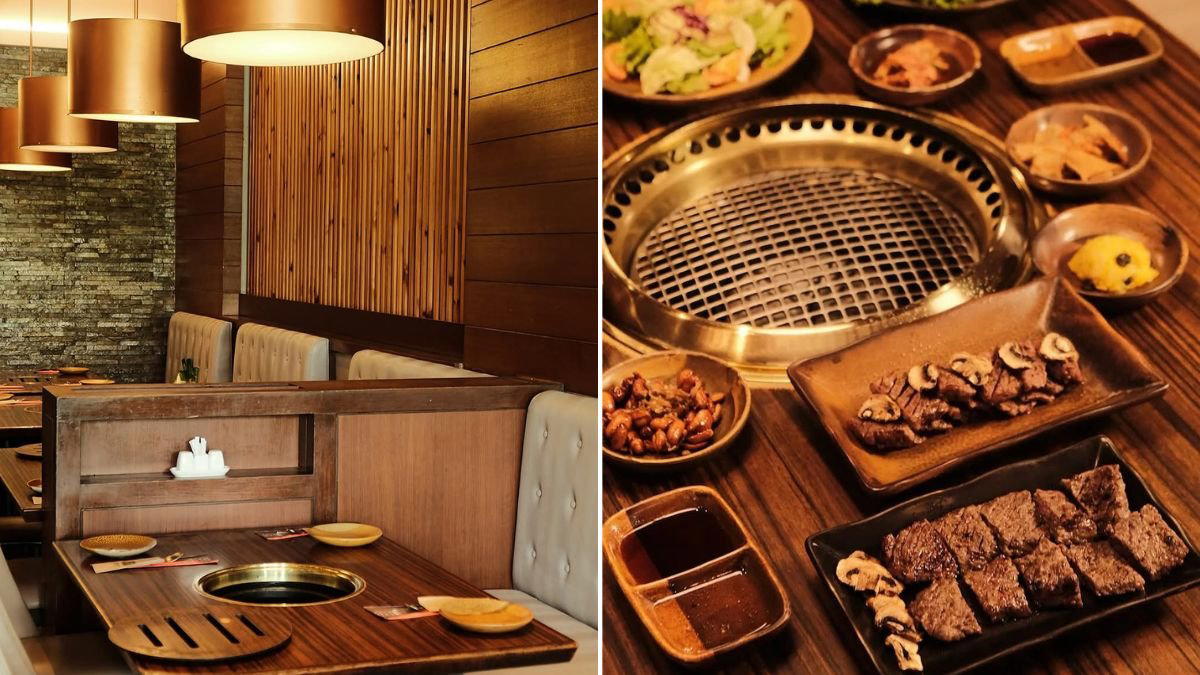
Korean Barbecue in BGC: What the Format Means
Bonifacio Global City has become commercially developed dining district in Metro Manila, with 7th Avenue along Bonifacio High Street functioning as its central artery. The stretch accommodates fast-casual chains, sit-down international concepts, and a handful of destination restaurants that draw from across the metro. Within that corridor, Korean barbecue occupies a distinct position: it is a social format as much as a meal category, built around tabletop grilling, communal ordering, and the slow cadence of cooking meat over live heat at the table. Sariwon operates within this tradition at Bonifacio High Street, serving Authentic Korean Barbecue in Taguig.
Korean barbecue's spread through Southeast Asia over the past two decades tracks closely with Korean cultural exports more broadly. In Metro Manila specifically, the format has taken hold across multiple price tiers, from budget samgyupsal houses in Makati side streets to more polished mid-range operations in mall-anchored dining precincts. BGC, with its higher average spend and concentration of office workers and expatriates, has attracted the latter category. Sariwon sits within that cohort, positioned as a recognizable brand in a district where recognition carries weight against the volume of options available to diners.
The Cultural Architecture of the Meal
What distinguishes Korean barbecue from other tabletop cooking traditions is the role of banchan, the rotating array of small side dishes that arrive before the meat and continue throughout the meal. These are not garnishes or afterthoughts; in Korean dining culture, banchan functions as the structural counterpoint to grilled proteins, providing acid, fermentation, and vegetable matter that balance the richness of pork belly or beef short rib. The kimchi in particular carries meaning beyond flavor: it is a fermented product with regional and familial variation across Korea, and its quality in a restaurant context signals how seriously the kitchen treats its foundational preparation.
Diners who treat it as a fast-service experience tend to miss the rhythm that makes the format work. At Sariwon, successive rounds of meat, refreshed banchan, and the wrapping of grilled proteins in perilla or lettuce with fermented paste shape the meal. That wrapping tradition, ssam, is one of the oldest documented forms of Korean communal eating, predating the restaurant context by centuries.
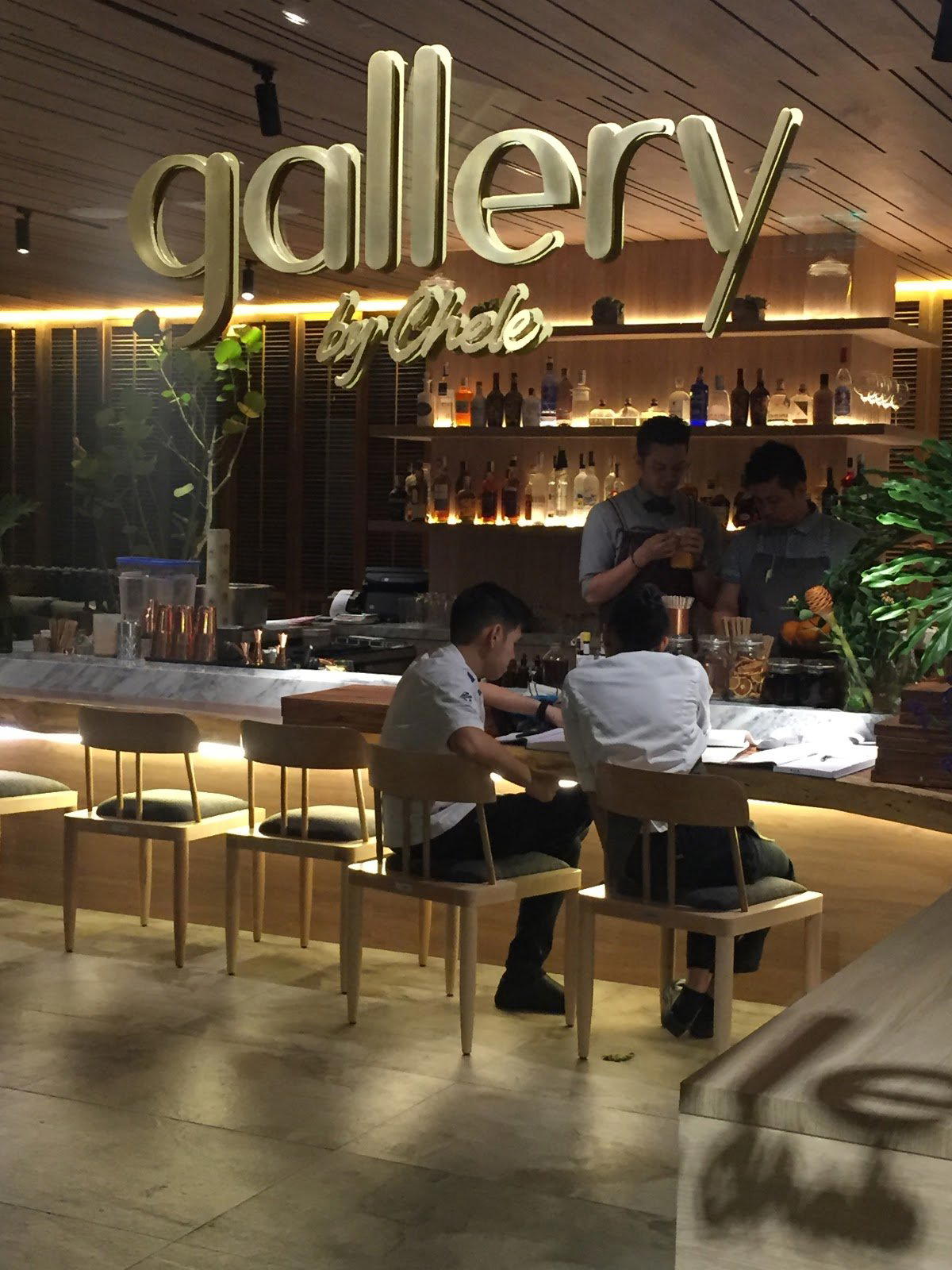
Venues like Hapag in Makati and Gallery By Chele in Manila represent a chef-driven, tasting-menu tradition built on indigenous ingredients and contemporary technique. Korean barbecue operates on an entirely different logic: it is participatory, ingredient-forward, and calibrated for groups rather than individual contemplation. Both have their place in a complete picture of what Metro Manila offers.
Where Sariwon Sits in the BGC Dining Tier
BGC's dining options span a wide range of formats and price points, and Korean barbecue competes here with Japanese, pan-Asian, and Filipino mid-range concepts. Maisen and Tim Ho Wan both operate in the same district, representing Japanese tonkatsu and Cantonese dim sum respectively, and the competitive set in this corridor rewards brands with clear identity and consistent execution. Sariwon's position as a recognized Korean barbecue name places it in a category where brand familiarity provides a degree of diner confidence that newer or more independent operations have to build from scratch.
The 7th Avenue location benefits from the pedestrian traffic that Bonifacio High Street generates, particularly on weekend evenings when BGC's outdoor dining areas draw significant foot traffic from Taguig and the broader metro. This is a pattern visible across the district: restaurants on the High Street strip operate at higher visibility than those tucked into BGC's residential blocks, and that visibility affects both walk-in rates and the type of occasion the venue attracts. Korean barbecue in this setting tends to draw group bookings, birthday gatherings, and the kind of social meal where the format itself is part of the draw.
Elsewhere in the archipelago, the contrast between metropolitan dining density and provincial character is sharp: Honesty Coffee Shop in Ivana in Batanes operates on a trust-based payment model that has no equivalent in BGC's commercial dining strip. Balesin Dining Room in Polillo serves an island resort context that is entirely removed from the urban density of Taguig.
Within Luzon's more accessible dining circuit, Linamnam in Parañaque takes a deeply localist approach to Filipino ingredients, while Asador Alfonso in Cavite represents a Spanish-influenced tradition that reflects the colonial history embedded in Philippine culinary development. Dampa in Quezon City offers a wet market-to-table format entirely unlike the polished commercial dining of BGC. These contrasts matter when calibrating what Sariwon is: a mid-range international concept in a high-traffic commercial district, delivering a culturally specific format to a broad urban audience.
Atomix in New York City represents the fine-dining end of Korean cuisine, while the distance between that tasting-menu format and the communal grill tradition illustrates how wide Korean cuisine's range has become in global restaurant culture. Le Bernardin in New York City offers a useful contrast from a different culinary tradition, underscoring how format and cultural context shape the dining experience as much as ingredient quality does.
Planning Your Visit
Sariwon sits on 7th Ave, Bonifacio High Street, Taguig, Rizal. The High Street strip draws consistent crowds on Friday and Saturday evenings, and group reservations during peak periods are advisable given the table configuration that Korean barbecue's communal format requires. The meal format is well-suited to groups of four or more, where the economics of tabletop grilling and shared banchan work most effectively. Dress code is smart casual, and reservations are recommended.
For those building a broader Taguig itinerary, the Bonifacio High Street precinct concentrates enough dining options that a single evening can encompass drinks, a main meal, and dessert without leaving the district. Gerry's Grill operates across multiple Metro Manila and national locations including Ayala Malls Solenad in Santa Rosa, Xentro Mall Ilagan, Dumaguete, and SM City Bataan in Balanga, representing the kind of scaled Filipino casual dining that coexists with international concepts across the country's commercial dining infrastructure. Italianni's SM Clark in Mabalacat and Jollibee in Pasay further illustrate the breadth of the national dining spectrum that BGC's more polished strip sits within.
A Pricing-First Comparison
Comparable venues nearby, for context on price, style, and recognition.
| Venue | Cuisine | Price | Notes |
|---|---|---|---|
| SariwonThis venue — the venue you are viewing | Not listed | $$$ | Not listed |
| Tim Ho Wan | BGC, Cantonese Dim Sum | $$ | Not listed |
| Maisen | BGC, Japanese Tonkatsu | $$ | Not listed |
| Crosta | Not listed | $$$ | Poblacion, Neapolitan-style Sourdough Pizza |
| Agni by Mantra | Makati, Modern Regional Indian | $$$ | Not listed |
| Gerry's SM Lanang | Lanang, Filipino Grill | $$ | Not listed |
Continue exploring
More in Taguig City
Restaurants in Taguig City
Browse all →
Bars in Taguig City
Browse all →

At a Glance
- Classic
- Elegant
- Group Dining
- Family
- Celebration
- Open Kitchen
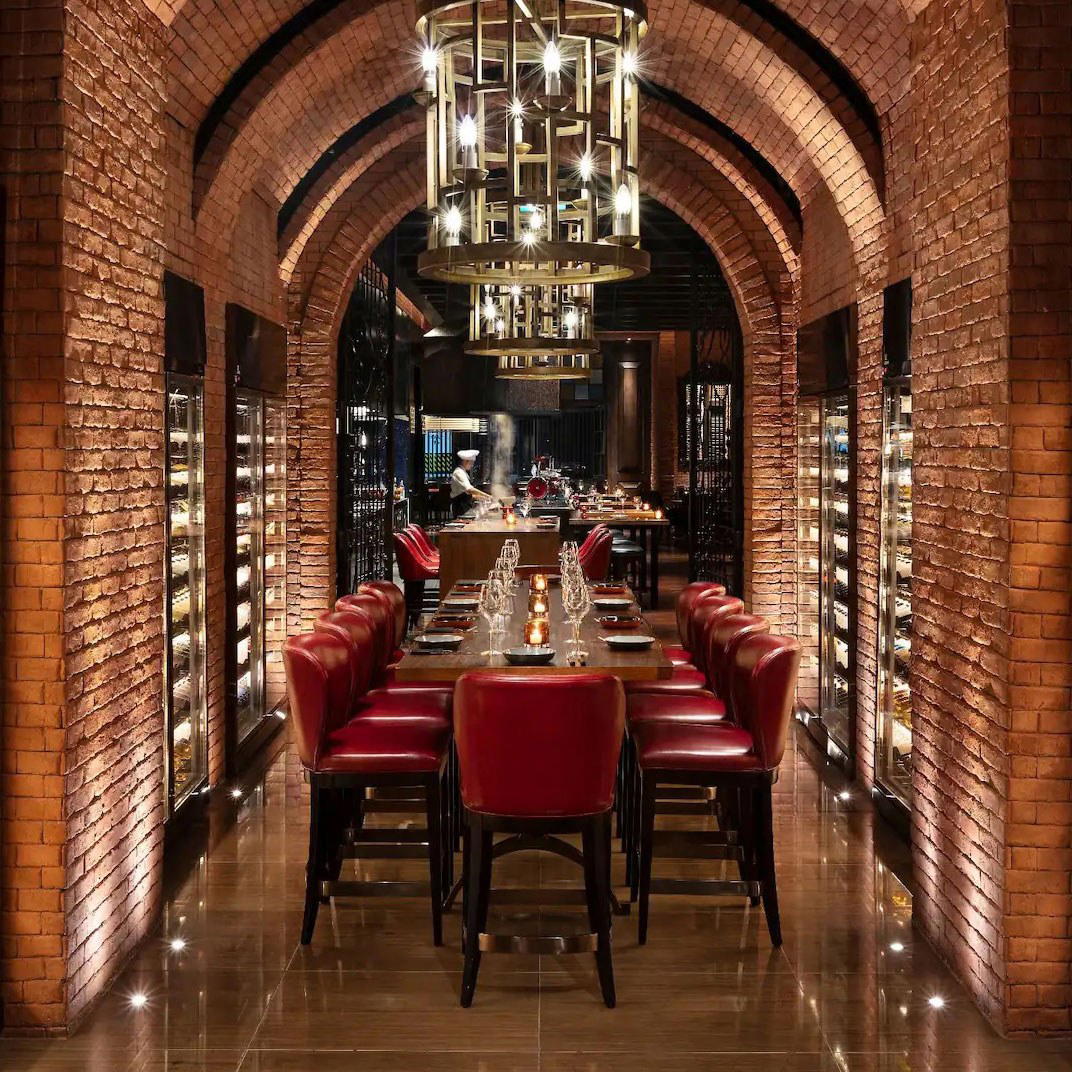
Pleasantly smoke-free dining area with authentic Korean barbecue atmosphere.