Maisen
Maisen brings Japan's tonkatsu tradition to BGC's at the Fort, placing a well-established Tokyo export inside Metro Manila's most concentrated stretch of international dining. The restaurant draws on the sourcing discipline and breadcrumb craft that define the category in Japan, translated for a market that takes its Japanese food seriously. For the Fort strip, it sits in a distinct lane: specialty-focused, process-driven, and repeatable in a way that casual fusion is not.
Pearl is the En Primeur Club membership app — saves, bookings, and concierge access live there. Same editors, same standards.
- Address
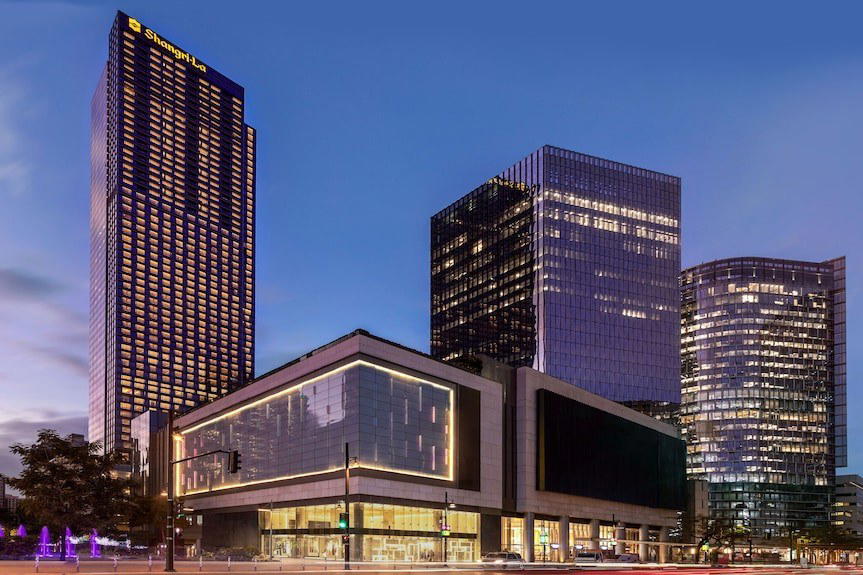
- Shangri-La at the Fort, 30th St cor 5th Ave, BGC, Taguig, Rizal
- Directions
- Get directions
 Saves & bookings on Pearl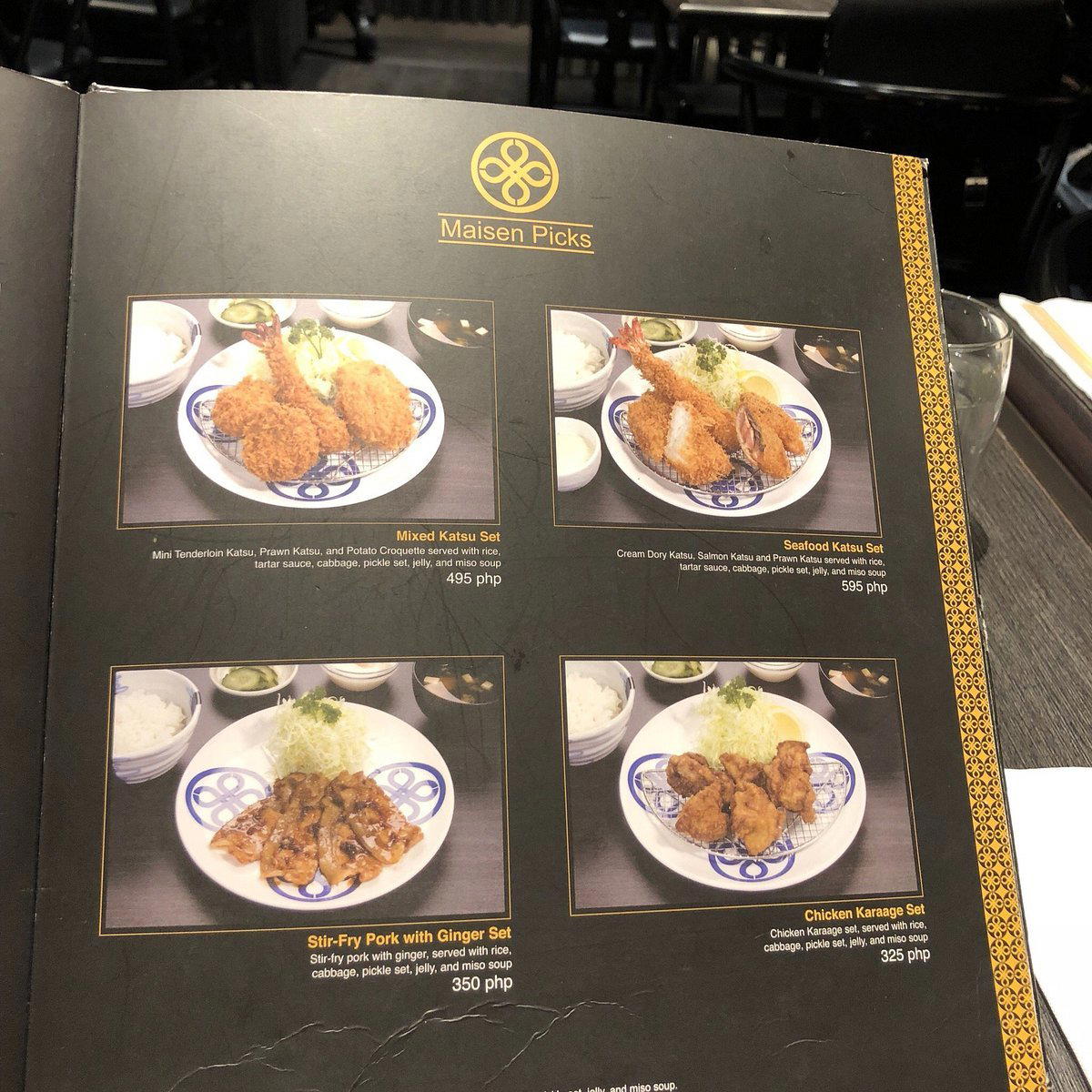
Where Breadcrumbs Are the Point
There is a particular discipline to tonkatsu that gets flattened in most international interpretations. The cut of pork, the moisture retention through the fry, the coarseness and freshness of the panko, each element carries weight, and when any one of them slips, the dish becomes ordinary in a way that is hard to articulate but immediately apparent. In Japan, tonkatsu has its own specialist houses, its own critics, its own hierarchies of pork breed and oil temperature. Maisen, operating out of the Shangri-La at the Fort in BGC, Taguig, is one of the better-known names in that specialist tradition, and its presence in Metro Manila reflects a broader pattern: the BGC hotel corridor has become the entry point for established Japanese formats looking to reach a Philippine audience that already understands what it is eating.
The Sourcing Logic Behind Tonkatsu
The ingredient argument for tonkatsu is direct but rarely explained clearly. Pork quality is the limiting factor. Specialist tonkatsu houses in Japan built their reputations largely on access to specific breeds, Kurobuta (Berkshire), Meishan crosses, regionally certified pork from prefectures like Kagoshima or Iberico imports, because the fat distribution in premium pork behaves differently under high-heat frying than commodity cuts. The fat renders without drying the muscle fibre, which is what produces that contrast between a lightly crisp crust and an interior that remains tender and faintly pink. Without the right pork, no amount of panko selection or oil discipline recovers the result.
Maisen's position in the Tokyo tonkatsu market is tied to this sourcing logic. That sourcing orientation is the editorial point when evaluating any of its international outposts: the question is not whether tonkatsu exists in Manila, but whether the ingredient standards travel. BGC's restaurant scene, which now includes options across the Japanese spectrum from Korean-Japanese crossover formats like Sariwon to Cantonese dim sum at Tim Ho Wan, has the consumer base to support premium ingredient positioning.
BGC's Japanese Dining Tier
Metro Manila's Japanese restaurant market has matured considerably over the past decade. Where the early wave brought ramen chains and conveyor-belt sushi, the current tier includes omakase counters in Makati, kaiseki-influenced tasting formats, and specialist houses covering everything from yakitori to unagi. BGC specifically has attracted hotel-anchored concepts that require the foot traffic and spending capacity that the Fort strip reliably delivers. The at the Fort location puts Maisen inside a property that draws both corporate long-stay guests and local diners with specific brand awareness of the Tokyo original, a different customer profile than a standalone high-street site would attract.
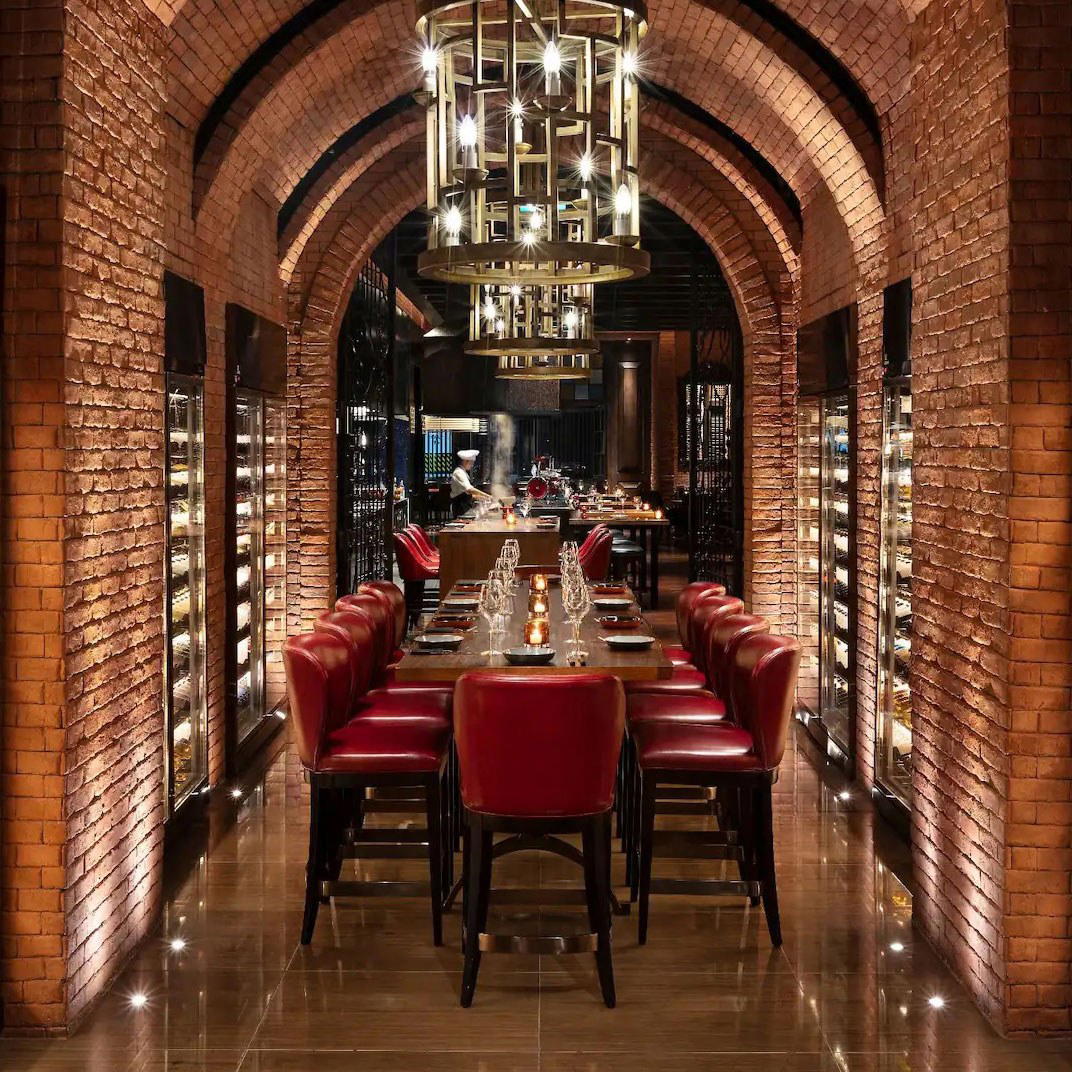
That hotel anchoring shapes the dining experience in practical ways. The room tends toward the orderly rather than the atmospheric; hotel restaurant floors in this price bracket prioritise legibility over edge. What it does provide is consistency of service standard and a kitchen infrastructure suited to maintaining fry quality across a full service. For tonkatsu specifically, oil management across a busy service is non-trivial, it affects flavour accumulation in the crust and smoke point stability, so the back-of-house capacity of a hotel operation is not irrelevant to the result on the plate.
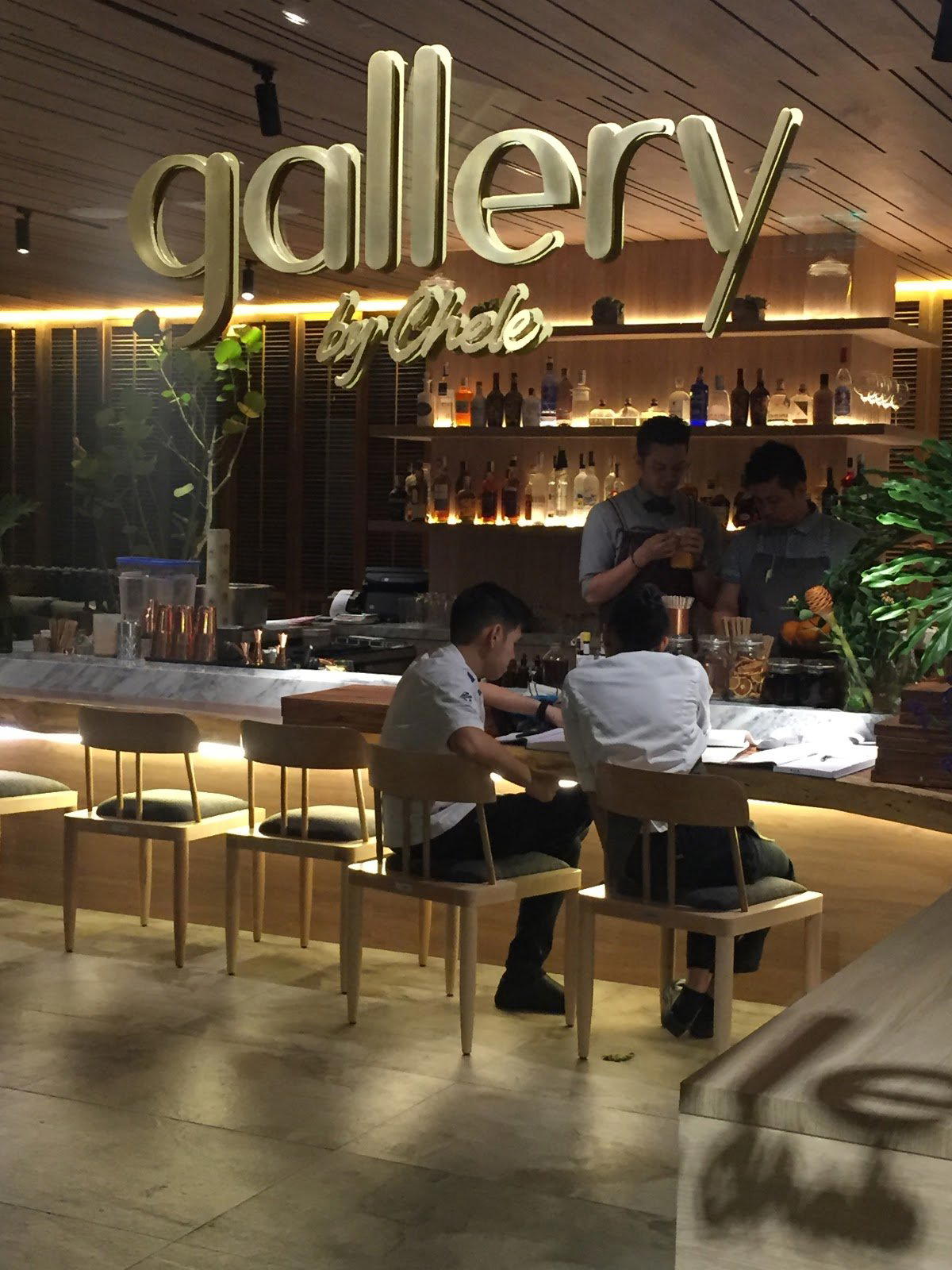
The broader Manila dining scene offers useful comparison points for calibrating where Maisen sits. Modern Filipino tasting formats like Hapag in Makati or Gallery by Chele occupy the upper tier of the city's fine dining conversation, while regional specialists like Linamnam in Parañaque and Asador Alfonso in Cavite anchor their appeal in a specific local or imported tradition. Maisen belongs to a third category: the international specialist import, where the credential is the source city and the original house's reputation rather than local chef authorship.
What the Category Asks of the Diner
Eating at a specialist tonkatsu house well requires a different approach than eating at a multi-concept Japanese restaurant. The menu is deliberately narrow. The decision sits at the level of cut and pork grade rather than cuisine type. This is a format that rewards diners who understand that restraint in a menu is a signal of sourcing confidence, not a limitation, the kitchen is not offering twelve options because it has committed its quality focus to a handful of preparations done with full ingredient integrity.
The condiment logic matters here too. Tonkatsu's traditional accompaniments, the thick, Worcestershire-based sauce, the shredded cabbage, the grain mustard, are not decoration. The cabbage in particular is a palate-reset between bites, and the quality of its preparation (freshness, temperature, fineness of cut) is taken seriously in the specialist context. The sauce, which varies by house, is often proprietary and one visible expression of the restaurant's individual character within a tight category.
Planning a Visit
Maisen is located within Shangri-La at the Fort at 30th Street corner 5th Avenue, BGC, Taguig. Dress code is casual, and reservations are recommended.
Comparable Spots, Quickly
Comparable venues nearby, for context on price, style, and recognition.
| Venue | Cuisine | Price | Awards | Notes |
|---|---|---|---|---|
| MaisenThis venue — the venue you are viewing | Japanese Tonkatsu | $$ | Not listed | Not listed |
| Sariwon | Authentic Korean Barbecue | $$$ | Not listed | Bonifacio Global City |
| Tim Ho Wan | Cantonese Dim Sum | $$ | Not listed | BGC |
| Ramen Ron | Traditional Japanese Ramen | $$ | Michelin Plate | Rockwell |
| Kei | Japanese Hand Rolls & Maki | $$ | Michelin Plate | Bonifacio Global City |
| Gerry's Grill - Ayala Malls Solenad | Filipino Grill | $$ | Not listed | Solenad |
Continue exploring
More in Taguig City
Restaurants in Taguig City
Browse all →
Bars in Taguig City
Browse all →

At a Glance
- Classic
- Casual Hangout
- Family
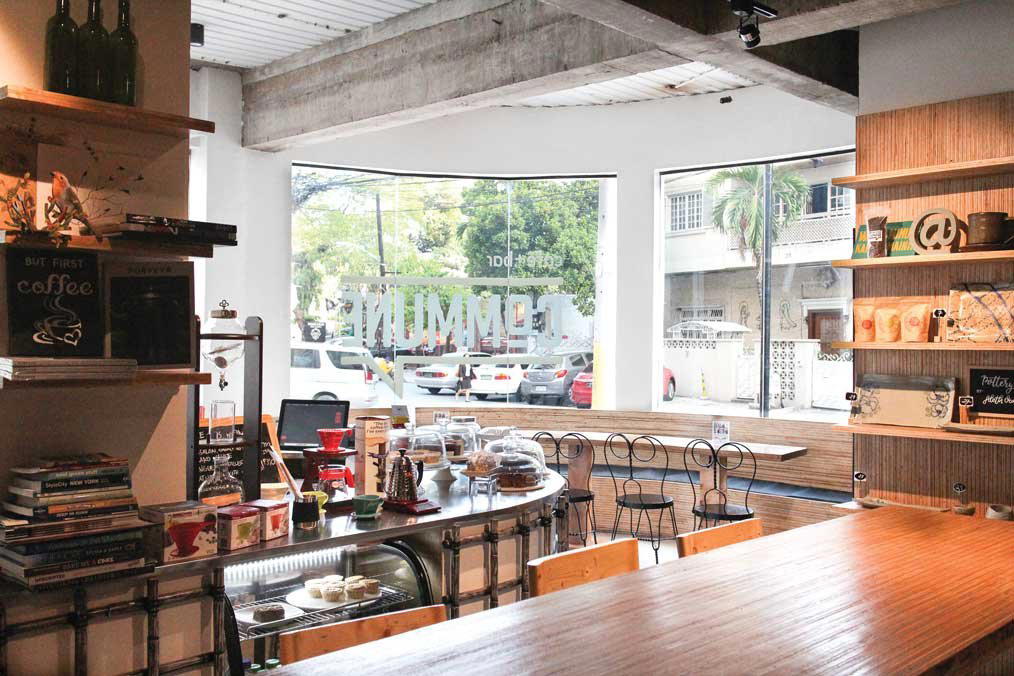
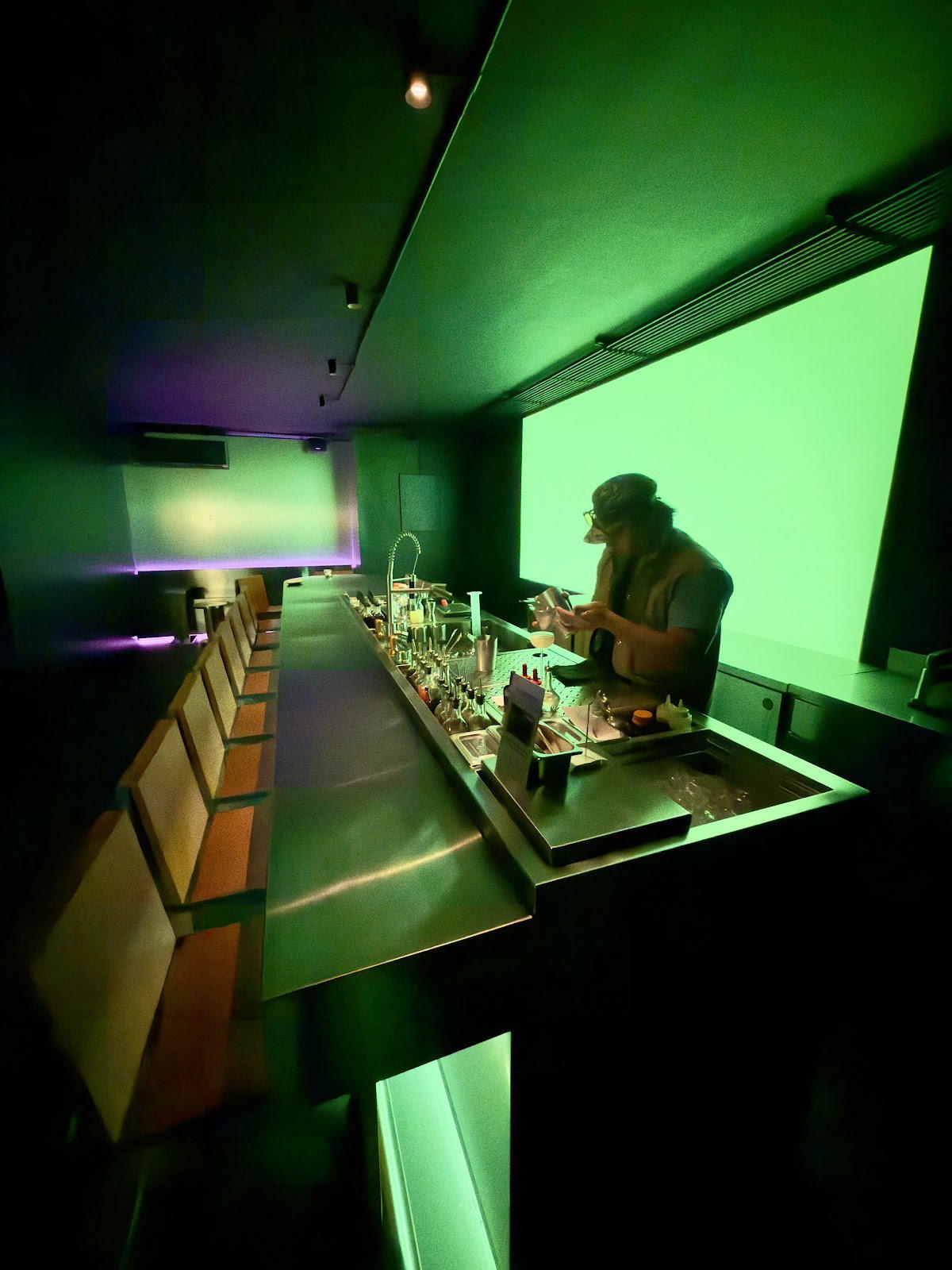
Simple interiors that emphasize the Maisen logo and focus on the food, creating a welcoming and authentic Japanese atmosphere.