

Tabelog Bronze #390
Our verdict
SECRETO belongs to Tokyo’s compact counter-dining tier, where innovative cooking is judged by pacing, restraint, and the intelligence of the room as much as by technique. Its Tabelog Award Bronze recognition in 2019, 2020, and 2026, plus selection for Tabelog 100 Innovative / Creative cuisine in 2025, place it in a competitive bracket for diners weighing spend against scarcity and critical validation.

Pearl is the En Primeur Club membership app, where members save venues, book tables and use the concierge.
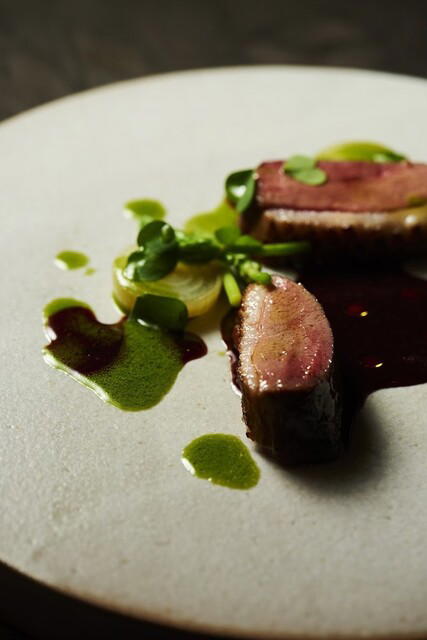
The menu
What to order
- Secret Heart
- Foie Gras Dorayaki
- Noto Beef
A small counter restaurant in Tokyo changes dinner before the first course. The room removes hiding places: every gesture, pause, and transition is visible. In Ushigome-Kagurazaka, that intimacy differs from Ginza polish or Aoyama glamour. The neighbourhood is quieter, close to central Tokyo’s serious dining circuit but away from louder expense codes.
That suits SECRETO. Tokyo’s innovative restaurants now span kaiseki sequencing, French dégustation, Nordic fermentation culture, and Spanish-influenced counter theatre. Creativity is baseline. The sharper question is what the format returns for the commitment: focus, control, recognition, and a room where diners can read the kitchen’s logic without a server translating every move.
A 12-seat counter puts value in concentration, not spectacle
Tokyo has a deep market for small-format dining, and the counter remains its clearest value test. A 12-seat, all-counter setup makes dinner a direct kitchen-guest exchange: thrilling when pacing is disciplined, unforgiving when it is not. Here, the attraction is concentration: fewer seats, one shared rhythm, and a format that asks attention.
Within Tokyo’s innovative bracket, SECRETO sits near the controlled end, not the high-production dining room model. AO shares the city category of innovative cooking, while Chiune, Hasegawa Minoru, jiü, and Kabi map other versions of Tokyo’s contemporary restaurant language, from luxury minimalism to cross-cultural composition. They are not interchangeable. Tokyo has enough depth for diners to choose by temperament: polished quiet, experimental looseness, counter intimacy, or tasting-menu architecture.
SECRETO’s public recognition gives that choice firmer footing. The restaurant holds Tabelog Award Bronze recognition for 2019, 2020, and 2026, and was selected for Tabelog 100 Innovative / Creative cuisine in 2025. Opinionated About Dining also lists it in its 2026 Japan recommended restaurant selection. Those signals do not replace taste, but they matter in Tokyo, where small rooms can be hard to assess from overseas and evaluation often depends on local platforms, specialist lists, and reservation intelligence.
The value proposition is specific: not portion size or luxury ingredients named in advance, but format discipline. This is a spend on a fixed counter environment, a narrow service window, and a category where technique must justify itself course by course. Diners seeking grand-room ceremony may find that severe; those who prefer proximity to process will see why small counters command serious money in Tokyo.
Innovative Tokyo dining has moved beyond fusion shorthand
“Innovative” can be a lazy label, but in Tokyo it has real range. The city’s contemporary restaurants often work from Japanese seasonality and service cadence while absorbing European structure, fermentation, charcoal work, and global pantry references. At weaker addresses, the result becomes concept-heavy. At stronger ones, transitions make sense without announcing influences.
SECRETO belongs in that conversation because its accolades sit within the Innovative / Creative cuisine category rather than a traditional sushi, tempura, or kaiseki lane. That matters for travellers. Tokyo’s classic genres come with clearer expectations: counter sushi is judged on rice, fish condition, aging, temperature, and hand speed; tempura on batter, oil, and sequencing; kaiseki on season, craft, and restraint. Innovative dining asks whether the restaurant can create a coherent grammar without familiar category rules.
For context, Chiune, Hasegawa Minoru, jiü, and Kabi show how varied Tokyo’s contemporary field has become, even before comparison venues such as NK, MAZ, AO, l' Equateur, and l' Equator. Choosing among them means choosing a philosophy of pacing as much as cuisine. Some tables privilege cerebral composition. Others make the counter feel closer to a studio, with the meal unfolding through visible assembly and controlled repetition.
That is where a small counter can earn its tariff. With few seats, the restaurant cannot rely on large-room social energy. It must create momentum through timing, glassware changes, ingredient progression, and the confidence to leave silence between courses. Tokyo diners know this grammar. International visitors sometimes expect drama or obvious luxury cues. The better read is quieter: value sits in how little slack the format allows.
Who should choose this room over Tokyo's louder dining circuits
SECRETO makes clearest sense for diners who know Tokyo beyond the headline categories and want a contemporary counter without grand hotel formality. The Ushigome-Kagurazaka location changes the mood: a district of slopes, side streets, and smaller restaurants rather than a neon dining strip, so the meal fits a planned night better than a casual detour.
The structure rewards punctual, committed diners. Everyone begins together, so late arrival is more than personal inconvenience; it disrupts the room’s shared rhythm. That synchronized model is common in ambitious small restaurants because the kitchen builds a single arc, not à la carte service. It is also part of what diners pay for: a controlled sequence rather than a flexible table booking.
For travellers comparing categories, the decision is useful. If the goal is classic Tokyo, a sushi or tempura counter may give a clearer link to tradition. If the goal is modern Tokyo, this room type shows how the city absorbs global technique without abandoning precision and restraint. SECRETO’s recognition by Tabelog and Opinionated About Dining supports its place in that modern category, but the stronger argument is structural: small room, counter focus, innovative classification, and a neighbourhood that keeps the evening from feeling overproduced.
Readers building a broader Tokyo itinerary can place it alongside our full Tokyo restaurants guide, then decide whether the trip needs balance from our full Tokyo hotels guide, our full Tokyo bars guide, our full Tokyo wineries guide, or our full Tokyo experiences guide. For a wider Japanese dining lens, contrast this contemporary Tokyo counter with regional entries such as -Grilled beef Sukiyaki- KAMAKURA TANUKIAN 鎌倉 たぬき庵 in Kamakura.cafe in Osaka.know in Kumamoto, (Shoku) Vietnam in Kawasaki, [Curry Senmon Ten] Maruyama Kyoju. in Sapporo, and [ki:] in Kyoto. Outside Japan, innovative cooking takes different cultural shapes at [àbitat], Innovative in San Fermo della Battaglia and Å by T.U.N.G, Innovative in Ho Chi Minh City.
The editorial call is clear: choose SECRETO when the priority is a serious contemporary counter with recognized local validation, not spectacle. Tokyo has many ways to spend heavily on dinner. This one argues for proximity, compression, and a format that leaves little margin for drift.
Frequently asked questions
What part of town is SECRETO in?
SECRETO is located in Tokyo.
What's the cuisine at SECRETO?
SECRETO serves Innovative cuisine.
What's the price range at SECRETO?
Pricing at SECRETO is listed as JPY 20,000 - JPY 29,999.
What are the opening hours for SECRETO?
Hours at SECRETO: Mon: Closed; Tue: 7–9:30 p.m.; Wed: 7–9:30 p.m.; Thu: 7–9:30 p.m.; Fri: 7–9:30 p.m.; Sat: 7–9:30 p.m.; Sun: 7–9:30 p.m.
Recognition, Side-by-Side
Comparable venues by cuisine and price in the same metro.
| Venue | Cuisine | Price | Awards | Notes |
|---|---|---|---|---|
| SECRETOThis venue (the venue you are viewing) | Innovative Molecular Fusion | $150–200 | Tabelog Bronze #390 | Not listed |
| No Code | Mexican French Fusion Omakase | Not listed | Michelin Plate · Tabelog 100 #80 | Minato |
| Aca 1° | Spanish-Japanese Omakase Tasting Menu | $300–500 | Not listed | Nihonbashi |
| Rangitoto Tokyo | French Japanese Fusion with NZ Wines | $50–100 | Star Wine List | Bunkyō |
| THE LOBBY LOUNGE | International lounge with Malaysian specialties & afternoon tea | $50–100 | Tabelog 100 #19 | Chiyoda |
| Takeru | Premium Omakase Sushi | $300–500 | Tabelog 100 #19 | Chūō |
Recognition history
Dated appearances from independent guides and award organizations, with the underlying list record or original source where available.
Opinionated About Dining Top Restaurants in Japan Recommended
Opinionated About Dining
Tabelog Bronze #390
Tabelog
Full recognition history (3 entries)
Tabelog 100 #96 · No. 96
Tabelog · Tabelog 100 - Innovative / Creative cuisine - 2025
Continue exploring
More in Tokyo
Restaurants in Tokyo
All restaurants in Tokyo →

Bars in Tokyo
All bars in Tokyo →





Details
- Intimate
- Elegant
- Sophisticated
- Trendy
- Date Night
- Special Occasion
- Celebration
- Chefs Counter
- Open Kitchen
- Sake Program
- Craft Cocktails
- Local Sourcing
- Tasting Menu
- Counter Dining
Current opening hours
- Monday
- Closed
- Tuesday
- 7–9:30 p.m.
- Wednesday
- 7–9:30 p.m.
- Thursday
- 7–9:30 p.m.
- Friday
- 7–9:30 p.m.
- Saturday
- 7–9:30 p.m.
- Sunday
- 7–9:30 p.m.
Hours can change for holidays and private events. Hours as of .
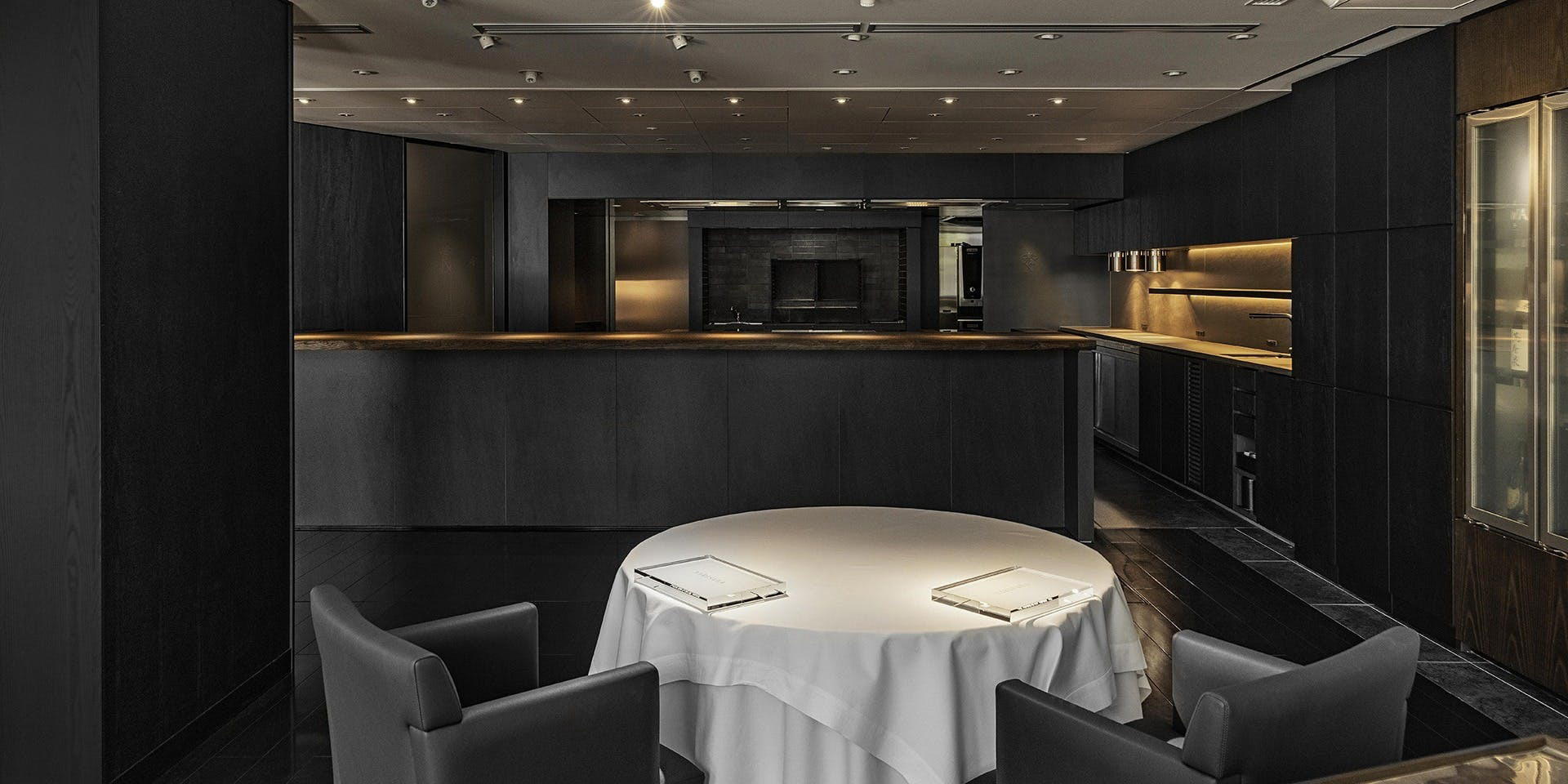
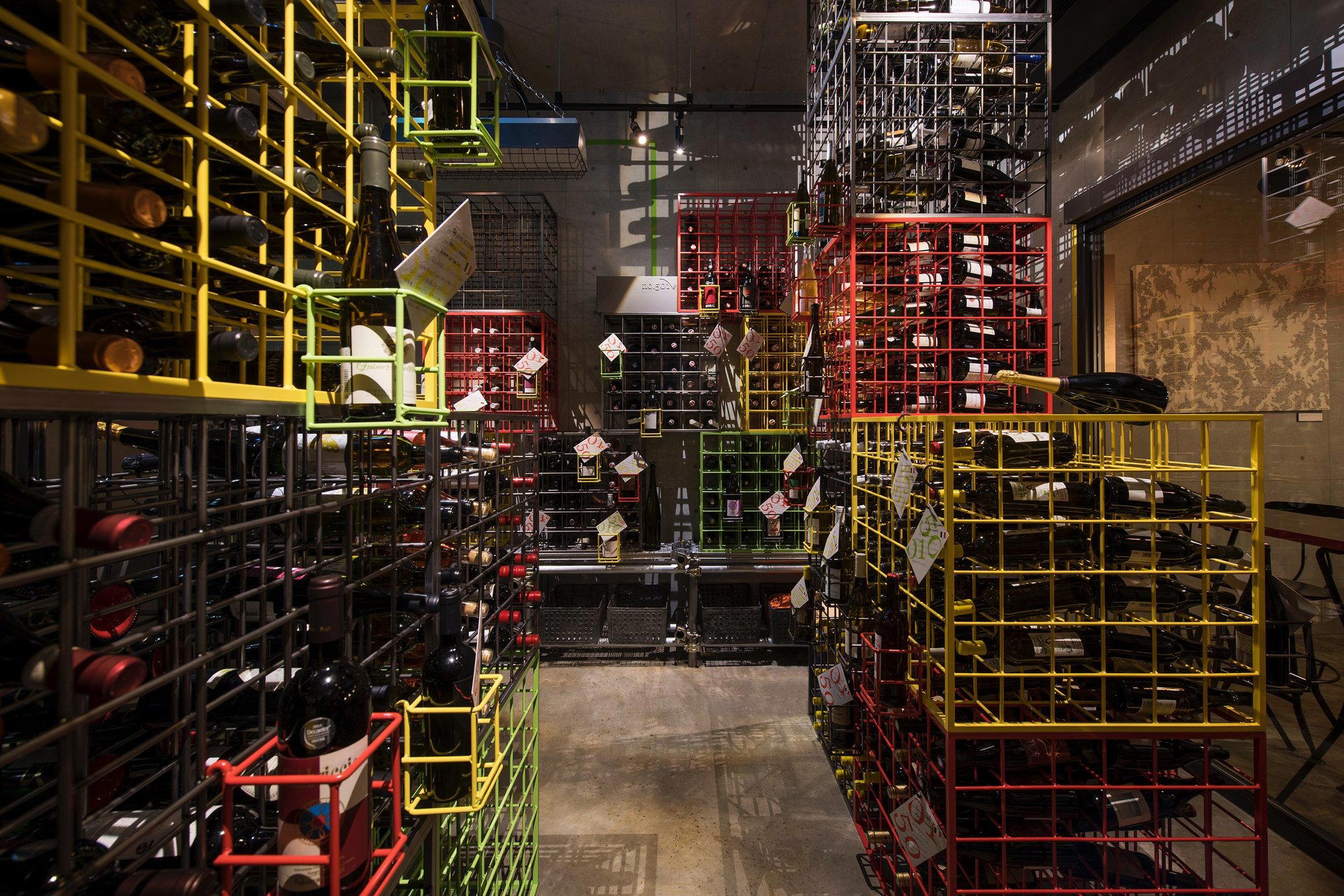
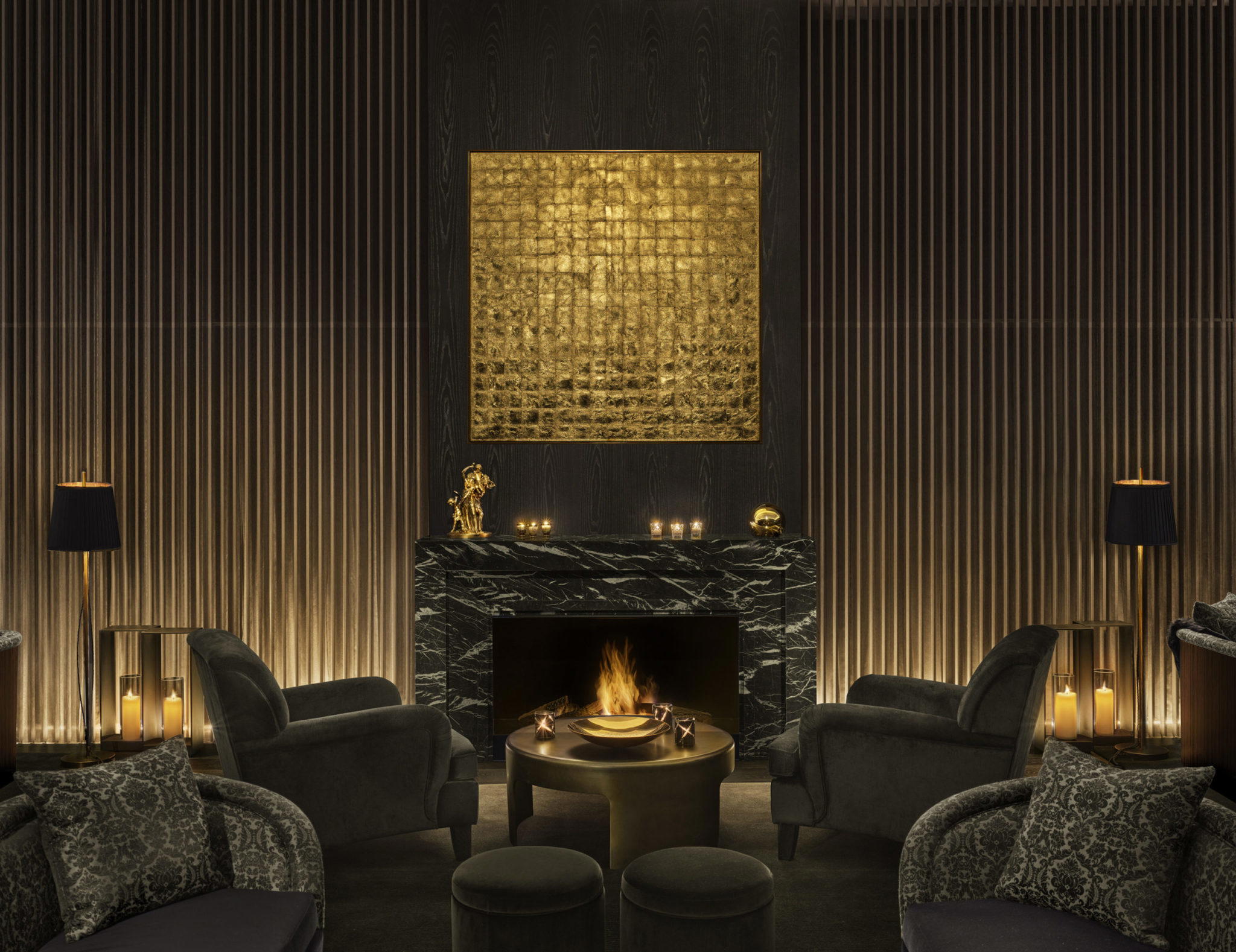
Cozy hideaway with stylish, dimly lit interior creating an intimate and immersive theatrical atmosphere.