Thüres sits in Altenahr, a small Ahr Valley town better known for its Pinot Noir vineyards and dramatic river gorge than for destination dining. The address on Seilbahnstraße places it close to the valley's cable-car infrastructure, situating it within a landscape where local produce and regional wine culture have long shaped what ends up on the plate. For travellers moving through the Rhineland's quieter wine corridors, it registers as a practical and rooted stop.
Pearl is the En Primeur Club membership app — saves, bookings, and concierge access live there. Same editors, same standards.
- Address
- Seilbahnstraße 22, 53505 Altenahr, Germany
- Phone
- +494926437105
- Website
- sermann.de
- Directions
- Get directions
 Saves & bookings on Pearl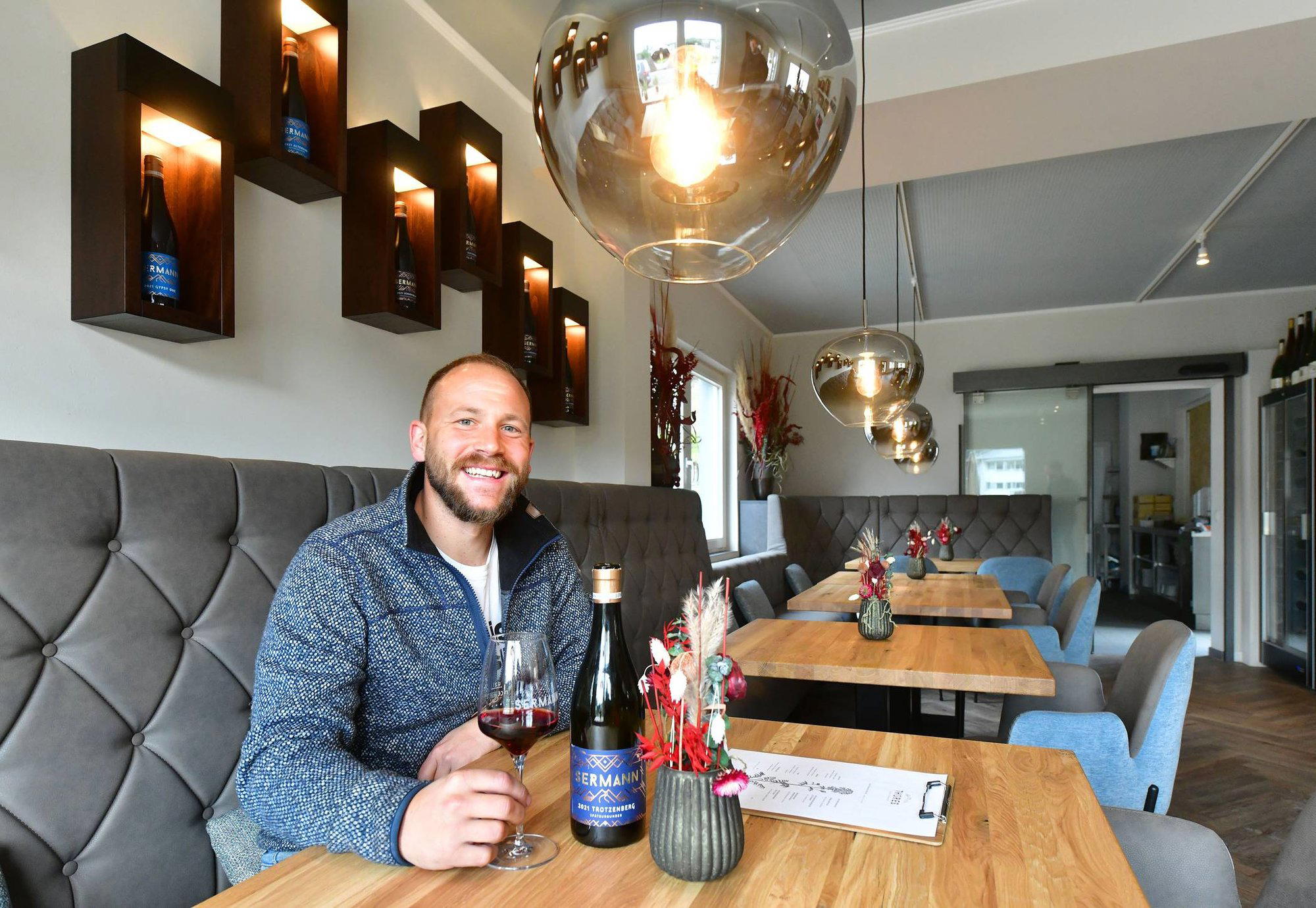
Where the Ahr Valley Sets the Table
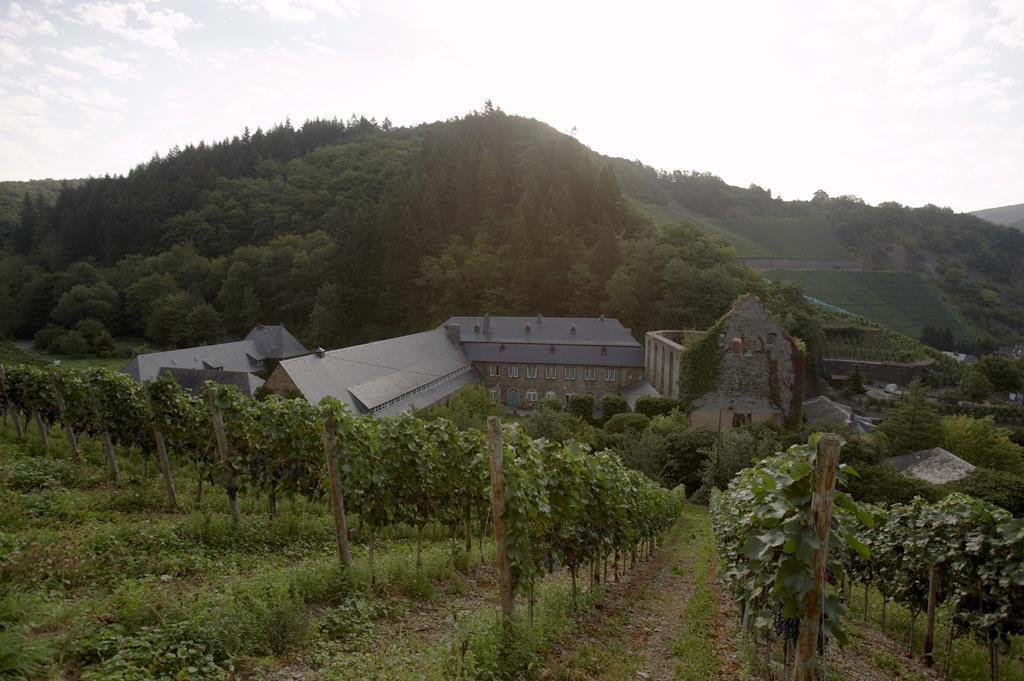
The Ahr is one of Germany's smallest designated wine regions, running roughly 85 kilometres through a steep, slate-sided gorge before it joins the Rhine near Sinzig. Its reputation rests almost entirely on Spätburgunder, the German expression of Pinot Noir, which thrives on the valley's volcanic and slate soils and produces wines with a depth that surprises visitors expecting something lighter from such a northerly latitude. The town of Altenahr sits near the upper reach of this corridor, surrounded by terraced vineyards that survived, in many places only partially, the catastrophic 2021 flood that reshaped the valley's infrastructure and, in turn, its hospitality sector. Dining here has always been tethered to that agricultural reality: the soil determines the wine, the wine determines the table culture, and the table culture shapes what local restaurants are expected to deliver.
Thüres, addressed at Seilbahnstraße 22, occupies a position in this context. The street name references the cable car that once connected the valley floor to the ridge above, a piece of infrastructure that, like much of Altenahr's tourism fabric, carries the memory of the flood alongside its longer history as a hiking and wine-tourism gateway. Restaurants along this axis have historically drawn from both passing trade and committed wine travellers who come specifically for Ahr Pinot Noir and the particular kind of regional cooking that accompanies it.
Ingredient Sourcing as Regional Argument
The Ahr Valley's culinary identity is built on a short-supply-chain logic that precedes any current trend toward local sourcing. Producers here have always sold primarily within the region, partly by necessity and partly by pride: the valley's steep terrain makes large-scale extraction difficult, which keeps volume low and quality pressure high. For a restaurant at Altenahr's centre of gravity, this means access to ingredients, game from the Eifel highlands above, river fish, root vegetables, stone-fruit from the valley terraces, that rarely reach urban wholesale markets. The Eifel plateau, which forms the Ahr's northern watershed, supports a hunting culture that has fed local kitchens for generations, and venison, wild boar, and hare remain fixtures of regional autumn menus across the valley.
This sourcing pattern distinguishes Ahr Valley dining from its more celebrated Rhineland neighbours. The Mosel, with venues like Schanz in Piesport and Bagatelle in Trier, operates closer to a destination-dining model where formal tasting menus reference international technique. The Ahr's smaller restaurant scene tends toward a more embedded model: the menu reflects what the valley produced that week, and the wine list reflects what the neighbours bottled that year. For travellers comparing the Rhineland's regional dining options, that distinction matters. You can trace a more direct line between landscape and plate here than at many better-known addresses further south.
Germany's highest-profile fine dining, operations like Aqua in Wolfsburg, Vendôme in Bergisch Gladbach, or Victor's Fine Dining by Christian Bau in Perl, occupies a tier defined by multi-Michelin recognition, international technique, and price points that reflect their ambition. Regional addresses in wine valleys like the Ahr operate in a different register entirely, where the credential is terroir fluency rather than tasting-menu architecture. That is not a lesser category; it is a different argument about what a meal should accomplish.
Altenahr After the Flood: A Dining Scene Rebuilding
The July 2021 flood was the worst natural disaster in Germany's postwar history, and the Ahr Valley absorbed some of its most concentrated damage. Entire sections of riverside infrastructure were destroyed, and the hospitality sector that had supported wine tourism for decades was forced to rebuild from a fractured baseline. Several restaurants and guesthouses that had operated for generations did not reopen. Those that did returned to a town with a smaller but more purposeful visitor profile: people who came specifically because of the valley's wine reputation and who understood the stakes of supporting local recovery. For Altenahr's surviving hospitality addresses, that shift created both pressure and opportunity. Visitors in the post-flood period have generally been more engaged with what they find, more willing to ask where things come from, and more inclined to connect a meal with its specific place. The regional sourcing logic that always underpinned Ahr cooking suddenly had a new audience for it.
Nearby, Gasthaus Assenmacher represents the kind of rooted local hospitality that the Ahr's recovery has depended on. For visitors building a fuller picture of what Altenahr's dining looks like now, our full Altenahr restaurants guide maps the options across price points and formats. Further afield, Waldhotel Sonnora in Dreis and Schwarzwaldstube in Baiersbronn represent the region's more formal end, while JAN in Munich, ES:SENZ in Grassau, and AUGUST in Augsburg illustrate how German regional cooking translates into more urban, formal formats. For comparison beyond the German context, Le Bernardin in New York City and Atomix in New York City show what the international tier looks like when technique and sourcing are pushed to their furthest expression. Closer in spirit to Altenahr's creative registers, CODA Dessert Dining in Berlin, ATAMA by Martin Stopp in Sankt Ingbert, ammolite in Rust, and Restaurant Haerlin in Hamburg each show how German dining navigates between regional grounding and contemporary ambition.
Planning a Visit
Altenahr is accessible by train on the Ahrtalbahn line from Remagen, which connects to the Cologne-Koblenz mainline. Journey time from Cologne is roughly 90 minutes including the change. The B267 road runs through the valley for those arriving by car from the north. Because Seilbahnstraße sits in the compact centre of Altenahr, most addresses along it are within walking distance of the train station. The valley draws most heavily between May and October, when vineyard walking trails and wine-tasting rooms are fully operational; visiting in the shoulder months of April or November generally means smaller crowds and a more considered pace.
In Context: Similar Options
Comparable venues nearby, for context on price, style, and recognition.
| Venue | Cuisine | Price | Awards | Notes |
|---|---|---|---|---|
| ThüresThis venue — the venue you are viewing | Modern Franco-German Fine Dining | $$$ | Not listed | Not listed |
| Gasthaus Assenmacher | Modern German Regional | $$$ | Michelin Plate | Altenahr |
| Alte Rebe | Modern German-European | $$$ | Not listed | Marktplatz |
| Buchnas Landhotel Saarschleife | Regional Saarland Cuisine | $$$ | Not listed | Mettlach |
| ZumTreppchen | Traditional German Rhineland Pub Food | $$ | Not listed | Südstadt |
| Stanley Diamond | Modern German Comfort Food | $$$ | Not listed | Goethehaus |
Continue exploring
More in Altenahr
Restaurants in Altenahr
Browse all →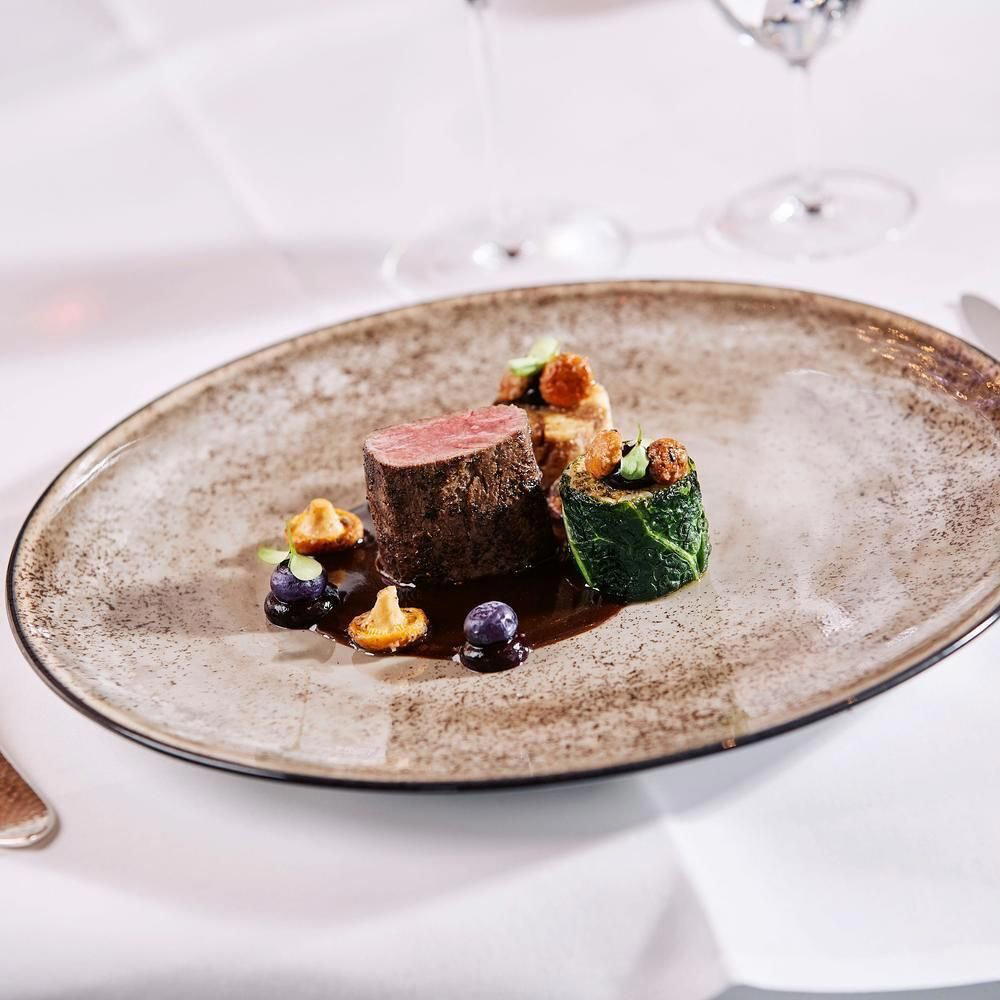
Bars in Altenahr
Browse all →
Hotels in Altenahr
Browse all →

At a Glance
- Cozy
- Elegant
- Intimate
- Rustic
- Date Night
- Special Occasion
- Wine Cellar
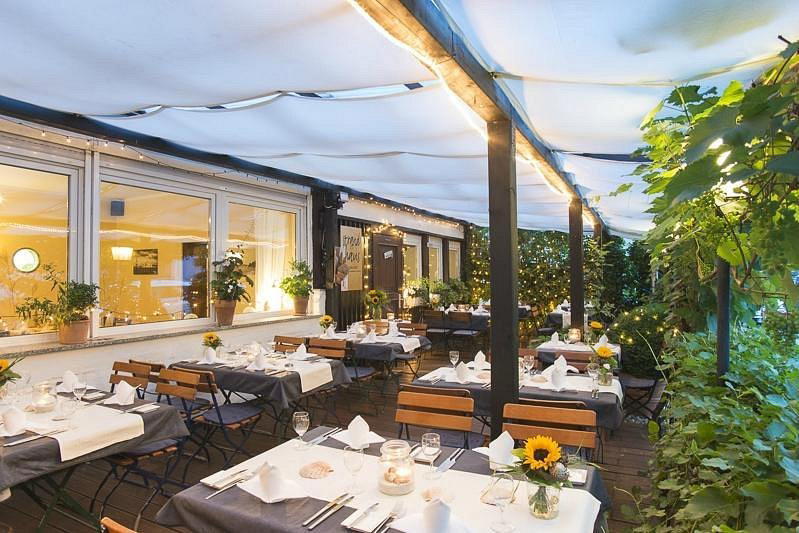
- Terrace
- Extensive Wine List
- Local Sourcing
- Mountain
Current opening hours
- Monday
- 11 AM–3 PM
- Tuesday
- Closed
- Wednesday
- Closed
- Thursday
- 11 AM–11 PM
- Friday
- 11 AM–11 PM
- Saturday
- 11 AM–11 PM
- Sunday
- 11 AM–7 PM
Hours can change for holidays and private events. Last verified .
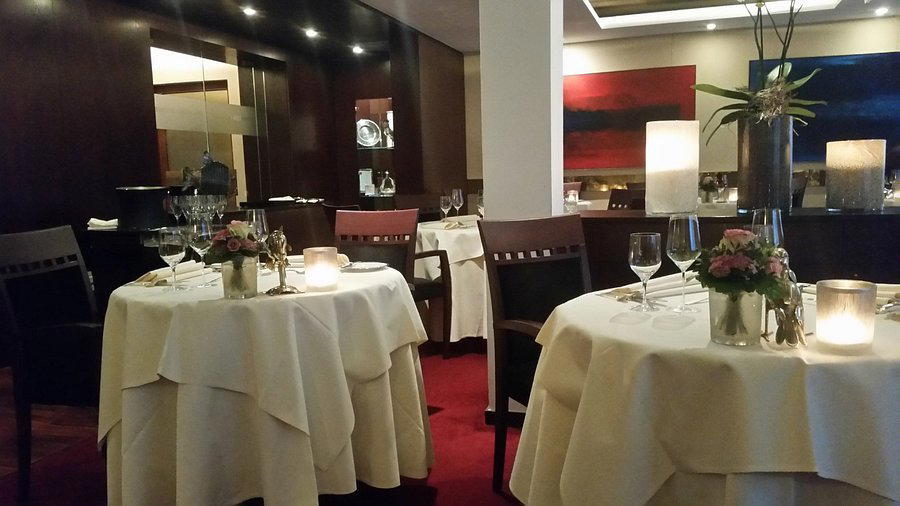
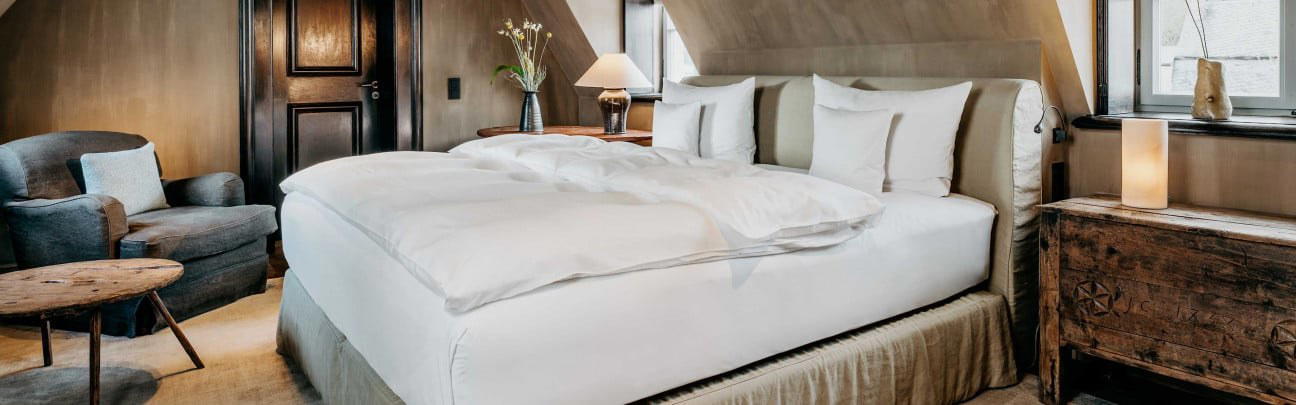
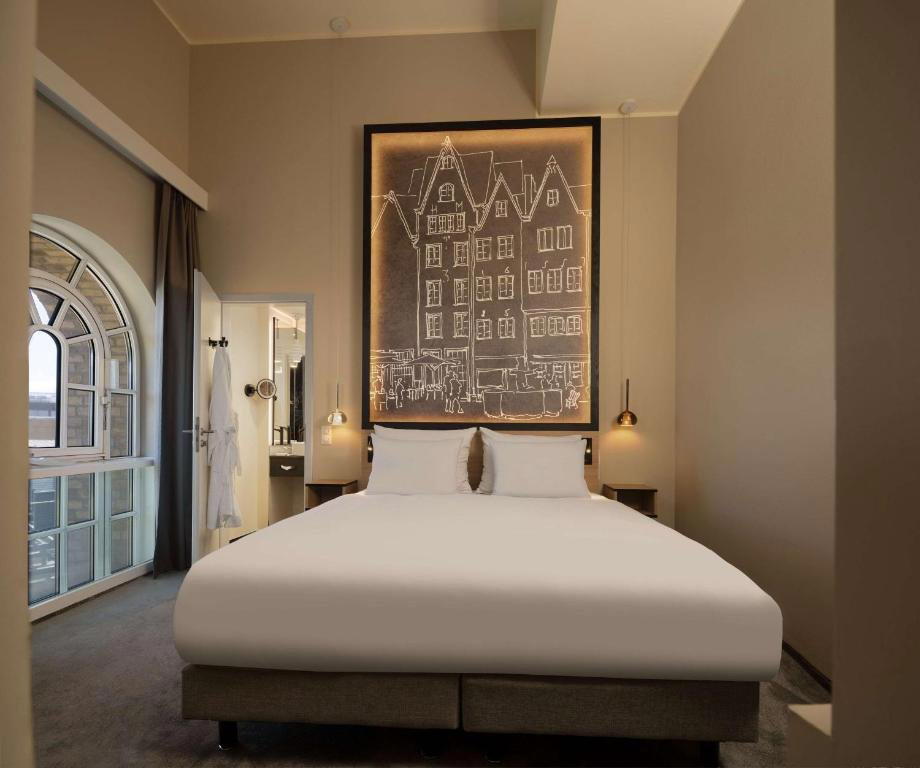
Warm and inventive atmosphere with heartfelt hospitality and personal service in a small 17-seat restaurant.