On the southern edge of Namur, Thomas Manini occupies a stretch of the Chaussée de Nivelles where the city gives way to quieter residential ground. The kitchen works within a Belgian tradition that prizes regional sourcing and seasonal discipline, placing it in a comparable set of ingredient-led addresses that have quietly reshaped the province's dining character over the past decade.
Pearl is the En Primeur Club membership app — saves, bookings, and concierge access live there. Same editors, same standards.
- Address
- Chau. de Nivelles 244, 5020 Namur, Belgium
- Phone
- +32485236797
- Website
- thomasmanini.be
- Directions
- Get directions
 Saves & bookings on Pearl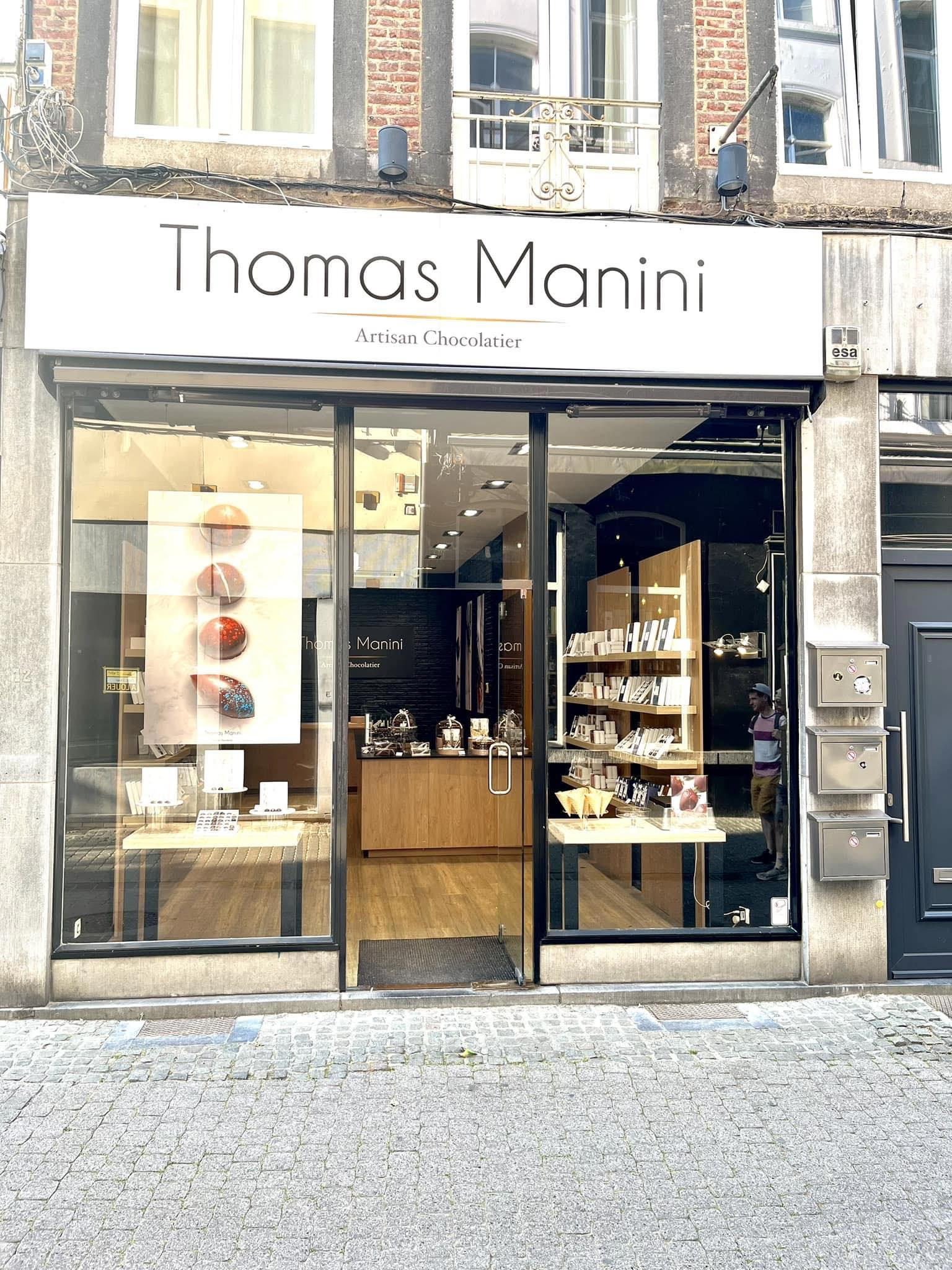
Where Namur's Ingredient-Led Cooking Takes Root
Belgian provincial dining has undergone a slow but measurable shift over the past fifteen years. The model that once dominated, French classical technique applied to imported luxury product, has given way, in many of the country's more serious kitchens, to something closer to the ground: shorter supply chains, stronger relationships with regional producers, and menus that move with the agricultural calendar rather than against it. Thomas Manini is an artisan Belgian chocolatier at Chaussée de Nivelles 244 in Namur, Belgium. The address, 244 on a road that edges away from the city's Meuse-hugging centre toward the quieter communes of the Walloon Brabant border, signals something deliberate: this is not a restaurant positioning itself inside the tourist circuit.
Namur itself sits at a crossroads that has always shaped what ends up on its tables. The confluence of the Sambre and Meuse rivers historically made it a market town of some consequence, and the agricultural land surrounding the city, the Condroz plateau to the south, the Hesbaye cereal belt to the north, remains productive and relatively unspoiled. For kitchens committed to working with what the region actually grows and raises, that geography matters. It creates the conditions in which sourcing decisions become the primary editorial statement of a menu, before technique or presentation enter the frame. Thomas Manini occupies that position in Namur's current dining conversation.
The Case for Regional Sourcing in a Michelin-Tracked Market
Belgium's starred dining circuit has always been weighted toward the Flemish north, where addresses like Hof van Cleve in Kruishoutem, Boury in Roeselare, and Zilte in Antwerp have set a high ceiling for what ingredient-focused cooking can look like at the formal end of the market. Wallonia has produced its own serious kitchens, L'air du temps in Liernu and d'Eugénie à Emilie in Baudour among them, but the province of Namur has historically punched below its agricultural weight in terms of dining recognition. That gap is closing, partly through smaller, less headline-hungry addresses that work the local supply chain with consistent discipline.
The logic of regional sourcing is not simply ethical or environmental, though both arguments apply. It is culinary. Produce that travels shorter distances arrives in better condition. A kitchen that maintains direct relationships with growers can request specific varieties, earlier or later harvests, and non-standard cuts or preparations that a wholesale supply chain never accommodates. At the ambitious end of Belgian provincial cooking, the tier that includes Castor in Beveren, Bartholomeus in Heist, and Willem Hiele in Oudenburg, this kind of producer-kitchen relationship is now the baseline expectation rather than a differentiator. Thomas Manini belongs to that operational philosophy, applied to the specific terroir of the Namur province.
Reading the Namur Dining Map
Within Namur itself, the field of serious restaurants is small enough to map with some precision. Attablez-vous works a creative French register at the €€€ tier. 90 Degrés covers similar price territory with its own take on modern cooking. Basile cuisine gourmande and Belle & Chocolat occupy different registers, the latter carving out a niche that runs from pastry toward the broader table. The Atelier de Bossimé, slightly outside the city, demonstrates what farm-anchored cooking can look like when the sourcing relationship is literal rather than aspirational.
The Chaussée de Nivelles address positions the restaurant away from the cluster of dining addresses near the city's historic centre. That peripheral location is common among kitchens that have prioritised product quality and operational specificity over walk-in foot traffic. A similar pattern plays out in Belgium's other cities: particularly ingredient-focused addresses tend to sit in residential or semi-industrial zones where rents allow the kitchen margin to invest in sourcing rather than location premium. Compared to the operatic settings of addresses like Bozar Restaurant in Brussels or the coastal drama of Bartholomeus in Heist, the southern Namur approach is quieter and more inward-facing, the dining equivalent of a kitchen that knows what it is doing and does not need the room to announce it.
Seasonal Timing and What It Implies
The agricultural calendar of the Namur region creates clear windows of opportunity for sourcing-led kitchens. Late spring brings asparagus from the sandy soils near Ciney; summer moves through stone fruit and the first courgette flowers; autumn introduces game from the Ardennes, alongside the mushroom varieties that grow wild across the province's forested eastern edge. Winter tables in this tradition tend to lean on root vegetables, aged cheeses from the Condroz, and preserved or fermented preparations that carry summer produce into colder months. Kitchens working this way do not offer the same menu year-round, and the gap between a winter visit and a May visit can represent a substantially different experience. For first-time visitors, late spring through early autumn represents one produce-abundant period in the regional calendar.
Across Belgium's reference-tier kitchens, this kind of seasonal discipline is now the threshold expectation. Places like De Jonkman in Sint-Kruis and L'air du temps in Liernu have built their reputations partly on the credibility of their seasonal transitions. For a kitchen at the Namur address on the Chaussée de Nivelles, the same logic applies: the menu is not a fixed document but a record of what the surrounding land is producing in a given week. That is not a sales point but a practical constraint that produces better food when executed with discipline.
Planning a Visit
The restaurant is located at Chaussée de Nivelles 244, in the southern part of Namur, reachable by car from the city centre in under ten minutes, and connected by public transport along the Nivelles road. Those with specific dietary requirements or allergies should raise these at the point of booking, as menus built tightly around seasonal product tend to offer less flexibility mid-service than à la carte formats.
The restaurant operates at a provincial scale, but the underlying principle, that sourcing decisions are the first act of cooking, connects it to a tradition that runs across the serious end of the European table.
Peers in This Market
Comparable venues nearby, for context on price, style, and recognition.
| Venue | Cuisine | Price | Notes |
|---|---|---|---|
| Thomas ManiniThis venue — the venue you are viewing | Artisan Belgian Chocolatier | $ | Not listed |
| Temps Des Cerises | Traditional Walloon Bistro | $$ | Old Namur |
| La Carte du Roi | French-Belgian Brasserie | $$$ | Circus Casino Resort |
| Les Terrasses de l'Écluse | Modern French Brasserie | $$$ | Jambes |
| Incorrect | Modern Sourdough Pizza | $$ | Center of Namur |
| Le Royal | French-Belgian Brasserie | $$ | Namur Centre-Ville |
At a Glance
- Cozy
- Classic
- Casual Hangout
- Standalone
- Local Sourcing
Current opening hours
- Monday
- Closed
- Tuesday
- 9:30–11:30 AM, 1–6:30 PM
- Wednesday
- 9:30–11:30 AM, 1–6:30 PM
- Thursday
- 9:30–11:30 AM, 1–6:30 PM
- Friday
- 9:30 AM–12 PM, 1–6:30 PM
- Saturday
- 9:30 AM–12 PM, 1–6:30 PM
- Sunday
- Closed
Hours can change for holidays and private events. Last verified .
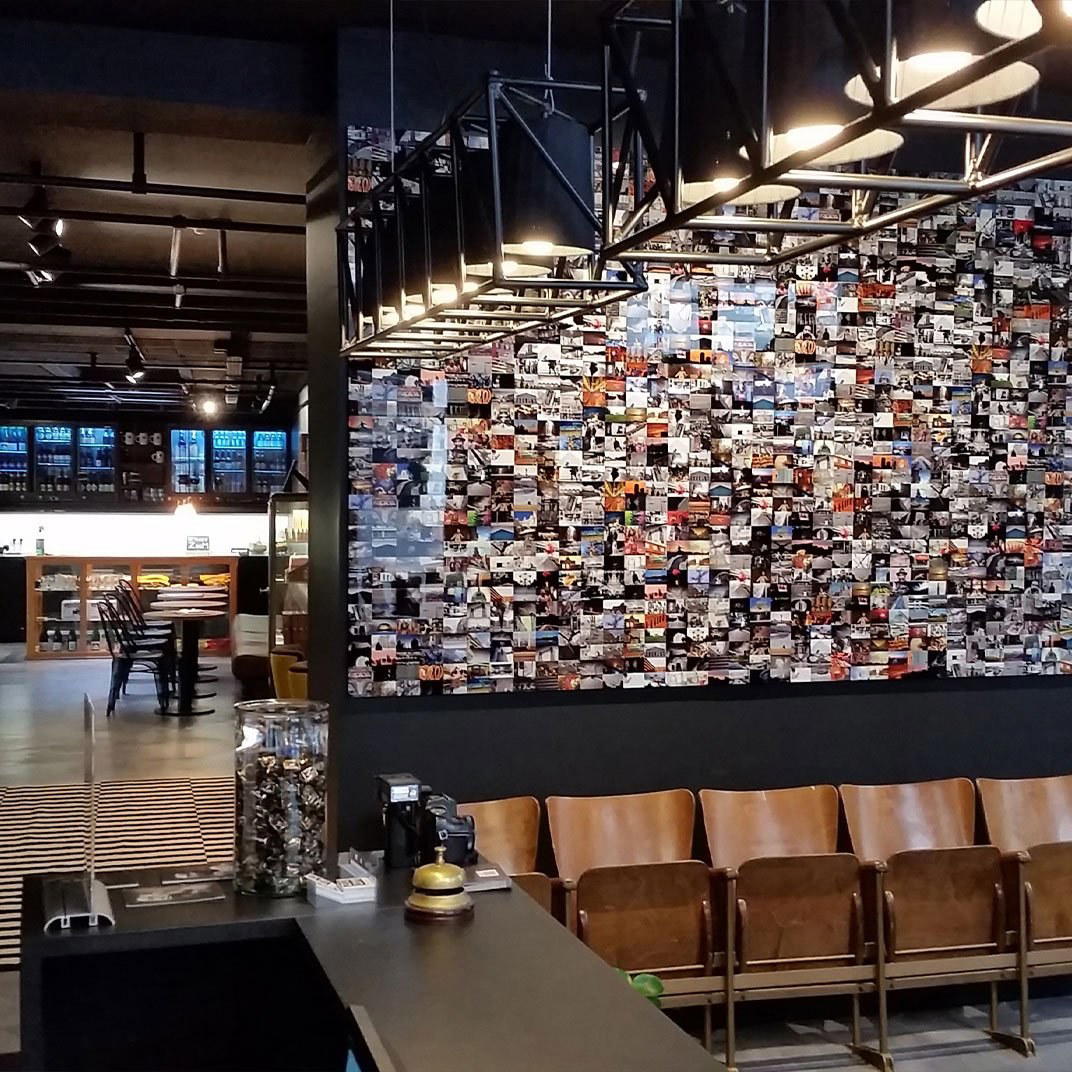
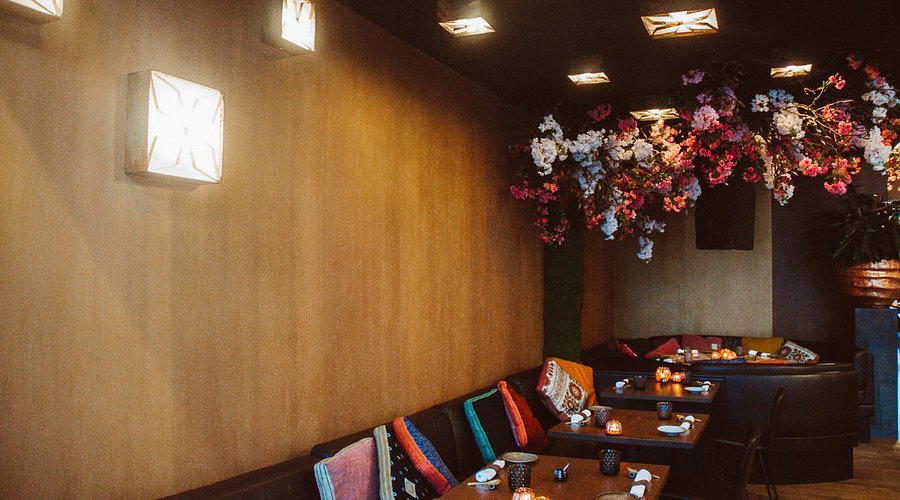
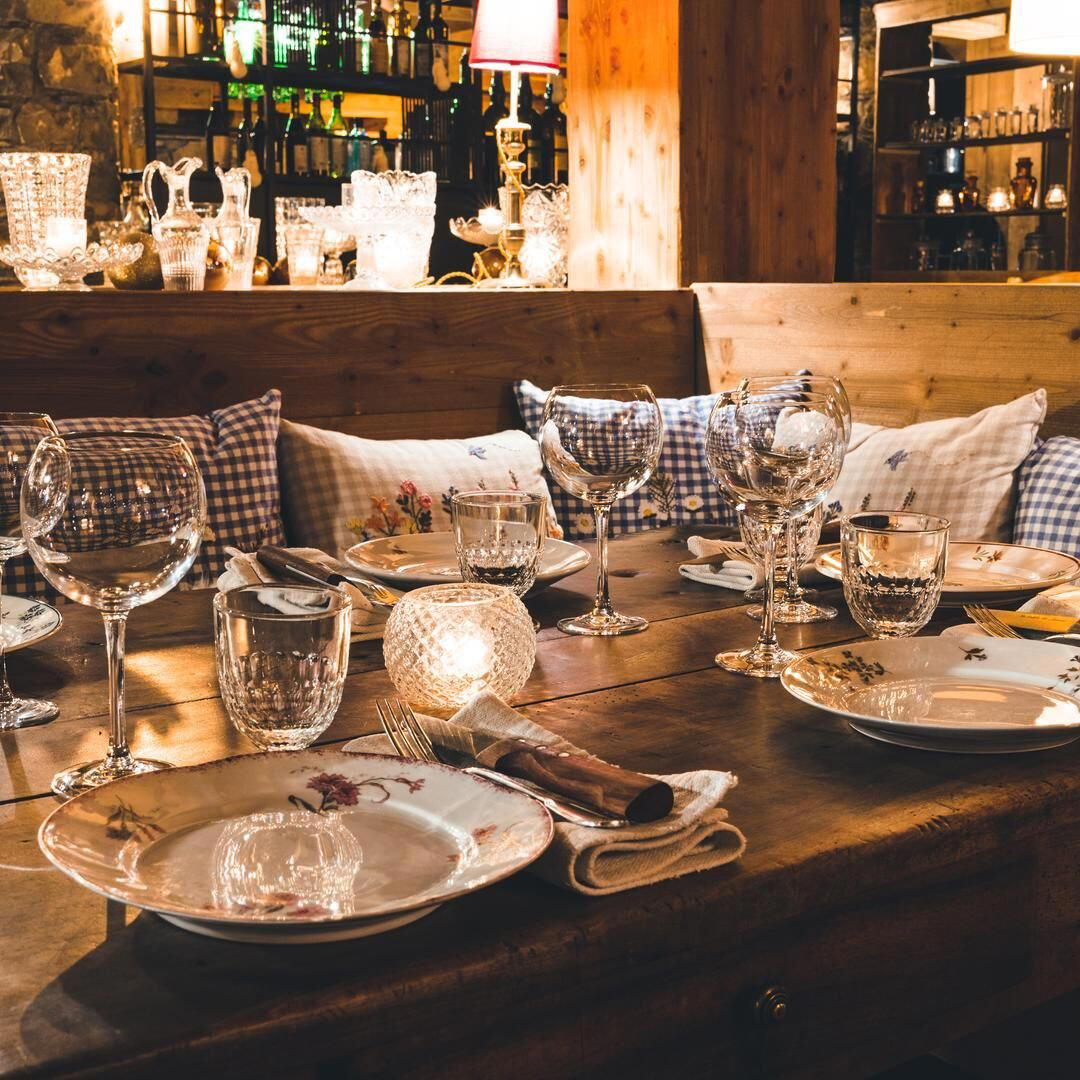
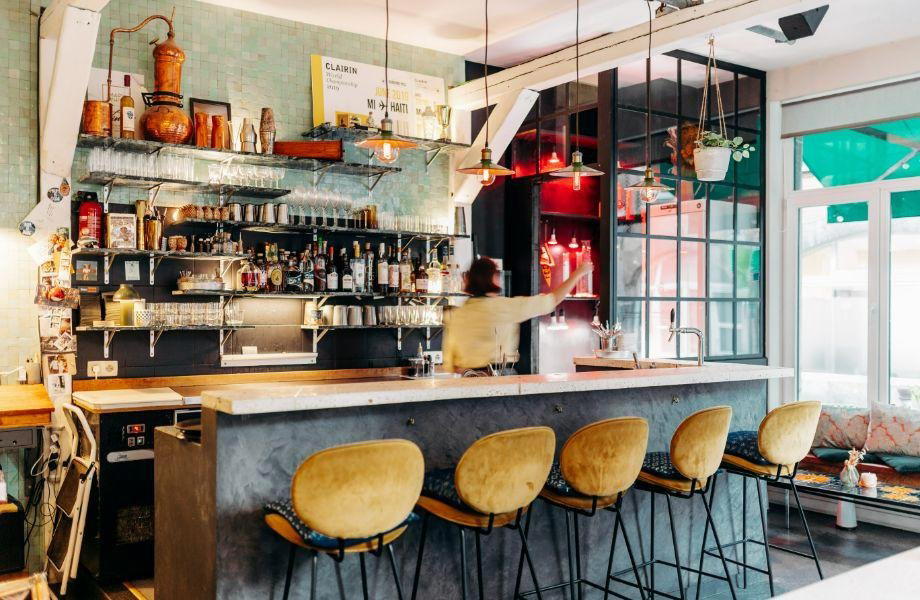
Charming and cozy atmosphere focused on precise, beautifully designed chocolate creations.