Temps Des Cerises occupies a address on Rue des Brasseurs in the heart of Namur, positioning it within a dining quarter where traditional Belgian hospitality and evolving contemporary influences intersect. The restaurant sits in a city whose restaurant scene has quietly diversified over the past decade, making it a reference point for visitors tracing Namur's culinary development beyond its more established names.
Pearl is the En Primeur Club membership app — saves, bookings, and concierge access live there. Same editors, same standards.
- Address
- Rue des Brasseurs 22, 5000 Namur, Belgium
- Phone
- +3281225326
- Website
- cerises.be
- Directions
- Get directions
 Saves & bookings on Pearl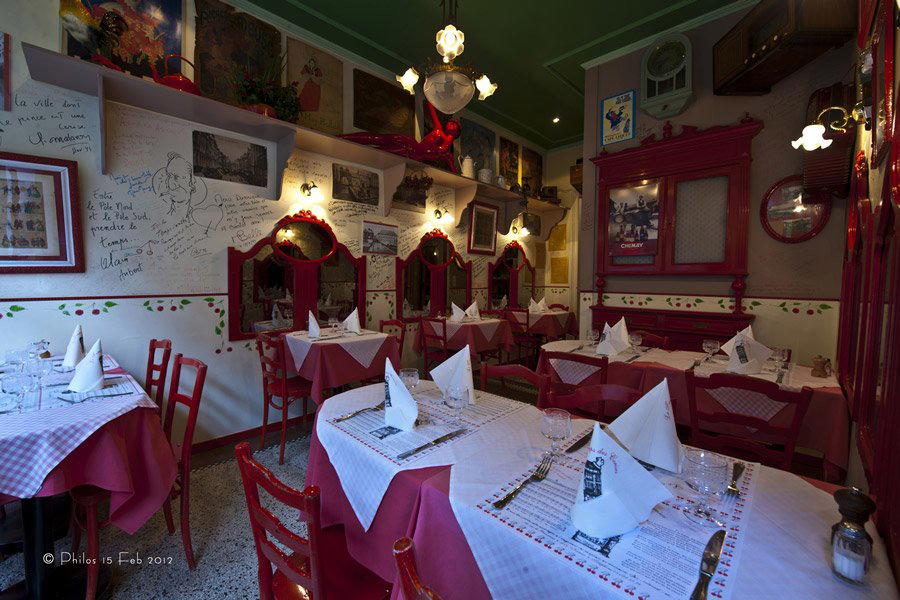
Rue des Brasseurs and the Shape of Namur Dining
Temps Des Cerises is a restaurant in Namur, Belgium, serving traditional Walloon bistro cuisine at a moderate price point. Namur's restaurant scene has never followed Brussels or Liège in a straight line. The Walloon capital has developed its own tempo: slower to adopt trends, more rooted in regional produce and classical French technique, but increasingly willing to absorb outside influence without advertising the fact. Rue des Brasseurs sits near the commercial and civic core of the city, a street that has seen its dining identity shift incrementally over years as Namur's middle tier of restaurants filled in around the established addresses. Temps Des Cerises, at number 22, is part of that evolution rather than a departure from it.
Understanding where Temps Des Cerises fits requires a brief account of what Namur dining looked like a generation ago. The city's table was dominated by classic brasserie formats and Franco-Belgian cuisine delivered without much editorial comment. Price points were moderate, menus changed by season rather than concept, and the expectation of both kitchen and diner was fundamentally conservative. What has changed since is the arrival of a more considered middle register: restaurants that maintain the warmth and accessibility of the brasserie tradition while bringing greater precision and source-consciousness to the plate. The restaurant belongs to that middle register, sitting alongside addresses like Basile cuisine gourmande and Belle & Chocolat in a tier that prioritises coherence of offer over spectacle.
A Name That Carries Its Own History
The name the restaurant carries weight in French cultural memory. It references a nineteenth-century chanson associated with the Paris Commune, a song about cherry season and loss that became a recurring emblem of working-class solidarity. Whether that resonance is intentional or coincidental in this context is less important than what it signals about register: this is not a venue name chosen for its legibility to international visitors. It implies a particular relationship with French cultural tradition, a preference for the earned and the literary over the immediately legible. In a city like Namur, where several restaurants have opted for names that foreground locality or individual chef identity, the choice is a mild but meaningful form of positioning.
That kind of positioning matters when reading how a restaurant in a secondary Belgian city holds its place over time. Namur lacks the critical mass of fine dining addresses that allows Brussels restaurants to feed off each other's momentum. An address on Rue des Brasseurs earns its longevity through repeat local custom, through being reliable enough that Namur residents choose it for occasions that matter. That is a different commercial logic than the one operating at, say, Hof van Cleve - Floris Van Der Veken in Kruishoutem or Boury in Roeselare, where destination dining draws from a national and international pool. The restaurant operates in a register where the neighbourhood is the audience.
How the Middle Register Has Evolved in Wallonia
The evolution of mid-market dining in Wallonia over the past fifteen years tracks a broader European pattern, but with regional inflection. The French bistronomy movement that transformed Paris in the late 2000s reached Belgian provincial cities with a lag, arriving in diluted form and often hybridised with local brasserie habits. What emerged in cities like Namur, Liège, and Dinant was not bistronomy as a strict format but a gradual increase in kitchen ambition at price points that remained accessible. Restaurants began sourcing more deliberately, reducing menu length, and treating the lunch service as something other than a production exercise.
Within Namur specifically, the past decade has produced a cohort of addresses working in this evolved middle register. Attablez-vous operates at the creative French end of that spectrum at the €€€ tier, while addresses like 90 Degrés and Atelier de Bossimé represent the range of approaches the city now sustains. The comparison set for the restaurant sits in this local field rather than in the Belgian fine dining tier occupied by addresses like Zilte in Antwerp or Willem Hiele in Oudenburg. These are different conversations happening at different altitudes.
What the restaurant represents in this context is continuity with adjustment: the kind of restaurant that has not pivoted dramatically but has absorbed the incremental changes in diner expectation and kitchen practice that have redefined what a serious mid-market address looks like in a provincial Belgian city. That continuity is itself a form of editorial choice, and in a dining culture that sometimes equates change with quality, it is worth treating with some seriousness.
Belgium's Broader Fine Dining Frame
For visitors arriving in Namur as part of a longer Belgian itinerary, the reference points are worth establishing. Belgium punches above its weight in the European fine dining conversation. Bozar Restaurant in Brussels, Bartholomeus in Heist, Castor in Beveren, De Jonkman in Sint-Kruis, and L'air du temps in Liernu anchor a national scene that performs credibly against European peers. Internationally, addresses like Le Bernardin in New York City and Atomix in New York City represent the kind of precision-led fine dining that Belgium's leading kitchens can engage with on technique if not always on scale. Namur's dining scene occupies a different position in that hierarchy, but it is not disconnected from these broader currents. D'Eugénie à Emilie in Baudour and Atelier de Bossimé show that Wallonia's kitchen ambition extends well beyond the capital.
Visiting and Planning
Rue des Brasseurs 22 places the restaurant within easy reach of Namur's historic centre, the citadel, and the main pedestrian shopping district, making it a natural stop for visitors spending time in the city rather than passing through. Namur is accessible by direct train from Brussels in under an hour, which positions it as a viable day-trip destination for diners based in the capital.
Recognition Snapshot
Comparable venues nearby, for context on price, style, and recognition.
| Venue | Cuisine | Price | Awards | Notes |
|---|---|---|---|---|
| Temps Des CerisesThis venue — the venue you are viewing | Traditional Walloon Bistro | $$ | Not listed | Not listed |
| Les Terrasses de l'Écluse | Modern French Brasserie | $$$ | Not listed | Jambes |
| PETIT PAYS Restaurant | Seasonal Neo-Bistro | $$$ | Not listed | Not listed |
| Partage | French Bistro | $$ | Michelin Plate | Place Maurice Servais |
| Carré d'herbes | Modern French Fine Dining | $$$ | Not listed | Wépion |
| 90 Degrés | Modern French Tasting Menu | $$ | Not listed | Centre |
At a Glance
- Cozy
- Classic
- Rustic
- Well Known
- Date Night
- Group Dining
- Casual Hangout
- Special Occasion
- Historic Building
- Standalone
- Extensive Wine List
- Beer Program
- Local Sourcing
- Farm To Table
Current opening hours
- Monday
- Closed
- Tuesday
- 12–10:30 PM
- Wednesday
- 12–10:30 PM
- Thursday
- 12–10:30 PM
- Friday
- 12–10:30 PM
- Saturday
- 6:30–10:30 PM
- Sunday
- Closed
Hours can change for holidays and private events. Last verified .
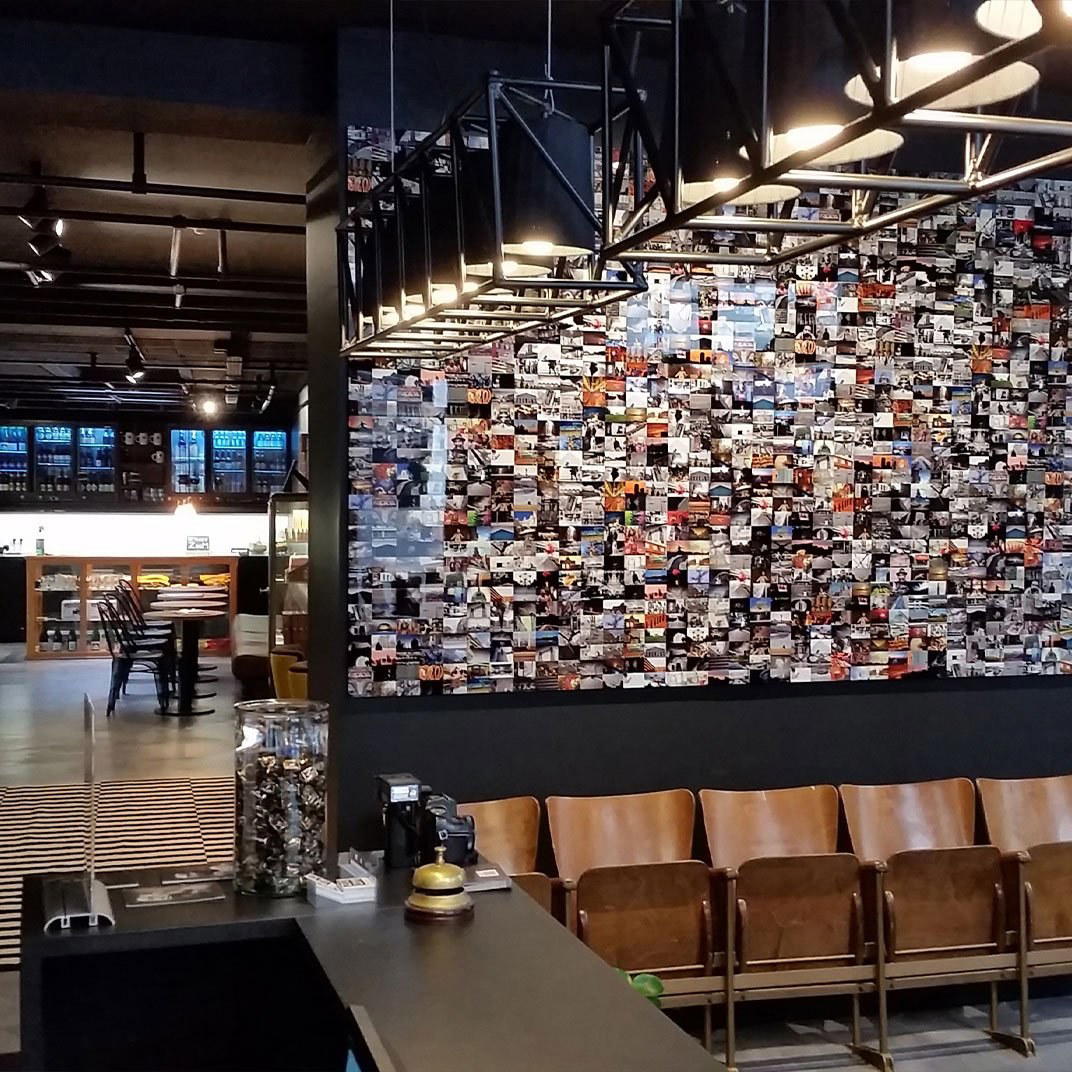
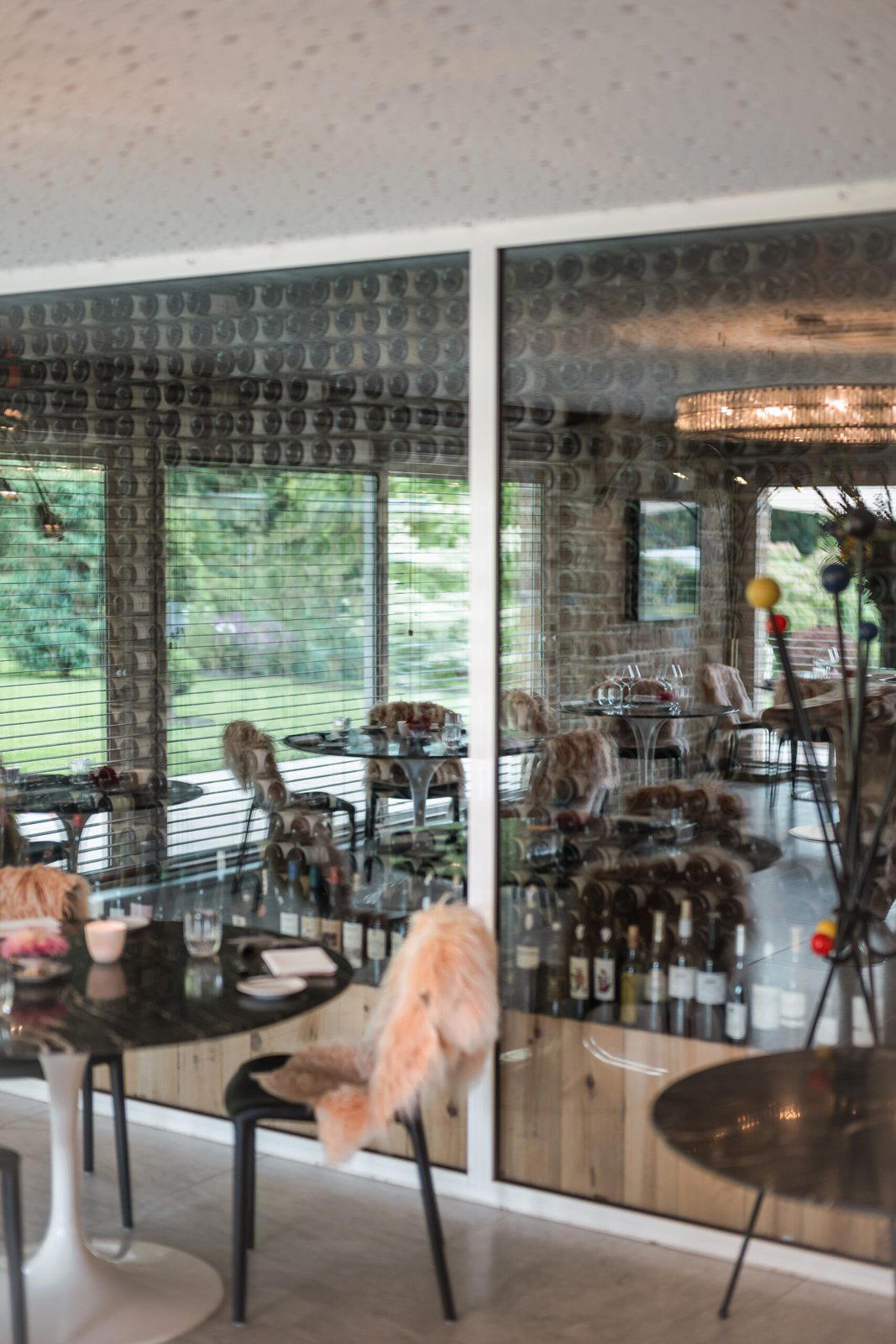
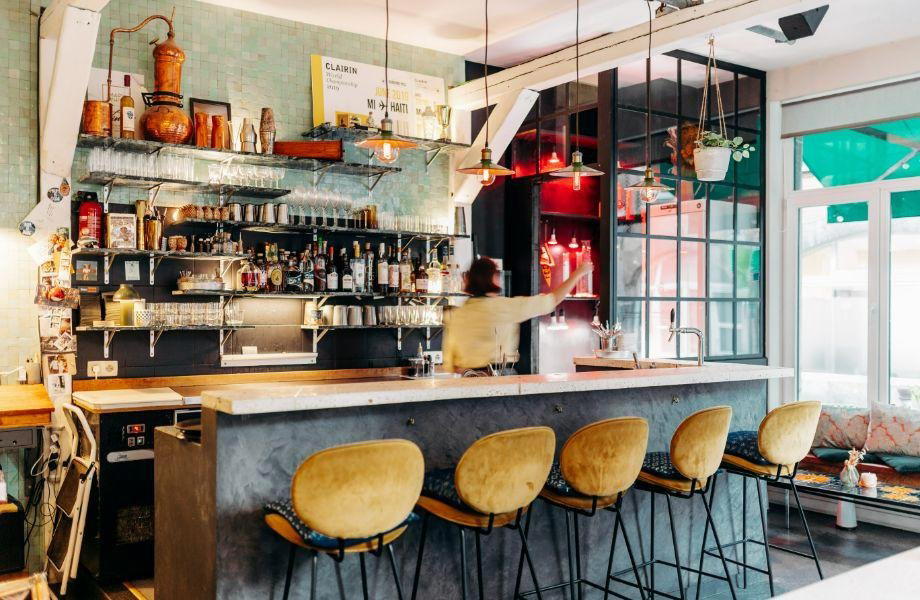
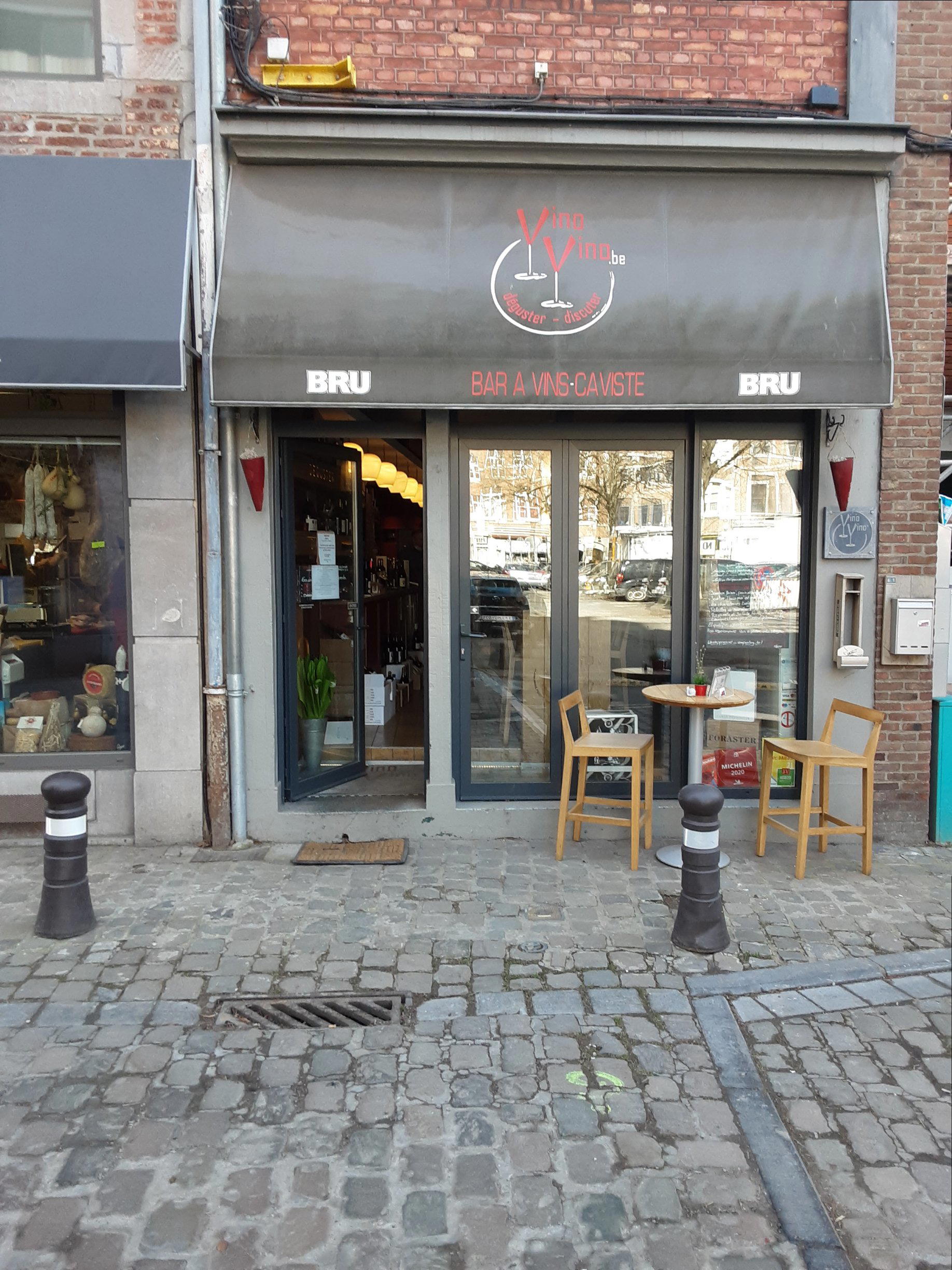
Warm and relaxed with red and white décor, gingham tablecloths, and vintage character; intimate dining rooms upstairs with walls displaying autographs of notable guests.