The Wolseley (restaurant) — New York
Our verdict
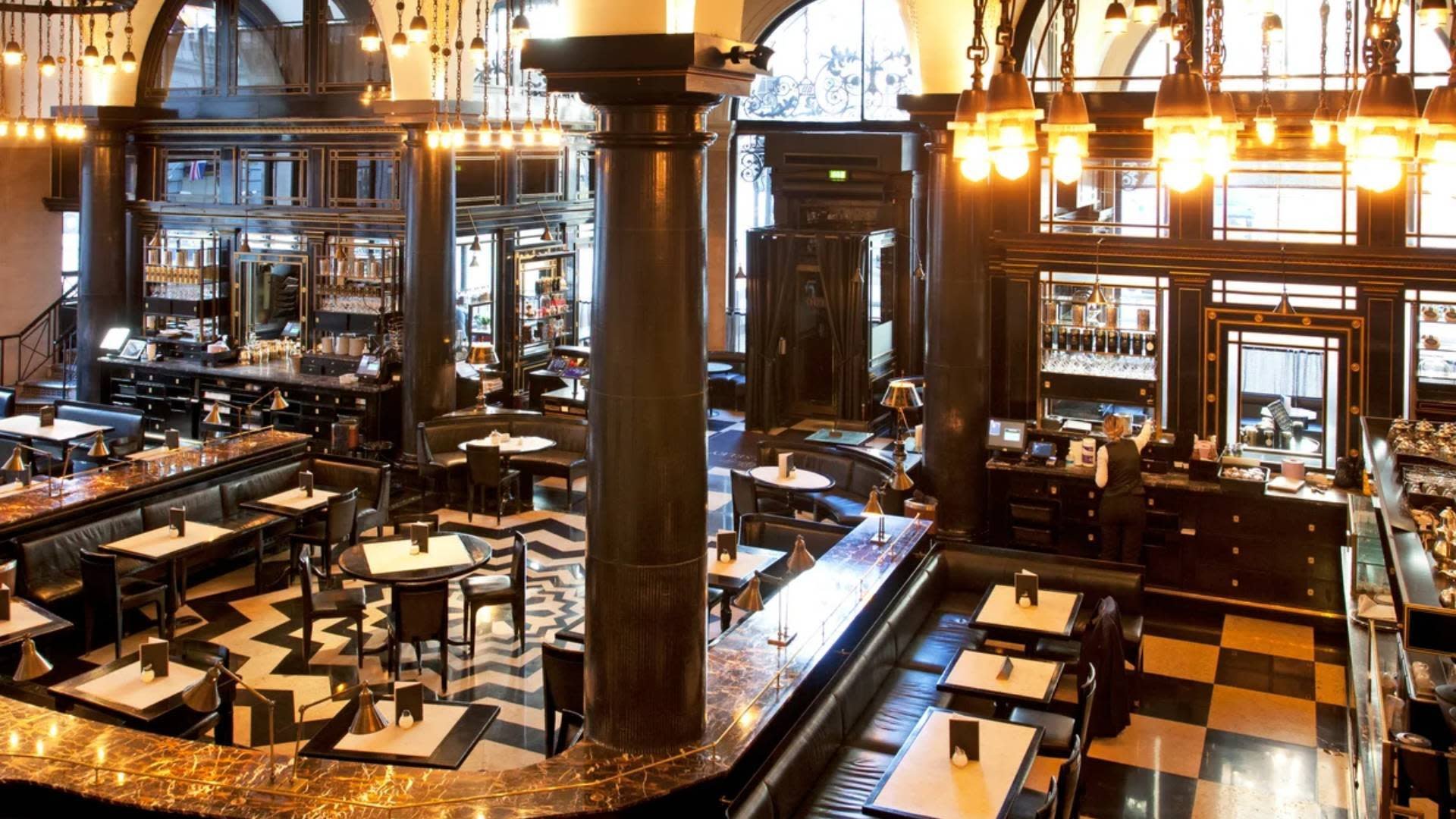
The Wolseley's New York outpost translates the London original's grand European café format into an all-day dining room built around British-inspired cooking. Where Manhattan's top tasting-menu counters demand advance planning and four-figure commitments, this is a room designed for return visits across breakfast, lunch, and dinner — a format that has defined the Wolseley brand since its 2003 Piccadilly founding.

Pearl is the En Primeur Club membership app — saves, bookings, and concierge access live there. Same editors, same standards.
- Address
- New York City, United States
The menu
What to order
- Full English Breakfast
- Kedgeree
- Marmalade and Toast
- Oysters
- Caviar Dishes
The European All-Day Format Arrives in New York
When the original Wolseley opened on Piccadilly in 2003, it imported a format that London had largely lost: the grand European café operating across the full arc of the day, from morning pastry service through late-evening supper, with a menu broad enough to accommodate a business breakfast, a solo lunch at the counter, and a multi-course dinner without any of those occasions feeling like an afterthought. The New York iteration carries that same structural ambition into a city where all-day dining at this register is far rarer than the density of four-star tasting rooms might suggest. Venues like Le Bernardin, Per Se, and Masa operate within narrow service windows and fixed formats. The Wolseley is doing something categorically different.
That difference matters more than it might initially seem. Manhattan's premium dining scene has consolidated around the omakase or tasting-menu model, where the kitchen controls the sequence, the pacing, and often the price point — sometimes aggressively so. The all-day European café, with its à la carte breadth and deliberate informality, is a counterweight to that tendency. It asks something different of a kitchen: not a single composed experience, but a coherent identity expressed across dozens of dishes across many hours. The menu architecture, in this context, is the statement.
What the Menu Structure Reveals
The British-inspired framework the Wolseley operates within is a specific culinary register, not a vague gesture toward Anglophilia. In its London form, that has meant dishes rooted in Central European café tradition — wiener schnitzel, beef tartare, eggs Benedict at any hour, alongside British breakfast staples and afternoon tea as a formal, timed service. The menu doesn't prioritise novelty.
That structural legibility is what separates a well-executed all-day café from a hotel restaurant that happens to serve three meals. The London Wolseley built its reputation on exactly this clarity of identity: a menu that signals where it stands relative to European café tradition rather than trying to position itself against the city's more technically ambitious restaurants. In New York, the same logic applies. The competitive conversation isn't with Atomix or Jungsik New York. It's with a narrower set of rooms capable of serving well across a full day without the menu feeling like three different restaurants stitched together.
The all-day format also forces a different kind of discipline around breadth. A tasting-menu kitchen can concentrate its sourcing and technique on a handful of dishes. An all-day kitchen producing a range wide enough to satisfy a 7 a.m. breakfast and a 10 p.m. supper requires genuine operational depth. The menu structure, what is served when, and in what format, is the most honest indicator of whether a room has achieved that depth or is simply attempting it.
Placing the Room in the New York Context
New York's hotel restaurant has had a complicated reputation. For much of the 1990s and early 2000s, the category was synonymous with safe, undistinguished cooking aimed at guests too tired to venture out. The last fifteen years have seen genuine recalibration: a wave of hotel dining rooms that operate as standalone destinations, drawing neighbourhood regulars and destination diners rather than relying on captive hotel guests. The Wolseley format fits this later model, which requires the room to justify itself on its own terms rather than as a convenience.
The broader American fine-dining scene, from Alinea in Chicago to The French Laundry in Napa and Blue Hill at Stone Barns in Tarrytown, has trended toward experiential formats that demand full commitment from the diner: long menus, fixed prices, no substitutions. Against that backdrop, a room that allows a guest to arrive for a soft-boiled egg and a coffee, or for a full three-course dinner, without any pressure toward a particular format or spend, represents a genuine editorial position, not just a commercial strategy.
Internationally, the model has precedent in rooms like Alain Ducasse at Louis XV in Monte Carlo and the broader tradition of European grand café dining that the London Wolseley was explicitly designed to revive. The New York outpost is, in effect, proposing that Manhattan has sufficient appetite for this format to sustain it at a premium register.
Seasonal Considerations and When to Visit
All-day European cafés in this register tend to perform differently across the calendar in ways that pure tasting-menu restaurants do not. The morning and midday services attract a different clientele in different seasons: heavy business use through autumn and winter, a lighter leisure crowd through spring and summer. Afternoon tea, if carried over from the London format, performs most naturally in the cooler months when the ritual feels appropriate rather than incongruous. These rhythms matter for how to plan a visit, because the character of the room shifts meaningfully between a Tuesday morning in January and a Saturday lunch in June.
For anyone planning a broader New York dining trip that includes reservations at the city's more structured tasting rooms, the Wolseley format serves as a useful counterpoint: a room that doesn't require forward planning at the same level, and that can anchor the less formal end of a multi-day itinerary. Our full New York City restaurants guide maps the city's dining across formats and price tiers for context on where this room sits.
How It Compares Across the US
The grand all-day European café format remains genuinely sparse across American cities. Venues like Emeril's in New Orleans, Providence in Los Angeles, Addison in San Diego, Bacchanalia in Atlanta, The Inn at Little Washington, Lazy Bear in San Francisco, and Single Thread Farm in Healdsburg all operate within more contained, experiential formats. None occupies the same structural territory as an all-day room with a deliberately European café identity. Internationally, a closer comparison might be the dining room at a property like 8½ Otto e Mezzo Bombana in Hong Kong, where European culinary identity is the deliberate frame. The Wolseley in New York is making a specific argument about what the city is missing, and the menu architecture is its primary evidence.
Planning Your Visit
Given the all-day format, timing and occasion type determine more of the experience here than at a single-service tasting-menu restaurant. The morning service rewards early arrivals who want the room at its quietest. Lunch is the natural slot for a first visit, when the menu's breadth is most apparent and the pacing is unhurried.
Quick reference: British-inspired all-day dining, New York City, hotel restaurant format operating across breakfast, lunch, and dinner service.
Frequently asked questions
What do people recommend at The Wolseley New York?
The format itself is the recommendation: a British-inspired menu designed to hold across breakfast, lunch, afternoon, and dinner in a single room. At any Wolseley property, the strongest choices tend to fall within the classic café register — eggs at breakfast, properly constructed savouries at lunch — rather than ambitious evening plates. Ordering against the format, not with it, is the most common misstep.
What's the best way to book The Wolseley (restaurant) — New York (hotel's all-day restaurant)?
Reservations are recommended for The Wolseley (restaurant) — New York (hotel's all-day restaurant) in New York City. Confirm current policy via the venue's official channels.
Peers in This Market
Comparable venues nearby, for context on price, style, and recognition.
| Venue | Cuisine | Price | Notes |
|---|---|---|---|
| The Wolseley (restaurant), New YorkThis venue — the venue you are viewing | British Grand Café | $50–100 | Not listed |
| Brooklyn High Low | Traditional Afternoon Tea | $50–100 | Prospect Heights |
| Sushi Ginza | Japanese Sushi | $50–100 | Upper East Side-Lenox Hill-Roosevelt Island |
| Loi Estiatorio | Authentic Greek | $50–100 | Central Park |
| Jacques Brasserie | Classic French Brasserie | $50–100 | Upper East Side-Carnegie Hill |
| Forty Four | New American Gastropub | Not listed | Midtown-Times Square |
Continue exploring
More in New York City
Restaurants in New York City
Browse all →
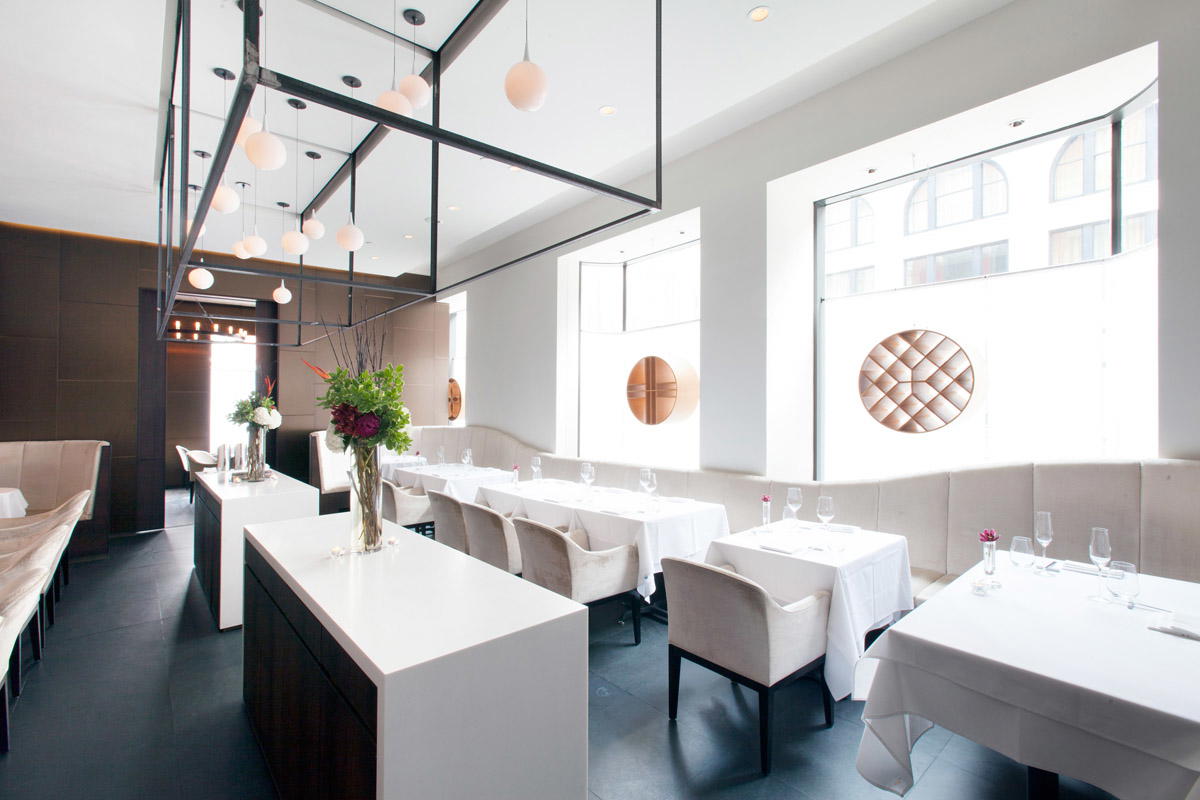
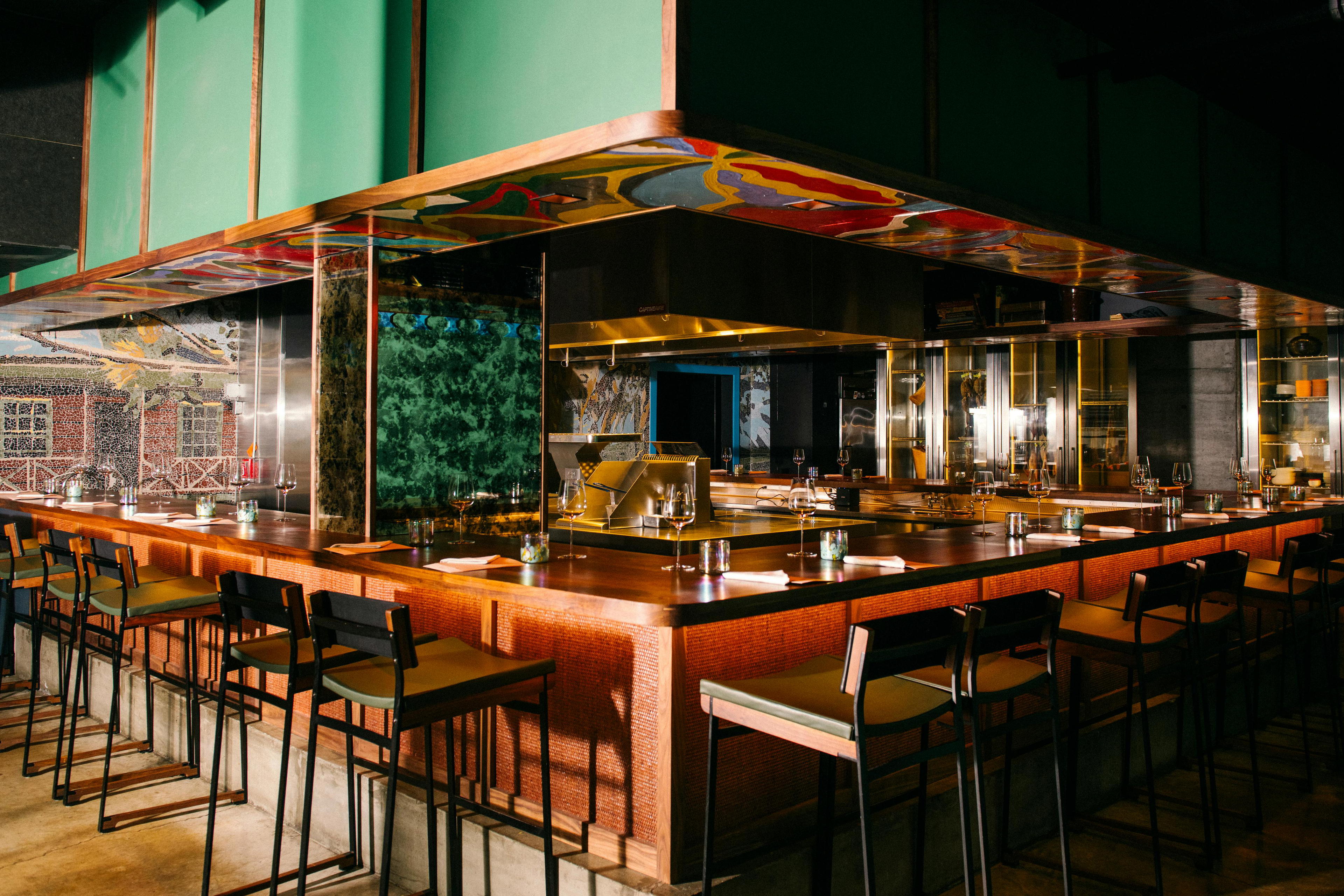
Bars in New York City
Browse all →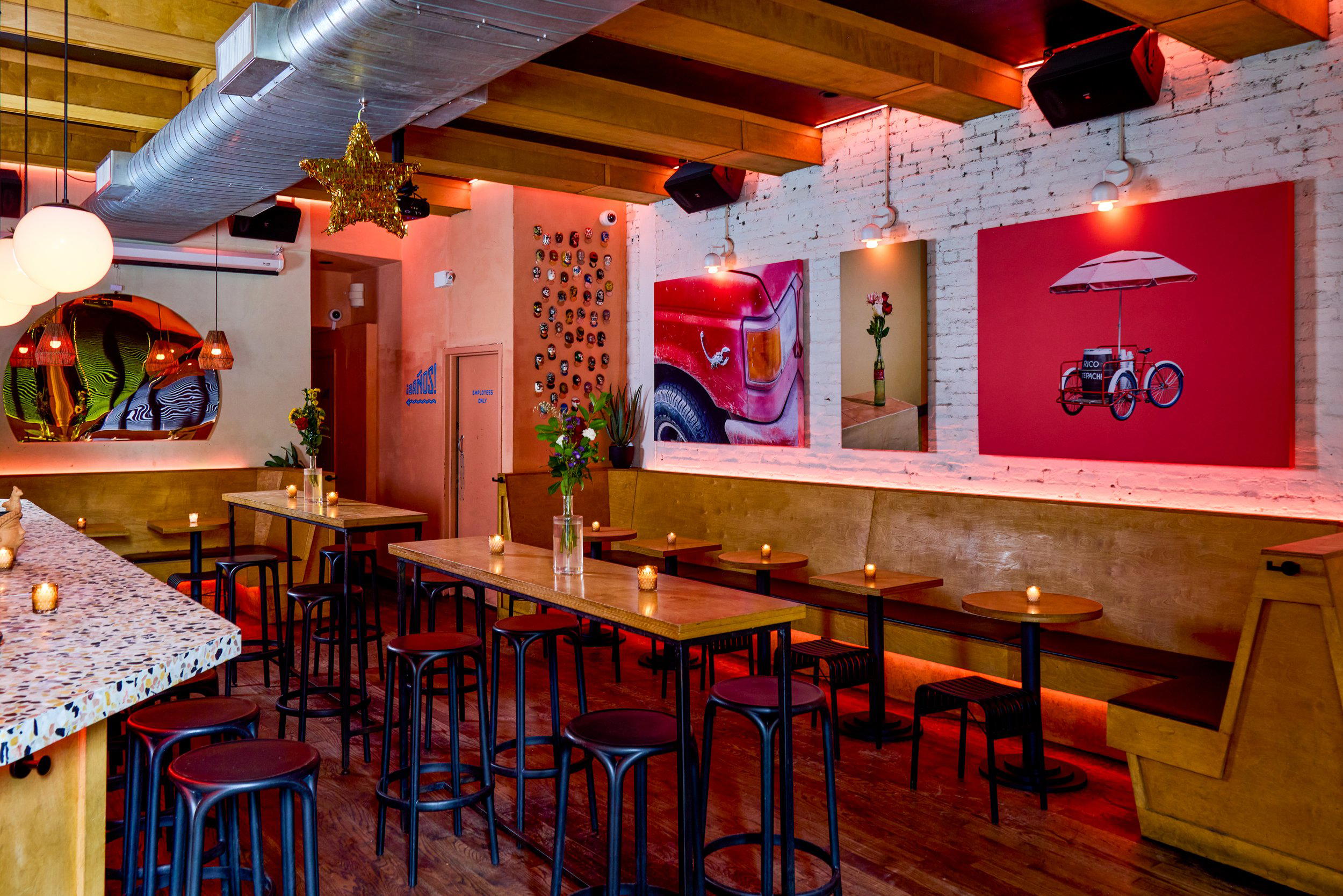
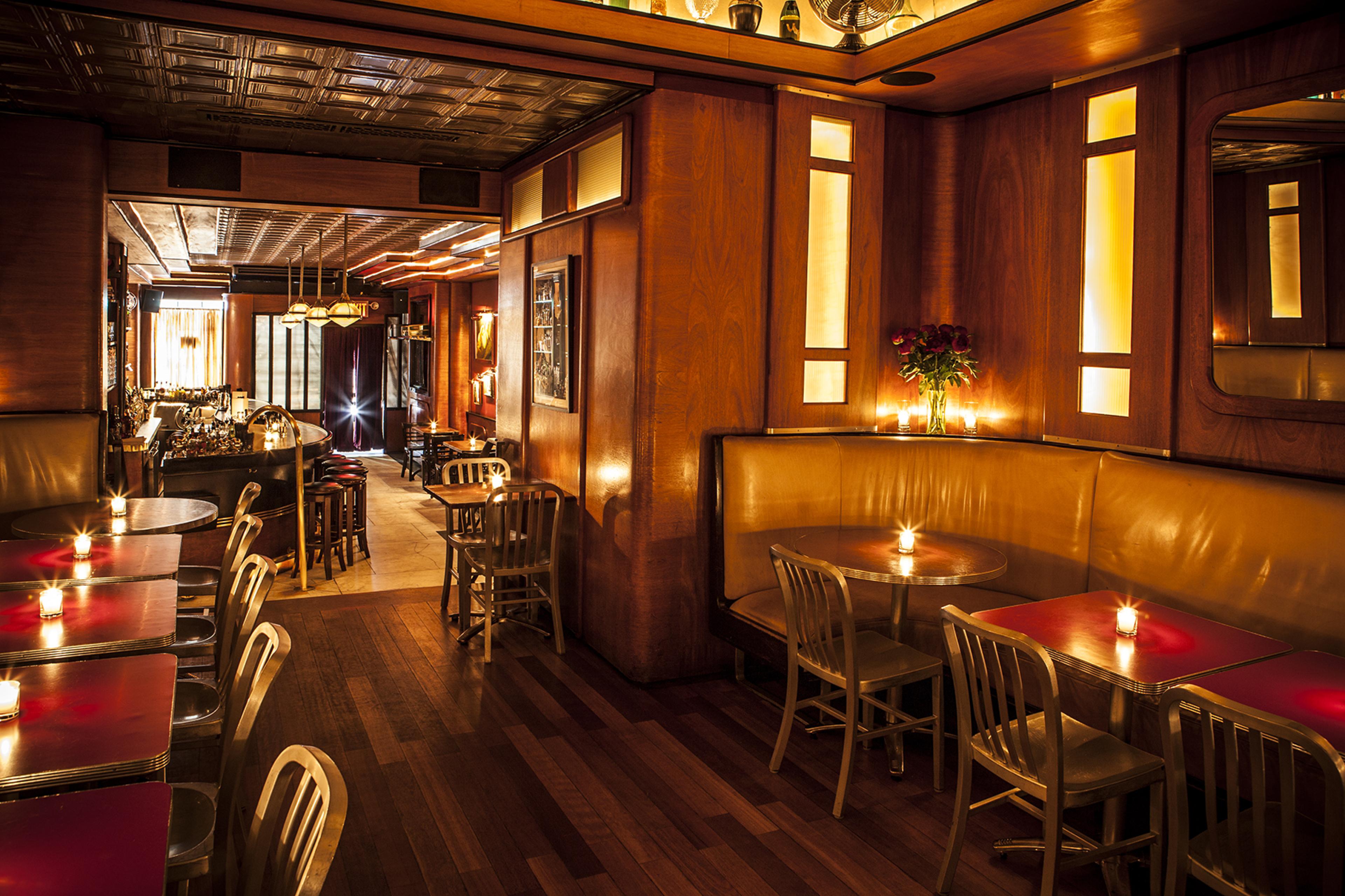
Hotels in New York City
Browse all →
Wineries in New York City
Browse all →
Details
- Elegant
- Sophisticated
- Well Known
- Classic
- Business Dinner
- Group Dining
- Celebration
- Brunch
- Date Night
- Hotel Restaurant
- Historic Building
- Design Destination
- Private Dining
- Craft Cocktails
- Extensive Wine List
- Local Sourcing
- A La Carte
- Set Menu
- Signature Cocktails
- Wine
- Vegetarian Friendly
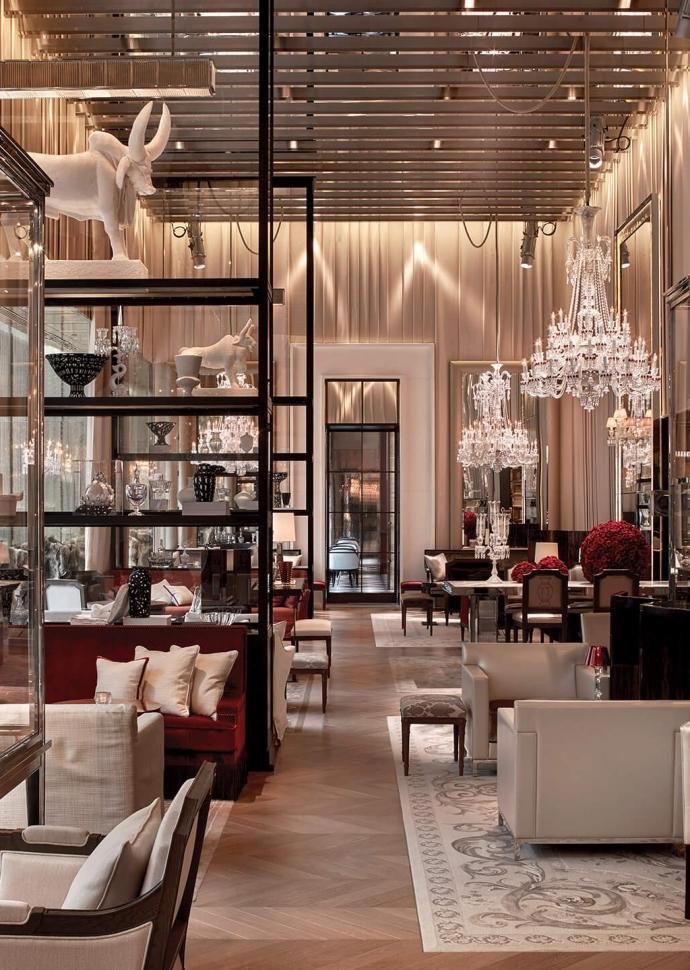
Grand café atmosphere with refined European sensibility, polished interiors, and bustling social energy reminiscent of a cultural gathering place.