Jacques Brasserie
Jacques Brasserie on East 85th Street occupies a corner of the Upper East Side where French brasserie cooking has maintained a quiet foothold for decades. The address places it squarely in a residential stretch of Manhattan where neighbourhood regulars and weekend visitors converge. For those tracing the French bistro tradition in New York, it warrants attention alongside the broader Upper East Side dining circuit.
Pearl is the En Primeur Club membership app — saves, bookings, and concierge access live there. Same editors, same standards.
- Address
- 206 E 85th St, New York, NY 10028
- Phone
- +12123272272
- Website
- jacquesbrasserie.com
- Directions
- Get directions
 Saves & bookings on Pearl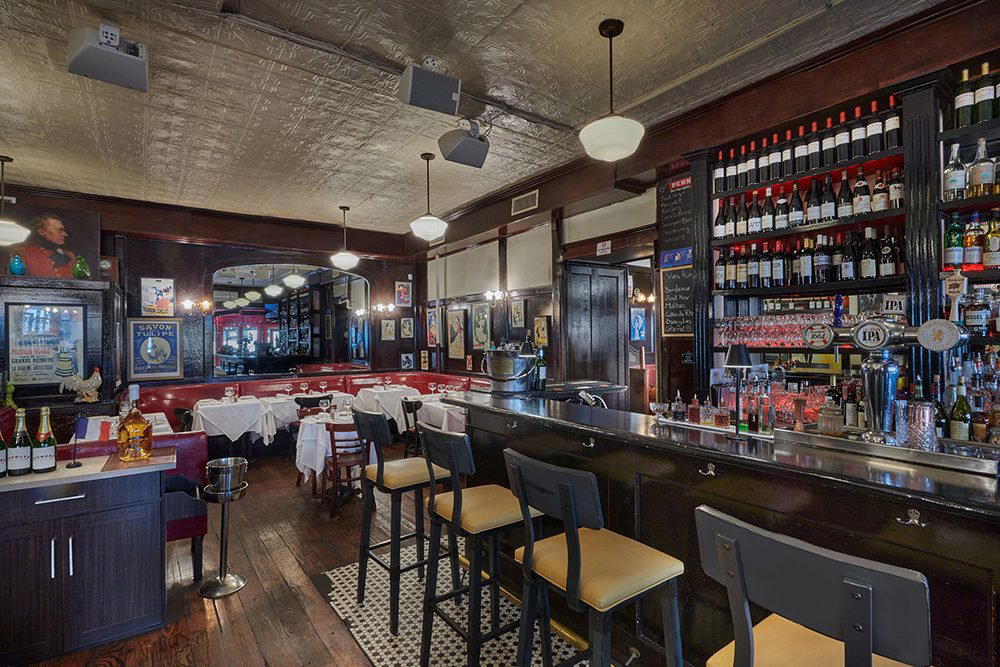
The French Brasserie Tradition on the Upper East Side
Manhattan's French restaurant presence has always been uneven by geography. Midtown and the West Village have historically captured the flagship addresses, from Le Bernardin and Per Se at the formal end to the neighbourhood bistros filling the blocks between. The Upper East Side represents a different tier of that tradition: less destination-driven, more embedded in the rhythms of a residential district where people eat French food on a Tuesday without much ceremony. Jacques Brasserie at 206 East 85th Street sits in this zone, a brasserie format in a neighbourhood that still supports them when the cooking is credible.
That neighbourhood context matters more than it might appear. The stretch of the Upper East Side running through the mid-80s east of Lexington has always had a particular character, with a concentration of long-standing restaurants that survive not on tourist traffic but on repeat custom. A brasserie in this setting competes less with the prix-fixe institutions downtown and more with the local French and European options that have defined the area's dining identity for generations. The comparison set is different, the pressure is different, and the expectations of the room are calibrated accordingly.
What the Brasserie Format Signals in 2024
The brasserie as a format carries specific meaning in contemporary New York dining. It implies a certain breadth of menu, a willingness to serve at most hours, and a room designed for occupation rather than occasion. New York has lost a significant number of mid-range French brasseries over the past two decades as costs rose and the middle ground compressed. What survives tends to be either cheap and casual or serious and expensive. The venues that hold the middle ground, offering proper French brasserie cooking at neighbourhood prices, are rarer than they were. Across the broader American dining scene, French-influenced brasseries at this level find regional comparisons at places like Emeril's in New Orleans or the more farm-connected format at Blue Hill at Stone Barns in Tarrytown, though both operate at different price points and with different ambitions.
The sustainability dimension of the French brasserie tradition is often underappreciated. Classic brasserie cooking was, by structural necessity, low-waste: offal featured because it had to, braised cuts appeared because they were economical, and the kitchen ran on technique rather than premium product. That logic has become increasingly relevant as sourcing ethics and waste reduction have moved from niche concerns to mainstream considerations in serious kitchens. Restaurants across the country, from Single Thread Farm in Healdsburg and Lazy Bear in San Francisco to Providence in Los Angeles, have formalised ethical sourcing as a core identity signal. A neighbourhood brasserie operates with less fanfare around these commitments, but the underlying logic of whole-animal cooking and market-driven menus maps closely onto contemporary sustainability thinking.
Sourcing, Seasonality, and the Case for Traditional Technique
French brasserie menus built around seasonal availability and classical preparation techniques have an inherent alignment with low-waste cooking that more trend-driven formats often lack. The rotation of what appears on the plate tracks what is available and affordable, which in turn tracks what is at its natural peak. That seasonal discipline, practiced consistently, produces menus that shift meaningfully across the year rather than presenting a static list of signature dishes regardless of month.
The Upper East Side location gives Jacques Brasserie proximity to the Greenmarket network that supplies a number of serious New York kitchens, including those at some of the city's more formally recognised addresses. The question of whether a neighbourhood brasserie sources at that level or draws from conventional supply chains is one that diners increasingly ask, and it is one that separates restaurants at a similar price point more meaningfully than almost any other single factor. For a broader view of how New York's dining scene distributes across formats, sourcing commitments, and price tiers, the EP Club New York City restaurants guide maps the field in more detail.
How Jacques Brasserie Sits Within Its comparable set
The relevant comparison set for a venue at this address is not the formal French dining rooms that define New York's highest tier. Le Bernardin, Per Se, and peers like Atomix, Masa, and Jungsik New York operate in a different register entirely, both in format and in what a visit costs. The brasserie category sits below that tier and competes instead with the French and European neighbourhood restaurants that have historically defined upper Manhattan dining. Nationally, the closest analogue for a restaurant holding a similar position in its city might be Bacchanalia in Atlanta or Addison in San Diego, though both have moved up-market from their origins. The European reference point for what a well-run brasserie can achieve at the highest level is something like Alain Ducasse at Louis XV in Monte Carlo, which demonstrates how seriously the French tradition can be executed, though that comparison operates several price tiers above a neighbourhood brasserie format. Closer in spirit to the neighbourhood-embedded approach are venues like The Inn at Little Washington, which has committed publicly to reducing meat consumption and sourcing from its own gardens. Ambitious sustainability commitments at Alinea in Chicago or ingredient-first sourcing at 8½ Otto e Mezzo Bombana in Hong Kong show how the same underlying values translate across formats and geographies.
Planning Your Visit
The restaurant is located at 206 East 85th Street in the Yorkville section of the Upper East Side, accessible via the 4/5/6 trains at 86th Street. Reservations are recommended, and the room is open daily from 12 to 10 PM.
Same-City Peers
Comparable venues nearby, for context on price, style, and recognition.
| Venue | Cuisine | Price | Notes |
|---|---|---|---|
| Jacques BrasserieThis venue — the venue you are viewing | Classic French Brasserie | $$$ | Not listed |
| Le Tout Va Bien | Classic French Bistro | $$$ | Hell's Kitchen |
| Le Rivage | Classic French Bistro | $$$ | Hell's Kitchen |
| L'Accolade | French Neo-Bistro | $$$ | West Village |
| Bobo | Classic French Country | $$$ | West Village |
| Le Jardin Bistro | Authentic French Bistro | $$$ | Lower East Side |
Continue exploring
More in New York City
Restaurants in New York City
Browse all →
Bars in New York City
Browse all →
Hotels in New York City
Browse all →





At a Glance
- Cozy
- Romantic
- Classic
- Intimate
- Bohemian
- Date Night
- Business Dinner
- Group Dining
- Casual Hangout
- Standalone
- Terrace
- Extensive Wine List
- Local Sourcing
Current opening hours
- Monday
- 12–10 PM
- Tuesday
- 12–10 PM
- Wednesday
- 12–10 PM
- Thursday
- 12–10 PM
- Friday
- 12–10 PM
- Saturday
- 12–10 PM
- Sunday
- 12–10 PM
Hours can change for holidays and private events. Last verified .
Warm and inviting with dark wooden walls adorned with vintage poster advertisements and bohemian scenes, creating a cozy European charm reminiscent of Paris.