Loi Estiatorio
Loi Estiatorio occupies a considered position among Midtown Manhattan's fine-dining addresses, bringing Greek-Mediterranean cooking to a neighbourhood more accustomed to French and contemporary American formats. The kitchen leans on Aegean sourcing traditions at a price point that places it alongside the area's established white-tablecloth tier. For diners seeking an alternative to the French and Japanese counters that dominate Midtown's upper bracket, it offers a distinct culinary reference point.
Pearl is the En Primeur Club membership app — saves, bookings, and concierge access live there. Same editors, same standards.
- Address
- 132 W 58th St, New York, NY 10019
- Phone
- +12127130015
- Website
- loiestiatorio.com
- Directions
- Get directions
 Saves & bookings on Pearl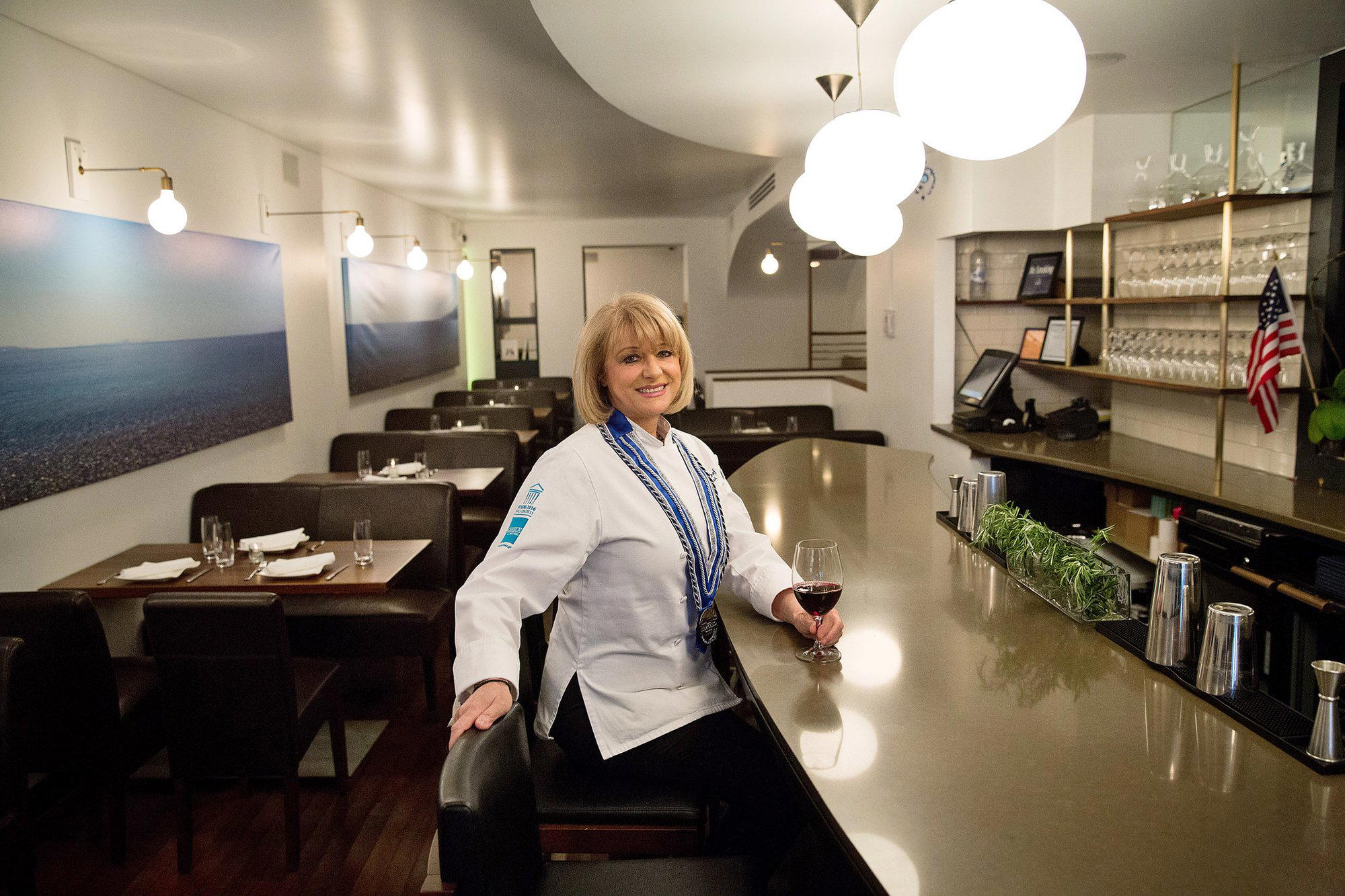
Greek Fine Dining in a Midtown That Rarely Speaks Greek
Midtown Manhattan's restaurant corridor between 57th and 59th Streets is well-mapped territory for a specific kind of dining: long-established French rooms, high-spend Japanese counters, and the occasional contemporary American program that references European technique. Greek cuisine, in its serious fine-dining form, is a notable gap in that map. Loi Estiatorio is a Greek restaurant in New York City at 132 West 58th Street. Positioned in the Midtown dining corridor, it offers Greek-Mediterranean cooking as a white-tablecloth address that competes in the same general tier as neighbours like Le Bernardin and Per Se.
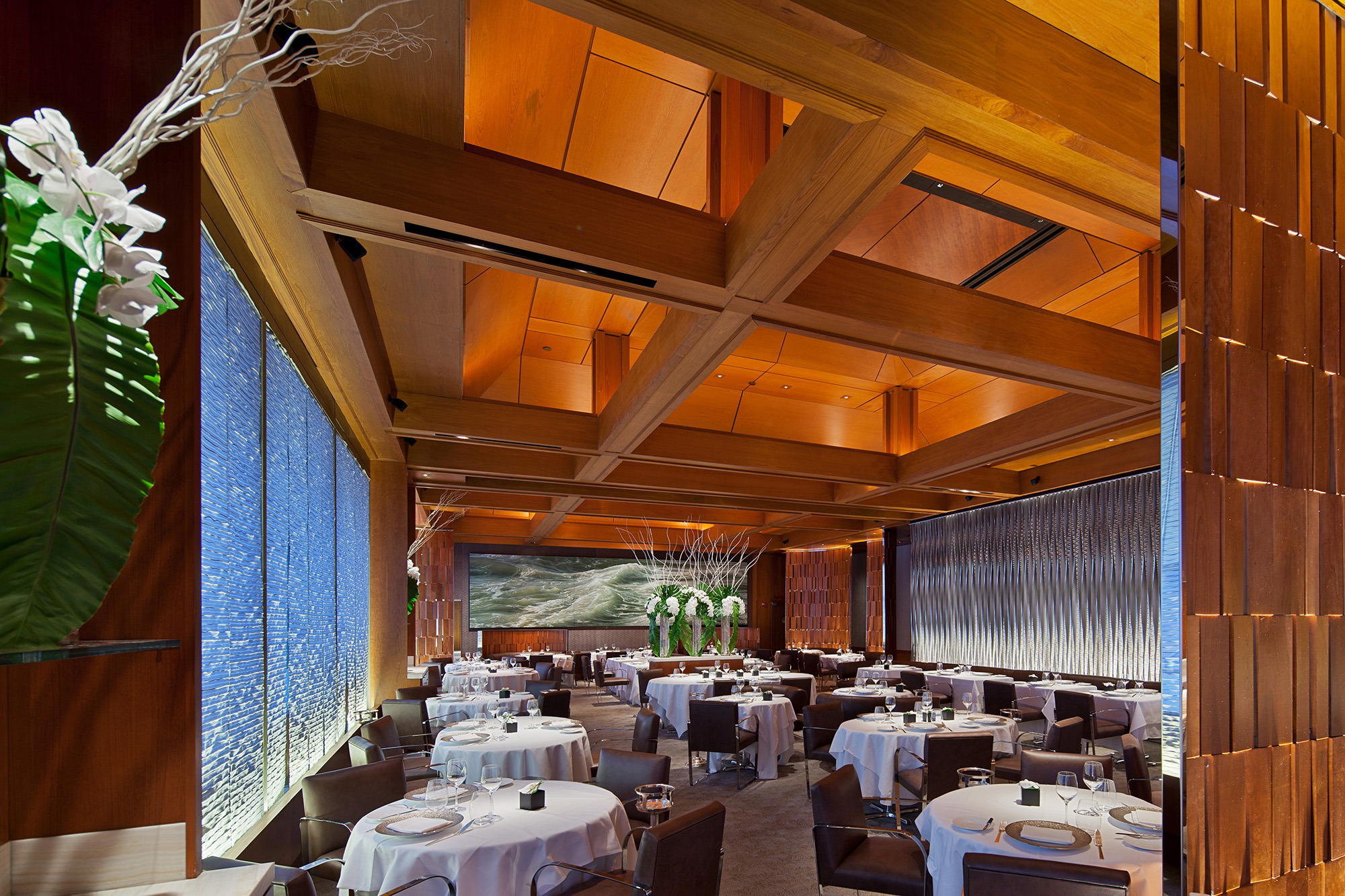
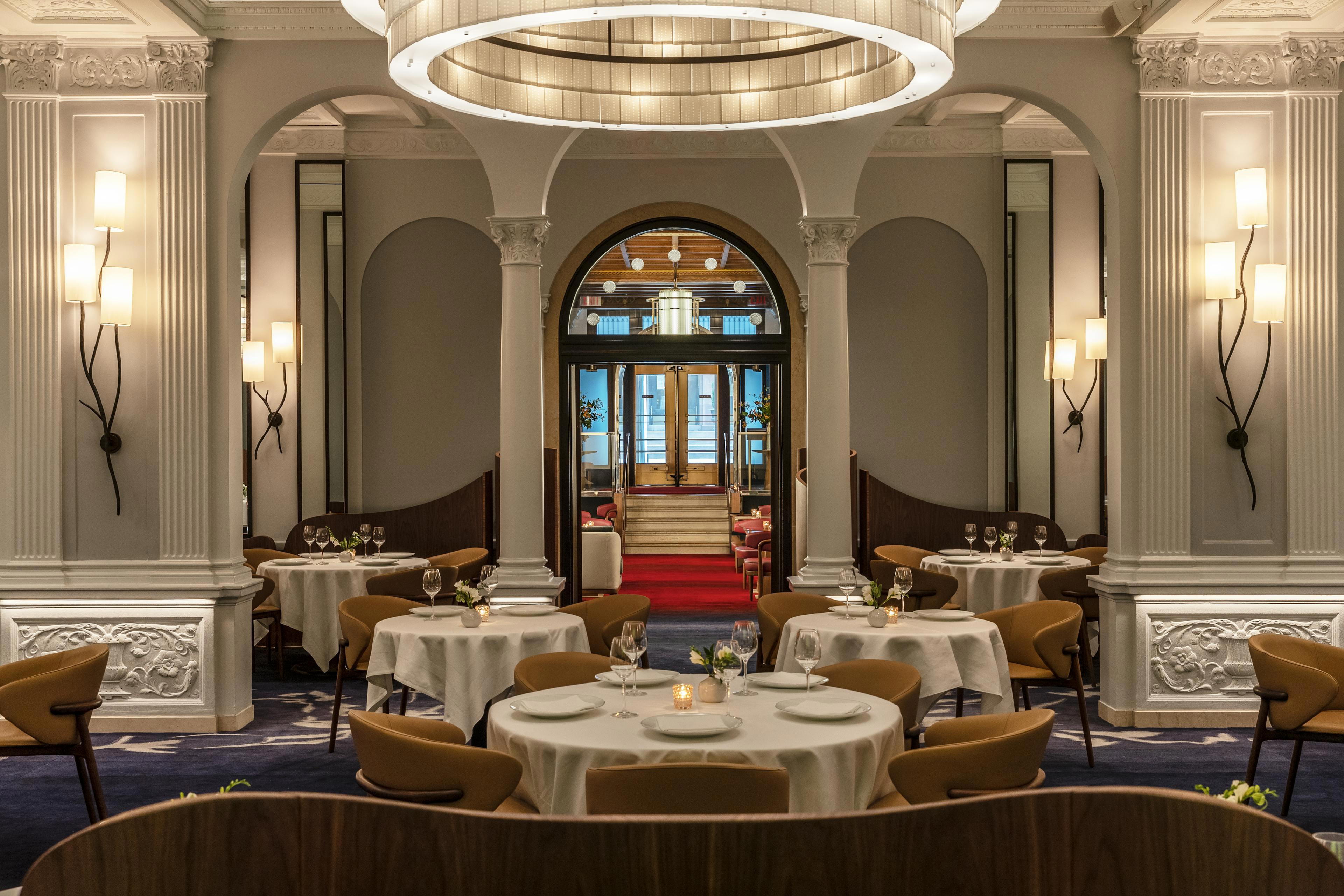
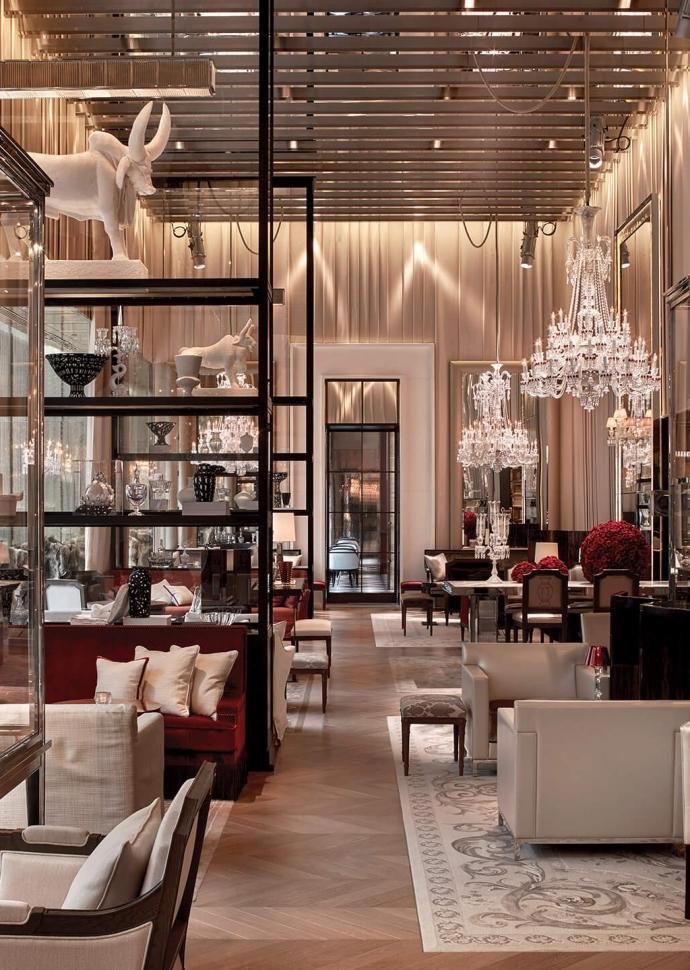
The dining room signals its intentions before the food arrives. The interior reads as Aegean modernism translated for a Midtown audience: materials that reference the Mediterranean without resorting to obvious visual shorthand, a scale calibrated for conversation rather than spectacle, and a light quality that shifts the room away from the corporate-lunch brightness common to many nearby addresses. Approaching the space from West 58th, the building context is unremarkable, this stretch of Midtown runs on office towers and hotel lobbies, but the interior marks a clear separation from its surroundings.
The Sourcing Argument Behind Greek Fine Dining
The editorial case for Greek cuisine at this price tier rests largely on ingredient provenance. Greek-Mediterranean cooking draws from one of the more geographically specific sourcing traditions in European cuisine: Aegean seafood, Cretan olive oil, PDO-designated cheeses, and wild herbs from specific island and mountain regions. When that sourcing chain is maintained at a restaurant operating in New York, the logistics are substantive. Salt-cured fish, aged cheeses, and high-quality olive oil from Greece arrive with a paper trail that connects the plate to a named origin in a way that many European cuisines, historically better represented in American fine dining, rarely make explicit.
This sourcing model matters for how you read the menu. Greek cuisine's leading expressions are not built on sauce complexity in the French tradition or on knife technique in the Japanese mode, they depend on the quality of primary ingredients presented with restraint. The discipline involved is different from what you encounter at a tasting-menu counter like Atomix or a omakase room like Masa, but the underlying demand on sourcing is comparable. A kitchen working in this tradition cannot compensate for inferior olive oil or second-grade octopus the way a French brigade can compensate for a mediocre vegetable with stock reduction.
That constraint is also a strength. The leading Greek fine dining delivers clarity that is increasingly rare in American restaurants where technique and concept often crowd out the ingredient itself. For a city where farm-to-table sourcing has become a rhetorical standard, Greek cuisine offers a tradition where that discipline predates the marketing trend by centuries.
Where It Sits in the Midtown Tier
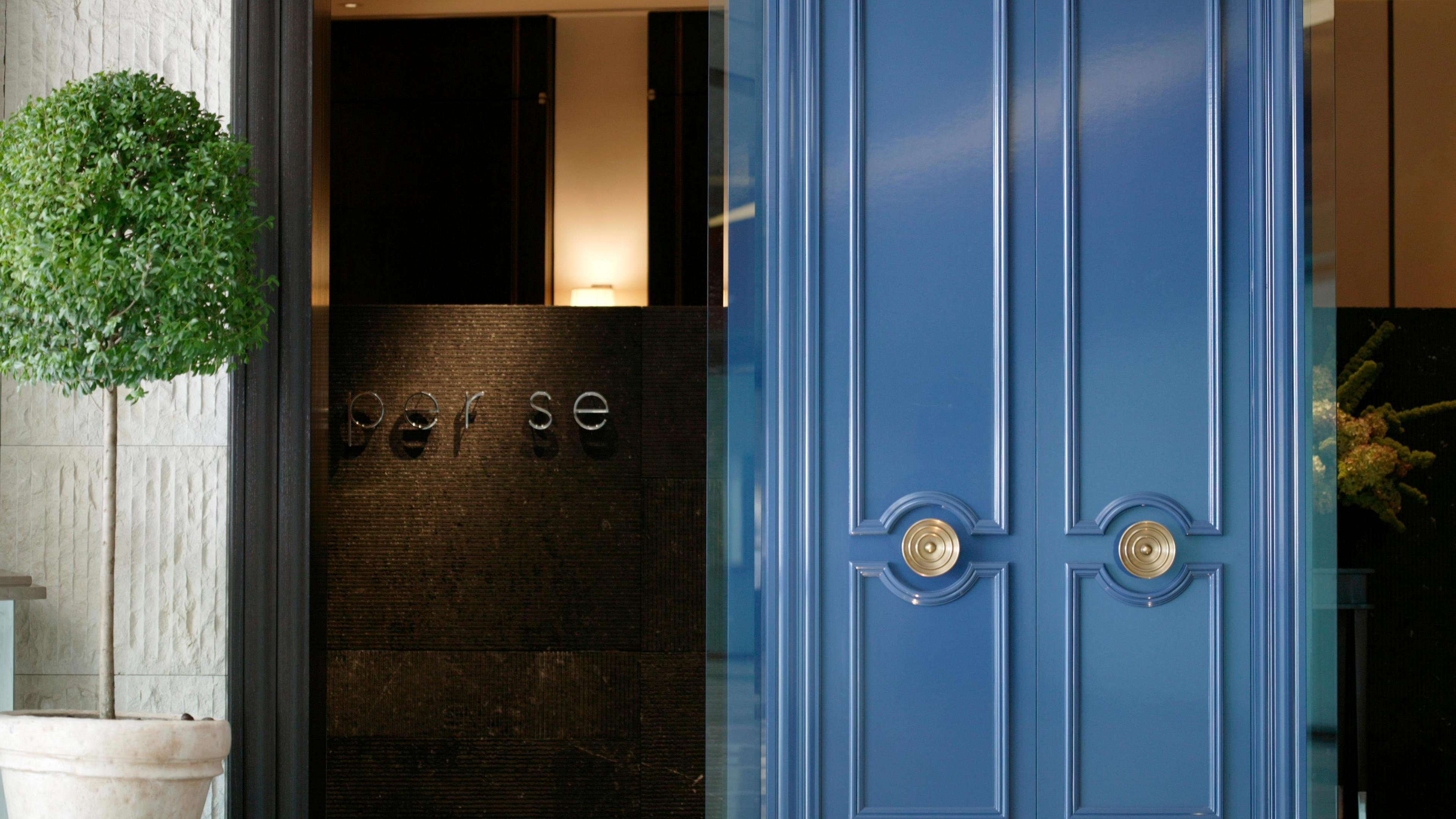
Midtown's upper-bracket dining is concentrated enough to constitute its own competitive set. Jungsik New York represents progressive Korean cooking in this tier; Le Bernardin holds its position as the established seafood-forward French room; Per Se operates as the Thomas Keller flagship. These addresses are not strictly comparable to Loi Estiatorio in cuisine terms, but they share a guest profile: international travellers, business diners with expense account latitude, and New York residents who treat this part of the city as a special-occasion destination rather than a neighbourhood haunt.
What Loi Estiatorio offers within that competitive set is a cuisine category that none of those rooms touches. Greek-Mediterranean cooking, presented at this level, functions as the sole representative of its tradition in the immediate vicinity. For a guest who has covered the French and Japanese corners of Midtown's fine-dining offer, it represents a different reference point entirely, one that connects to a different sea, a different agricultural heritage, and a different relationship between cooking and landscape than either the Loire Valley or the Tsukiji market tradition.
The Wider Context: Greek Fine Dining in American Cities
Across the United States, Greek cuisine has historically occupied the casual and mid-market tiers more comfortably than the fine-dining bracket. Taverna formats dominate, and the cuisine's association with generous portions and accessible pricing has made the upward move into serious tasting-menu or white-tablecloth territory a slower transition than comparable cuisines from Italy, France, or Japan. A handful of American cities have seen Greek fine dining establish itself at the higher end, and New York, given its Greek-American community and its appetite for any cuisine category that can be presented with sufficient seriousness, is a natural location for that argument to be made most convincingly.
The comparison set for Greek fine dining in the US is thin enough to make direct domestic comparisons limited. The more useful comparison is with Mediterranean fine dining broadly: addresses like Bacchanalia in Atlanta or farm-sourcing-led programs like Blue Hill at Stone Barns in Tarrytown share a sourcing ethos even where the cuisine category differs. Internationally, Mediterranean fine dining at the institutional level, as at Alain Ducasse's Louis XV in Monte Carlo, demonstrates what the tradition can produce at its apex, though the French Mediterranean and Greek Aegean traditions are distinct in method and ingredient base.
Planning Your Visit
The restaurant's address at 132 West 58th Street places it within a short walk of Columbus Circle and the southern edge of Central Park, making it accessible from most Midtown hotels. The surrounding neighbourhood is better navigated on foot than by car; parking in this corridor is expensive and the subway connections (A, C, B, D, 1 at 59th Street-Columbus Circle) are direct from most Manhattan departure points.
The Short List
Comparable venues nearby, for context on price, style, and recognition.
| Venue | Cuisine | Price | Notes |
|---|---|---|---|
| Loi EstiatorioThis venue — the venue you are viewing | Central Park, Authentic Greek | $$$ | Not listed |
| Kellari Taverna | Not listed | $$$ | Midtown-Times Square, Authentic Greek Seafood Taverna |
| Myka Greek Frozen Yogurt | West Village, Greek Frozen Yogurt | $$$ | Not listed |
| Korali | Not listed | $$$ | Upper East Side-Carnegie Hill, Authentic Greek Seafood |
| Lola Taverna | Not listed | $$$ | SoHo-Little Italy-Hudson Square, Modern Greek with American Influences |
| The Greek Kitchen | Not listed | $$ | Upper West Side-Lincoln Square, Traditional Greek |
Continue exploring
More in New York City
Restaurants in New York City
Browse all →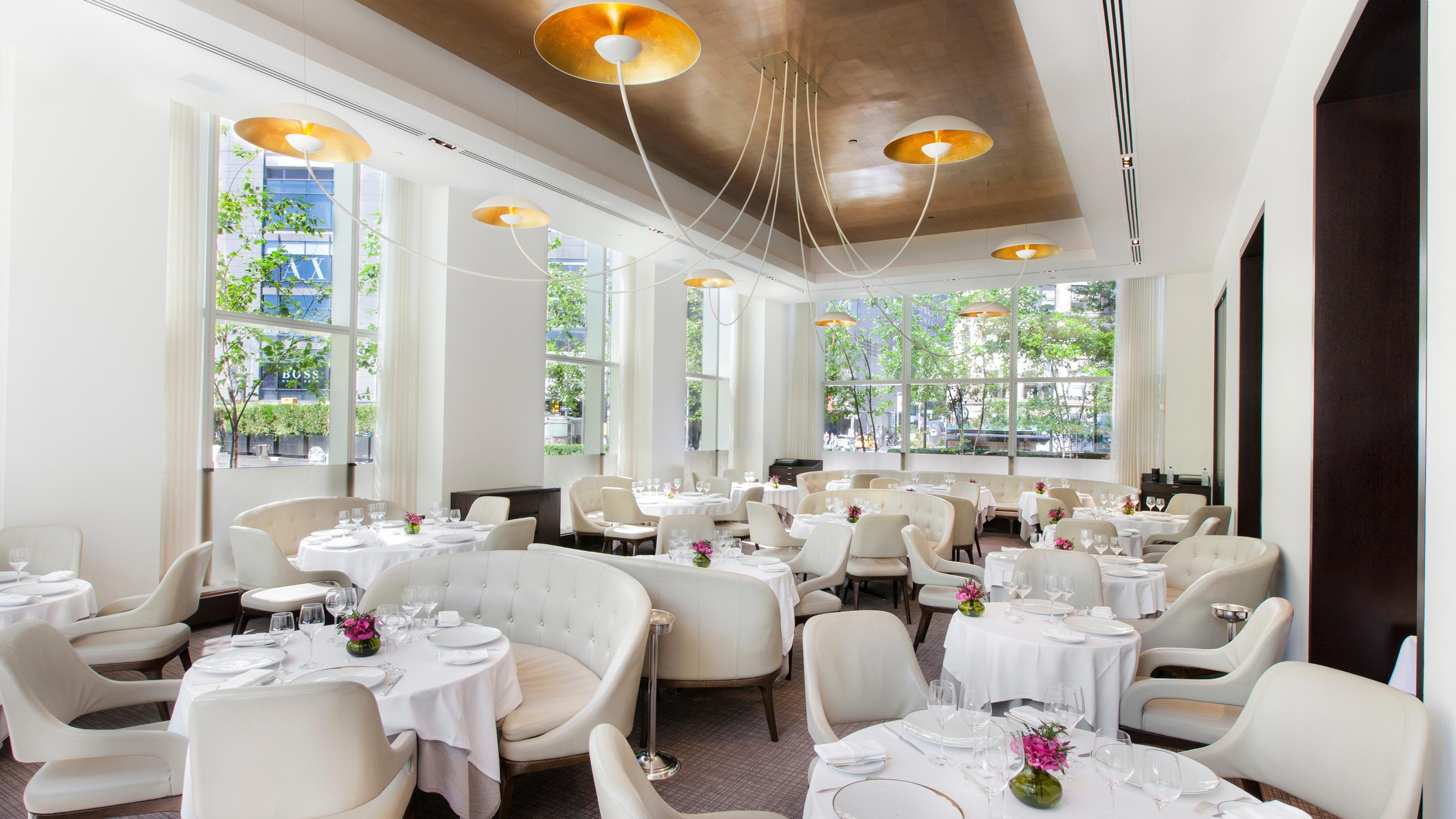
Bars in New York City
Browse all →
Hotels in New York City
Browse all →







At a Glance
- Elegant
- Sophisticated
- Classic
- Date Night
- Special Occasion
- Business Dinner
- Open Kitchen
- Organic
Current opening hours
- Monday
- 12–10 PM
- Tuesday
- 12–10 PM
- Wednesday
- 12–10 PM
- Thursday
- 12–10 PM
- Friday
- 12–10 PM
- Saturday
- 3–10 PM
- Sunday
- Closed
Hours can change for holidays and private events. Last verified .
Sophisticated yet welcoming atmosphere celebrating Greek hospitality with warm, traditional elements.