
On the fifth floor above Piazza del Duomo, The View Milano puts Milan's most recognisable cathedral directly in your sightline while MasterChef winner Valerio Braschi works through a menu that treats Milanese classics as a starting point rather than a constraint. Choose between a structured tasting menu and à la carte; either way, the kitchen draws from quality ingredients and frames traditional dishes with contemporary technique.
Pearl is the En Primeur Club membership app — saves, bookings, and concierge access live there. Same editors, same standards.
- Address
- P.za del Duomo, 21, 20121 Milano MI, Italy
- Phone
- +39 02 4775 1942
- Website
- theviewmilano.it
- Directions
- Get directions
 Saves & bookings on Pearl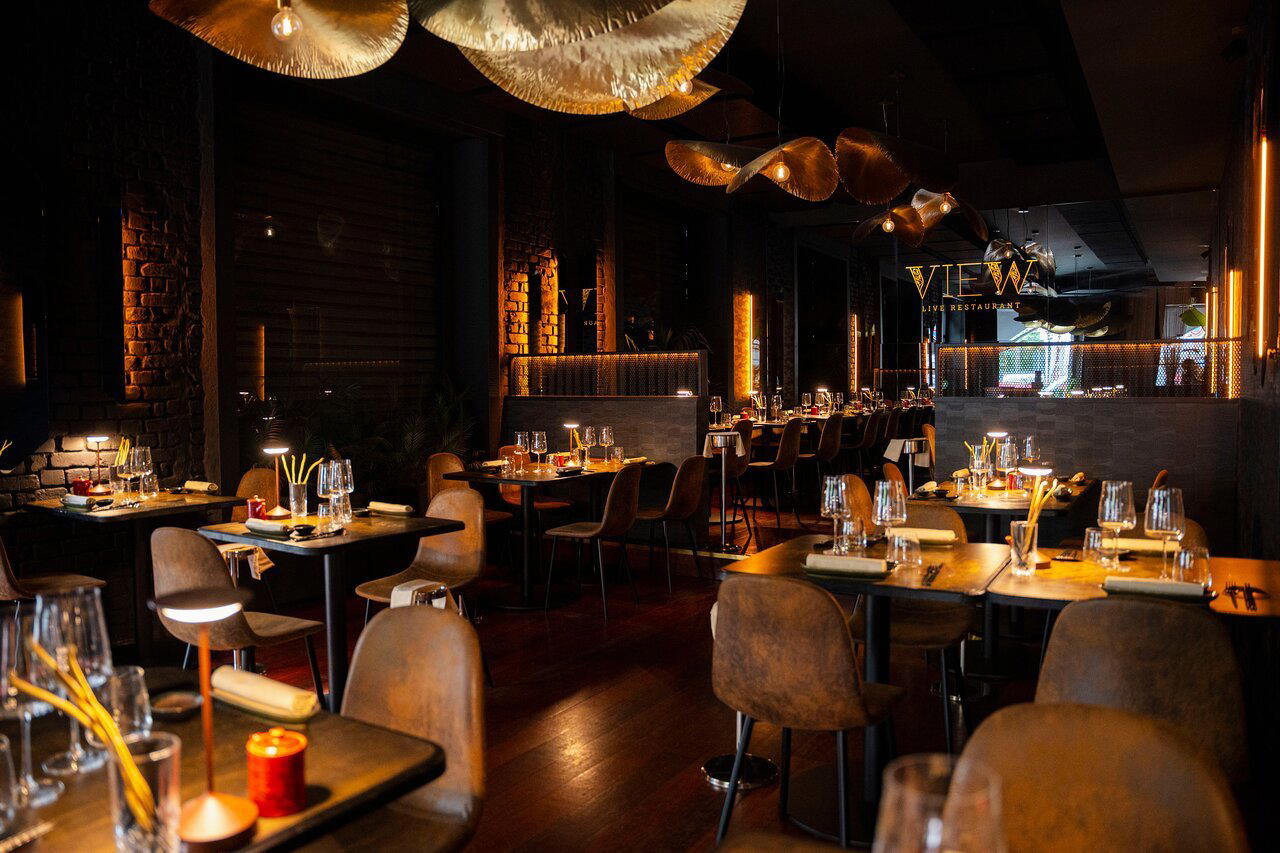
What the Duomo Looks Like from the Fifth Floor
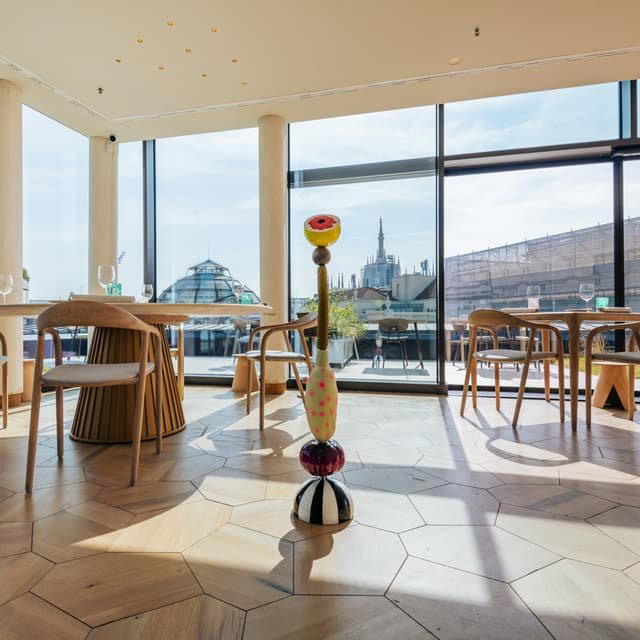
Milan's dining scene has a complicated relationship with its monuments. The city's best-regarded kitchens, from Enrico Bartolini to Andrea Aprea, tend to operate in interiors that face inward, prioritising architectural calm over spectacle. The View Milano is a contemporary Italian rooftop restaurant in Milan. Situated on the fifth floor of a building at Piazza del Duomo 21, the restaurant places the cathedral's Gothic spires in direct eyeline from the dining room windows and, more immediately, from the open terrace above, where the cocktail and casual dining programme runs. In a city where restaurant settings are often deliberately understated, this is a deliberate choice to let geography do the atmospheric work.
That setting shapes the experience before a dish arrives.
Menu Architecture: Classics as a Framework, Not a Ceiling
The menu at The View Milano is where the editorial case becomes most legible. Contemporary Italian restaurants at this level in Milan broadly split into two camps: those that treat Milanese and Lombard tradition as material to be deconstructed and those that treat it as a foundation to be extended. The View Milano sits in the second group.
The presence of dishes such as risotto with saffron and ossobuco, and costoletta alla Milanese, on a menu described as contemporary is not a concession to tourist expectation. It is a structural decision. Both dishes are among the more technique-sensitive in the Lombard canon. Saffron risotto demands precise timing and fat emulsification; a properly executed costoletta requires sourcing and frying discipline that most kitchens quietly avoid. Including them on a serious menu signals confidence rather than conservatism.
This architecture, traditional dishes named explicitly and then extended, gives diners an orientation point that purely abstract tasting menus often deny. Guests who know what ossobuco should taste like can evaluate the kitchen's interpretation directly. That feedback loop is harder to create when every dish requires explanation from scratch. Peers such as Cracco in Galleria and Seta operate at the more abstracted end of the spectrum; the restaurant's legibility of reference is a counterpoint.
The format itself offers a choice between a full tasting menu and à la carte ordering, which places it in a relatively flexible tier among Milan's contemporary restaurants. Most of the city's tasting-menu-only operations, including several of the kitchens represented in Italy's broader fine dining conversation at places like Osteria Francescana in Modena or Uliassi in Senigallia, remove that choice entirely. Retaining à la carte acknowledges that the Piazza del Duomo setting will draw diners with varied intentions, some building an evening around the meal, others working it around theatre, shopping, or a broader itinerary.
Valerio Braschi and the Credential Question
Braschi's MasterChef Italy win (Season 11, 2017) is the trust signal attached to this address, and it is worth contextualising accurately. Italian MasterChef has a mixed track record in producing chefs who sustain serious critical attention after the competition. Braschi is among the exceptions. His subsequent restaurant work in Italy developed a contemporary Italian approach that earned coverage beyond the obvious post-competition profile pieces. At the restaurant, the MasterChef credential functions as a recognisability marker for a wide audience while the cooking itself is positioned to address a more demanding one.
For comparative framing: the cohort of competition-trained chefs operating at this level in contemporary European fine dining is small but growing. The question for any such kitchen is whether the menu logic holds up independently of the biography. Based on the menu architecture described above, the case at the restaurant rests on the cooking rather than the backstory.
Where This Sits in Milan's Contemporary Restaurant Tier
Milan's €€€€ contemporary restaurant tier is crowded with serious kitchens. Andrea Aprea, Seta, and Verso Capitaneo all operate in the modern Italian register with strong credentials. What distinguishes the restaurant within that peer group is the combination of setting and menu legibility. The Duomo address is especially commercially prominent in the city; few serious kitchens operate this close to it. That proximity carries both an asset and a risk: the setting draws volume that a chef-driven room on a residential street does not face.
For context on what Italian fine dining looks like at its most spatially ambitious elsewhere in the country, Quattro Passi on the Amalfi coast and Enoteca Pinchiorri in Florence both demonstrate that Italian restaurants can carry significant physical presence without losing culinary seriousness. The restaurant's dual-format model, formal dining room plus terrace cocktail programme, attempts the same balance in a vertically compressed space.
Internationally, the pattern of placing serious contemporary menus in high-profile, view-oriented locations has precedent. Le Bernardin in New York built its reputation on a room that is deliberately calm rather than visually spectacular, while Atomix operates in a basement format. The restaurant inverts that logic, treating the view as a feature rather than a distraction to be minimised.
Planning a Visit
| Detail | The restaurant | Cracco in Galleria | Andrea Aprea | Seta |
|---|---|---|---|---|
| Location | Piazza del Duomo, 5th floor | Galleria Vittorio Emanuele II | Via Monte di Pietà | Via Gesù (Mandarin Oriental) |
| Format | Tasting menu + à la carte; terrace cocktail/casual tier | Tasting menu + à la carte | Tasting menu | Tasting menu |
| Price tier | not confirmed | €€€€ | €€€€ | €€€€ |
| Terrace/outdoor | Yes (5th floor, Duomo views) | No | No | No |
| Setting character | View-led, monument-adjacent | Historic galleria interior | Modern gallery space | Luxury hotel dining |
The Piazza del Duomo address is directly accessible from the Duomo Metro station (M1/M3 interchange). Booking ahead is essential, particularly for terrace tables on weekend evenings.
For Italian fine dining outside the city, the kitchens at Atelier Moessmer Norbert Niederkofler in Brunico and Dal Pescatore in Runate offer strong regional counterpoints to the Milan restaurant scene.
Accolades, Compared
Comparable venues nearby, for context on price, style, and recognition.
| Venue | Cuisine | Price | Awards | Notes |
|---|---|---|---|---|
| The View MilanoThis venue — the venue you are viewing | Contemporary Italian Rooftop | $$$$ | Michelin Plate | Not listed |
| Terrazza Gallia | Modern Italian Fine Dining | $$$$ | Michelin Plate | Stazione Centrale - Ponte Seveso |
| Voce Aimo e Nadia | Modern Italian Fine Dining | $$$$ | Michelin Plate | Duomo |
| DG Martini | Upscale Sicilian-inspired Italian restaurant & cocktail bar | $$$$ | Not listed | Centro Storico |
| Ristorante Vista Duomo | Modern Italian Fine Dining | $$$$ | Not listed | Duomo |
| InGalera | Modern Northern Italian | $$$ | Michelin Plate | Cascina Merlata |
Recognition history
Dated appearances from independent guides and award organizations, with the underlying list record or original source where available.
Michelin Plate
Michelin
Continue exploring
More in Milan
Restaurants in Milan
Browse all →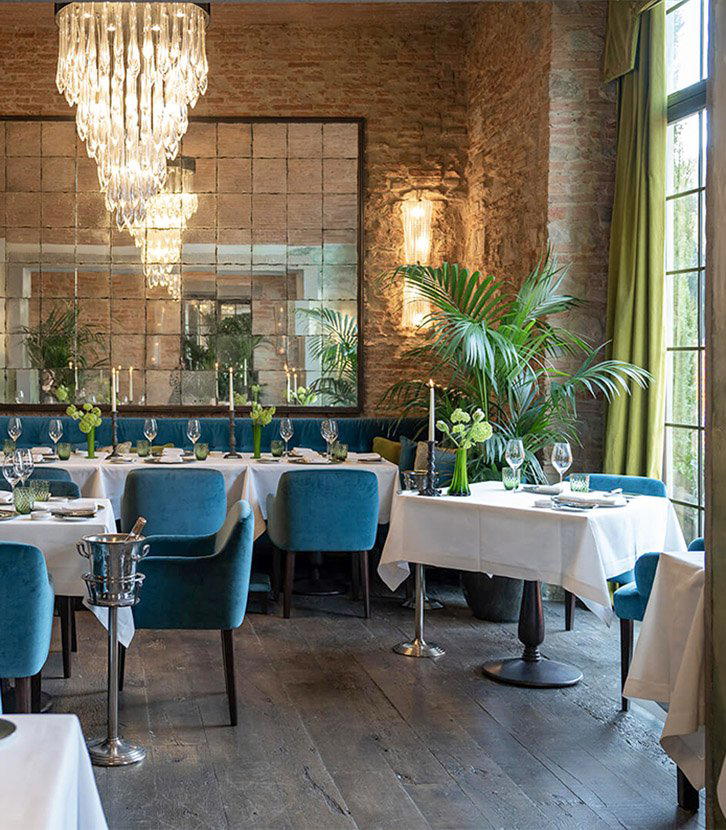
Bars in Milan
Browse all →
Hotels in Milan
Browse all →
At a Glance
- Modern
- Elegant
- Trendy
- Scenic
- Sophisticated
- Date Night
- Special Occasion
- Celebration
- Rooftop
- Terrace
- Panoramic View
- Hotel Restaurant
- Craft Cocktails
- Skyline
Current opening hours
- Monday
- 7–10:30 PM
- Tuesday
- 7–10:30 PM
- Wednesday
- 7–10:30 PM
- Thursday
- 7–10:30 PM
- Friday
- 7–10:30 PM
- Saturday
- 7–10:30 PM
- Sunday
- Closed
Hours can change for holidays and private events. Last verified .
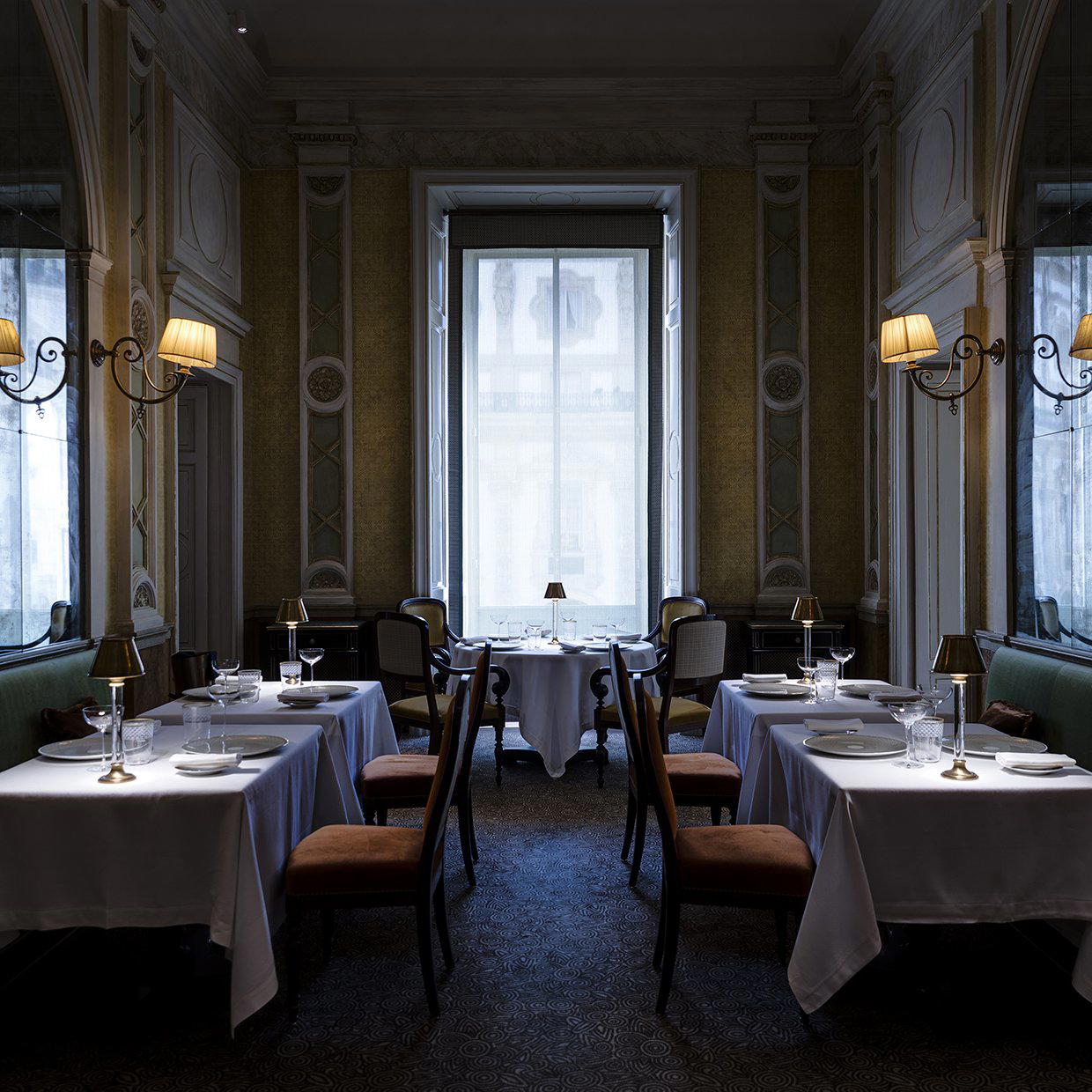
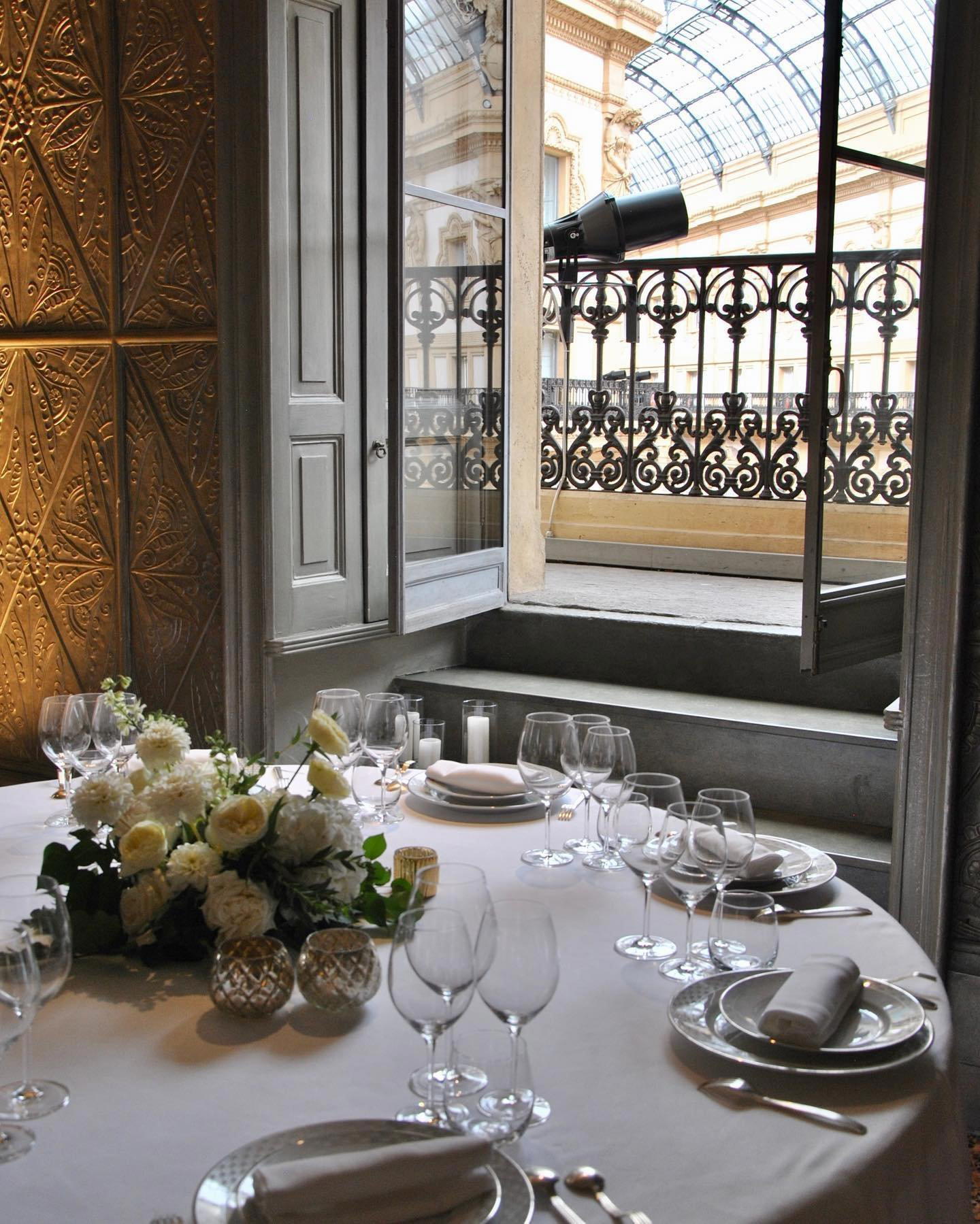
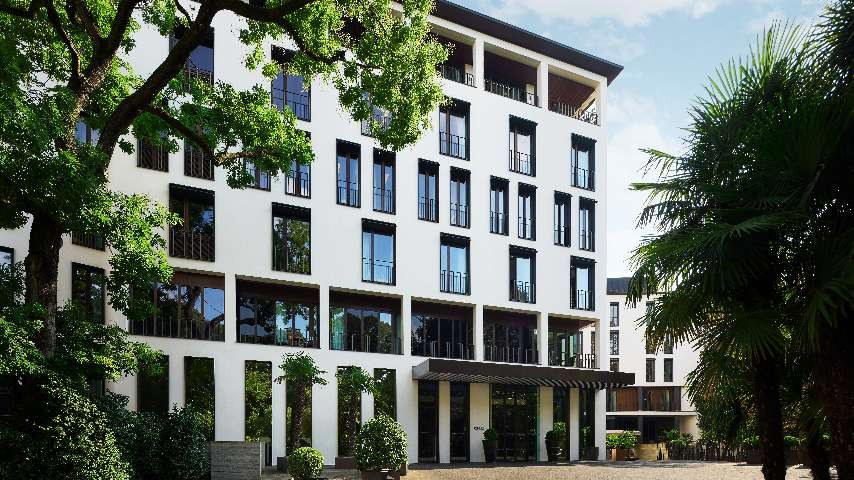
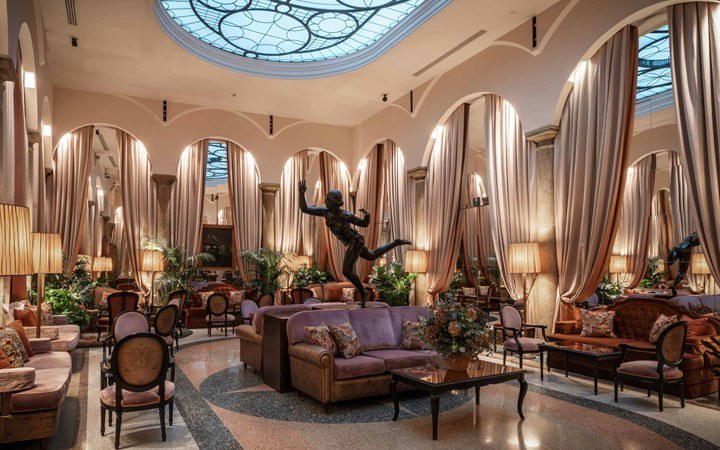
Modern and elegant with light furnishings, clean lines, and bright lighting that frames Duomo views from windows and terrace, transitioning from refined dining to lively social atmosphere with DJ sets.