

1 Michelin Key · World Luxury Hotel Awards WLHA Regional Winner
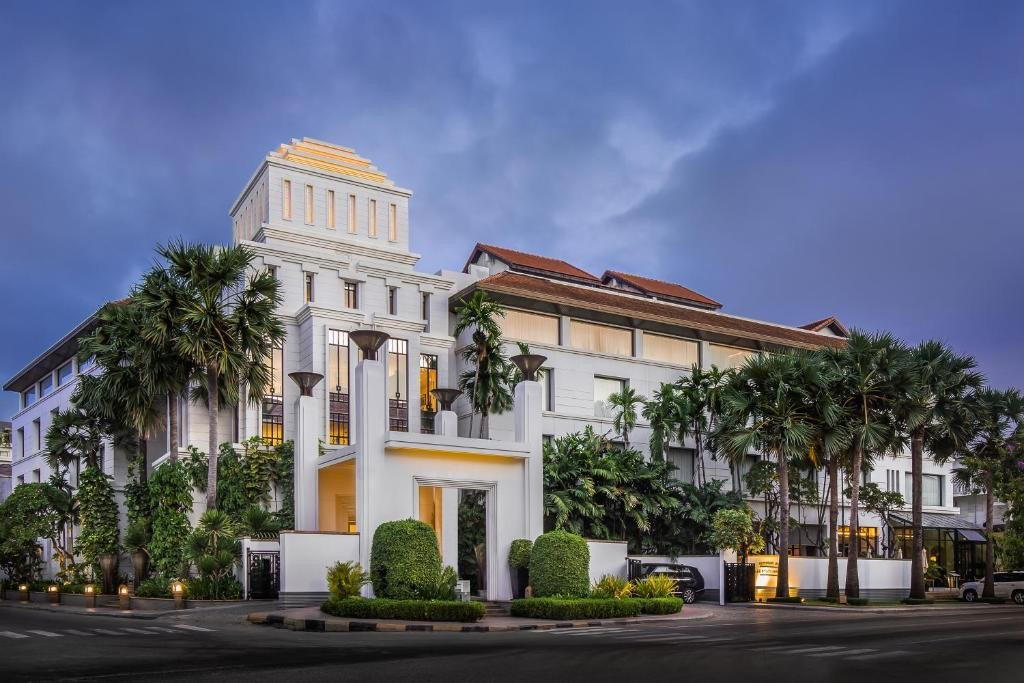
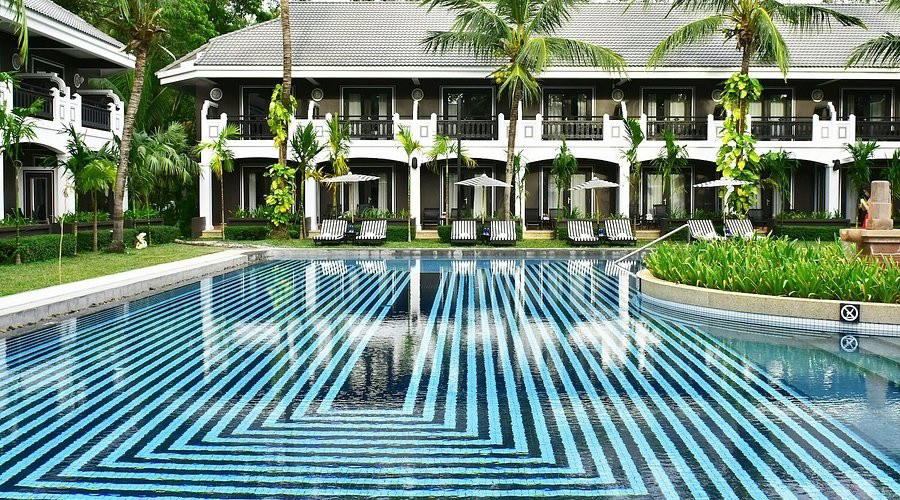
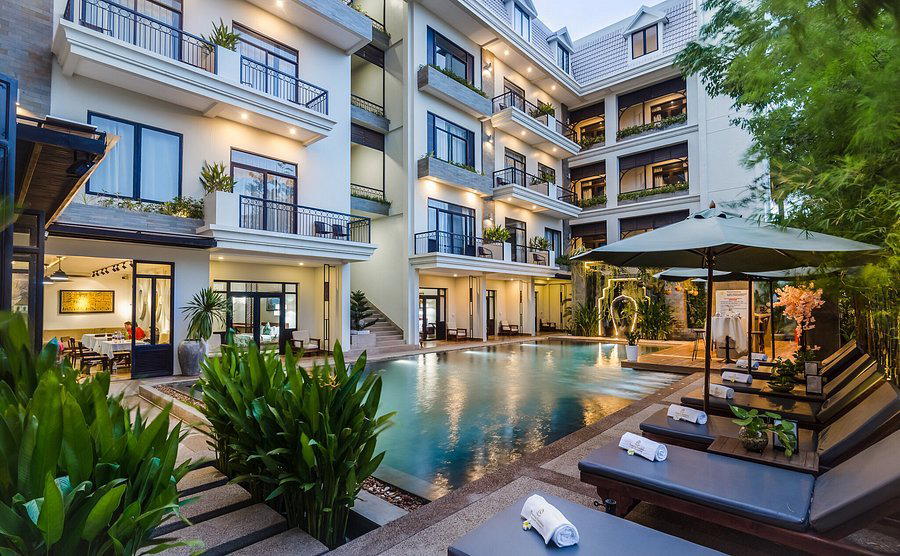
Sala Lodges assembles eleven authentic Khmer houses, some more than fifty years old, transported from across the Cambodian countryside and rebuilt on a lush Siem Reap property within reach of the Angkor temple complex. A Regional Winner for Luxury Heritage Hotel and Country Winner for Luxury Boutique Hotel, the property sits at around $250 per night, pairing preserved vernacular architecture with quietly renovated interiors, an infinity pool, and an upscale Khmer restaurant.

Pearl is the En Primeur Club membership app — saves, bookings, and concierge access live there. Same editors, same standards.
- Address
- Salakomreuk no. 498, Krong Siem Reap
- Phone
- +855 12 705 300
- Website
- salalodges.com
- Directions
- Get directions
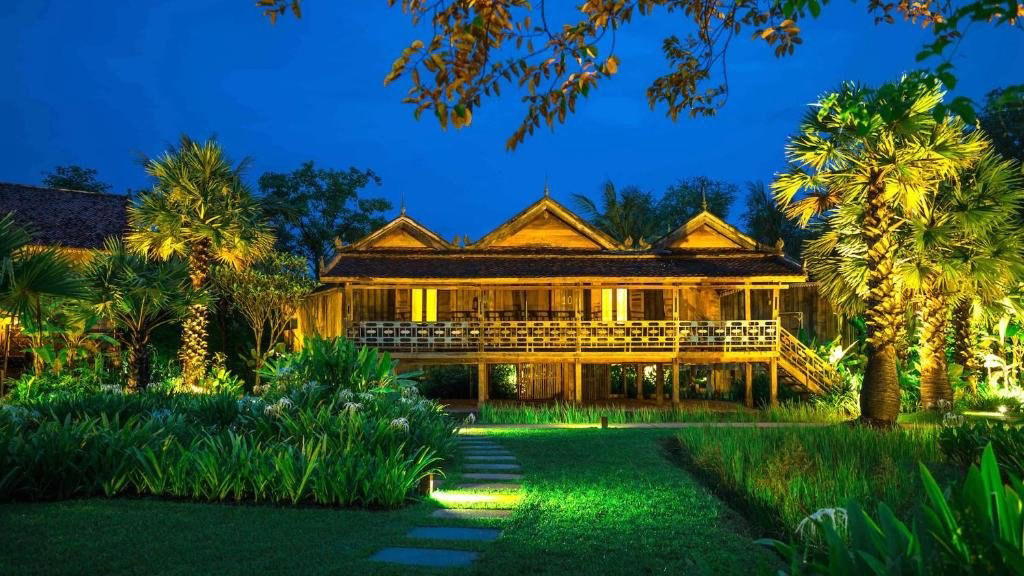
Living Structures, Not Replicas
Across Southeast Asia, the dominant luxury hotel format of the early 2000s was a familiar one: cool stone floors, white linen, infinity edges, and an architecture language that could have been transplanted from Bali to Bangkok without losing a single detail. Siem Reap followed that template faithfully for years, offering polished international comfort to the millions arriving to see Angkor. What has shifted more recently is the appetite for something different: properties where the physical fabric of the building carries its own history, where the patina is not designed but inherited. Sala Lodges sits squarely inside that shift, and does so more literally than most.
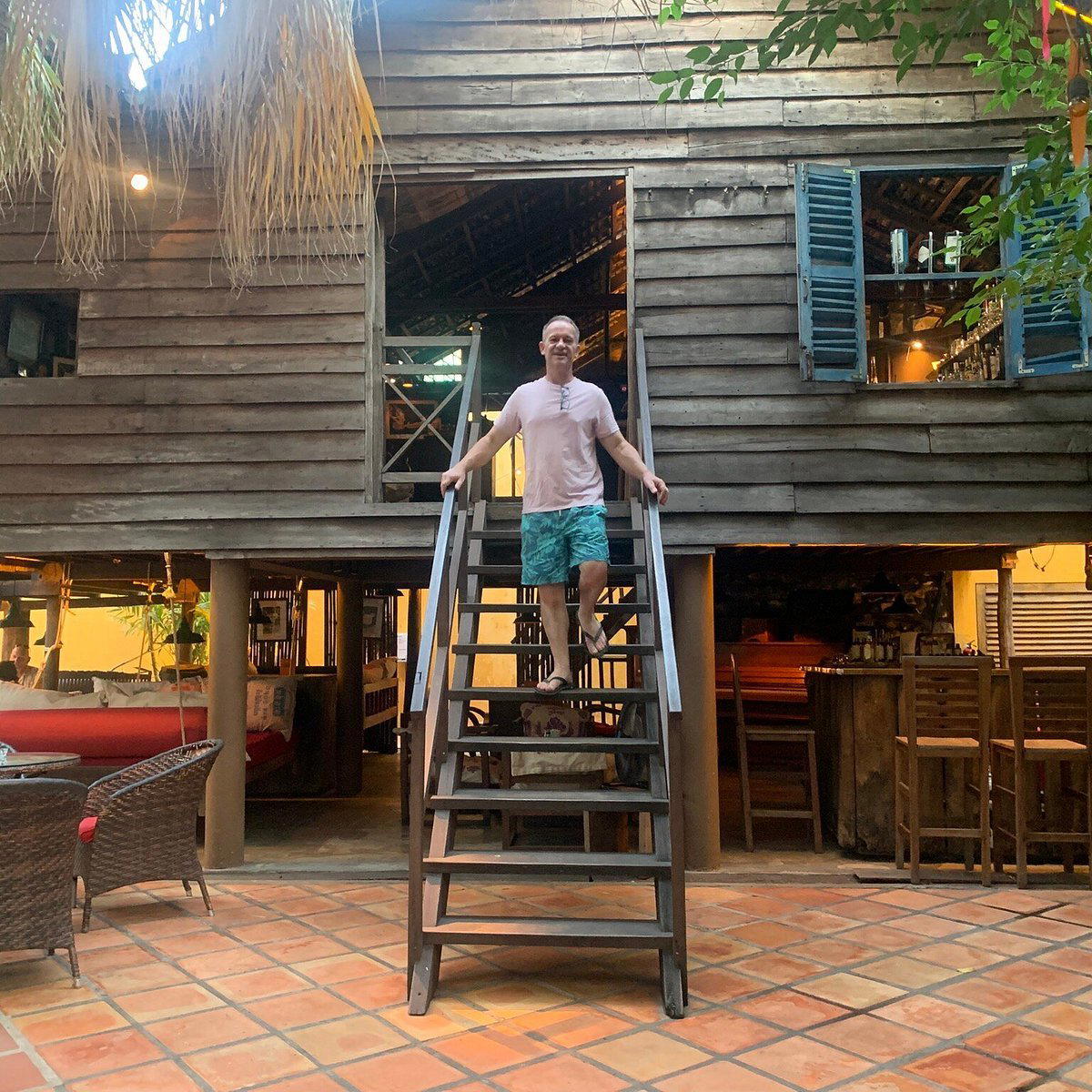
The eleven structures on the property are not interpretations of traditional Khmer domestic architecture. They are original handmade houses, several of them more than fifty years old, sourced from villages across the Cambodian countryside and disassembled, transported, and carefully rebuilt on this Salakomreuk site. Each house differs in plan and proportion, reflecting the regional variations in vernacular building that Cambodia's rural landscape accumulated over generations. All of them are refined off the ground in the manner that defines traditional Khmer domestic construction, a practical response to flooding and heat that also gives each structure a distinct visual presence among the gardens.
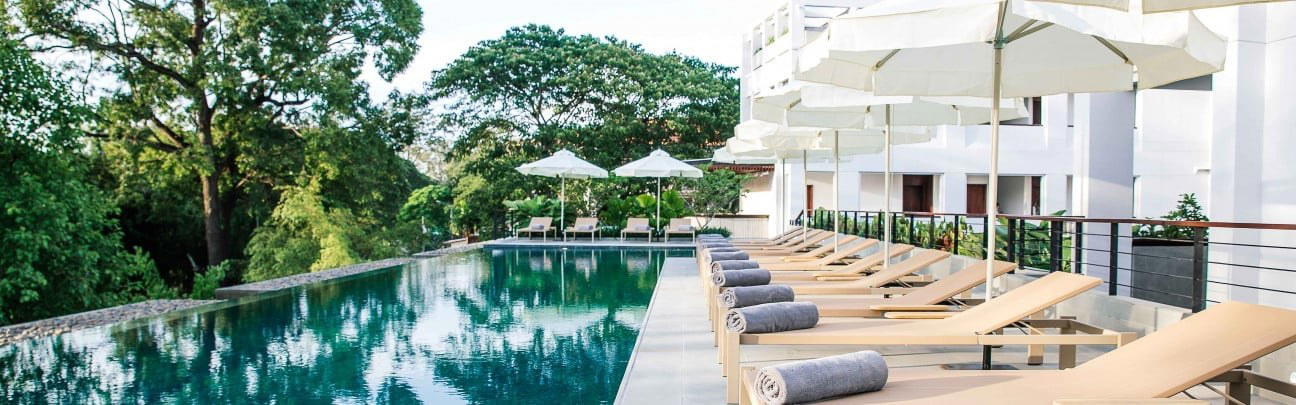
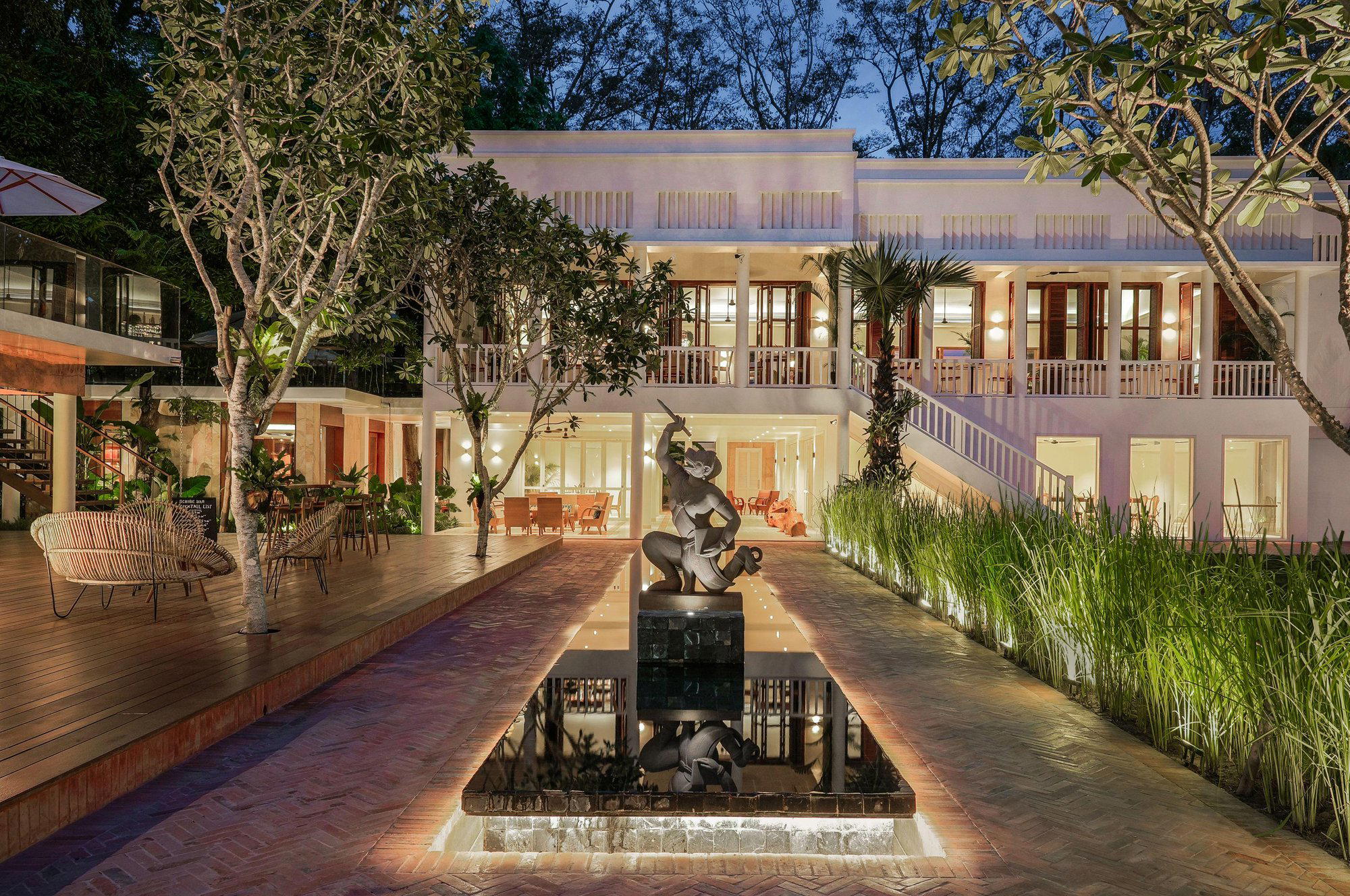
That commitment to authentic material is what separates Sala Lodges from the broader category of heritage-themed boutique hotels, where the references are often decorative rather than structural. Here the heritage is load-bearing. The surrounding gardens are planted to a density that reinforces the pastoral setting, and the infinity pool draws on that greenery for its view rather than on a designed feature landscape.
Where Preservation Meets Comfort
Preserving a structure and making it habitable at a luxury standard are objectives that frequently pull in opposite directions. The atmospheric quality of an aged timber house depends on its imperfections; the expectations of a guest paying around $250 per night include reliable climate control and proper plumbing. Sala Lodges has navigated that tension by concentrating the modifications on the interior services while leaving the structural and external character of each house intact. Modern rain showers and air conditioning are present, fitted in a manner that does not announce itself, so that the dominant experience remains the timber, the elevation, the proportions of a building made by hand for a different purpose in a different place.
This approach places the property in a particular competitive tier within Siem Reap's accommodation market. Properties like Amansara and the Park Hyatt Siem Reap offer luxury at a higher price point, with the infrastructure and staffing ratios that come with larger brand commitments. The Anantara Angkor Resort and the Raffles Grand Hotel d'Angkor operate in the colonial grandeur register. Sala Lodges competes on a different axis entirely: the eleven-room scale, the authentic provenance of the buildings, and a setting that reads as Cambodian countryside rather than resort compound. The awards record reflects this positioning. The property holds both a Regional Winner designation for Luxury Heritage Hotel and a Country Winner for Luxury Boutique Hotel, two categories that reward exactly the kind of small-scale, place-specific approach it represents.
Other boutique options in Siem Reap worth comparing include Shinta Mani Angkor and Bensley Collection Pool Villas, Angkor Village Hotel, FCC Angkor by Avani, Heritage Suites Hotel, Jaya House River Park Hotel, and Hotel Vellita Siem Reap. Each occupies a different register of the boutique tier, but none replicate the specific proposition of relocated original vernacular structures.
Responsible Luxury in Practice
The act of rescuing, transporting, and rebuilding these houses carries a preservation logic that goes beyond aesthetics. Traditional Khmer domestic architecture has faced sustained pressure over the decades, as rural communities have shifted to cheaper modern materials and older structures have been left to deteriorate. By sourcing these houses and giving them a functional second life, Sala Lodges participates in a form of material conservation that has an impact on the built heritage of Cambodia beyond its own eleven rooms.
This is the kind of community-connected, materials-rooted approach that has become a distinguishing marker within the responsible luxury segment across Southeast Asia. Properties like Shinta Mani Wild in the Cambodian jungle have built entire models around conservation and community employment. Song Saa Private Island in the Koh Rong Archipelago has anchored its identity to marine conservation commitments. Sala Lodges operates at a more intimate scale but the underlying logic is consistent: the property's distinctive character and its contribution to something larger than guest comfort are the same thing, not separate programmes running in parallel.
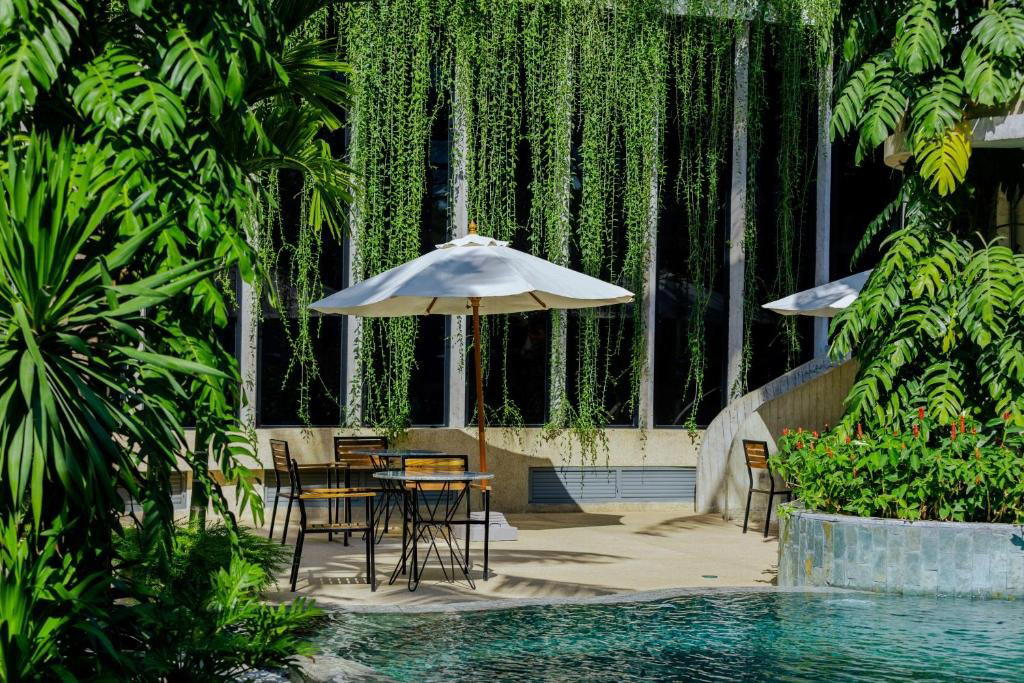
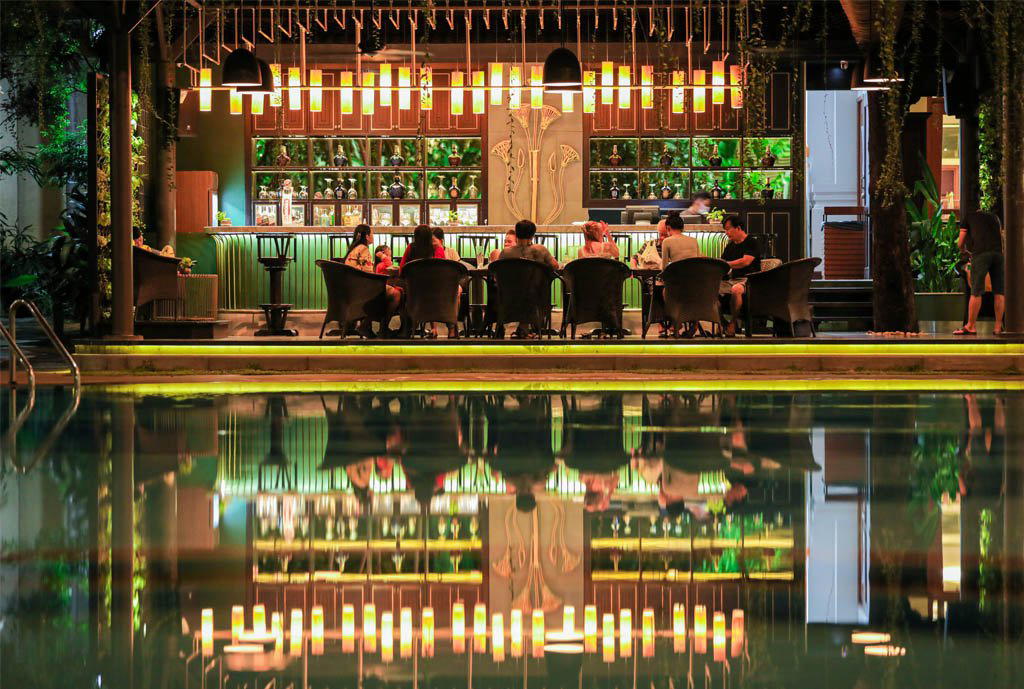
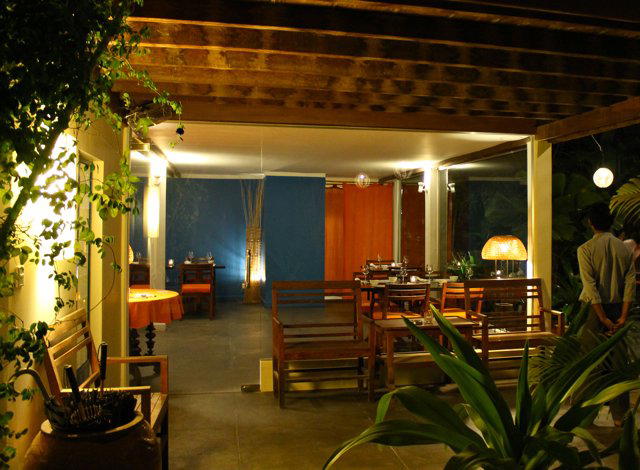
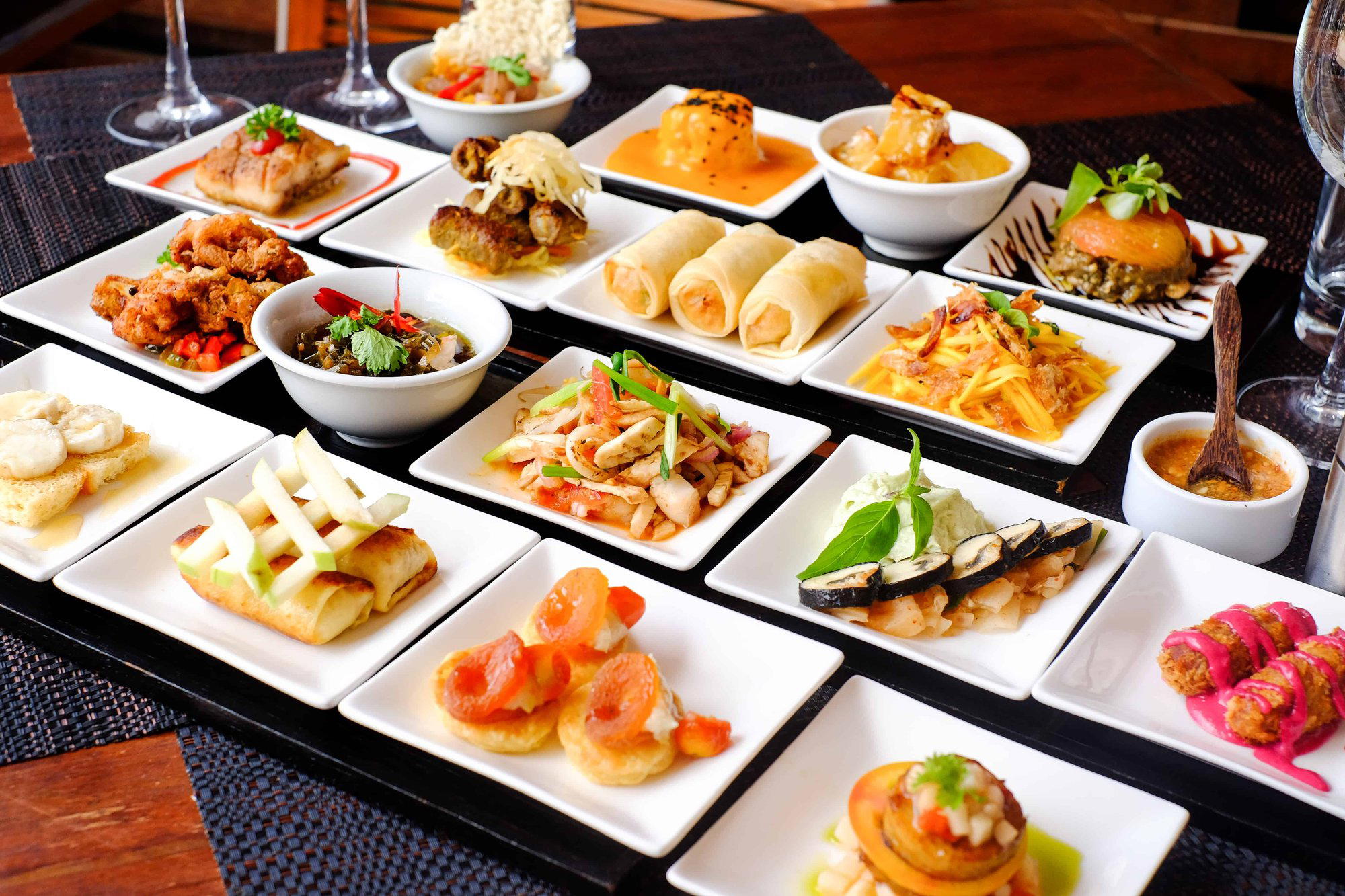
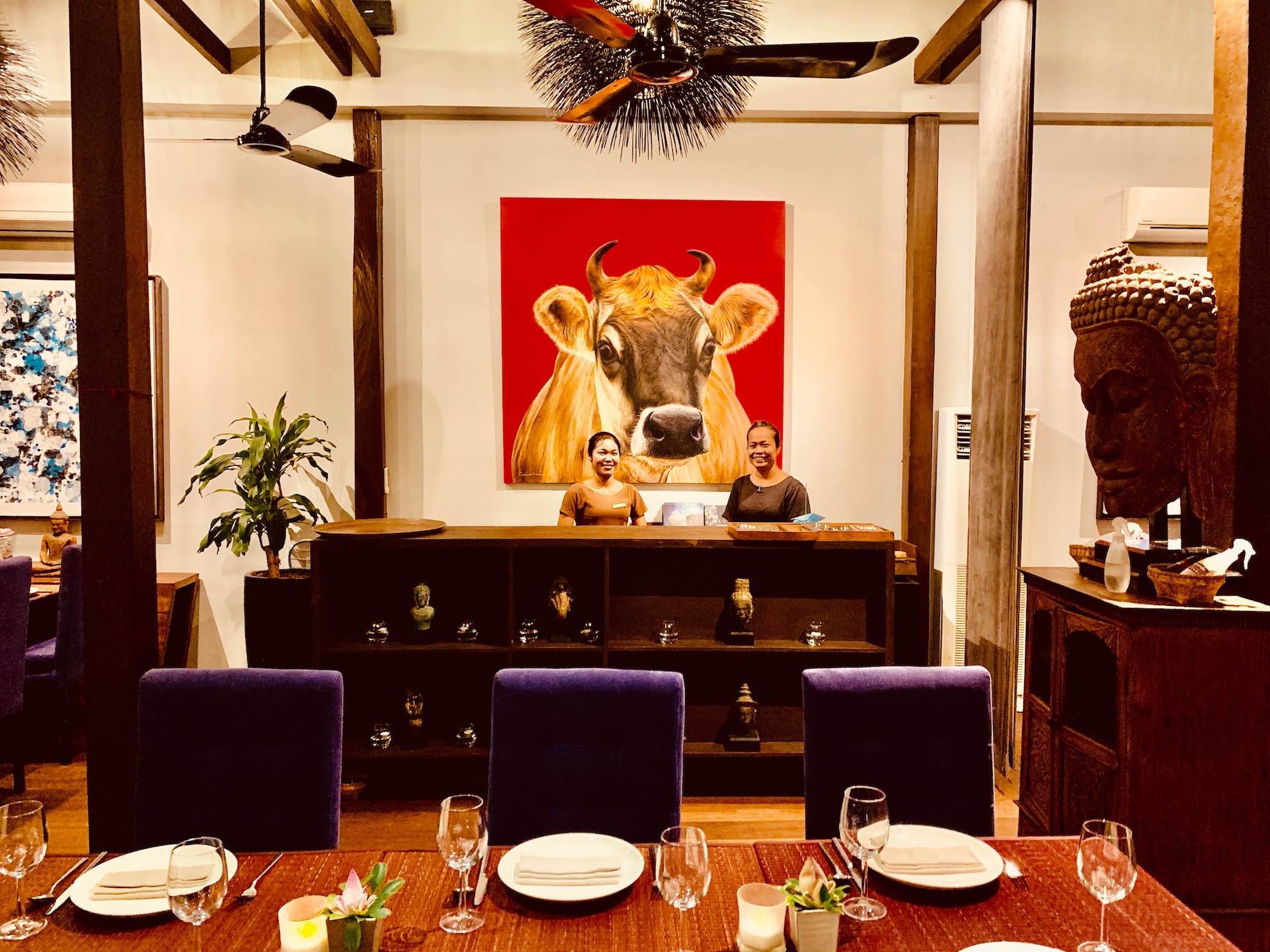
The on-site Khmer restaurant extends that local engagement to the food programme. Khmer cuisine remains underrepresented in international fine dining relative to its regional neighbours, and properties with serious kitchens in Siem Reap play a role in giving visitors access to the cooking tradition beyond street-level snacking. The poolside lounge provides an informal counterpoint through the afternoon and evening, which is a practical necessity at a property where the grounds and gardens justify time spent outside the room.
The Angkor Context
Siem Reap's hospitality market exists almost entirely in the gravitational pull of the Angkor temple complex, one of the most significant archaeological sites in Asia. The density of luxury options in a city of this size reflects that pull: visitors arriving for the temples are often willing to spend meaningfully on accommodation, and the market has responded with properties across every tier from backpacker guesthouses to the ultra-luxury formats at Amansara. For comparison, international luxury at a different scale and setting can be seen in properties like Aman Venice, Amangiri, or Castello di Reschio, each of which similarly anchors its identity to a specific place and its history rather than to a brand template.
Sala Lodges positions the temple visit as part of a stay rather than its sole justification. The property will arrange trips to Angkor, and the location in Salakomreuk puts guests close enough that the logistics are direct. But the eleven rescued houses and their gardens constitute a destination within the destination: the kind of place where the morning light through aged timber slats is part of what you came for, not merely a backdrop to a day elsewhere. For more on what Siem Reap offers across restaurants, bars, and hotels, see our full Siem Reap guide.
Elsewhere in Cambodia, the coastal alternatives offer a different character entirely. PEARL BEACH RESORT & SPA in Sihanoukville, The Last Point in Prey Nob, and The Secret Garden at Otres Beach represent what the country's southern coastline offers for those extending beyond Angkor. The capital has its own benchmark in Raffles Hotel Le Royal Phnom Penh. None of them replicate what Sala Lodges does in the north.
Planning Your Stay
Sala Lodges operates at eleven rooms, which means availability is limited and early booking is advisable, particularly in the high season between November and March when Angkor visitor numbers peak and Siem Reap's hospitality sector runs close to capacity. Rates begin at around $250 per night, placing the property in the premium boutique bracket without reaching the higher thresholds of the ultra-luxury segment. The Salakomreuk address puts guests on the quieter southern side of the city, removed from the busier pub street area, which suits the atmosphere the property is designed to create. For travellers whose reference points for place-specific luxury include properties like Badrutt's Palace Hotel in St. Moritz or Cheval Blanc Paris, the scale here is deliberately intimate: eleven houses, a single pool, one restaurant, and a property where the architecture does the primary work.
Booking and Cost Snapshot
Comparable venues nearby, for context on price, style, and recognition.
| Venue | Price | Awards | Notes |
|---|---|---|---|
| Sala LodgesThis venue — the venue you are viewing | $100–200 | 1 Michelin Key · World Luxury Hotel Awards WLHA Regional Winner | Not listed |
| Park Hyatt Siem Reap | Not listed | 1 Michelin Key · Virtuoso Luxury Hotel Partner | Svay Dangkum, Luxurious urban resort with lush tropical gardens |
| FCC Angkor by Avani | $200–300 | 1 Michelin Key · World Luxury Hotel Awards WLHA Country Winner | Old French Quarter, Historic French colonial governor's residence reimagined as a luxury heritage hotel with contemporary minimalist design and resort amenities. |
| Raffles Grand Hotel d'Angkor | $300–500 | 1 Michelin Key · La Liste Top Hotels | Khum Svay Dangkum, Historic French colonial resort with expansive gardens |
| Amansara | $1,000–1,500 | 2 Michelin Keys · La Liste Top Hotels | Phum Boeung Daun Pa Sangkat Slorgram, Historic royal villa restored to 1960s colonial-modern elegance with contemporary luxury amenities; James Bond-era sophistication meets Cambodian cultural refinement. |
| Zannier Phum Baitang | Not listed | 2 Michelin Keys · La Liste Top Hotels | near Siem Reap, Traditional Cambodian village recreation with stilted wooden villas |
Recognition history
Dated appearances from independent guides and award organizations, with the underlying list record or original source where available.
Michelin 1 Key
Michelin
World Luxury Hotel Awards WLHA Regional Winner
World Luxury Hotel Awards
Full recognition history (4 entries)
Michelin 1 Key
Michelin
World Luxury Hotel Awards WLHA Country Winner
World Luxury Hotel Awards
Details
- Romantic
- Quiet
- Elegant
- Scenic
- Intimate
- Honeymoon
- Romantic Getaway
- Anniversary
- Weekend Escape
- Wellness Retreat
- Private Villa
- Garden
- Terrace
- Historic Building
- Design Destination
- Destination Spa
- Pool
- Spa
- Restaurant
- Wi Fi
- Room Service
- Massage
- Concierge
- Garden
Serene and tranquil with soft natural lighting, peaceful garden setting enhanced by temple bells and bird songs at dawn and dusk, intimate and refined atmosphere blending heritage authenticity with contemporary comfort.