The SIREN
On Rokin, one of Amsterdam's central arteries, The SIREN occupies a city where sustainability has moved from dining trend to structural expectation. The restaurant sits within a dining scene that now treats ethical sourcing and waste reduction as baseline criteria rather than differentiators, placing it alongside a growing cohort of Amsterdam addresses rethinking what responsible hospitality looks like in practice.
Pearl is the En Primeur Club membership app — saves, bookings, and concierge access live there. Same editors, same standards.
- Address
- Rokin 83, 1012 KL Amsterdam, Netherlands
- Phone
- +31202051057
- Website
- thesirenamsterdam.com
- Directions
- Get directions
 Saves & bookings on Pearl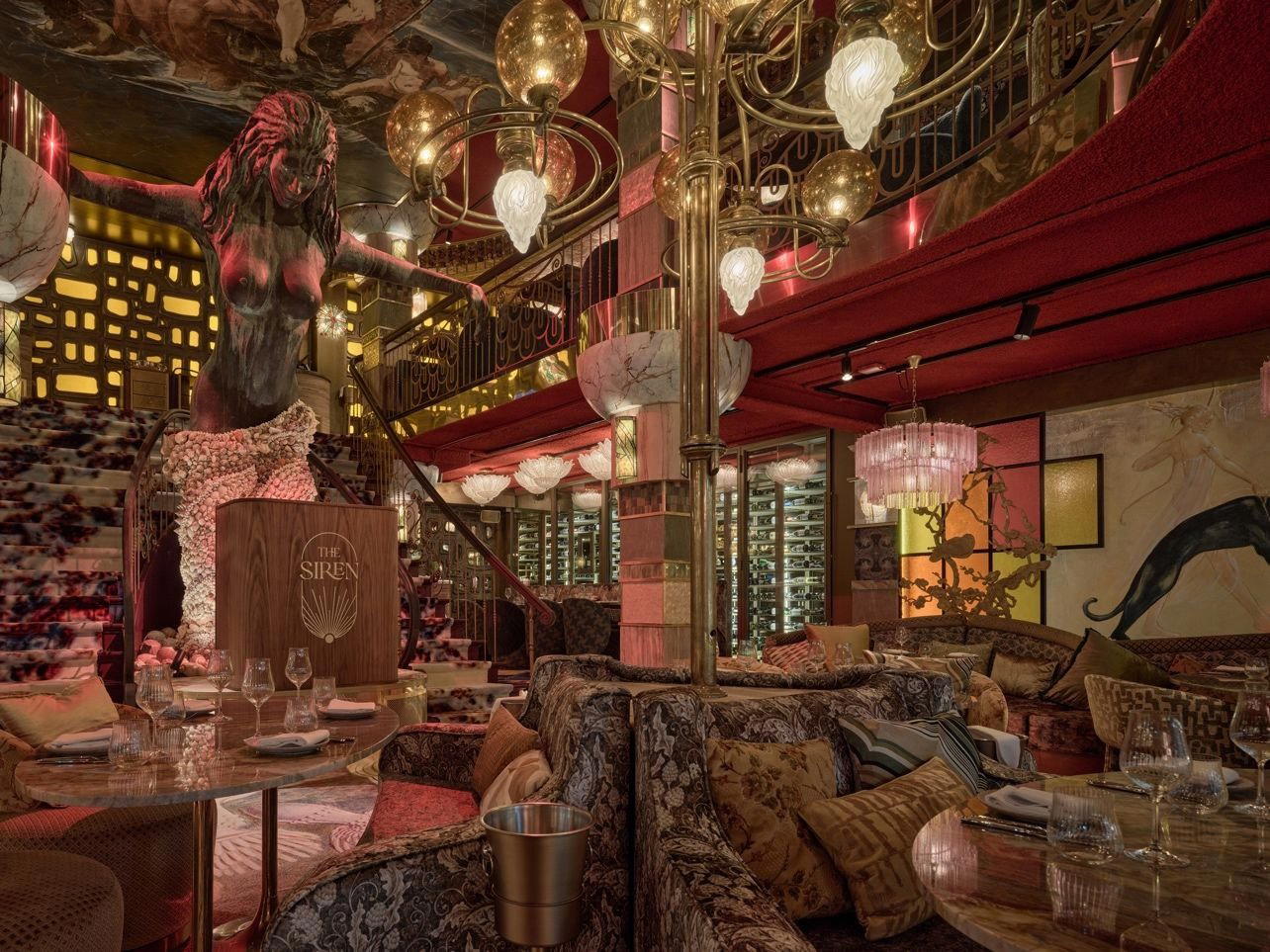
Rokin and the Ethics of Place
Rokin cuts through the centre of Amsterdam with the directness of a city that has long known its own mind. The address at number 83 places The SIREN in central Amsterdam at Rokin 83, 1012 KL Amsterdam, Netherlands. Arriving here, you are already inside a conversation about what Amsterdam's centre is for, and increasingly, the restaurants that hold ground in these locations are the ones making deliberate choices about the supply chains behind their menus.
Amsterdam's dining scene has shifted materially over the past decade. The city that once organised its restaurant identity around Dutch classicism and imported French technique has developed a second, more urgent register: a cluster of venues that treat sourcing provenance, seasonal discipline, and waste reduction as the primary editorial frame for their cooking. De Kas, working from a greenhouse in the Frankendael park, established an early reference point for that model. BAK, with its farm-to-table positioning in the Westerdok, pressed the approach into a more metropolitan format. The SIREN enters a scene where those foundations are already laid, and where diners have been trained to ask questions that go beyond what is on the plate.
Sustainability as Structure, Not Statement
One significant shift in Amsterdam's sustainability-led dining cohort is the move away from sustainability as a marketing register and toward sustainability as operational structure. The venues that have earned durable credibility in this space, from De Kas to Wils with its world cuisine approach, are those where environmental consciousness is embedded in procurement decisions, kitchen processes, and even physical fit-out, rather than communicated through a paragraph on the menu cover.
This matters for how a venue at Rokin 83 should be read. The central location creates specific pressures, and sourcing relationships require more deliberate construction in a dense urban core. The restaurants that resolve this tension credibly tend to do so through direct supplier relationships, shorter delivery cycles, and kitchen discipline around whole-ingredient use. These are unglamorous operational choices that rarely make headlines but are the actual mechanism by which a sustainability claim becomes a sustainability practice.
Across the Netherlands, the broader dining landscape demonstrates how seriously this is now taken at the highest level. De Nieuwe Winkel in Nijmegen has pushed plant-forward fine dining to a point where it holds two Michelin stars, signalling that the guide itself now recognises ecological restraint as a form of technical ambition. Brut172 in Reijmerstok operates from a similarly embedded philosophy in the southern Dutch countryside. These are not outliers; they represent a recognisable comparable set that has moved the national conversation about what serious cooking is obligated to consider.
Amsterdam's Fine Dining Reference Points
For context, the upper bracket of Amsterdam dining is anchored by venues with formal Michelin recognition. Ciel Bleu holds two Michelin stars and operates at the creative end of the spectrum from its Hotel Okura position. Flore and Spectrum each carry starred recognition with contemporary formats, while Vinkeles works a creative register from the Dylan Hotel. These addresses define one competitive tier. A step below in price, Bistro de la Mer holds the classic French seafood position with a different kind of authority.
The sustainability-led cohort, which includes De Kas, BAK, and Wils, occupies a parallel track at the €€€ price tier, where the editorial framing centres on sourcing integrity rather than technical spectacle. It is in this comparable set that The SIREN's positioning becomes most legible. The question any venue in this cohort must answer is whether its environmental commitments are expressed through the cooking itself, or whether they remain at the level of supplier list and mission statement.
Looking beyond Amsterdam, the Dutch fine dining circuit extends to addresses like De Librije in Zwolle, Aan de Poel in Amstelveen, De Bokkedoorns in Overveen, De Lindehof in Nuenen, De Lindenhof in Giethoorn, De Treeswijkhoeve in Waalre, De Groene Lantaarn in Staphorst, and 't Nonnetje in Harderwijk. Internationally, the seafood-focused precision of Le Bernardin in New York City and the tasting-format rigour of Atomix represent the kind of benchmark against which ambitious Dutch kitchens increasingly measure themselves.
Autumn and Winter on Rokin
The seasonal logic of Amsterdam's sourcing-led restaurants is at its most visible in the colder months, when the reliance on Dutch greenhouse production, preserved summer harvests, and root vegetable cultivation becomes structurally apparent rather than incidental. Autumn brings the point where a kitchen's relationship with its suppliers is most legible on a plate: what a restaurant can offer in November says more about its sourcing commitments than what it can produce in July, when the seasonal abundance of the Netherlands makes almost any approach look considered. Visiting the restaurant in the autumn and winter period offers the clearest read on how its kitchen handles that constraint.
For the complete picture of where Amsterdam's dining is now, the EP Club Amsterdam restaurants guide maps the full range from starred fine dining to the sustainability-led mid-market that is increasingly the more interesting story.
Know Before You Go
Planning Your Visit
- Address: Rokin 83, 1012 KL Amsterdam, Netherlands
- Location context: Central Amsterdam, between Dam Square and Muntplein, on one of the city's primary pedestrian and tram corridors
- Booking: Reservations are recommended
- Price: Around $80 per person
- Getting there: Rokin tram stop (lines 4, 14, 24) places you directly outside; the address is a short walk from Amsterdam Centraal
- Ideal time to visit: Autumn and winter months provide the clearest signal of a sourcing-led kitchen's seasonal discipline
City Peers
Comparable venues nearby, for context on price, style, and recognition.
| Venue | Cuisine | Price | Notes |
|---|---|---|---|
| The SIRENThis venue — the venue you are viewing | Mediterranean-Japanese Fusion | $$$$ | Not listed |
| BARBOUNIA | Mediterranean with Levantine Spices | $$$ | P.C. Hooftbuurt |
| Incanto | Contemporary Italian | $$$$ | BG-terrein e.o. |
| & moshik | Avant-Garde Fusion Fine Dining | $$$$ | Oosterdokseiland |
| Prins & Aap | French-Dutch Gastropub | $$$$ | Felix Meritisbuurt |
| Cannibale Royale Handboogstraat | American Steakhouse & Grill | $$$ | Kalverdriehoek |
Continue exploring
More in Amsterdam
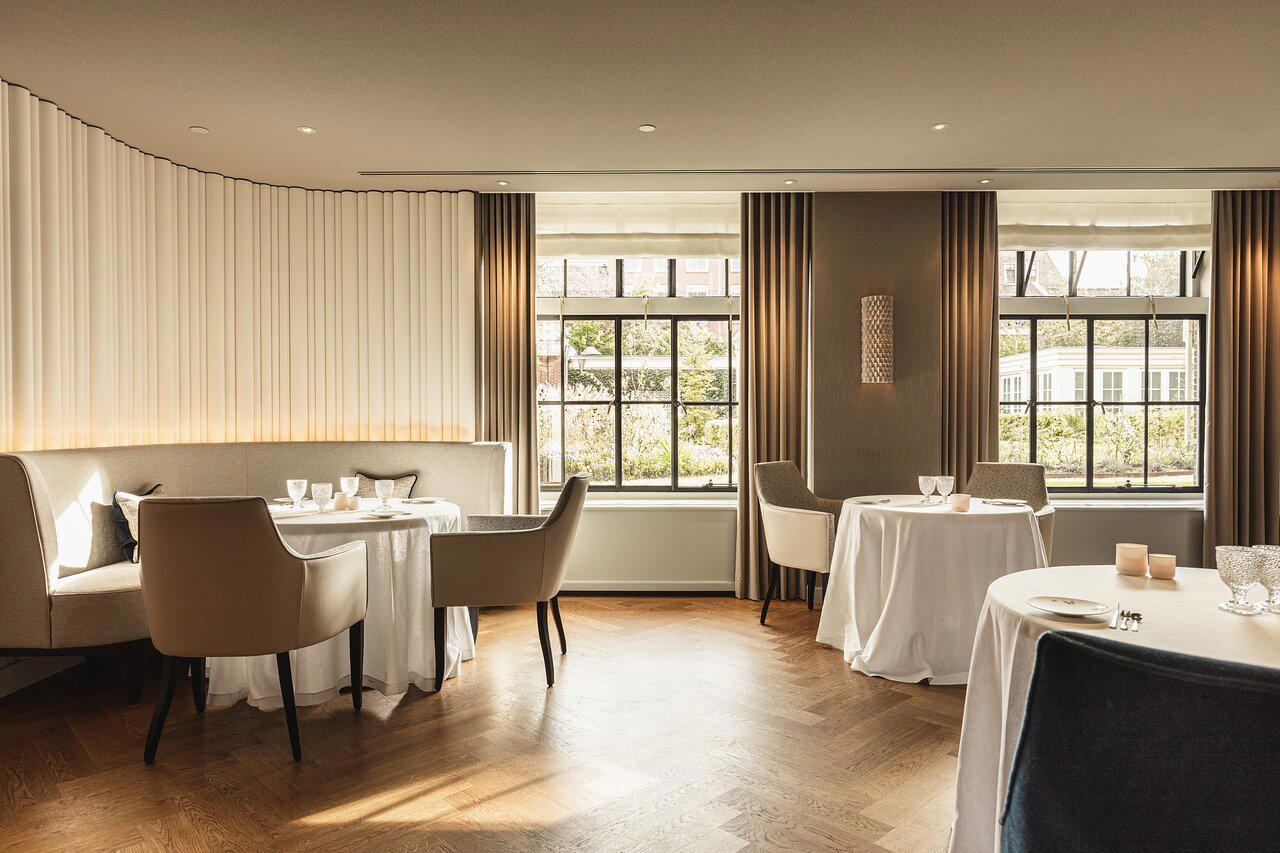
Restaurants in Amsterdam
Browse all →
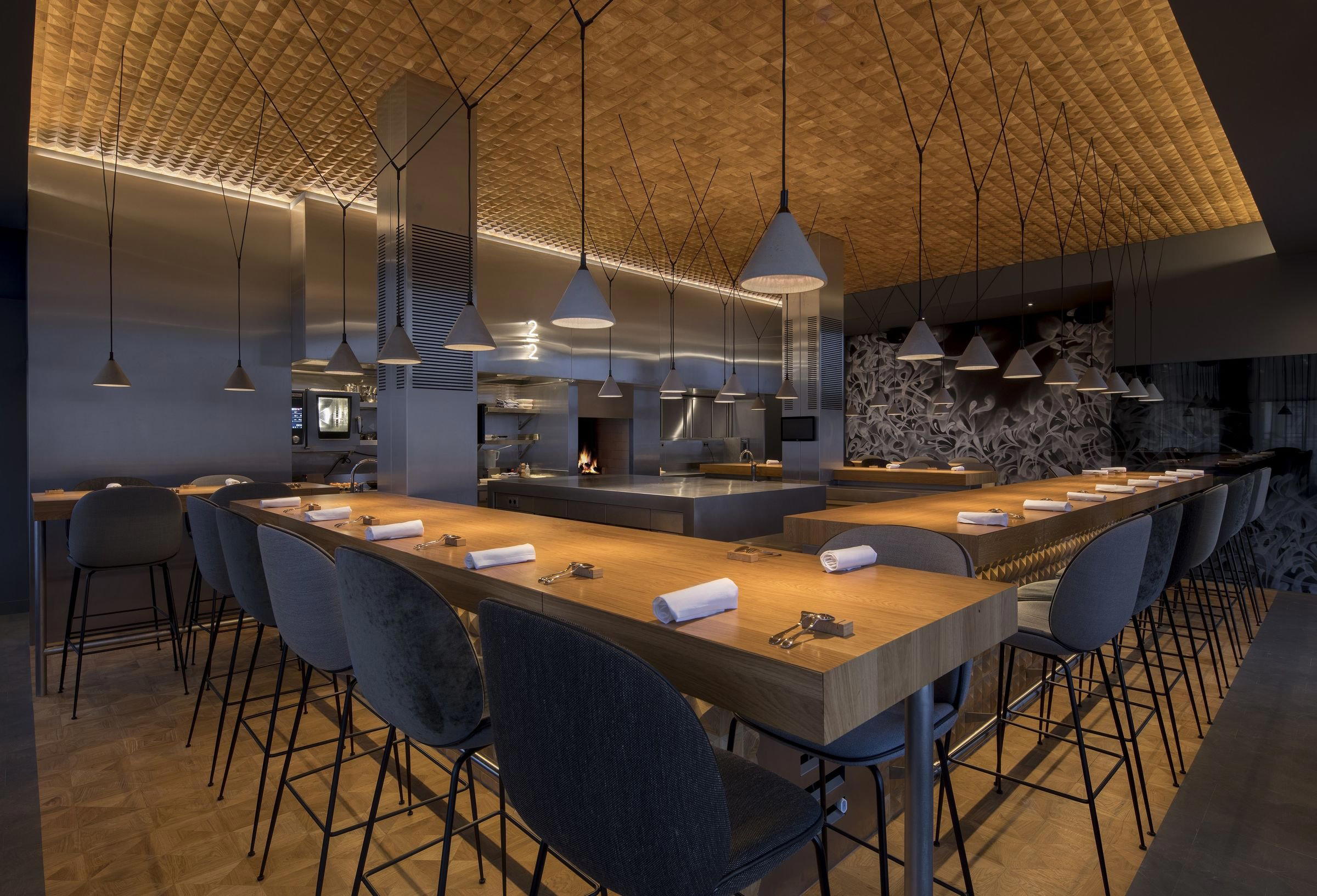
Bars in Amsterdam
Browse all →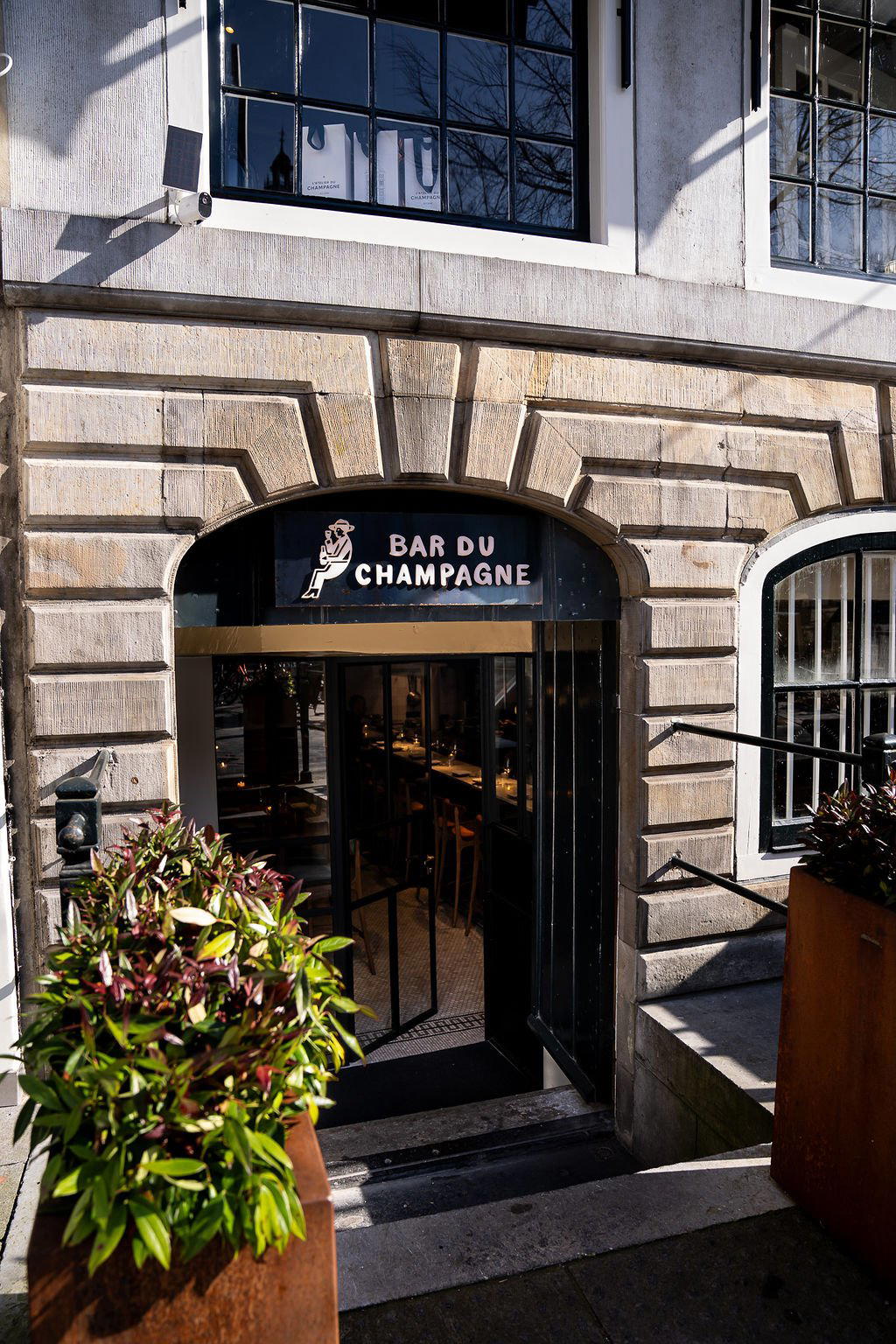
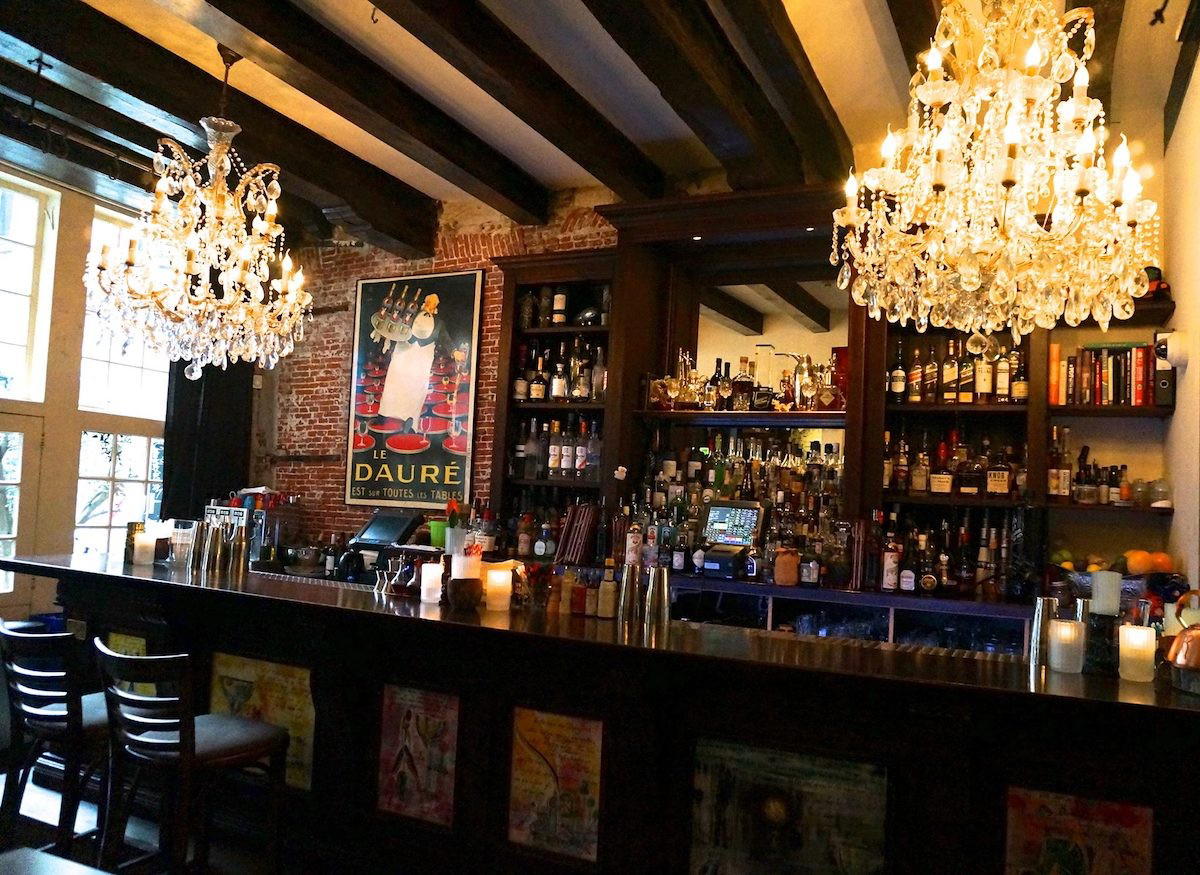
Hotels in Amsterdam
Browse all →

Wineries in Amsterdam
Browse all →
At a Glance
- Ornate
- Elegant
- Sophisticated
- Trendy
- Date Night
- Special Occasion
- Group Dining
- Open Kitchen
- Private Dining
- Craft Cocktails
Current opening hours
- Monday
- 6 PM–1 AM
- Tuesday
- 6 PM–1 AM
- Wednesday
- 6 PM–1 AM
- Thursday
- 6 PM–2 AM
- Friday
- 6 PM–3 AM
- Saturday
- 6 PM–3 AM
- Sunday
- 6 PM–1 AM
Hours can change for holidays and private events. Last verified .
Dramatic ornate interiors with captivating entertainment, buzzy lounge bar, and well-known vibes.