Live Sushi Bar
Live Sushi Bar sits at 2001 17th Street in San Francisco's Mission District, occupying a corner of the city's working-class neighbourhood where Japanese counter tradition meets California's proximity to the Pacific. The address places it at a distance from the high-gloss Financial District sushi tier, which shapes both its pricing context and its clientele.
Pearl is the En Primeur Club membership app — saves, bookings, and concierge access live there. Same editors, same standards.
- Address
- 2001 17th St, San Francisco, CA 94103
- Phone
- (415) 861-8610
- Website
- livesushibar.com
- Directions
- Get directions
 Saves & bookings on Pearl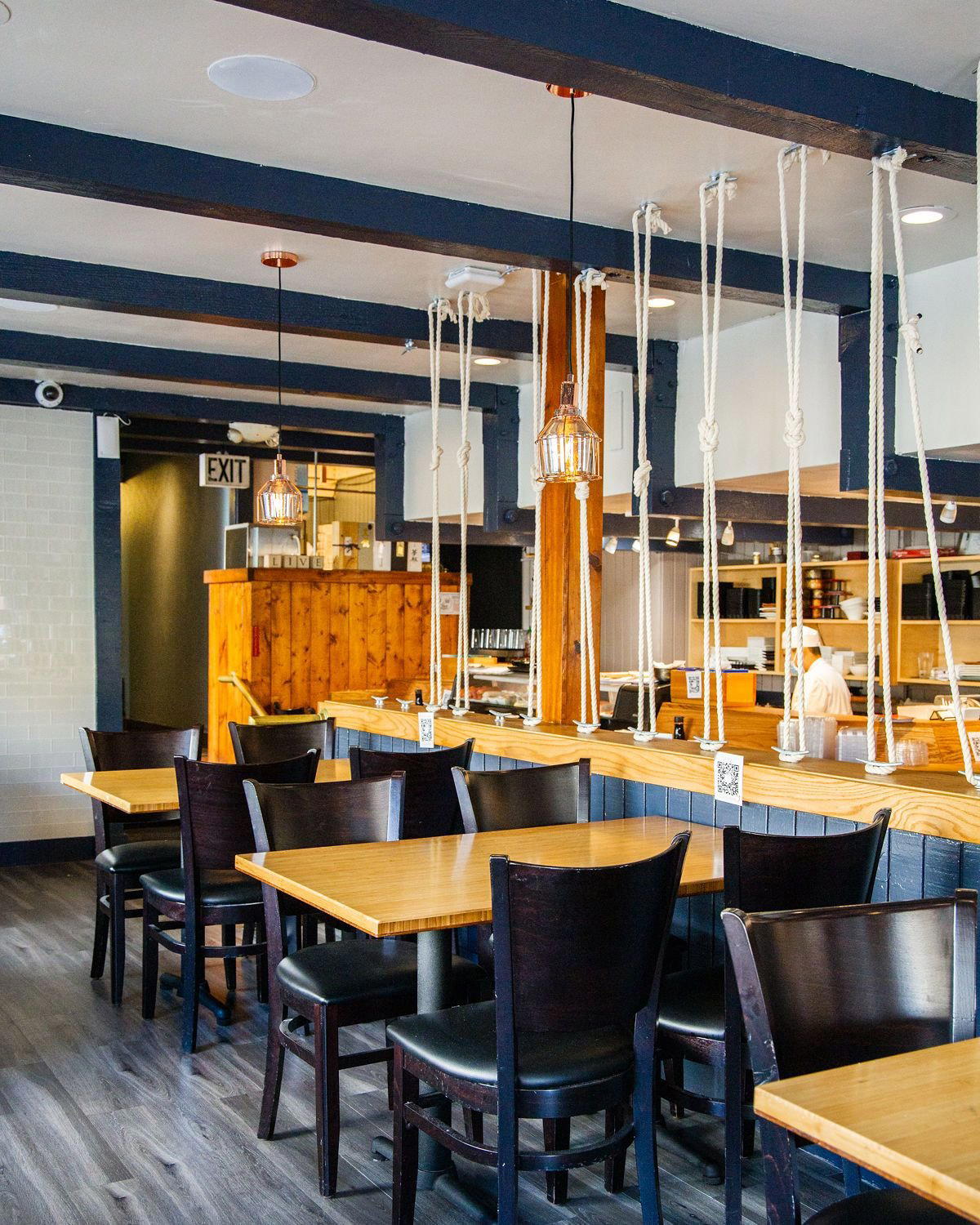
The Corner on 17th Street
San Francisco's relationship with sushi is older and more layered than most American cities appreciate. The Bay Area's Japanese-American community put down deep roots in the early twentieth century, and that history shaped a sushi culture that predates the nationwide omakase boom by decades. Today, the city's Japanese counter scene runs from $300-per-head Michelin-starred destinations in the Financial District and Japantown to neighbourhood spots that maintain the discipline of fresh fish without the theatre of seasonal kaiseki courses. It occupies a position closer to that latter category, a physical address that places it in a different competitive conversation than the city's trophy-counter tier represented by venues like Benu or the broader high-end contemporary scene at Atelier Crenn.
The Mission itself shapes the context. This is a neighbourhood that has absorbed successive waves of cultural change without fully surrendering the street-level density that makes it legible. 17th Street in particular sits at the edge of the Castro and Potrero Hill, an intersection of residential density and working restaurants rather than destination dining corridors. A sushi bar at this address is speaking to a different audience than the ones booking three months ahead for omakase counters in Japantown. That distinction matters when calibrating expectations, and when understanding what the venue is actually trying to do.
Sourcing and the Bay's Seasonal Logic
The editorial angle that defines neighbourhood sushi in the Bay Area, as opposed to its trophy-counter counterpart, is often proximity. Northern California's access to the Pacific creates a sourcing environment that few American cities can replicate. Dungeness crab arrives in season from waters within a few hours of the city. Pacific halibut, local salmon runs, and sea urchin from the Sonoma coast all exist within the supply chain available to any San Francisco fish restaurant willing to prioritise regional sourcing over year-round consistency.
This is where the neighbourhood sushi bar format either earns its position or defaults to commodity product. Restaurants that commit to seasonal Pacific supply, accepting that certain fish disappear from the menu in certain months, create a fundamentally different eating experience from those that airfreight standardised cuts year-round. The seasonal logic matters: California's Dungeness season typically runs from November through June, Pacific king salmon is most available in summer, and sea urchin quality peaks in cooler months. A sushi bar that follows those rhythms is making a sourcing argument that places it in conversation with farm-to-table counterparts like Single Thread Farm in Healdsburg or the ingredient-forward philosophy at Saison, even if the price tier and format sit far apart.
For context, the sourcing discipline that defines California's highest-regarded restaurants, places like The French Laundry in Napa and Lazy Bear, is built on the same Pacific and Central Valley supply infrastructure that neighbourhood restaurants in the Mission can access. The price gap between those venues and a neighbourhood sushi bar reflects labour, ambition, and format more than the raw availability of quality ingredients.
The Mission District's Dining Register
The Mission has one of the more complicated dining identities in San Francisco. It is simultaneously the city's most densely populated Latino neighbourhood, a destination for the tech-adjacent dinner-party crowd, and a corridor for the kind of no-frills cooking that predates the city's culinary reputation. Restaurants here operate under different commercial pressures than those in Hayes Valley or the Financial District. Rents, while high by national standards, have historically allowed for a wider range of price points than the tourist-facing dining districts. That structural reality means a sushi bar on 17th Street is likely calibrated for repeat local business rather than destination dining.
This positions Live Sushi Bar in a comparable set that includes neighbourhood Japanese restaurants across the city rather than the high-ticket omakase counters that draw comparison to Atomix in New York City or Quince in San Francisco's own fine-dining corridor. Neighbourhood sushi bars serve a different social function: they are the places that locals return to weekly, where a regular order is known and the fish counter turns quickly because volume, not ceremony, sustains the business model.
Sushi Counter Culture and What It Demands
The American sushi counter has undergone a bifurcation over the past decade that mirrors broader trends in dining across cities like New York, Los Angeles, and Chicago. At one end, the omakase format, chef-directed, multi-course, reservation-only, has moved sharply upmarket, pricing itself alongside tasting-menu restaurants of comparable formality. At the other end, the neighbourhood sushi bar has maintained its function as an accessible format for fresh fish without ceremony. The gap between those two tiers has widened, with little occupying the middle.
This bifurcation is visible in San Francisco specifically, where venues like Providence in Los Angeles and Le Bernardin in New York City represent the high-formality seafood tradition at a national level, while neighbourhood fish restaurants maintain their own, quieter authority. The discipline required at any level of sushi service, rice temperature, knife work, fish handling and aging, remains consistent regardless of price tier. What varies is the theatre around it, and the sourcing budget that allows for rarer cuts.
Planning Your Visit
Live Sushi Bar is located at 2001 17th Street, at the junction of the Mission and Castro districts, accessible by MUNI on the 33 and 22 lines and a short walk from the 16th Street BART station. The Mission address and neighbourhood format suit casual counter dining rather than reservation-only omakase. The neighbourhood is most active Thursday through Saturday evenings, when the dining density on surrounding blocks creates a context closer to a lively neighbourhood night out than a quiet mid-week meal.
Comparable sushi and seafood-forward experiences in Northern California range from the ultra-formal tasting format at Single Thread to ingredient-driven American cooking at Blue Hill at Stone Barns for those travelling further afield. Within San Francisco, those looking for the highest-end contemporary Japanese experience will find a different register entirely at the city's Michelin-level counters. Live Sushi Bar occupies the neighbourhood tier: closer to a reliable local spot than a destination event.
Comparable Options
Comparable venues nearby, for context on price, style, and recognition.
| Venue | Cuisine | Price | Notes |
|---|---|---|---|
| Live Sushi BarThis venue — the venue you are viewing | Fresh Japanese Sushi with Live Seafood | $$ | Not listed |
| The Roll | Authentic Japanese Sushi and Futomaki | $$ | South of Market |
| Miyabi Sushi 2 Go | Japanese Sushi | $$ | North Beach |
| The Ramen Bar | Tokyo-Style Japanese Ramen | $$ | Financial District |
| Moki's Sushi & Pacific Grill | Japanese Sushi & Pacific Fusion | $$ | Bernal Heights |
| Tokyo Express Restaurant | Japanese Sushi & Teriyaki | $$ | Chinatown |
Continue exploring
More in San Francisco
Restaurants in San Francisco
Browse all →
Bars in San Francisco
Browse all →
Hotels in San Francisco
Browse all →
At a Glance
- Cozy
- Trendy
- Casual
- Casual Hangout
- Family
- Date Night
- Open Kitchen
- Sake Program
Current opening hours
- Monday
- 11:30 AM–2 PM, 5–9 PM
- Tuesday
- 11:30 AM–2 PM, 5–9 PM
- Wednesday
- 11:30 AM–2 PM, 5–9 PM
- Thursday
- 11:30 AM–2 PM, 5–9 PM
- Friday
- 11:30 AM–2 PM, 5–9:30 PM
- Saturday
- 12–9:30 PM
- Sunday
- 12–9 PM
Hours can change for holidays and private events. Last verified .
Comfortable and inviting neighborhood sushi bar with a relaxing casual dining room and lively bar seating.