The Refinery Citypoint
The Refinery Citypoint occupies a prominent address at 1 Ropemaker Street in the City of London, positioning it squarely within the financial district's working lunch and after-market drinks circuit. As a bar and restaurant hybrid serving the EC2 corridor, it operates in a segment where format flexibility and accessible pricing matter as much as kitchen ambition. A practical anchor for the Barbican and Moorgate crowd.
Pearl is the En Primeur Club membership app — saves, bookings, and concierge access live there. Same editors, same standards.
- Address
- 1 Ropemaker St, London EC2Y 9HT, United Kingdom
- Phone
- +442073820606
- Website
- drakeandmorgan.co.uk
- Directions
- Get directions
 Saves & bookings on Pearl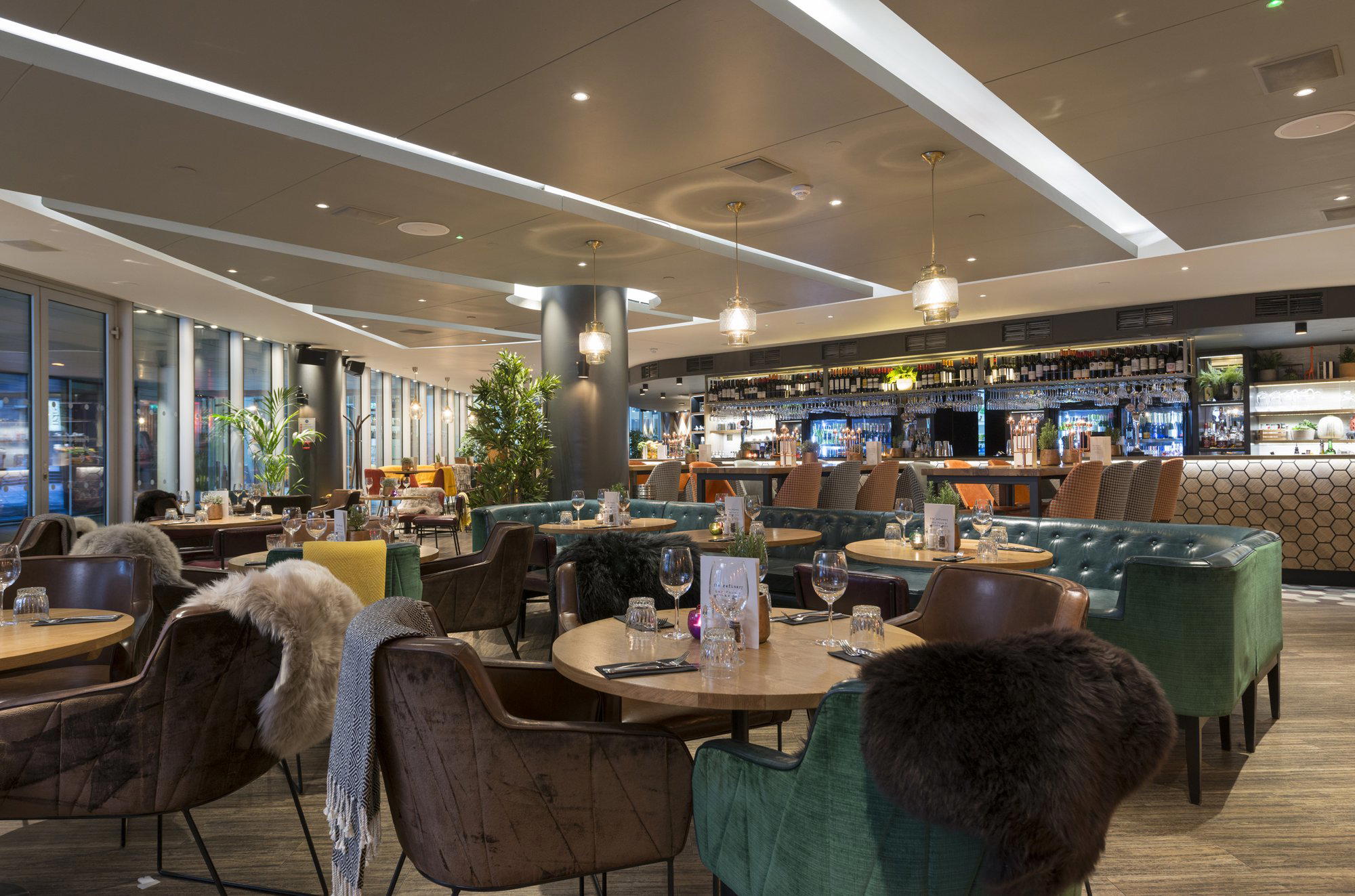
Drinking and Dining in the City's Eastern Core
London's financial district has always maintained a distinct dining culture from the rest of the capital. Where Mayfair and Marylebone operate on destination logic, the EC2 corridor runs on proximity and rhythm: the pre-meeting coffee, the working lunch, the post-close drink. Venues in this pocket of the City don't compete with CORE by Clare Smyth or Sketch's Lecture Room and Library on tasting-menu prestige. They compete on reliability, atmosphere, and the ability to hold a table through the arc of a long business afternoon. The Refinery Citypoint at 1 Ropemaker Street sits inside that functional tier, positioned for the Barbican, Moorgate, and Old Street crowd rather than the cross-London destination diner.
The Format and What It Signals
Bar-restaurant hybrids of this type occupy a specific niche in British hospitality. The format typically prioritises continuous service over tasting-menu ceremony, making the space as useful at 3pm on a Tuesday as at 8pm on a Friday. This stands in deliberate contrast to the structured progression found at the capital's formal tables, where The Ledbury in Notting Hill or Dinner by Heston Blumenthal anchor the evening around fixed, sequenced menus. The Refinery's format signals accessibility over ceremony, a positioning that aligns with the practical demands of its EC2 postcode. In a neighbourhood where trading hours shape social hours, that flexibility carries real value.
The Citypoint building itself frames the experience before a guest even sits down. Located at the base of one of the City's more recognisable towers, the address places the venue within a cluster of corporate occupiers, a detail that shapes the room's energy at lunch and early evening. This is dining shaped by the rhythms of financial work, not leisure tourism.
The Arc of a Meal Here
Thinking through the progression of an experience at a venue like this reveals how City bar-restaurants typically structure their offer. The entry point is almost always drinks, with a bar program that needs to perform credibly for the finance crowd that moves quickly from Bloomberg terminal to bar stool. The drinks list in venues of this type tends to cover familiar ground with technical competence: solid wine by the glass, classic cocktails executed without eccentricity, and draft options that hold up under volume. This is a different discipline from the clarified-drink technical programs emerging in London's more experimental cocktail rooms, and it suits the context.
The food progression in City bar-restaurants of this bracket typically runs from sharing plates through mains, with kitchen output designed to hold across a wide service window rather than peak at a single sitting. That breadth of utility across lunch and dinner, each with its own social register, is harder to achieve than it looks. Venues that manage it well become anchors for their postcode. Those that don't tend to feel either too formal at lunch or too casual at dinner. Positioning within that band defines whether a place like this becomes habitual or merely occasional for its local audience.
For reference on what sequenced dining looks like at the other end of London's spectrum, the structured tasting progressions at Restaurant Gordon Ramsay in Chelsea or, outside the capital, at L'Enclume in Cartmel and Moor Hall in Aughton illustrate how far the format can stretch when a kitchen commits fully to the multi-course model. The Refinery operates in deliberately different territory.
City Dining in Wider Context
EC2 has seen consistent investment in hospitality over the past decade, driven partly by the expansion of tech and media occupiers into what was historically pure finance territory. That demographic shift has brought demand for a wider range of formats: not just the traditional City brasserie or the private dining room, but also casual all-day venues and post-work bars with credible food programs. The Refinery's model reflects this broadening of what the neighbourhood expects from its restaurants.
Across the UK, the venues earning the highest critical attention sit in different categories entirely. The destination dining circuit now includes properties like Waterside Inn in Bray, Le Manoir aux Quat'Saisons in Oxford, Gidleigh Park in Chagford, and Midsummer House in Cambridge. Within London, the competitive reference points for serious dining are Hide and Fox and the Michelin-tracked rooms across the capital. The Refinery Citypoint does not compete in that tier, nor does it present itself as doing so. Its competitive set is defined by postcode and occasion type, not by critical ranking.
For international reference, the gap between neighbourhood-utility dining and serious tasting-menu formats is visible in New York as well, where Le Bernardin and Atomix represent the structured, high-commitment end of the spectrum, while the majority of the city's covers are taken by exactly the kind of flexible, bar-forward restaurant that venues like The Refinery represent in London. The format is not a compromise; it reflects a deliberate read of how most people actually eat most of the time.
Dining in the City's EC2 corridor rewards a degree of pragmatism. Venues at this address serve a regular audience of repeat visitors rather than a tourist circuit, which tends to produce consistent rather than showy output. Away from London, options like Opheem in Birmingham, Restaurant Andrew Fairlie in Auchterarder, and Hand and Flowers in Marlow illustrate how differently the bar-restaurant category can express itself when taken out of a city-centre financial district context.
Know Before You Go
- Address: 1 Ropemaker Street, London EC2Y 9HT
- Nearest Tube: Moorgate (Circle, Hammersmith & City, Metropolitan lines) and Barbican (Circle, Hammersmith & City, Metropolitan lines) are both within a short walk
- Format: Bar-restaurant hybrid with all-day service orientation typical of City venues in this postcode
- Pricing: Price tier 3
- Hours: Mon: Closed; Tue: 9 AM-11 PM; Wed: 9 AM-11 PM; Thu: 9 AM-12 AM; Fri: 9 AM-12 AM; Sat: Closed; Sun: Closed
Accolades, Compared
Comparable venues nearby, for context on price, style, and recognition.
| Venue | Cuisine | Price | Notes |
|---|---|---|---|
| The Refinery CitypointThis venue — the venue you are viewing | Modern British Gastropub | $$$ | Not listed |
| Darby's | Modern British Steakhouse & Seafood | $$$ | Nine Elms |
| The Page Restaurant | Modern British Kosher Fine Dining | $$$ | Limehouse |
| The Ladbroke Arms | Modern British Gastropub | $$$ | Notting Hill |
| Criterion | Classic British Brasserie | $$$ | Piccadilly Circus |
| The Orchard Room | British Afternoon Tea | $$$ | Westminster |
Continue exploring
More in London
Restaurants in London
Browse all →
Bars in London
Browse all →
Hotels in London
Browse all →

At a Glance
- Modern
- Trendy
- Sophisticated
- Lively
- Business Dinner
- After Work
- Group Dining
- Casual Hangout
- Brunch
- Private Dining
- Terrace
- Open Kitchen
- Craft Cocktails
- Extensive Wine List
Current opening hours
- Monday
- Closed
- Tuesday
- 9 AM–11 PM
- Wednesday
- 9 AM–11 PM
- Thursday
- 9 AM–12 AM
- Friday
- 9 AM–12 AM
- Saturday
- Closed
- Sunday
- Closed
Hours can change for holidays and private events. Last verified .
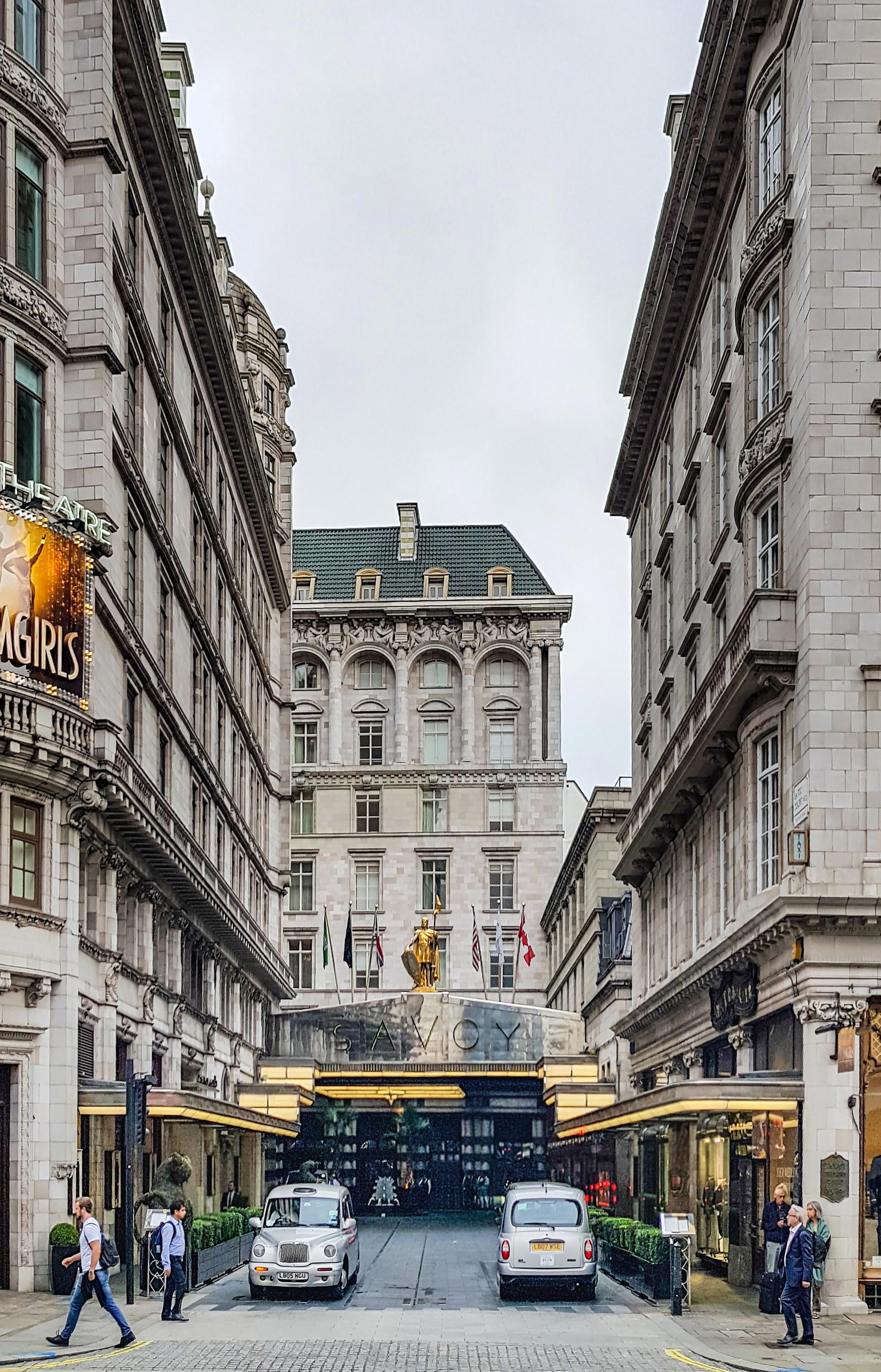
Soft lighting, statement wallpapers, cosy faux fur, and glamorous atmosphere creating a warm, contemporary vibe.