Criterion
One of Piccadilly's most architecturally arresting dining rooms, the Criterion occupies a late-Victorian Byzantine hall whose gilded mosaic ceiling has presided over London's West End since 1874. The address places it steps from the Royal Academy and Green Park, within easy reach of Mayfair's concentration of Michelin-starred tables. It remains a reference point for the intersection of grand interior design and central London dining history.
Pearl is the En Primeur Club membership app — saves, bookings, and concierge access live there. Same editors, same standards.
- Address
- 218-223 Piccadilly, London W1J 9HR, United Kingdom
- Phone
- +44 20 7839 8811
- Website
- criterion-theatre.co.uk
- Directions
- Get directions
 Saves & bookings on Pearl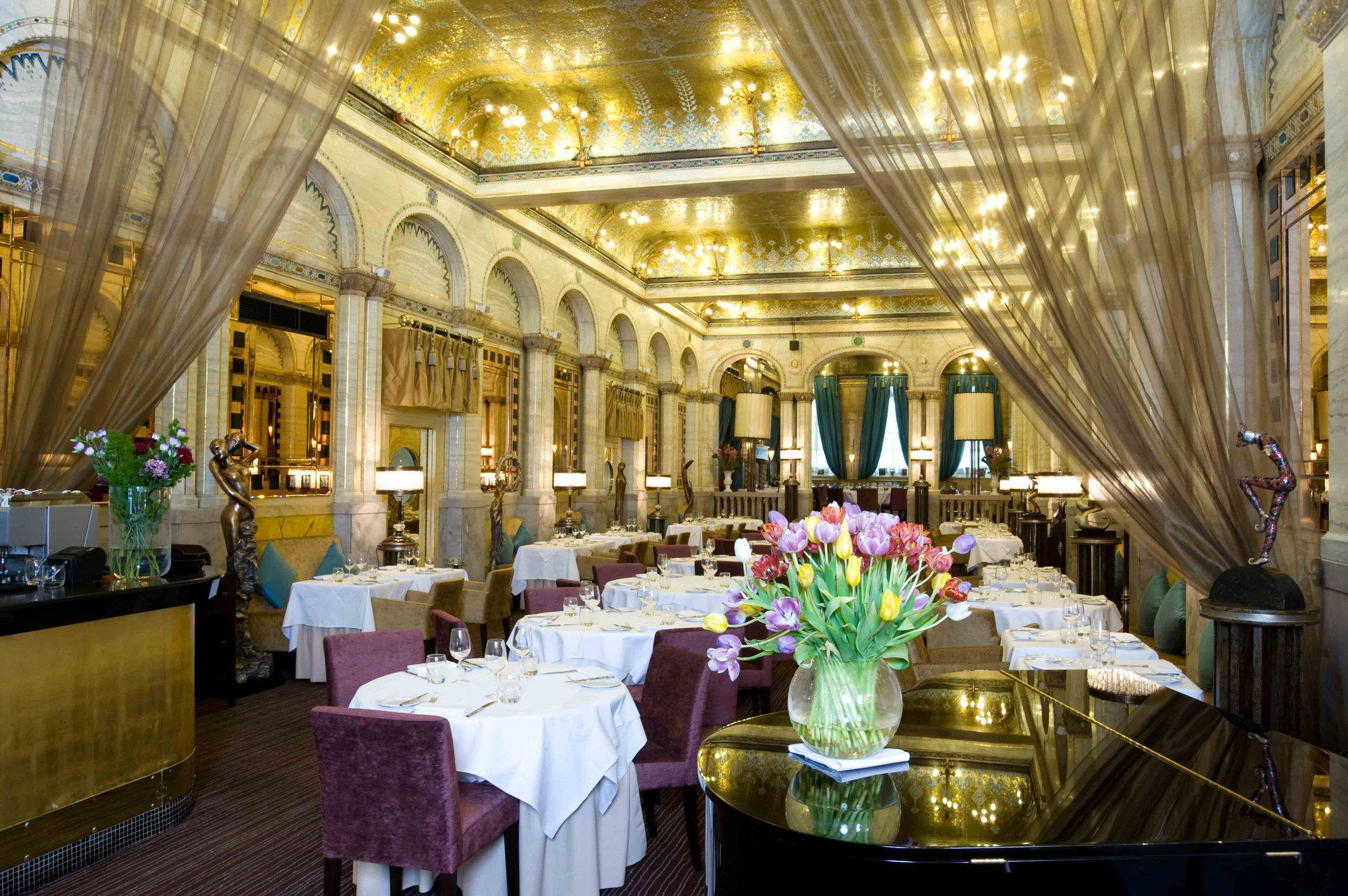
A Piccadilly Institution in the Age of the Grand Dining Room
Criterion is a Classic British Brasserie at 218-223 Piccadilly, London W1J 9HR, United Kingdom. Opened in 1874 by restaurateur John Hollingshead and later refined under the Spiers and Pond hospitality company, the building was designed by Thomas Verity in a Byzantine Revival style that was already theatrical by the standards of its era. The gilded mosaic ceiling, the marble columns, and the gold-tiled walls were not incidental to the dining experience, they were its argument. To eat here was to participate in a form of civic spectacle that the Victorian West End refined to high art.
That original design imperative has outlasted virtually everything else about the room's commercial history. Where other grand-dining addresses of the same period have been subdivided, stripped, or converted beyond recognition, the Criterion's interior survived well enough to earn listed status, anchoring it architecturally to a specific moment in London's hospitality ambition. The room is now one of the few places in central London where the physical fabric itself functions as primary context for the meal, before a menu arrives, before service begins, the space has already established its register.
The Sensory Architecture of the Room
The experience of the Criterion begins at street level on Piccadilly, where the entrance is modest relative to what follows. The transition from the pavement into the main dining hall operates as a deliberate reveal: the low-ceilinged entrance gives way to a room whose proportions are genuinely surprising. The Byzantine mosaic ceiling, restored and maintained across multiple ownership cycles, catches and distributes light in a way that shifts across service, brighter at lunch, warmer and more amber at dinner as the room settles into the evening.
Sound behaves differently in tiled, mosaic-clad rooms than in the padded, acoustically dampened interiors that define most contemporary fine dining. The Criterion carries a residual hum of conversation and cutlery that would read as noise in a quieter register but here functions as texture, the room sounds occupied and alive in a way that modern restaurant design often engineers out. This is not incidental. It connects the space to a Victorian understanding of the restaurant as public room rather than private retreat, a distinction that separates the Criterion's atmosphere from the more subdued formats of, say, the intimate tasting-counter model that defines Mayfair's current Michelin tier.
For comparison, the tasting-counter and modern-minimalist format dominates London's most awarded addresses right now. CORE by Clare Smyth and The Ledbury operate in a quieter, more controlled atmospheric register, while Sketch, The Lecture Room and Library occupies a theatrical-interior niche closer to the Criterion's own impulse, even if its design idiom is entirely different. The Criterion's specifically historical atmosphere places it in a separate competitive conversation from the contemporary fine-dining tier represented by Restaurant Gordon Ramsay or Dinner by Heston Blumenthal.
Piccadilly's Position in London's Dining Geography
The address at 224 Piccadilly places the Criterion at one of central London's most trafficked intersections, steps from Piccadilly Circus to the east, Green Park to the west, and the Royal Academy of Arts a short walk north along Burlington Gardens. This is not a neighbourhood in the residential sense; it is a transit point, a visitor corridor, and a zone where London's retail, cultural, and hotel infrastructure converge. The dining options here range from tourist-volume operations to addresses that draw serious repeat custom from across the city.
For visitors building an itinerary around the West End's concentration of cultural institutions and high-end retail, the Criterion's location is genuinely useful. The Green Park and Piccadilly Circus Underground stations are both within a five-minute walk, making it accessible from virtually any part of the city without navigating central London traffic.
The Criterion in the Broader Context of British Grand Dining
Grand Victorian and Edwardian dining rooms have had uneven fates across Britain. Some, like the Ritz Dining Room, have maintained continuous fine-dining operations with investment in kitchen talent. Others have cycled through ownership and concept changes that gradually eroded their original character. A third category, of which the Criterion is an example, has maintained architectural integrity while the dining concept above it has evolved separately from the building's historical prestige.
This pattern is worth understanding when placing the Criterion in a national context. The standard-setters for British fine dining now sit mostly outside London: The Fat Duck in Bray, L'Enclume in Cartmel, and Moor Hall in Aughton represent the country-house and village-destination model that has attracted much of Britain's highest award recognition in recent years. Within the city, addresses like hide and fox in Saltwood and Gidleigh Park in Chagford point to the sustained strength of the regional fine-dining tier. The Criterion's significance in this geography is architectural and historical rather than culinary, which is precisely the reason visitors with an interest in London's restaurant heritage find it worth knowing.
Internationally, the grand-room format has its own parallel tradition. Le Bernardin in New York City represents a different version of the same instinct: a room whose design language signals seriousness before the food arrives. Atomix in New York City, by contrast, operates in the opposite mode, with intimacy and minimal visual theatre as the frame. The Criterion belongs firmly to the former tradition.
Planning a Visit
The Criterion sits at 218-223 Piccadilly, W1J 9HR, a few minutes' walk from both Piccadilly Circus and Green Park. Those with a particular interest in the Hand and Flowers in Marlow style of destination dining outside the city will find the contrast with the Criterion's urban, historically grounded format instructive.
Cuisine and Recognition
Comparable venues nearby, for context on price, style, and recognition.
| Venue | Cuisine | Price | Notes |
|---|---|---|---|
| CriterionThis venue — the venue you are viewing | Classic British Brasserie | $$$ | Not listed |
| Blue Boar | British Gastropub | $$$ | Westminster |
| Caxtons | Modern British Grill | $$$ | Westminster |
| Origin Kensington | Modern British | $$$ | Kensington Palace Gardens |
| Boundary | Modern British Brasserie | $$$ | Bethnal Green |
| The Abingdon | Modern British Gastropub | $$$ | South Kensington |
Continue exploring
More in London
Restaurants in London
Browse all →
Bars in London
Browse all →
Hotels in London
Browse all →



At a Glance
- Classic
- Elegant
- Intimate
- Well Known
- Date Night
- Group Dining
- Special Occasion
- Business Dinner
- Family
- Historic Building
- Design Destination
- Standalone
- Craft Cocktails
- Extensive Wine List
- Local Sourcing
- Sustainable Seafood
- Street Scene
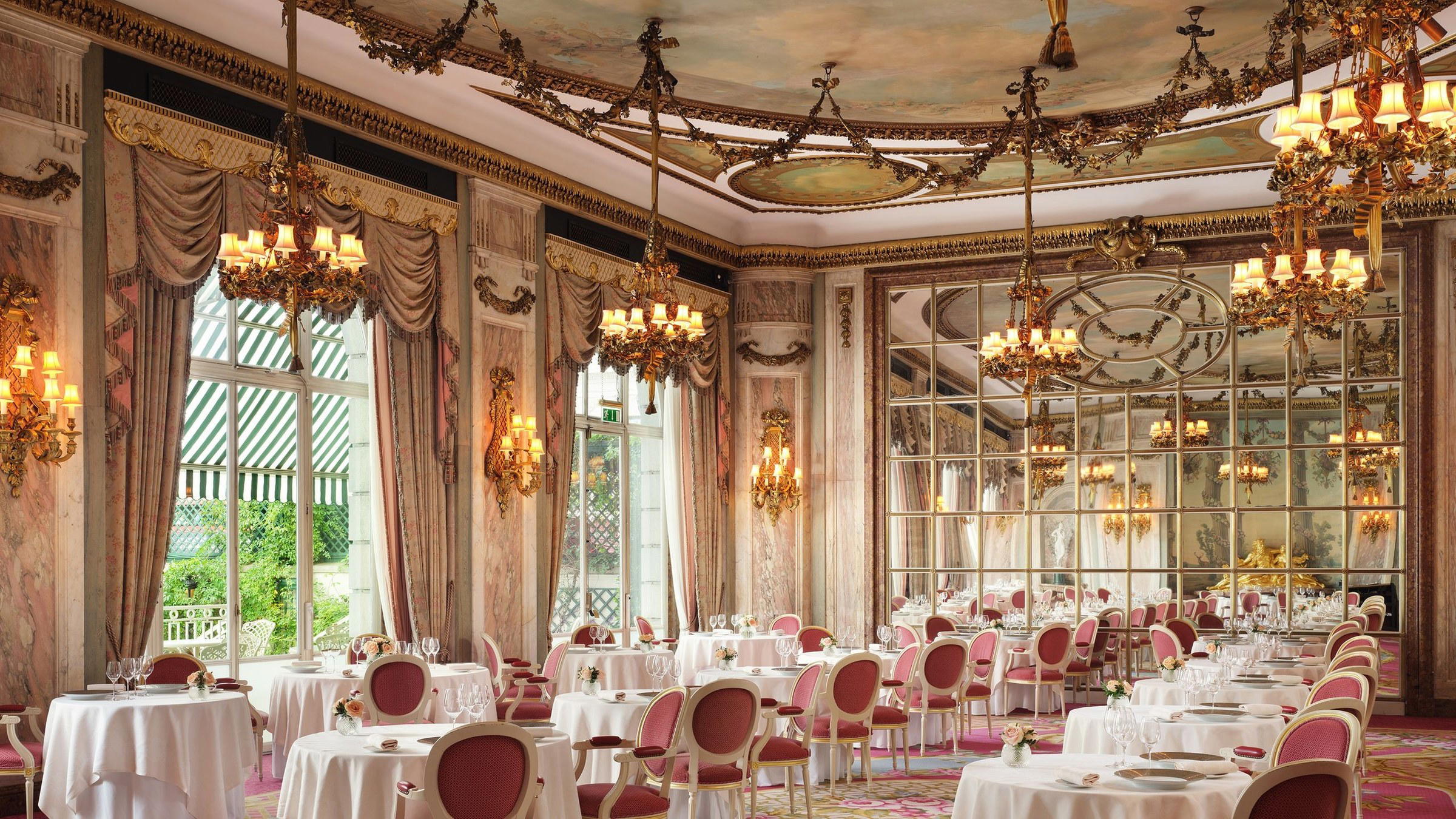
Historic, ornate, and intimate, with a celebrated mirror-bedecked interior and a lovely atmosphere highlighted by guest praise for its beauty and comfort.